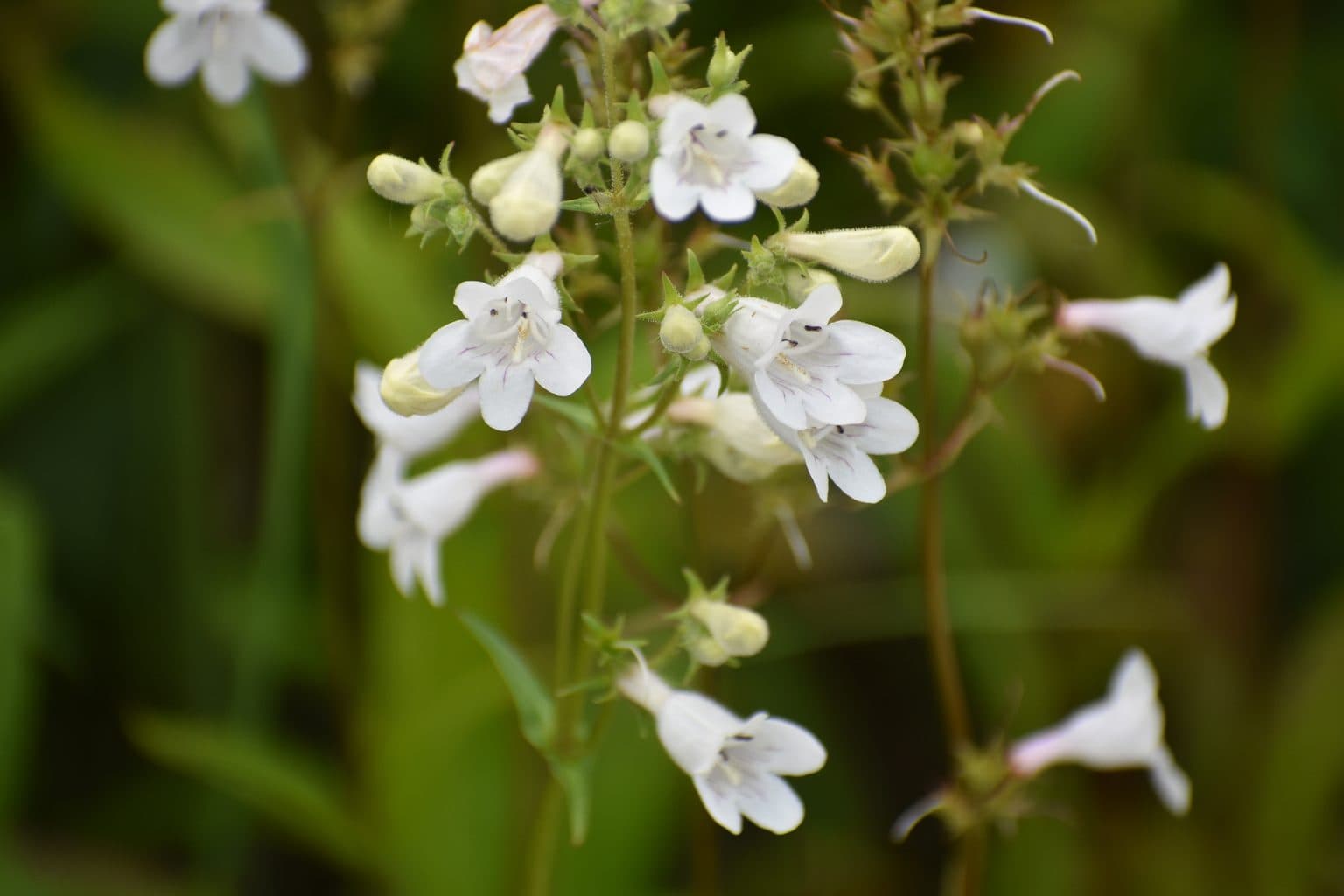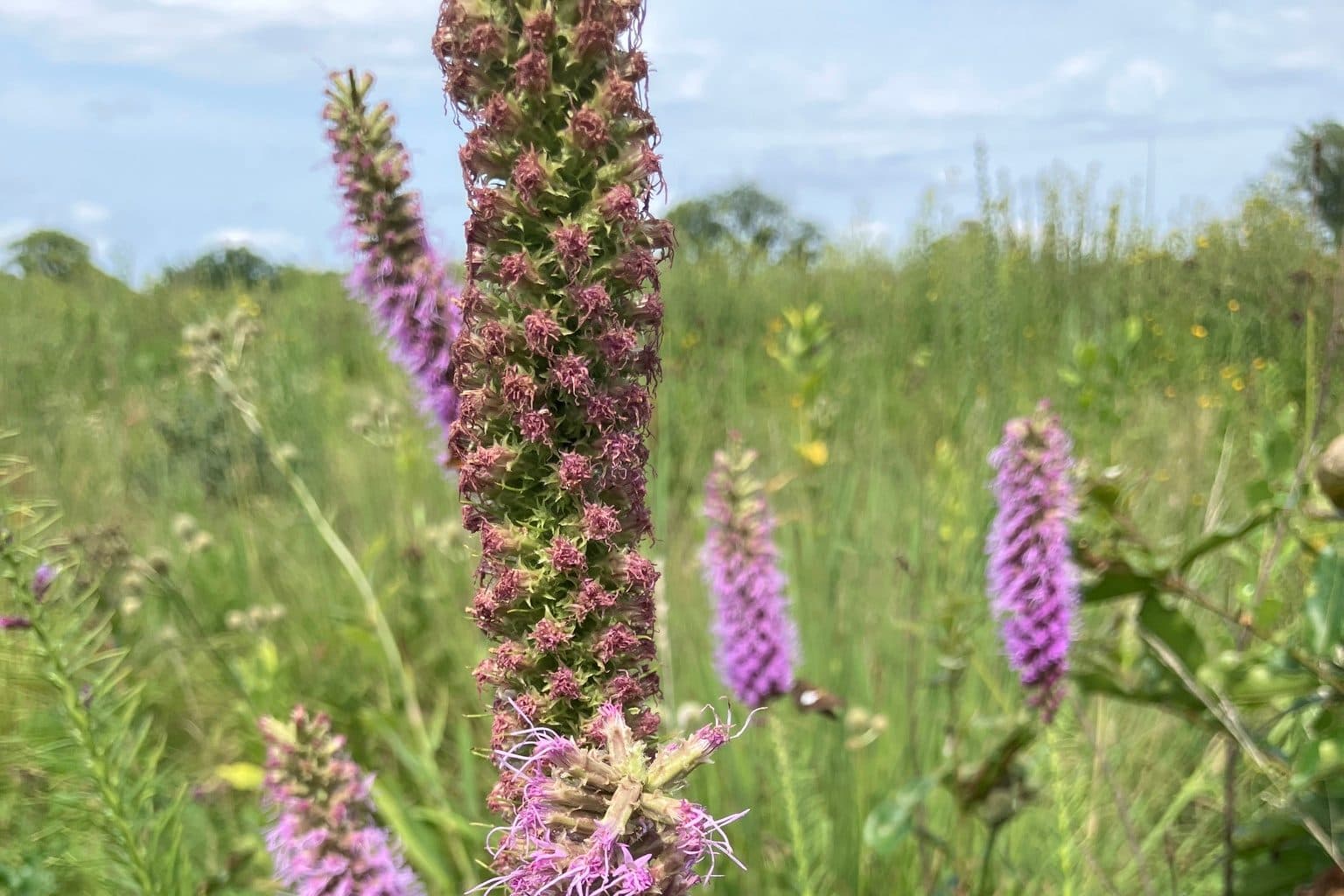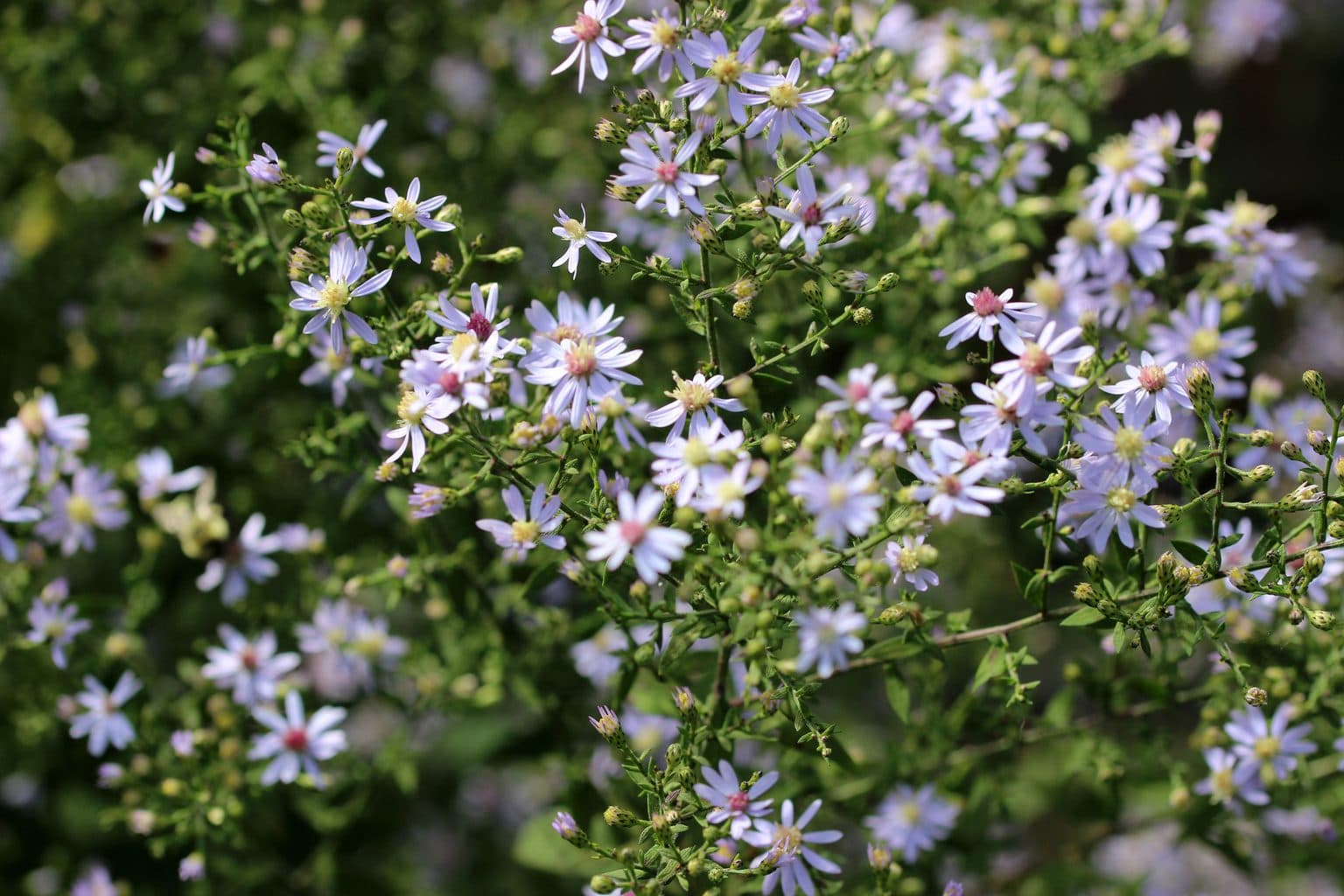
Quick answer: "Neat and orderly" in an HOA CC&R has no legal definition. In practice, it means defined edges, mulched beds, no dead material left out, and nothing overhanging the sidewalk or neighboring property. It does not mean you must have a traditional lawn. The goal is to show visible maintenance, not to match a specific plant list.
Two phrases show up in more HOA violation letters than almost any other: "neat and orderly" and "natural color palette." If you have native plants in your front yard and you get a letter, one of these is usually the cited standard. Neither phrase is defined anywhere in Texas property law. Both hand discretion to whoever is doing enforcement that day.
What courts and HOA attorneys mean by the phrase
When "neat and orderly" gets challenged, the standard that holds up tends to be this: grass is mowed or trimmed at a consistent height, bed edges are defined, there are no dead or dying plants left in place, no weeds are growing above ground level in visible areas, and there is no debris on the ground. That is the reasonable interpretation.
What it does not mean: your yard must look like your neighbor's yard. It does not mean turf is required. It does not mean native plants with natural growth habits are automatically a violation. The standard is about maintenance, not plant species.
The real enforcement problem: management companies
Most HOAs outsource enforcement to a management company. That company sends an inspector (often a contractor doing drive-bys) who flags anything unfamiliar. Native landscaping looks different from a turf lawn. Different gets flagged. The inspector is not evaluating whether your yard meets the written standard. They are deciding whether something looks wrong, and then writing a letter.
This is the gap between what the CC&R says and what actually happens. You can have a yard that meets every written standard and still receive a violation notice because the inspector did not recognize what they were looking at. The goal, then, is not to win the argument about whether your plants are technically compliant. The goal is to make your yard look so well-maintained that the inspector moves on.
§202.007(d-1): the legal backdrop
Texas Property Code §202.007(d-1) (opens in new tab), in effect since 2013, limits a specific workaround: HOAs using vague aesthetic standards as a backdoor ban on native and drought-tolerant landscaping. An HOA may not unreasonably reject water-conserving landscaping as aesthetically incompatible, and §202.007 bars rules that effectively require traditional turf. But this does not eliminate maintenance standards. A yard that genuinely looks unmaintained can still be cited. The protection is against blanket bans on plant types, not against reasonable upkeep requirements. For the rest of the rules §202.007 overrides, see unenforceable HOA rules in Texas.
What homeowners get wrong
Most people trying to navigate an HOA dispute over native plants focus on the plant list: which species are allowed, whether natives count as weeds under the CC&R, whether the architectural review committee can reject a species by name. That is often not where the enforcement is actually happening.
Two identical yards with the same plant species can get two different outcomes depending on how the edges are defined and whether there is mulch in the beds. The presentation determines the outcome more often than the plant list does.
Cues of care: what actually reads as maintained
There is a set of visual signals that tell a passerby (or an inspector) that someone tends a yard regularly. These signals matter more than which plants are growing. They include:
- •A crisp, defined border between the planted area and any paved surface (sidewalk, driveway, curb). This can be a steel edging strip, a brick mow strip, or a clean spade-cut edge maintained a few times a year.
- •Two to three inches of mulch covering all soil in planted beds. Bare soil reads as neglect. Mulched beds read as intentional.
- •No plant material overhanging the sidewalk, street, or neighboring property. Native plants can sprawl. Keep the outer edge trimmed back.
- •No dead standing material left from the prior season past early spring. In a native yard, you may leave seed heads through winter for birds. That is ecologically sound. But by February or March in Texas, cut them back.
- •A weed-free strip along the curb and sidewalk. The strip closest to the street gets the most scrutiny. Keep it clean.
A practical checklist before you submit for approval
Before your yard goes in front of an architectural review committee (or before you change anything that might trigger a drive-by), walk the front of your property and check these:
- 1.Is there a clear, maintained edge between every planted bed and any paved or lawn surface?
- 2.Is all soil covered with mulch? No bare patches visible from the street?
- 3.Does anything overhang the sidewalk or street?
- 4.Is there any dead material (brown stems, spent plants) still standing that will not be recognized as intentional?
- 5.Is the strip along the curb free of weeds?
If all five are clean, the yard is presenting as maintained regardless of what grows in it. That is what "neat and orderly" actually requires.
Plan your yard with Pollinator Patch
See HOA-friendly native plant plans designed around the cues-of-care principles that keep management companies from flagging your yard.
Open the app