Fall in Texas is planting season. Full stop. Not spring. The cooler temps and (usually) reliable rain give roots months to establish before summer hits. If you're going to add native plants to your yard this year, October through early December is the window. Here's what to do and when to do it.
October: planting season is open
This is the big month. Soil is still warm from summer, which means roots grow fast even as the air cools down. Plants put into the ground in October get a 6-month head start on anything planted in spring.
What to plant now:
- Texas Mountain Laurel (Sophora secundiflora): Evergreen, slow growing, and those purple flower clusters in spring smell like grape Kool-Aid. Plant it now and it'll have strong roots by next summer.
- Mexican Plum (Prunus mexicana): One of the first trees to bloom in late February. Beautiful white flowers before the leaves come in. Fall planting gives it the best shot.
- Lindheimer Muhly and Gulf Muhly: Ornamental grasses that are gorgeous right now with their pink and purple plumes. Plant them while they're showing off so you can see exactly what you're getting.
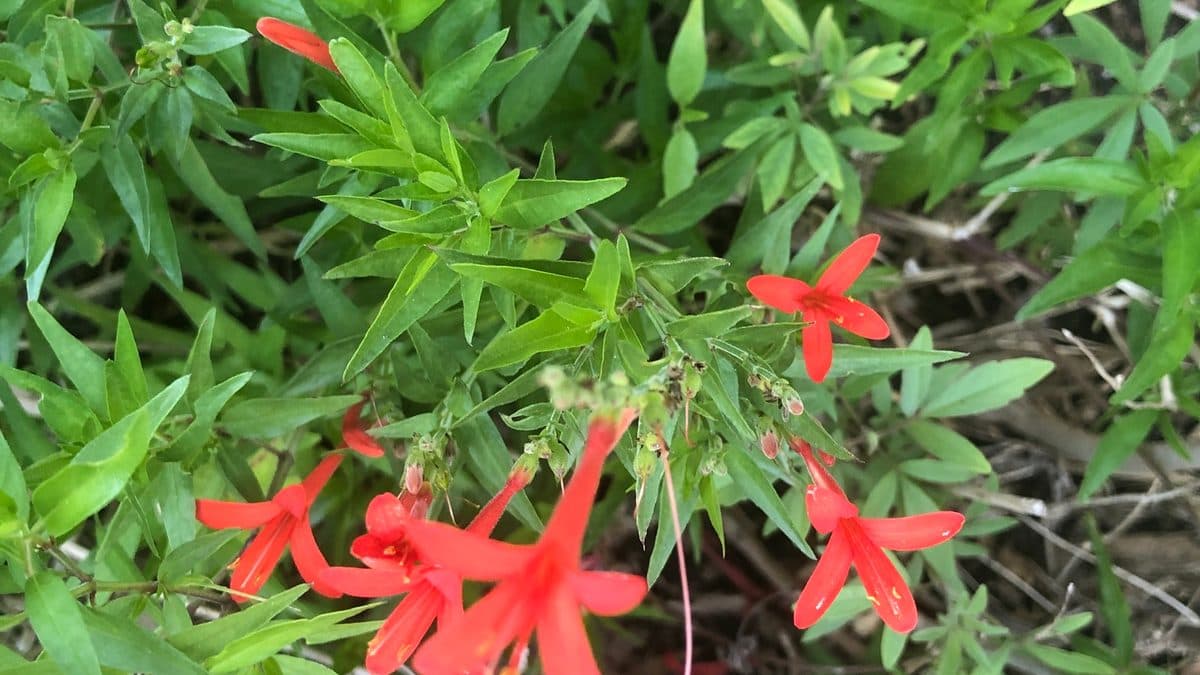
- Flame Acanthus (Anisacanthus quadrifidus var. wrightii): Still blooming orange-red in October. Hummingbirds love it. Drought tough once established.
For a full seasonal list, check our planting calendar. Yes, it says spring in the title, but it covers fall planting windows too.
October to-do list
- Plant trees, shrubs, and perennials (the earlier in October, the better)
- Water new plantings deeply once a week if rain doesn't show up
- Scatter wildflower seed for spring blooms (bluebonnets need cold stratification over winter)
- Hold off on heavy pruning. Most things are still putting energy into roots.
November: mulch, clean edges, final plantings
November is maintenance month. The big planting push is mostly done, and now you're setting things up for winter. Temperatures are dropping but the ground is still workable.
Refresh your mulch. A 3 to 4 inch layer of hardwood mulch or native leaf mulch does two things: it insulates roots from freeze-thaw cycles and it makes the whole garden look tidy. That tidy part matters if you have an HOA. Clean mulch and crisp edges send a clear "this is maintained" signal. Our cues of care guide goes deeper on this.
Leave seed heads on your native perennials. Goldfinches and sparrows eat them through winter. But trim anything that's flopping into the sidewalk or looking messy from the street. The HOA maintenance checklist has the full breakdown on what to cut and what to leave.
What NOT to cut back yet
- Ornamental grasses: Leave them standing. They look great through winter and protect the crown from freezes.
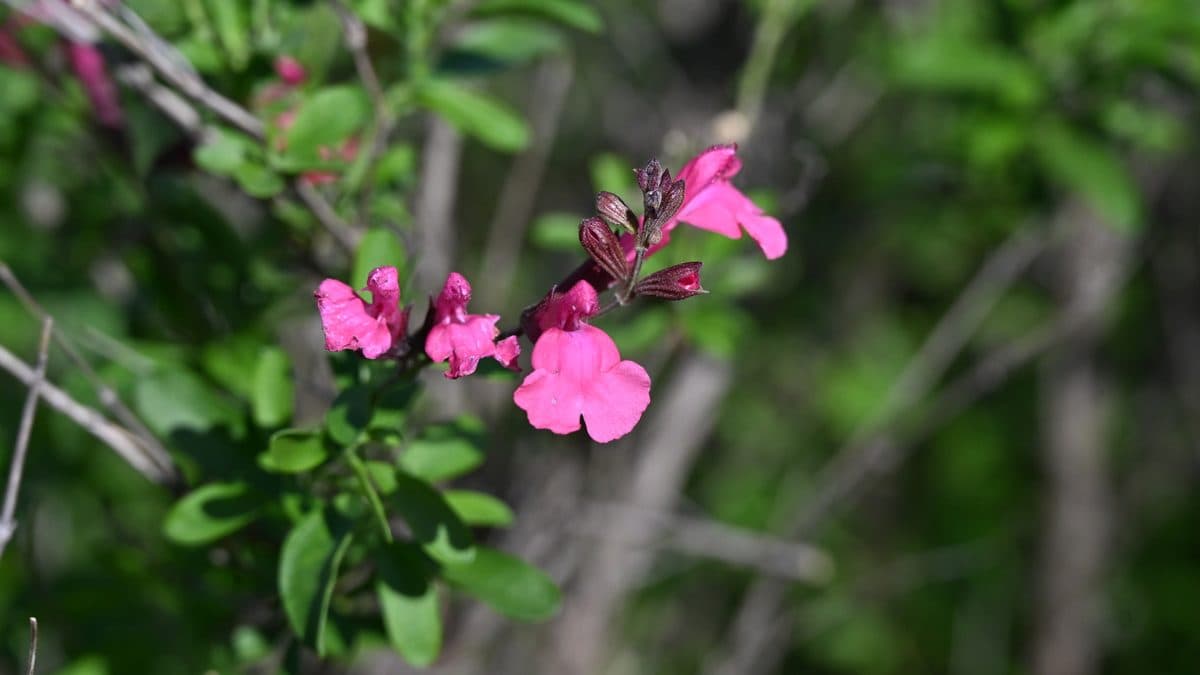
- Salvia greggii: It's still blooming. Let it finish and cut back in late February.
- Flame Acanthus: Freezes will knock it back on their own. No need to prune now.
- Anything with berries or seed heads: That's bird food. Leave it until February.
December: winter prep and waiting
Not much to do in December besides water new plantings if it hasn't rained in two weeks. Young plants with small root systems can dry out even in winter, especially during those dry stretches Central Texas gets between cold fronts.
If a hard freeze is forecast (below 28 degrees for more than 4 hours), cover any tender new plantings with frost cloth. Don't use plastic. It traps moisture and can actually make freeze damage worse. Established natives like Salvia, Turk's Cap, and native grasses don't need any protection. They've survived Texas winters for thousands of years.
December is also a good time to plan. If you're thinking about a bigger conversion next year, start looking into rebate programs now. Some cities open applications in January and they fill up. And if your garden maintenance routine needs updating for the new year, winter is the time to think about it.
Planning a fall planting?
Pollinator Patch helps you pick native plants that'll thrive in your zone and look intentional all year, including through winter.