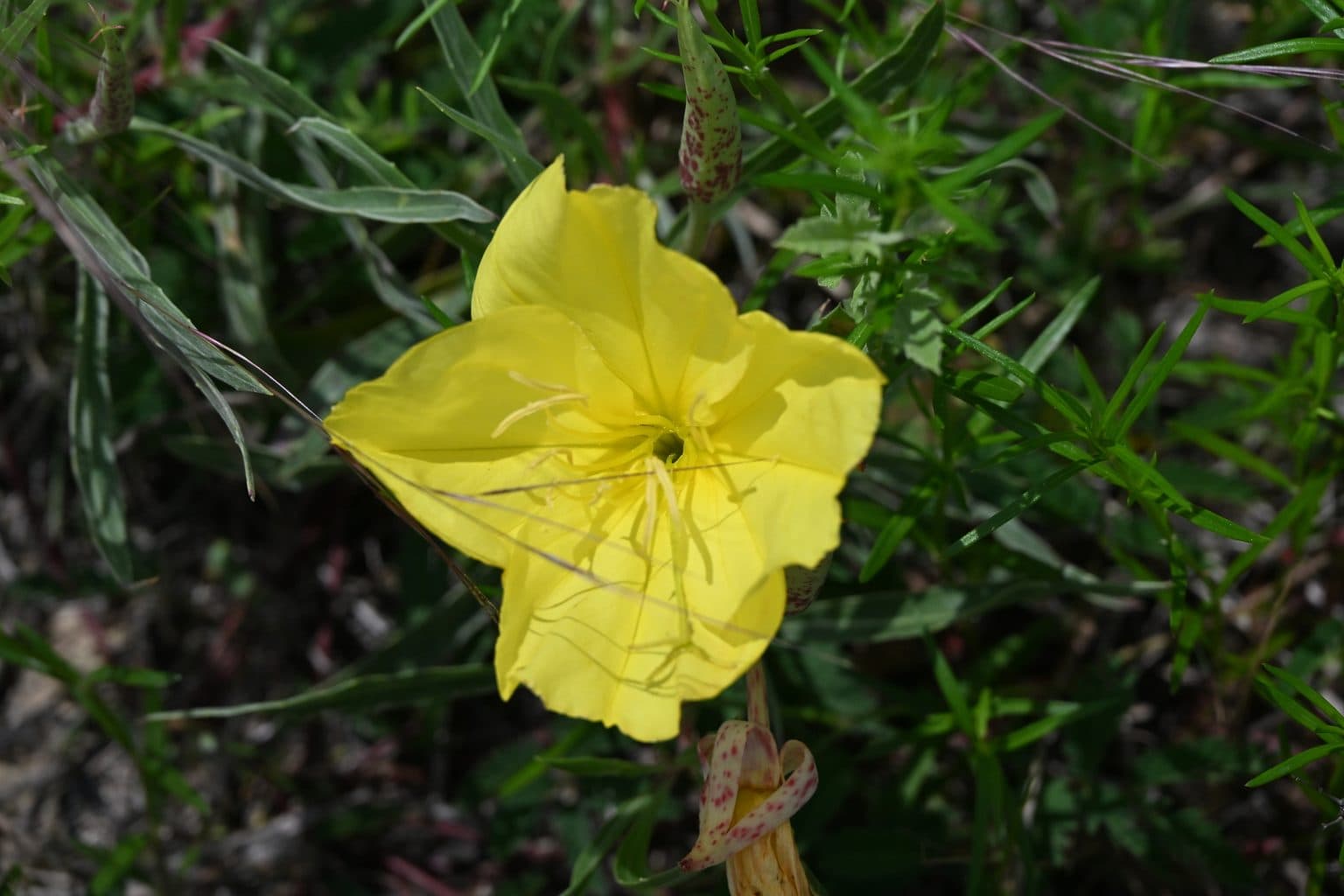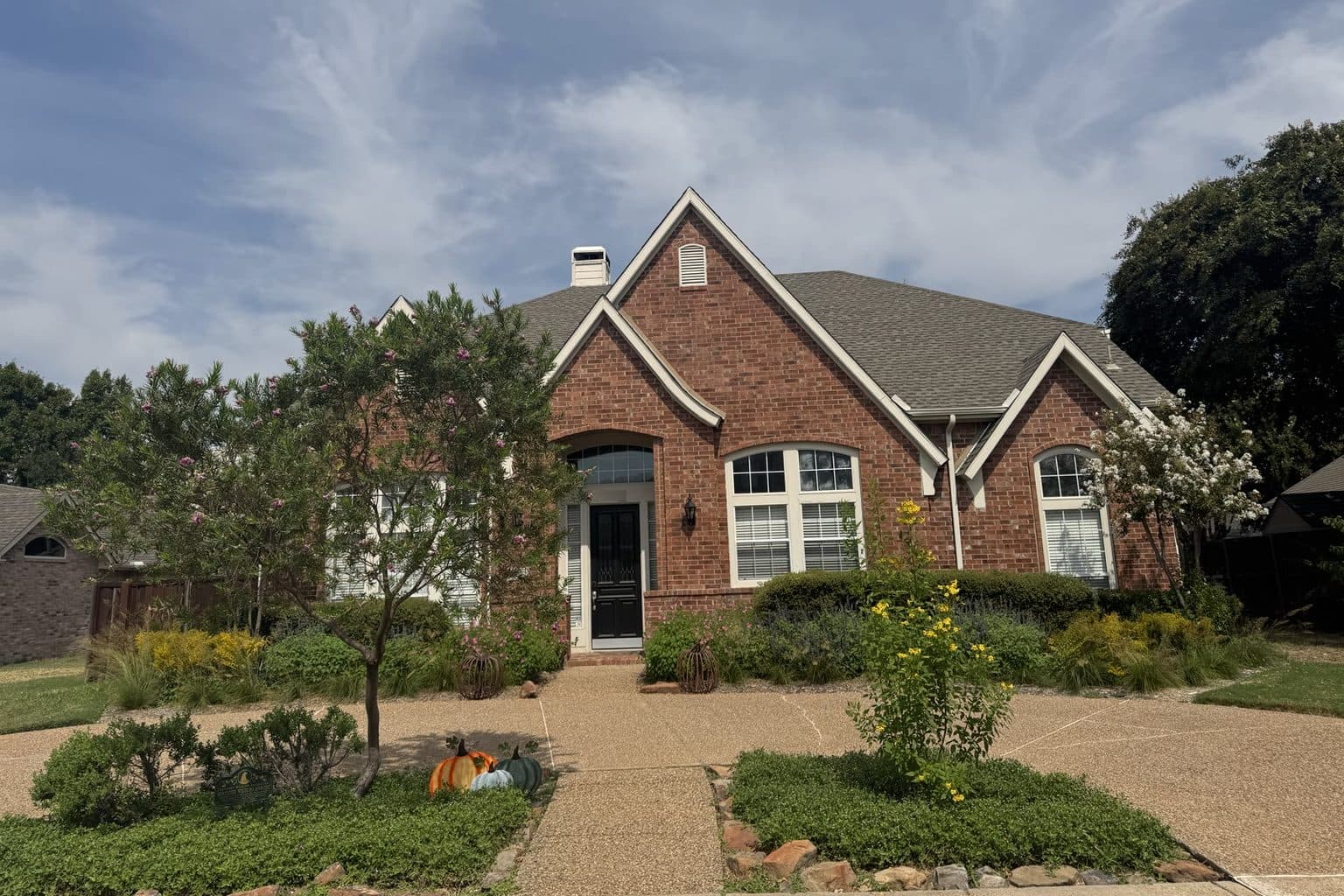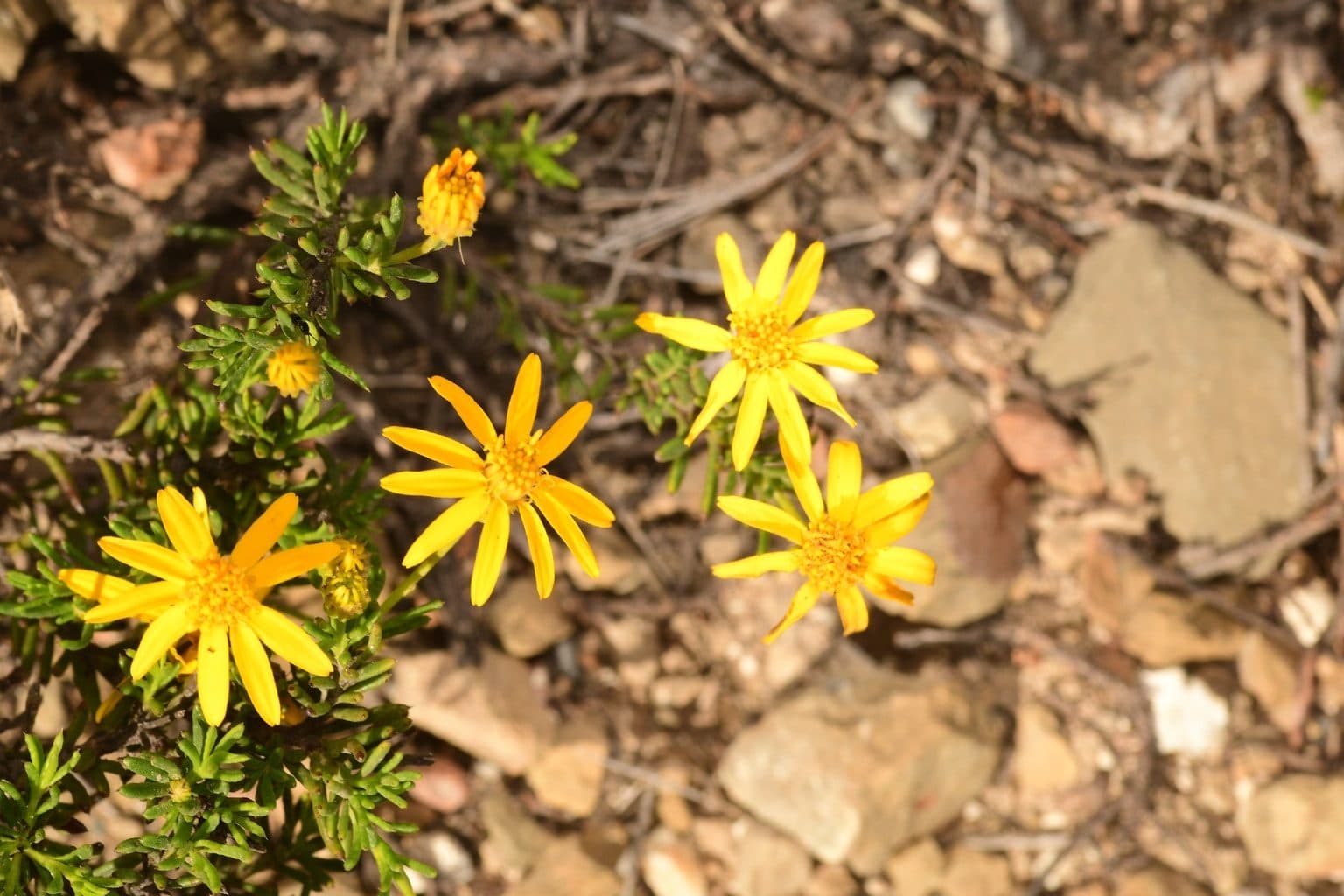
Georgetown pays up to $3,000 per year for turf-to-native conversion, inside a $5,000 per year combined cap across all of the city's conservation rebates (Georgetown Utilities Texas Grown requirements, last verified July 2026). The program is now called Texas Grown Native Landscaping; if you knew it as Love Your Local Lawn, it is the same program under its new name. Pre-approval is required before you buy or install anything, so apply at gtx.conservationrebates.com before you break ground.
Key takeaways
- Georgetown Texas Grown Native Landscaping (formerly Love Your Local Lawn): up to $3,000/year for turf conversion, within a $5,000/year combined cap across turf, irrigation, compost, mulch, aeration, and soil testing rebates. Apply at gtx.conservationrebates.com.
- Pre-approval required before buying or installing any materials, with a consultation from city staff and a letter of intent that sets your installation deadline.
- The rebate year runs October 1 to September 15, first-come first-served, so apply early in the fiscal year.
- Plants for Georgetown limestone: Mealy Blue Sage, Prairie Verbena, Gulf Muhly, Cedar Sage, Texas Persimmon (native ranges per the Lady Bird Johnson Wildflower Center).
How the Texas Grown program works
The program covers turf conversion, irrigation upgrades, compost, mulch, aeration, and soil testing. Turf conversion pays up to $3,000 per year, and all your Georgetown conservation rebates together cap at $5,000 per year, one rebate of each type per fiscal year. Applications are processed through the city's partner EGIA at gtx.conservationrebates.com, and rebate checks arrive 6 to 8 weeks after final approval. A W-9 is required if your rebates pass $599 for the calendar year.
You must be a Georgetown Utilities water customer and the property owner or utility account holder. The area you convert has to be existing turf. Check the Georgetown program guide for current details. Rebate amounts and rules can change.
The order of operations matters
Submit the application for pre-approval before buying or installing any materials. City staff will reach out to schedule a pre-approval consultation, and after it you receive a letter of intent with an installation deadline. Miss that deadline and the rebate lapses. If you rip out grass, or even buy the plants, before pre-approval, the project will not qualify. That is the rule that trips people up.
You'll submit before photos, a plan showing what you'll plant and where, and after photos once the work is done, plus itemized invoices that separate materials and labor. Keep everything.
Plants that work in Georgetown
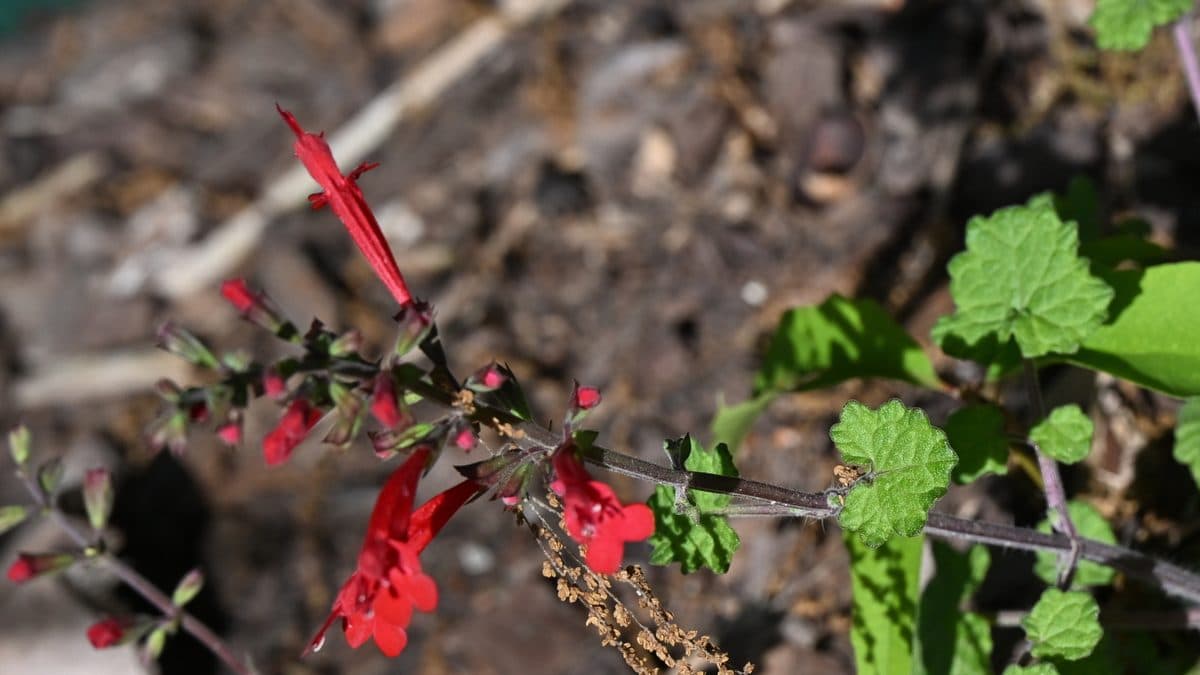
Georgetown soil is limestone-based. Alkaline, well-drained. Mealy Blue Sage has a clean upright form and blooms blue-purple spring through fall. Prairie Verbena is a low ground cover with purple flowers. Gulf Muhly gives you pink fall plumes. Cedar Sage thrives in rocky, shaded spots under live oaks. Texas Persimmon is a small ornamental tree with nice bark (native ranges per the Lady Bird Johnson Wildflower Center). All of them come from the city's eligible plant lists' native tier, which is what the program pays for.
Georgetown has many HOA communities: Sun City, Wolf Ranch, Cimarron Hills. The Texas Grown documentation can support your case when you talk to your board. A written plan with a plant list helps, and the program itself requires one anyway.
Apply early in the rebate year
The rebate year runs October 1 to September 15, and funds are first-come, first-served. Apply at the start of the fiscal year for the best chance. If your water comes from a different utility (parts of Williamson County are served by other providers), check which programs your own provider offers on the Texas rebates page instead.
Track this rebate step by step
The Pollinator Patch app walks the Georgetown application with you for free: pre-approval first, the letter-of-intent deadline on your timeline, and a photo locker that keeps your before photos, plan, and invoices together.
See the Georgetown program guide