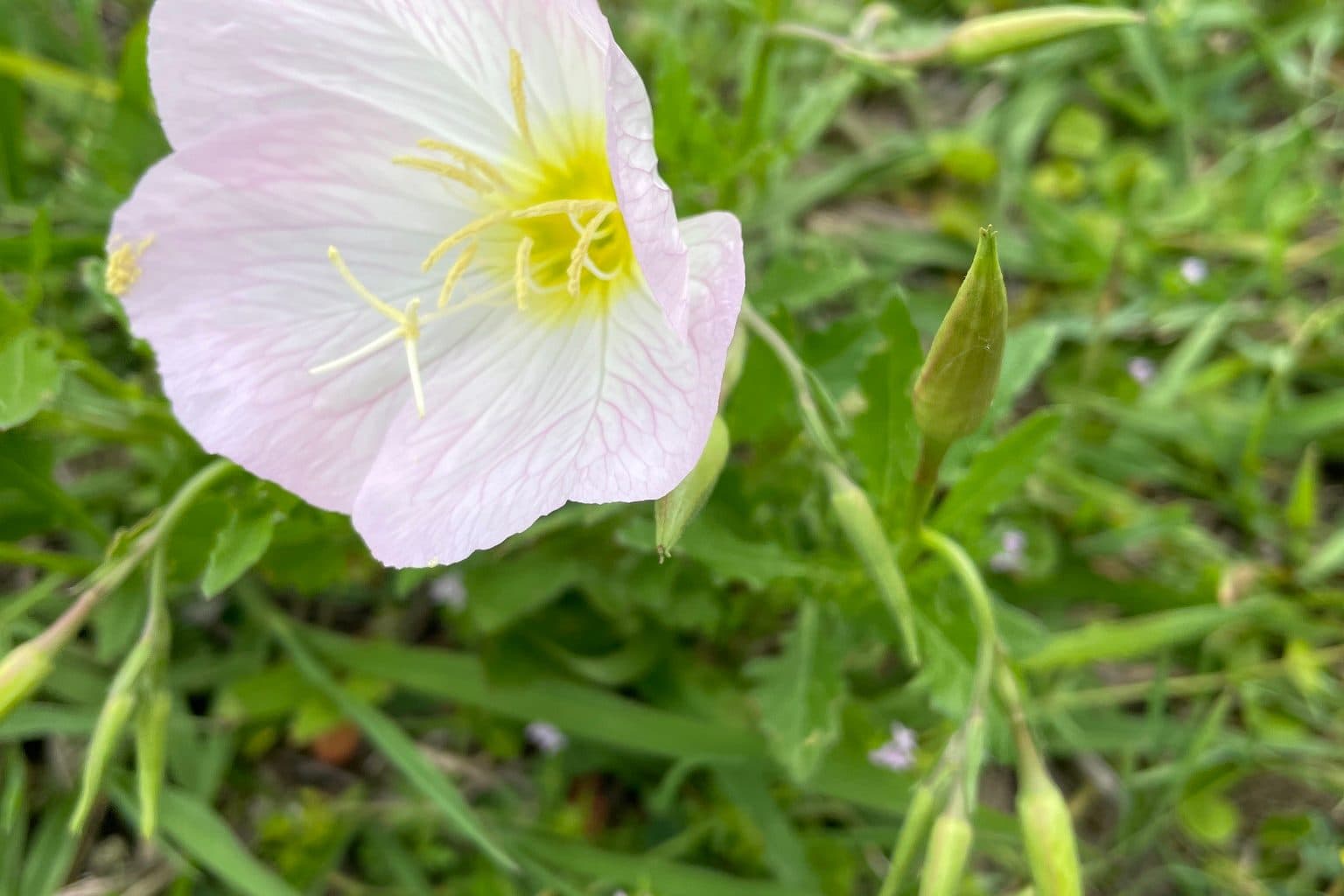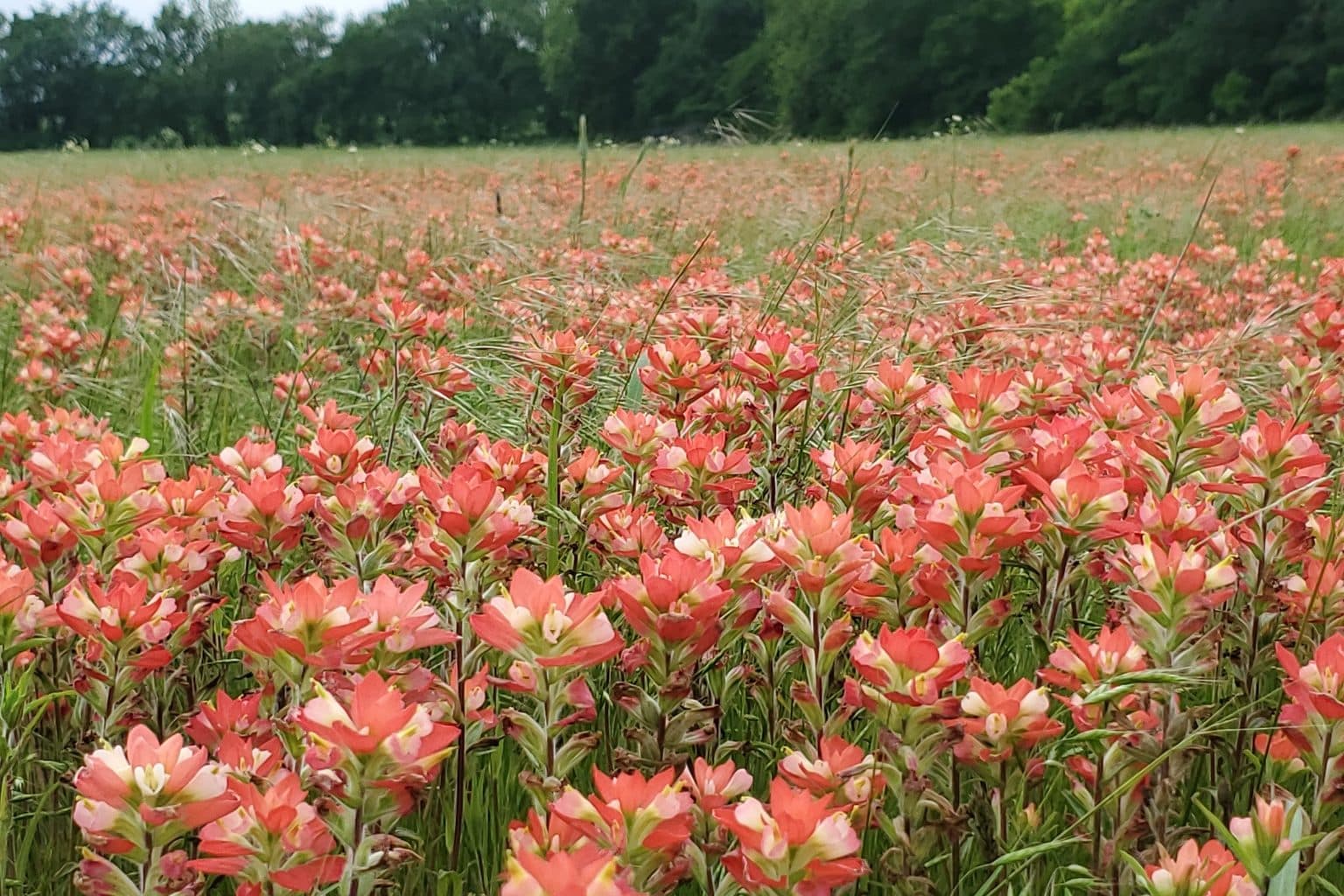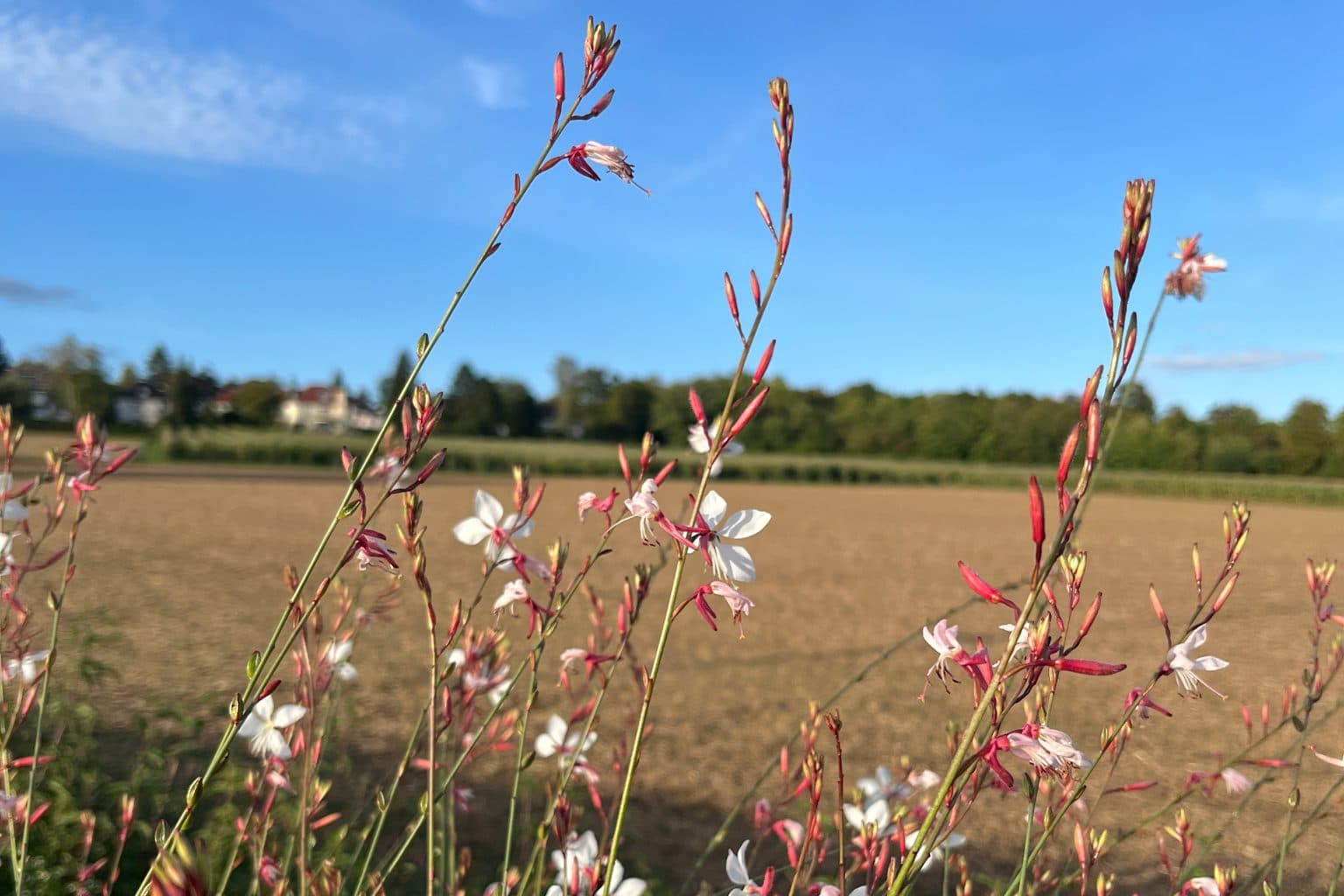
Quick answer: May is the last reliable planting window before Texas summer heat makes establishment very difficult for new transplants. The plants to focus on: Turk's Cap, Gregg's Mistflower, Rock Rose, and native Lantana. All are heat- and drought-tolerant once established, and all read as intentional and maintained to HOA eyes. Get them in the ground before June.
The Texas planting calendar has two windows that matter: early spring (February through April) and a narrow closing window in May. After June 1, soil temperatures in most of Texas climb above 90 degrees Fahrenheit and stay there through September. New transplants going into that heat face serious stress before their roots have time to establish. May is not a comfortable window, but it is a real one. These four plants can handle it.
All plants below are native to the Edwards Plateau and Hill Country ecoregion (San Antonio area), zones 7-9, as catalogued by the Lady Bird Johnson Wildflower Center.
Turk's Cap (Malvaviscus arboreus var. drummondii)
Turk's Cap is a workhorse for the Texas HOA yard. It grows 3-5 feet tall with a rounded, shrub-like habit that reads as structured and maintained. The flowers are red, tubular, and partially open (they never fully unfurl, which is where the name comes from). It blooms from late spring through fall, which is a longer bloom window than almost any other native in this region.
For HOA purposes, Turk's Cap has two things going for it. First, its form is tidy. It doesn't sprawl or flop, and it doesn't produce visible seed heads that can trigger "unkempt" citations. Second, it tolerates shade, which makes it useful in spots under trees where most typical HOA yard plants struggle.
Plant in May and water deeply every 3-4 days for the first six weeks. After that, established plants are drought-tolerant and should not need supplemental water except in extended dry spells.
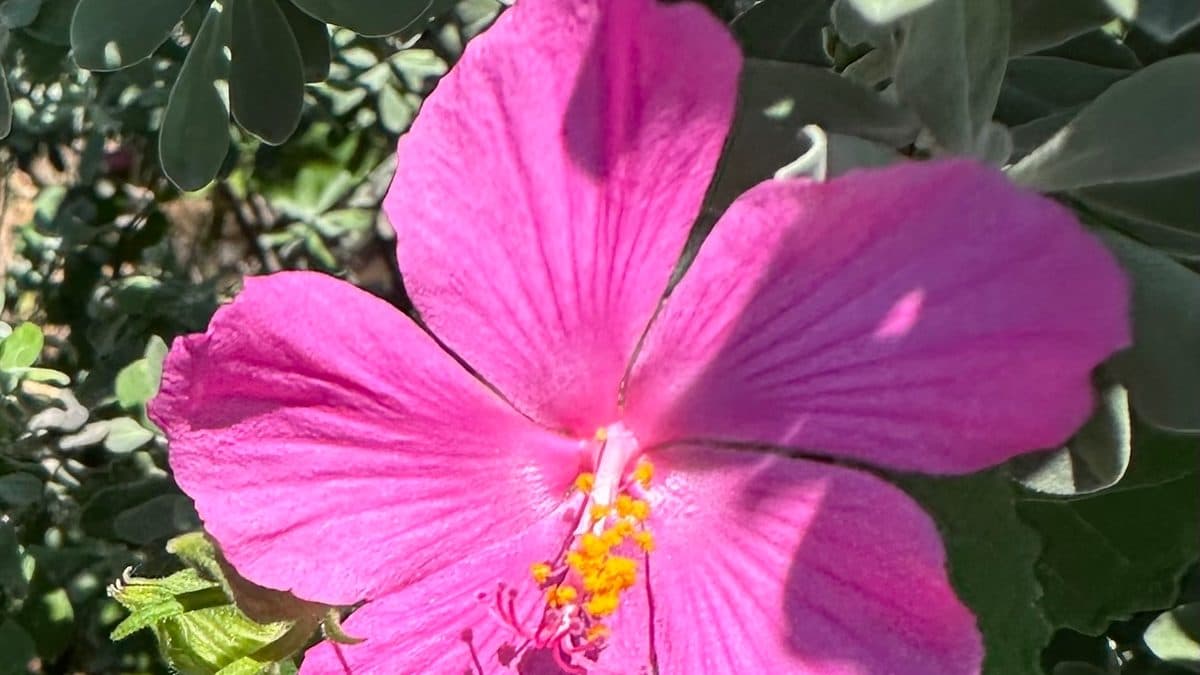
Rock Rose (Pavonia lasiopetala)
Rock Rose is a low-growing native shrub with soft pink flowers and a compact form that stays under 3 feet. It blooms from spring through fall and goes semi-dormant in winter. The pink flowers are small but numerous, and the plant has a clean, intentional look that doesn't read as wild or weedy.
It is one of the better choices for areas near the street or fence line where HOA visibility is highest. The low profile and continuous bloom make it look like a maintained flowering shrub, because it is one.
On mulch: this is not optional
For any plant going in the ground in May, lay 3-4 inches of mulch before the heat arrives. Mulch insulates roots, slows moisture evaporation, and can cut supplemental water needs by 50 percent or more in first-year plants. In Texas summer, that difference is the margin between a plant that survives and one that doesn't.
Gregg's Mistflower (Conoclinium greggii)
Gregg's Mistflower is a perennial that goes mostly dormant through Texas summer and comes alive in fall. If you plant it in May, you are planting for September and October, not June. That is worth understanding before you buy it.
The bloom is a blue-lavender cluster that appears from September through November and is one of the most reliable monarch and queen butterfly attractors in central Texas during fall migration, per the Lady Bird Johnson Wildflower Center. If you want to see monarchs in your yard during October, Gregg's Mistflower is one of the primary plants to have established before then.
For HOA yards, the plant stays low (12-18 inches) and the summer dormancy can make it look sparse. Plant it mid-border behind something that holds structure through summer, like Rock Rose. The fall payoff is real.
Native Lantana (Lantana urticoides or Lantana horrida)
Native Texas Lantana is a different plant from the ornamental hybrids sold at big-box stores. The native species is perennial, drought-tolerant, and produces yellow-orange flower clusters from spring through hard frost. It spreads low and wide, topping out at 2-3 feet with a sprawling habit that covers ground effectively.
One note for households with pets: native Lantana berries are toxic to dogs and cats per the ASPCA Animal Poison Control Center plant database (aspca.org). If you have free-roaming pets, keep that in mind when deciding where to site it or whether to include it at all.
For HOA optics, Lantana reads as a flowering ground cover, not a wildflower patch. The consistent bloom color and low profile help. It does get rangy if not cut back in late winter, so plan for one hard cut annually before new growth starts in February.
Watering new transplants through June
All four of these plants are drought-tolerant once established, but establishment takes 4-6 weeks and that window overlaps with summer heat if you are planting in May. The watering schedule for the first six weeks:
- •Water deeply every 3-4 days. Deep watering (slow soak for 20-30 minutes) encourages roots to go down rather than staying shallow.
- •Water in the morning, not midday. Midday water evaporates before it reaches roots in summer heat.
- •After 6 weeks, back off to once per week and watch the plant. Most of these natives do not want consistently wet soil long-term.
- •After the first full growing season, supplemental water should be minimal except in extended drought (3+ weeks without rain).
For more on what to plant in spring before the May window, see What to Plant in Texas Spring.
Plan your yard with Pollinator Patch
Get a planting plan matched to your Texas ecoregion, with HOA-friendly species sorted by bloom season and maintenance level.
Open the app