Quick answer: No. Under Florida Statute §720.3075 (opens in new tab), a homeowners association cannot prohibit a property owner from implementing Florida-Friendly Landscaping. "Florida-Friendly Landscaping" is defined in F.S. §373.185 (opens in new tab) as landscaping that conserves water, protects the environment, is adaptable to local conditions, and is drought tolerant. Your HOA can still require architectural review and reasonable aesthetic standards, but it cannot ban Florida-Friendly Landscaping outright.
Florida has more homes in HOAs than any other state. If you want a native or drought-tolerant front yard in one of them, the law is on your side. The catch is in the details, and "the details" is where a lot of homeowners get tripped up.
Two Florida statutes do most of the work here. One defines what Florida-Friendly Landscaping is. The other says your HOA cannot prohibit it. Together they protect your right to replace turf with natives, but they do not eliminate HOA oversight entirely.
Florida Statute §720.3075
This is the law that protects you. It has been on the books since 2009 and reads:
"Homeowners' association documents, including declarations of covenants, articles of incorporation, or bylaws, may not prohibit or be enforced so as to prohibit any property owner from implementing Florida-friendly landscaping, as defined in s. 373.185, on his or her land..."
Florida Statute §720.3075(4)
In plain English: if your project meets the legal definition of Florida-Friendly Landscaping, your HOA cannot prohibit it. This applies statewide, to every community in Florida that has an HOA.
Not sure where to start? Take the 1-minute yard quiz
Florida Statute §373.185: what counts as Florida-Friendly Landscaping
The protection only applies if your landscaping qualifies. F.S. §373.185 defines Florida-Friendly Landscaping as:
"Quality landscapes that conserve water, protect the environment, are adaptable to local conditions, and are drought tolerant."
Florida Statute §373.185
The statute lists the principles that count: right plant in the right place, efficient watering, appropriate fertilization, mulching, attracting wildlife, responsible pest management, recycling yard waste, reducing stormwater runoff, and waterfront protection. Any project built around these principles fits the legal definition.
The University of Florida's IFAS Extension runs the Florida-Friendly Landscaping™ (FFL) program, which is the state-recognized standard most HOAs already know. Framing your project as FFL gives the architectural review committee something familiar to evaluate rather than something to question.
What your HOA can still require
Here is where homeowners often get caught off guard. F.S. §720.3075 prohibits a flat ban on Florida-Friendly Landscaping, but it does not eliminate architectural review. Your HOA can still require:
- Pre-approval through the architectural review committee before you plant
- Reasonable aesthetic standards (clean edges, mulched beds, maintained appearance)
- Plant height limits near sidewalks, streets, or sight lines
- Rules about structures like raised beds, trellises, or decorative elements
- Setback requirements from property lines
- A specific list of "right plant, right place" species suited to the community
The distinction matters. Your HOA can require your yard to look maintained and intentional. It cannot require that it look like a conventional turf lawn.
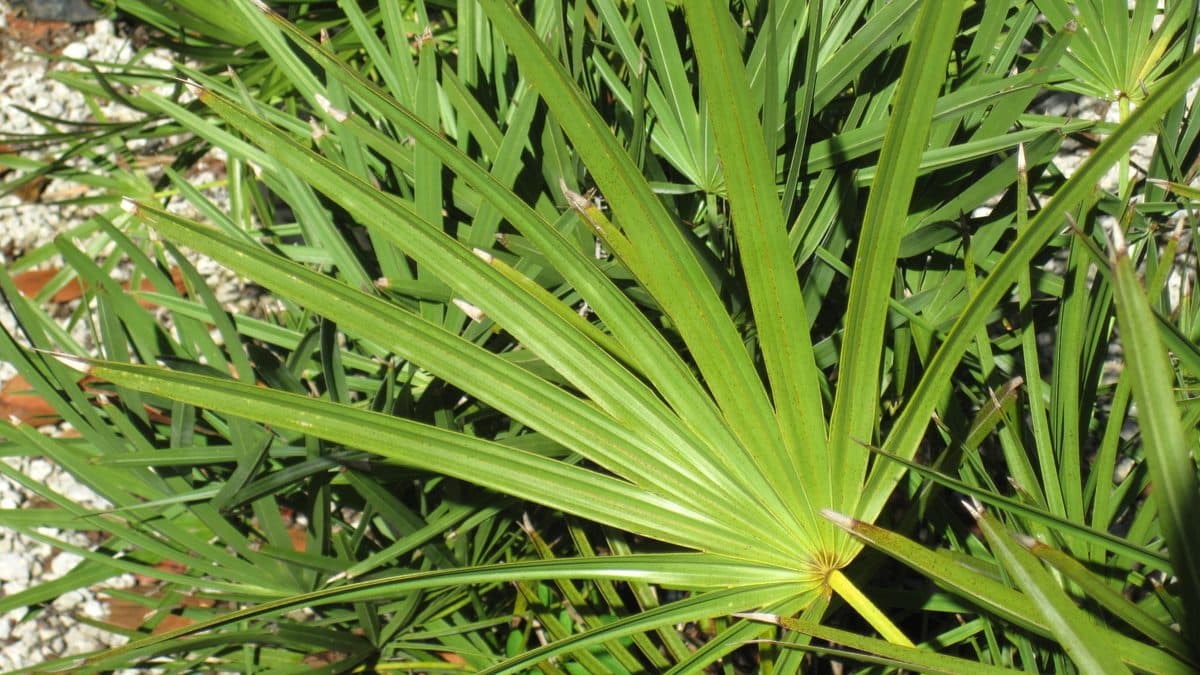
On top of that, several Florida water management districts and utilities will pay you to make the switch. The St. Johns River Water Management District, Southwest Florida Water Management District (SWFWMD), and city utilities in Orlando and Tampa offer turf-replacement and Florida-Friendly rebates. See current Florida rebate programs by city before you start planning.
How to get HOA approval for Florida-Friendly Landscaping
The strongest approach is to submit a plan before you plant. Architectural review committees respond better when they can see what you're doing instead of guessing. Here is the sequence that works:
- Read your CC&Rs first. Find the architectural review section and note what a submission must include and who decides. F.S. §720.3075 protects what you plant, not the right to skip review.
- Build a labeled plan. A plant list with common and scientific names, a simple layout showing bed shapes and plant placement, and a maintenance schedule covering edging, mulch refresh, and seasonal cutback.
- Frame it as Florida-Friendly Landscaping. Add a one-paragraph statement that references the UF/IFAS Florida-Friendly Landscaping program and F.S. §720.3075 by name. Naming the statute signals that you know the law and gives the committee a familiar standard to apply.
- Submit in writing and keep the record. An email or portal submission beats a hallway conversation. If the committee asks for changes, respond to each point in writing with a revised plan.
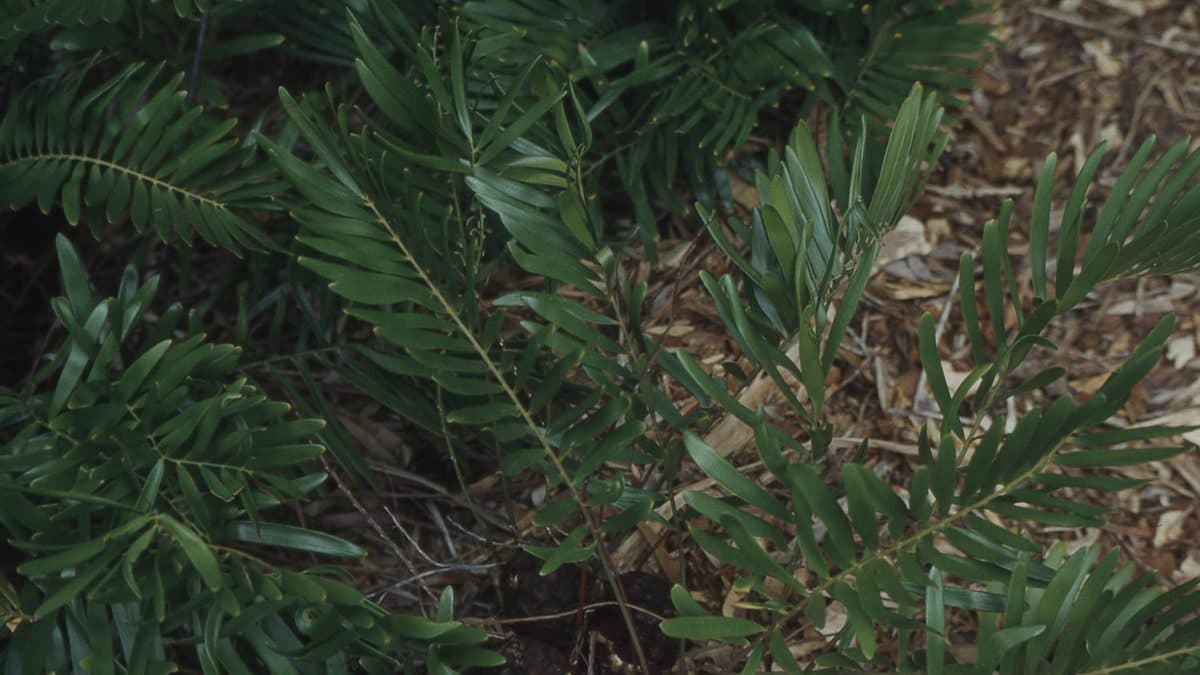
The full submission process is in our step-by-step guide to getting HOA approval for native landscaping. For specific HOA-conscious plant picks across Florida ecoregions, see our guide to native landscaping in Florida.
Common pushback tactics (and how to respond)
"Your CC&Rs require turf grass"
A CC&R provision that effectively requires turf is unenforceable under F.S. §720.3075 if your alternative qualifies as Florida-Friendly Landscaping. Cite the statute in writing and ask the board to identify which specific enforceable rule your design violates.
"It doesn't match the community aesthetic"
The HOA can apply aesthetic standards, but those standards have to be applied consistently and cannot serve as a backdoor ban on Florida-Friendly Landscaping. If the standard is vague ("must look like a traditional Florida lawn"), ask for specifics in writing. If a specific concern is identified (edge definition, mulch type, height), address it with a revised plan.
"We don't allow that on the approved plant list"
HOAs can maintain approved plant lists, but those lists cannot exclude Florida-Friendly species so broadly that they effectively prohibit FFL. If a species you want is missing, ask the board to add it under the FFL standard rather than rejecting your project outright.
When to involve a lawyer
Most situations do not require legal help. Cite the statute in writing, submit a clear plan, address specific aesthetic concerns. Consider talking to a Florida real estate or HOA attorney if:
- Your HOA is fining you after you have cited F.S. §720.3075 in writing
- They are threatening a lien on your property
- You submitted a plan, addressed visual concerns, and they are still rejecting without citing a specific enforceable provision
A real estate attorney who handles HOA disputes can usually resolve this with one letter. It is worth one consultation before assuming you have to comply.
This is not legal advice.
We are a gardening app, not lawyers. This post summarizes publicly available Florida law as of 2026. Your HOA's specific CC&Rs, your county's ordinances, and your situation are all unique. If you are facing fines or legal threats, talk to a Florida real estate attorney in your area. Statute text current as of the 2025 Florida Statutes published by the Florida Senate.
People also ask
Can a Florida HOA fine you for having native plants?
Not for using native plants in itself, no. F.S. §720.3075 protects your right to plant Florida-Friendly Landscaping, which includes native species when planted under FFL principles. An HOA can fine you for failing to meet legitimate maintenance standards (overgrowth, dead material, missing edge definition) regardless of plant type, but it cannot fine you specifically for choosing natives over turf.
Does Florida-Friendly Landscaping have to be 100% native?
No. F.S. §373.185 defines Florida-Friendly Landscaping by its function (conserving water, protecting the environment, adaptable to local conditions, drought tolerant), not by native status alone. Many Florida-Friendly designs combine Florida native plants with non-native species that meet the same drought-tolerance criteria. Both qualify for §720.3075 protection.
What is the difference between Florida-Friendly and Florida native?
"Florida native" means a species that occurred naturally in Florida before European settlement. "Florida-Friendly" is the broader legal and program category in F.S. §373.185 that includes natives plus other drought-tolerant species adapted to Florida conditions. All Florida natives are Florida-Friendly. Not all Florida-Friendly plants are native.
Can my HOA require me to use sod?
A blanket requirement that every front yard be sodded with turf grass conflicts with F.S. §720.3075 because it effectively prohibits Florida-Friendly Landscaping alternatives. An HOA can require maintained ground cover and clear edges, but it cannot require the specific medium (turf sod) to the exclusion of FFL options.
Do you need HOA approval before installing Florida-Friendly Landscaping?
Usually, yes. If your CC&Rs require architectural review for landscaping changes, that requirement still stands. F.S. §720.3075 protects the kind of landscaping you choose, it does not waive the review process. Submit your plan first, get the decision in writing, then plant.
Does the law apply to condominium associations?
F.S. §720.3075 specifically governs homeowners associations under Chapter 720. Condominium associations are governed by Chapter 718 and have different rules about common-area landscaping. If you live in a condo and want to plant in a private area you control, talk to your association and a Florida attorney about which chapter applies.
Are there rebates for converting turf in Florida?
Yes. Several water management districts and city utilities offer rebates for turf removal and Florida-Friendly landscaping installation. Orange County Utilities, the St. Johns River Water Management District, SWFWMD's WISE Program in the Tampa Bay region, and OUC in Orlando are among the more active programs. See current Florida rebate programs by city for amounts and eligibility.