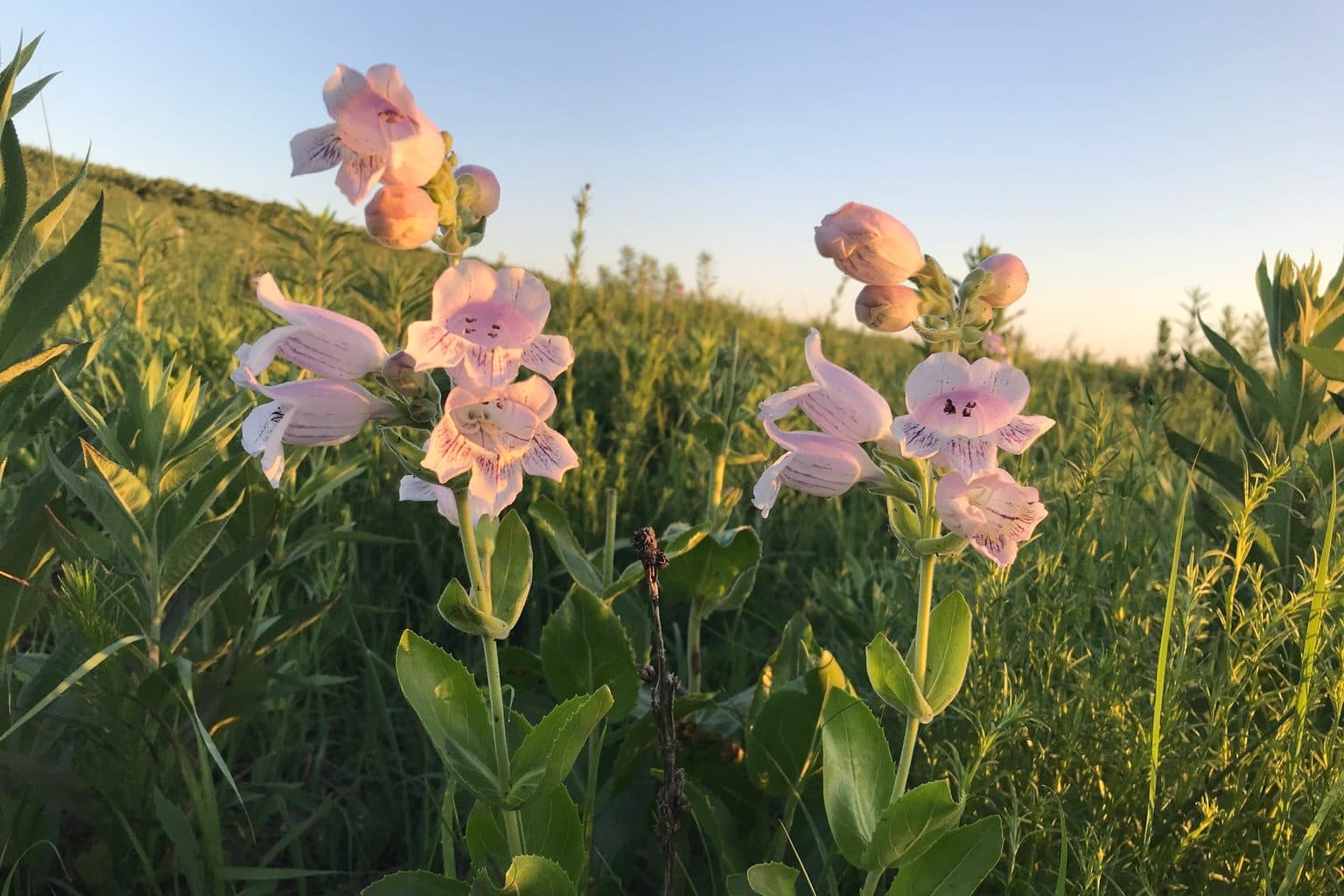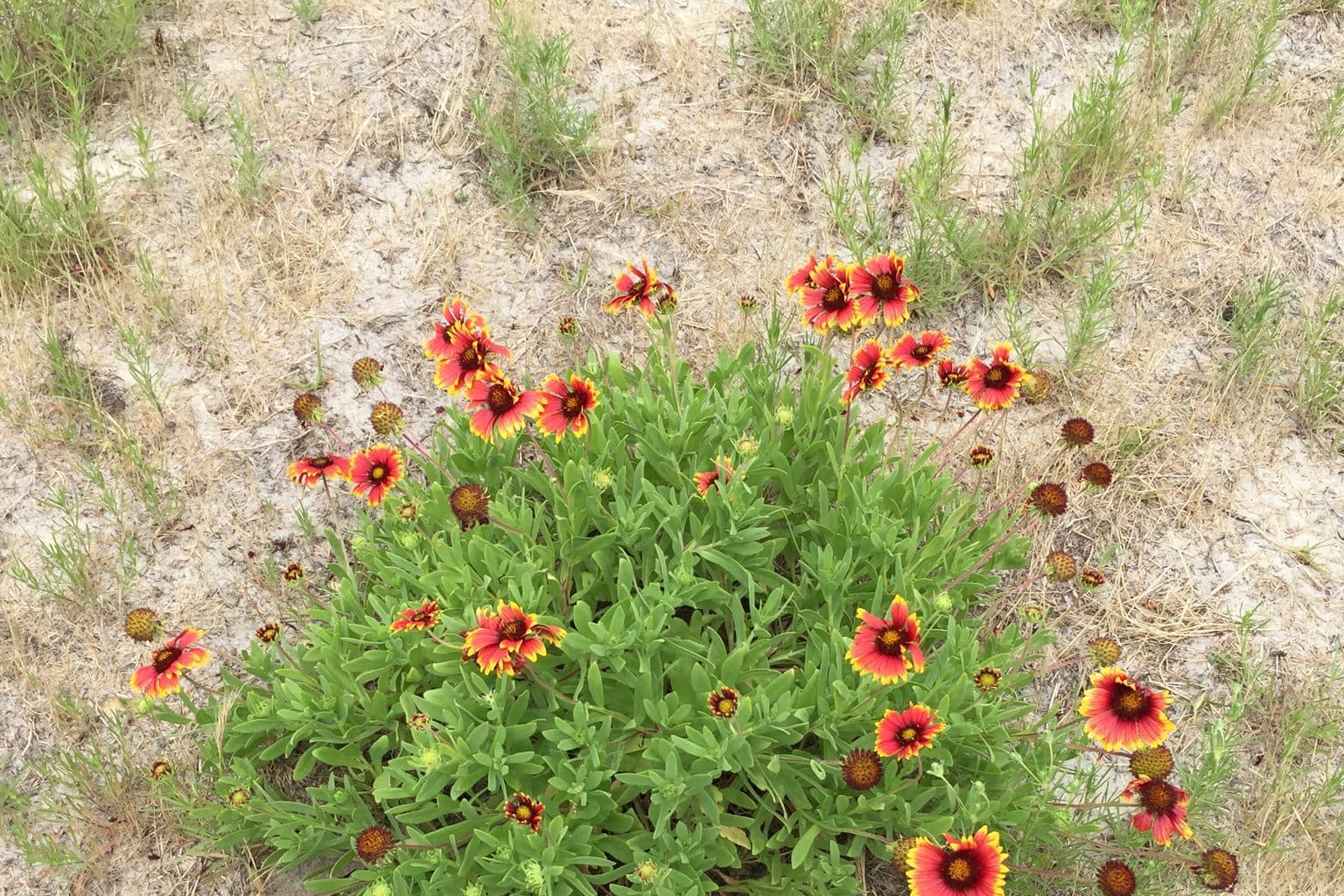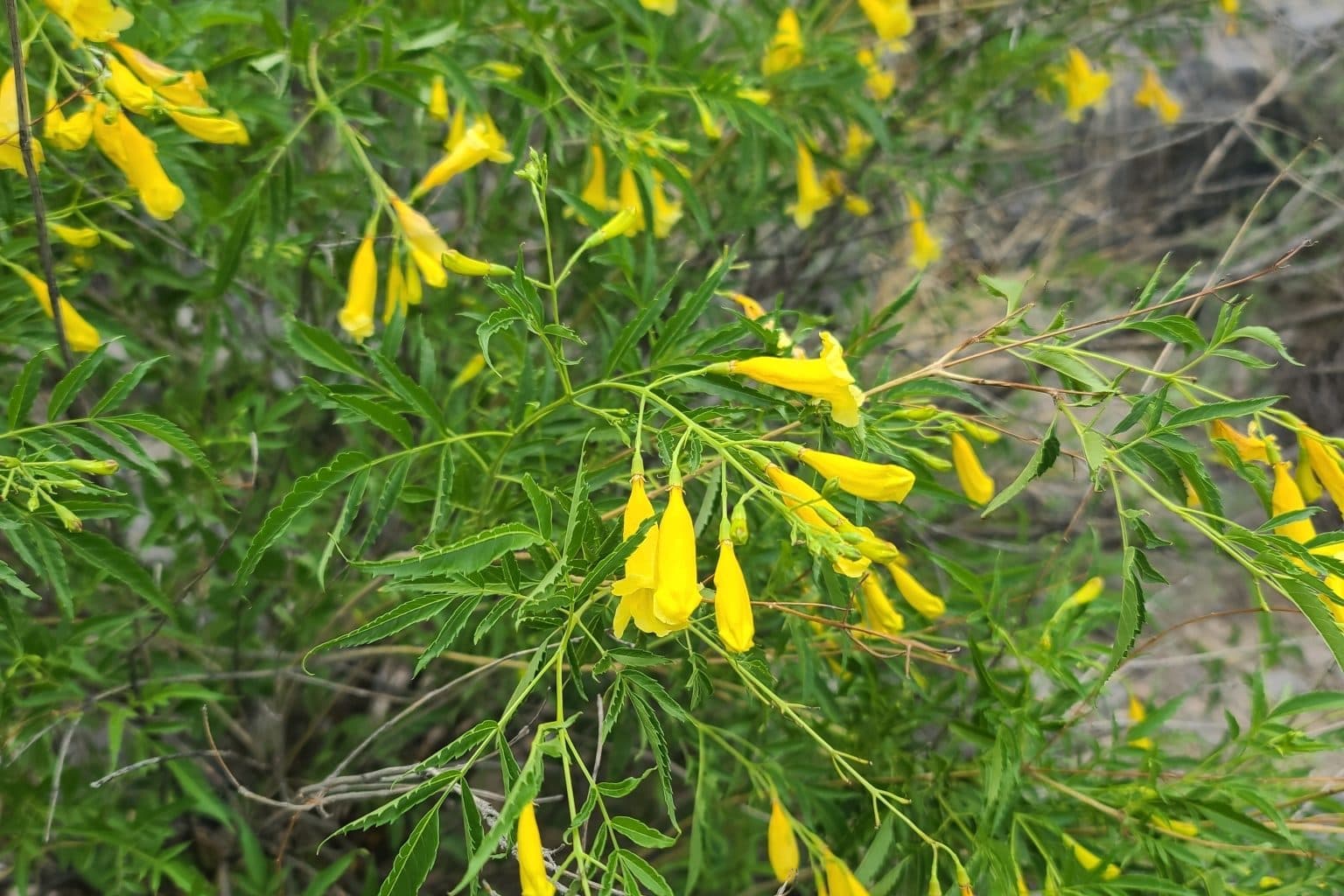
Native bees, butterflies, and hummingbirds don't exist uniformly across Texas. Each ecoregion has its own pollinator community shaped by local climate, soil, and plant evolution over thousands of years. A garden designed to attract Blackland Prairie pollinators in Dallas will look different from one designed for the Hill Country in Austin, even if both use Texas native plants.
This guide covers what pollinators are most common in each of Texas's five major ecoregions and which native plants give them the host and nectar resources they actually need.
Why ecoregion matters for pollinators
Pollinators evolved alongside specific plant communities. Many native bee species have specialist relationships with particular plant families: they can only collect pollen from certain flowers whose shapes match their body size or whose pollen proteins they can digest. A garden full of plants from the wrong ecoregion may provide nectar but not the specific host and pollen resources that native bees in your area depend on.
Butterflies are even more specialized. Many species require specific larval host plants to complete their life cycle. Monarch caterpillars eat only milkweed. Giant Swallowtail larvae feed only on members of the rue family. No host plant means no caterpillars, regardless of how many nectar flowers you grow.
The practical implication: a plant list that matches your ecoregion will attract more pollinators than the same number of plants from outside your region, even if both sets are technically "Texas native." For more on this principle, see the Ecoregions guide.
Edwards Plateau (Hill Country: Austin, San Antonio, Kerrville)
The Edwards Plateau is characterized by thin limestone soil, cedar-oak savanna, and a distinct rainfall gradient from east to west. It's one of the most biodiverse ecoregions in North America and hosts a particularly rich native bee fauna.
Flagship pollinators: Texas Carpenter Bee (one of the largest native bees, important for "buzz pollination" of native plants), various Megachile (leafcutter bee) species, Black-chinned Hummingbird (summer resident), and the Queen butterfly.
Best native plants: Texas Sage (Cenizo) blooms after rain and feeds many native bees. Flame Acanthus is a hummingbird magnet from summer through frost. Turk's Cap flowers for months and sustains multiple pollinator species. Mountain Laurel provides early-season pollen for queens of native bee colonies emerging in late winter. Texas Persimmon hosts many species from fruit to insects.
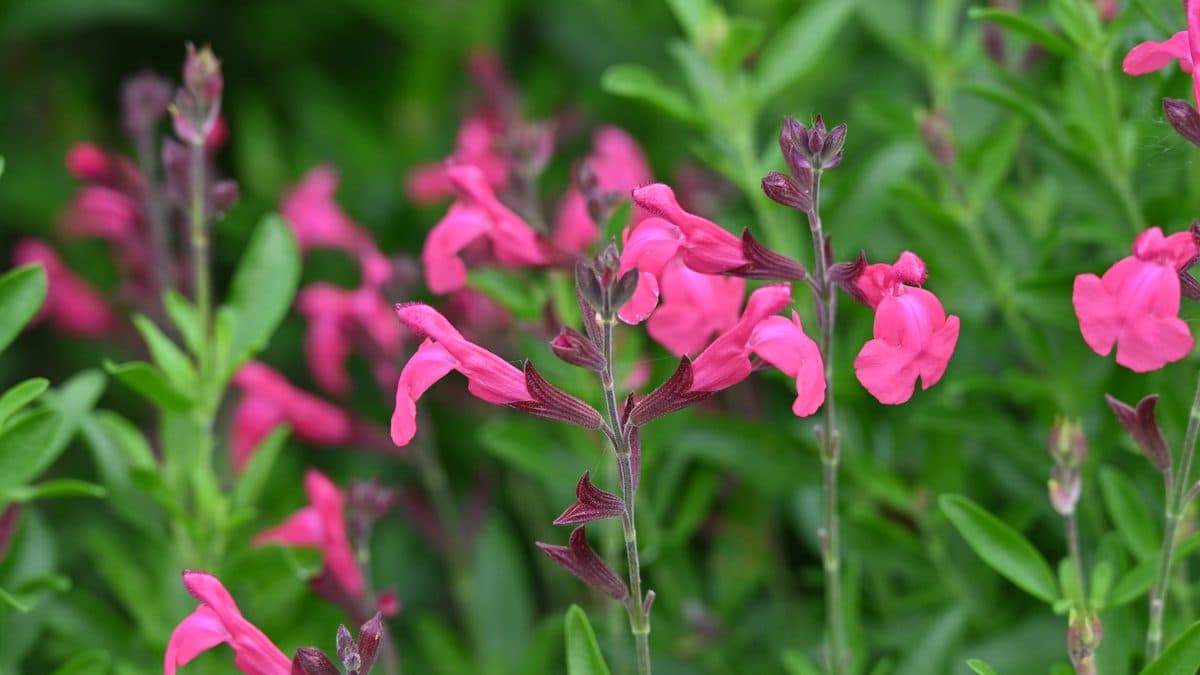
HOA-conscious choices: Mealy Blue Sage (Salvia farinacea) stays under 3 feet, blooms prolifically, and is widely accepted by HOA communities throughout the region. Autumn Sage (Salvia greggii) is compact, long-blooming, and available in red, pink, and coral forms.
Blackland Prairie (Dallas, Fort Worth, Waco, College Station corridor)
The Blackland Prairie is defined by its heavy, self-sealing clay soil and historically tall-grass prairie plant communities. Most of the original prairie has been converted to agriculture, but native plant gardens in this region can recreate fragments of that grassland habitat.
Flagship pollinators: Bumble bees (multiple species, important generalists), American Lady butterfly, Painted Lady butterfly, Monarchs during both spring and fall migration, and several specialist solitary bee species associated with prairie composites.
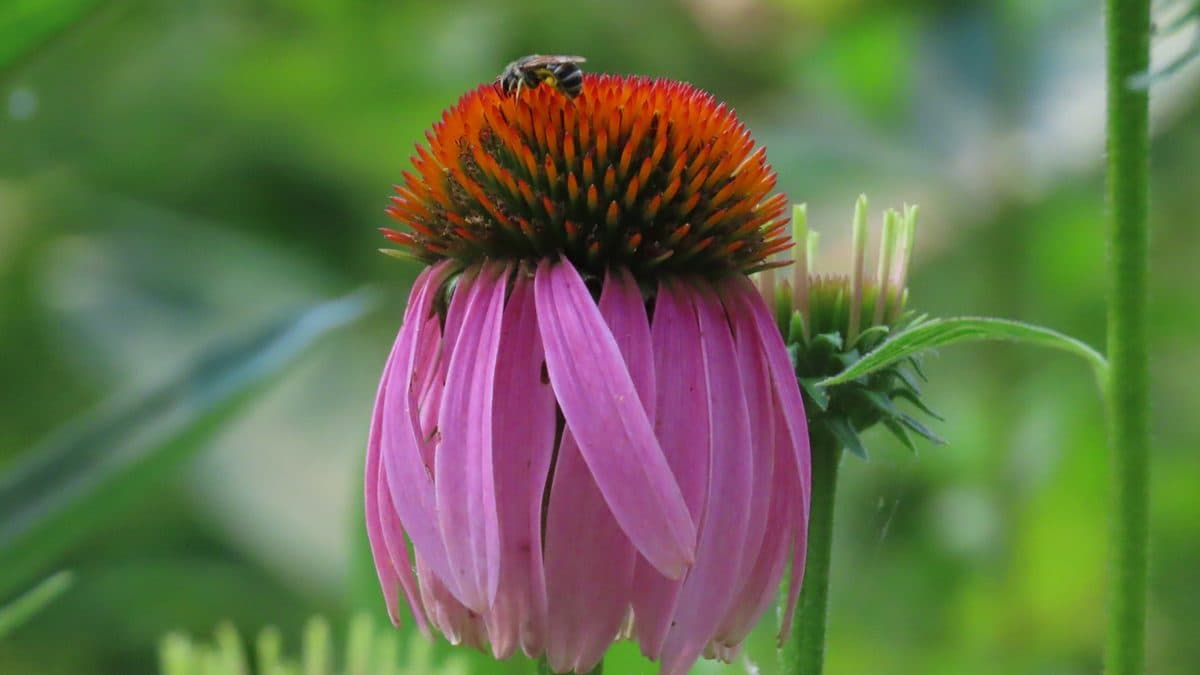
Best native plants: Purple Coneflower (Echinacea purpurea) is a foundational prairie species and one of the best bumblebee plants in this region. Black-eyed Susan (Rudbeckia hirta) blooms generously and hosts many small native bees. Little Bluestem grass provides caterpillar habitat for several butterfly species and winter seed for birds. Butterfly Weed (Asclepias tuberosa) is an essential Monarch host plant and works well in clay soil once established.
HOA-conscious choices: Gulf Muhly grass turns burgundy-pink in fall and stays under 4 feet. Black-eyed Susan has a tidy bloom habit and is widely recognized as a garden plant rather than a weed. Prairie Verbena grows low and spreading, filling spaces cleanly between taller plants.
Piney Woods (East Texas: Nacogdoches, Lufkin, Tyler)
East Texas's Piney Woods has a humid subtropical climate and acidic, sandy soils very different from the rest of the state. Gardening here means working with different soil chemistry and significantly higher rainfall than central or west Texas.
Flagship pollinators: Eastern Bumble Bee, Spicebush Swallowtail butterfly, Pipevine Swallowtail, and hummingbirds during migration. The region also hosts several specialist bees associated with azalea and blueberry family plants.
Best native plants: Coral Honeysuckle (Lonicera sempervirens) feeds hummingbirds reliably and works on fences and trellises. Wild Azalea provides spectacular early spring bloom and supports specialist native bee species. Cardinal Flower (Lobelia cardinalis) is outstanding for hummingbirds in moist or periodically wet spots. Wild Columbine (Aquilegia canadensis) works in shade and attracts hummingbirds plus native bees.
HOA-conscious choices: Coral Honeysuckle on a trellis or fence reads as intentional landscaping rather than wild growth. Louisiana Iris works in rain gardens and wet spots and is recognizable as a cultivated iris type. Inland Sea Oats provides graceful structure under tree canopies.
South Texas Plains (San Antonio south through the Rio Grande Valley)
The South Texas Plains transition from subtropical thornbush in the north to subtropical thornscrub near the Rio Grande. This region has some of the highest butterfly diversity in North America, particularly in the Valley, and hosts species not found elsewhere in the United States.
Flagship pollinators: Queen butterfly, Bordered Patch butterfly, Cloudless Sulphur, White-striped Longtail skipper, and several neotropical butterfly species that occasionally move north into the region. Native bees here include several species adapted to the long, hot flowering season.
Best native plants: Guajillo (Acacia berlandieri) is a primary honey plant and native bee resource throughout the region. Texas Ebony provides structure and habitat. Esperanza (Tecoma stans) blooms from spring through frost and is one of the best Queen butterfly nectar plants. Mexican Olive (Cordia boissieri) feeds many species and is widely available at South Texas nurseries.
HOA-conscious choices: Esperanza is available in compact forms and is widely planted in HOA communities throughout San Antonio and south. Turk's Cap stays compact in shadier spots and blooms for months. Blackfoot Daisy is a well-known landscape plant in the region and faces minimal HOA scrutiny.
Trans-Pecos (El Paso, Big Bend, Alpine, Marfa)
The Trans-Pecos is Texas's driest ecoregion, with Chihuahuan Desert conditions in the lowlands and cooler montane habitats in the mountains above 5,000 feet. Gardening here requires plants that thrive on minimal water and can handle extreme temperature swings.
Flagship pollinators: Several specialist desert bee species, Black-chinned Hummingbird and Broad-tailed Hummingbird (higher elevation areas), and White-lined Sphinx moth (pollinates many desert plants at dusk). Migration corridors through this region bring Monarchs in September and October.
Best native plants: Desert Willow (Chilopsis linearis) blooms for months and is exceptional for hummingbirds and native bees. Ocotillo provides structural interest and feeds hummingbirds during spring migration when it blooms. Autumn Sage (Salvia greggii) is native to this region and performs beautifully in desert conditions. Agave species provide decades of structural interest and bloom once spectacularly before dying.
HOA-conscious choices: Desert Willow is a recognized garden tree that reads as an intentional landscape choice. Autumn Sage is compact and widely available. Perennial wildflowers like Blackfoot Daisy and Desert Marigold (Baileya multiradiata) provide color and are recognizable as tended plants.
Designing for your ecoregion's pollinators
Three principles apply across all Texas ecoregions:
- Stagger bloom times. Aim for something in flower from early spring through late fall. Pollinators need nectar and pollen across the season, not just during peak summer.
- Include host plants, not just nectar plants. A Monarch needs milkweed to complete its life cycle. A Giant Swallowtail needs Wafer Ash or other rue family plants. Nectar-only gardens attract visitors; host plants support reproduction.
- Leave some structure over winter. Hollow stems house native bee larvae. Seed heads feed birds. Leaf litter shelters pupating butterflies. An HOA-conscious version of this means trimming the most visible parts while leaving inner sections intact through winter, then cutting back in early spring when new growth appears.
Pollinator Patch filters plants by ecoregion alongside HOA-conscious height, pet safety, and other criteria. Use the Explore tab to narrow your list to plants native to your specific region rather than to "Texas" as a whole.