Every yard has at least one. That patch where grass won't grow, where you've tried mulch, seed, sod, and nothing sticks. It's too shady, too dry, too wet, or the soil is just wrong. You've accepted it as a dead zone.
But here's what most people don't realize: the problem isn't the spot. The problem is that traditional lawn grass and common landscaping plants aren't adapted to those conditions. Native plants often are.
Diagnosing your dead zone
Before choosing plants, figure out what's actually happening in that spot. Dead zones usually have one or more of these problems:
Too much shade
Under large trees, between buildings, or on the north side of the house. The area gets fewer than 3 hours of direct sun per day.
Signs: Thin, patchy grass. Moss growing. Soil stays damp. Lawn thins more each year.
Too dry
South or west-facing slopes, areas under roof overhangs, or spots with sandy or rocky soil that doesn't hold moisture.
Signs: Soil cracks in summer. Plants wilt quickly. Water runs off rather than soaking in.
Too wet
Low spots where water collects, near downspouts, or areas with clay soil and poor drainage.
Signs: Standing water after rain. Soil stays soggy for days. Root rot kills conventional plants.
Compacted or poor soil
Former construction zones, high-traffic areas, or spots where topsoil was removed during building.
Signs: Hard, dense soil. Water pools on the surface. Seeds don't germinate. Even weeds struggle.
Many dead zones have overlapping problems: dry shade under a big tree, or wet clay in a low corner. That's okay. Native plants have had thousands of years to adapt to exactly these combinations.
Native plants for shade
Shade is the most common dead zone problem, especially in established neighborhoods with mature trees. These natives all grow wild together in the Western Allegheny Plateau (Pittsburgh area) and across much of the eastern US (USDA PLANTS Database). They handle part to full shade:
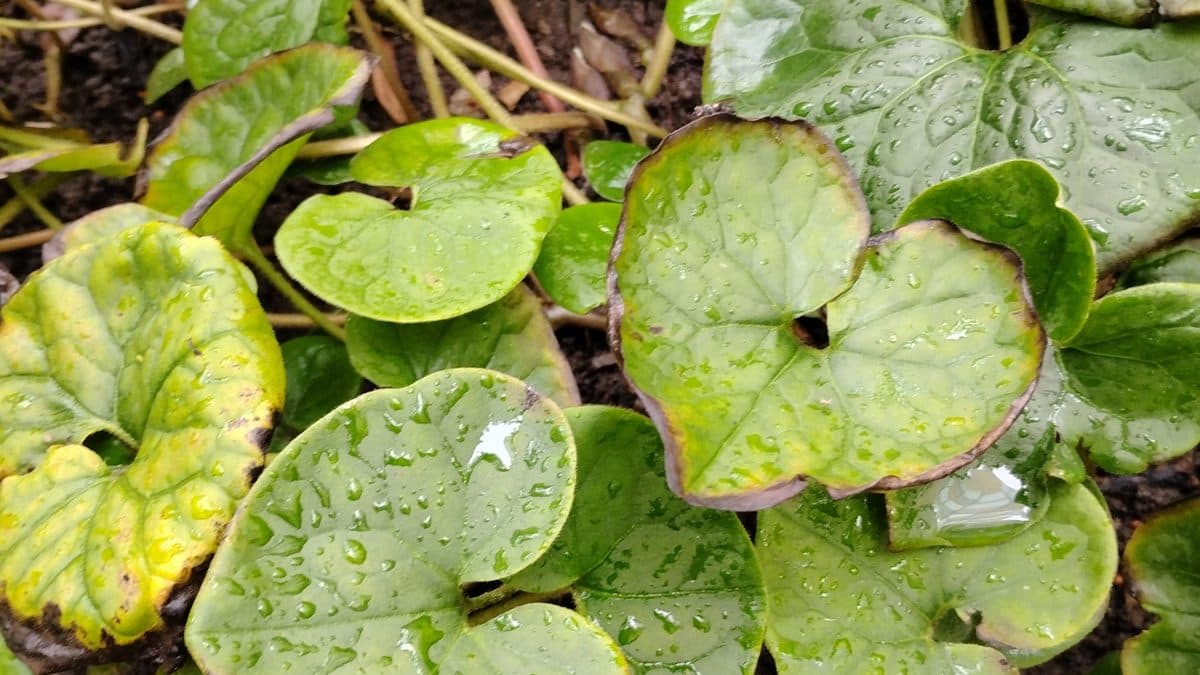
- Wild Ginger (Asarum canadense): low groundcover, heart-shaped leaves, thrives in deep shade
- Columbine (Aquilegia canadensis): delicate red-yellow flowers, handles dry shade once established
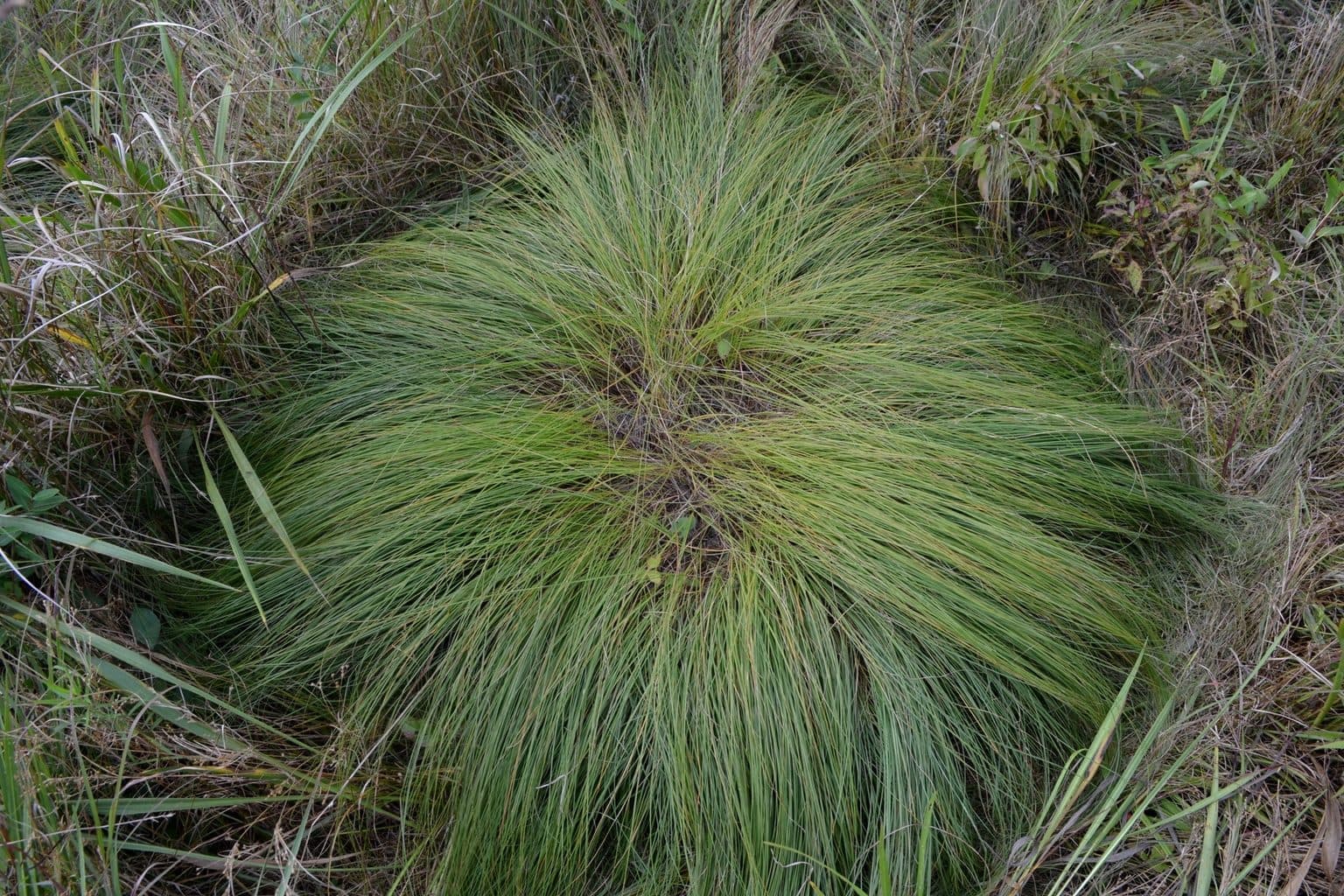
- Pennsylvania Sedge (Carex pensylvanica): grass-like, forms a dense mat, excellent lawn substitute for shade
- Coral Bells (Heuchera americana): neat rosettes, attractive foliage, semi-evergreen
- Blue Phlox (Phlox divaricata): spring bloomer, spreads gently, soft blue flowers
Native plants for dry conditions
Hot, dry spots that bake in summer are tough for conventional landscaping but natural habitat for many prairie and savanna natives. All five below are native to the Central Corn Belt Plains (Chicago area), per the USDA PLANTS Database:
- Butterfly Weed (Asclepias tuberosa): bright orange, thrives in poor, dry soil
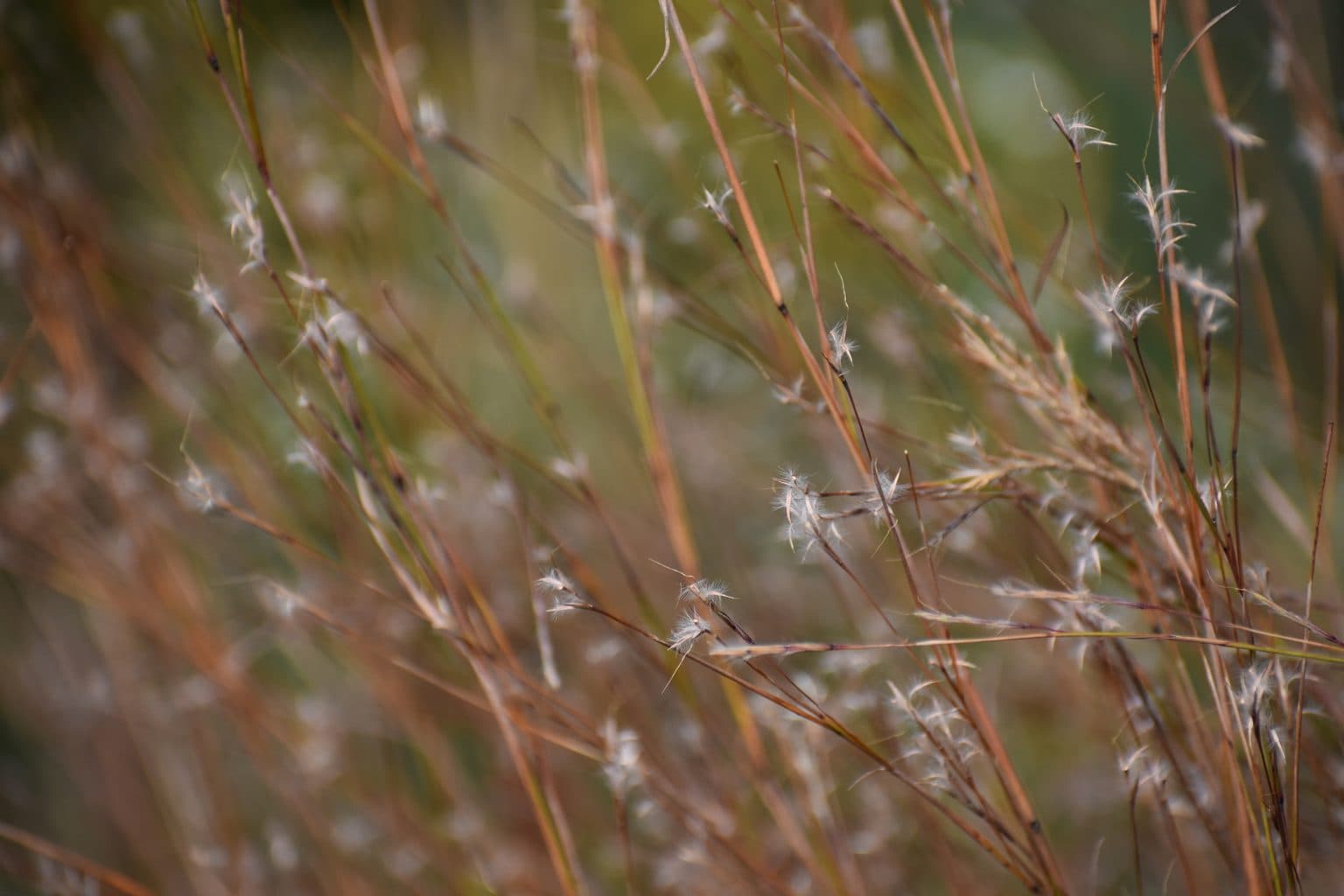
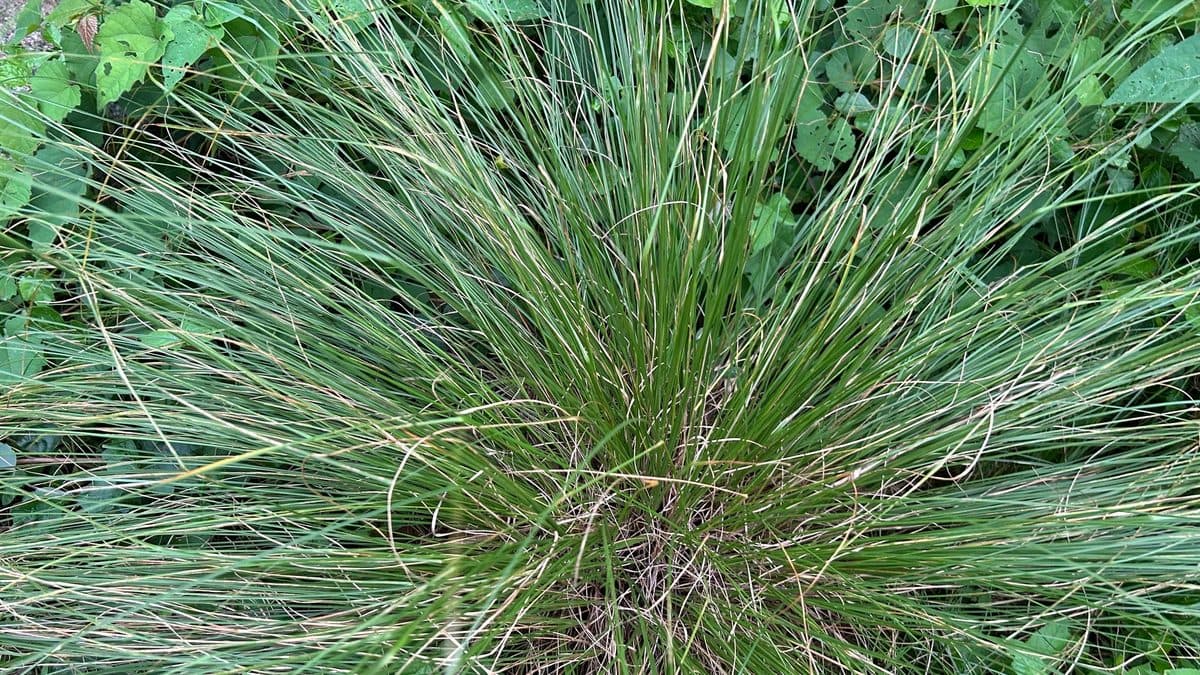
- Little Bluestem (Schizachyrium scoparium): ornamental grass, blue-green in summer, copper in fall
- Black-eyed Susan (Rudbeckia hirta): drought tolerant once established, cheerful yellow blooms
- Prairie Dropseed (Sporobolus heterolepis): elegant grass, fragrant when blooming, extremely drought tolerant
- Prickly Pear (Opuntia humifusa): eastern native cactus, handles the driest, hottest spots
Native plants for wet areas
Low spots and poor-drainage areas that kill most plants are exactly where some beautiful natives feel at home. All five below are native to the Southern Michigan and Northern Indiana Drift Plains (Detroit area), per the USDA PLANTS Database:
- Swamp Milkweed (Asclepias incarnata): pink flowers, upright form, monarch host plant
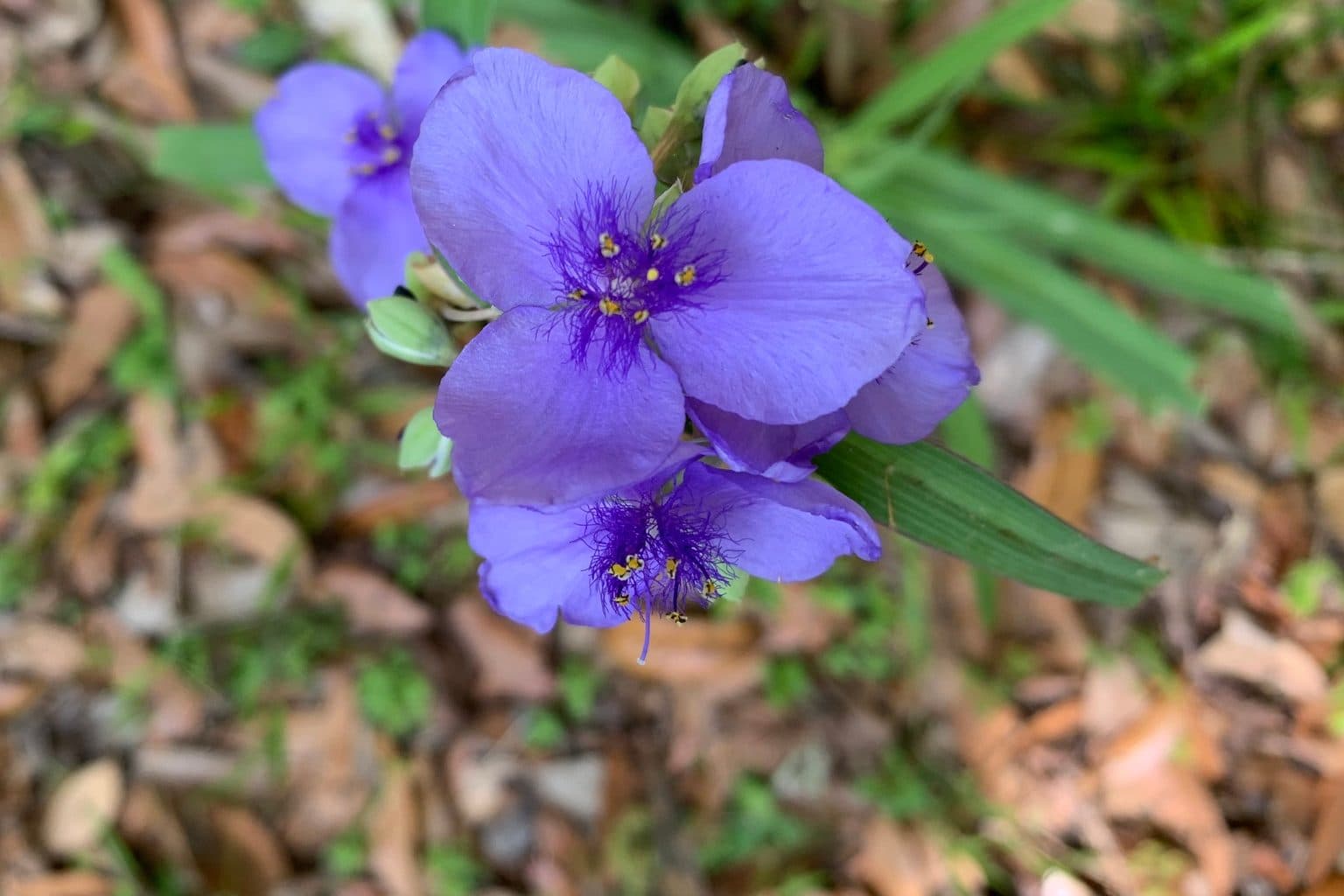
- Blue Flag Iris (Iris versicolor): striking purple-blue flowers, handles standing water
- Cardinal Flower (Lobelia cardinalis): brilliant red spikes, hummingbird magnet
- Soft Rush (Juncus effusus): evergreen, structural, handles wet to seasonally flooded spots
- Joe-Pye Weed (Eutrochium purpureum): tall, majestic pink-purple blooms, handles clay and moisture
Designing a dead zone planting
Converting a dead zone into a native planting doesn't need to be complicated. A few principles keep it looking intentional:
- Define the area: use a clean edge (even just a mulch line) to frame the planting as a deliberate bed, not a patch of neglect
- Start with 3–5 species: too many species in a small area looks chaotic. A few species repeated in groups of three looks designed.
- Layer by height: groundcovers in front, medium plants in the middle, taller species in back (if against a wall or fence)
- Mulch between plants: 2–3 inches of hardwood mulch fills gaps while plants establish and signals active care
- Give it time: most native plantings look sparse in year one, good in year two, and great by year three. Water during the first growing season to help roots establish.
Why starting with a dead zone is smart
If you've been curious about native landscaping but didn't want to commit to a full yard conversion, a dead zone is the perfect starting point:
- Low risk: nothing was growing there anyway, so there's nothing to lose
- Clear improvement: going from bare dirt to a planted bed is an obvious visual upgrade
- Contained scope: you're working with one area, not redesigning your whole yard
- Fast learning: you'll discover what works in your conditions without a large investment
- Good for your HOA standing: filling a bare or weedy spot with intentional plantings improves curb appeal
Once you see a dead zone come to life with native plants, and butterflies start visiting, the motivation to expand to other areas comes naturally.
Ready to fix your yard's dead zone?
Pollinator Patch helps you find native plants that thrive in your specific conditions (shade, drought, wet soil, and everything in between) with an HOA-conscious layout that looks intentional.