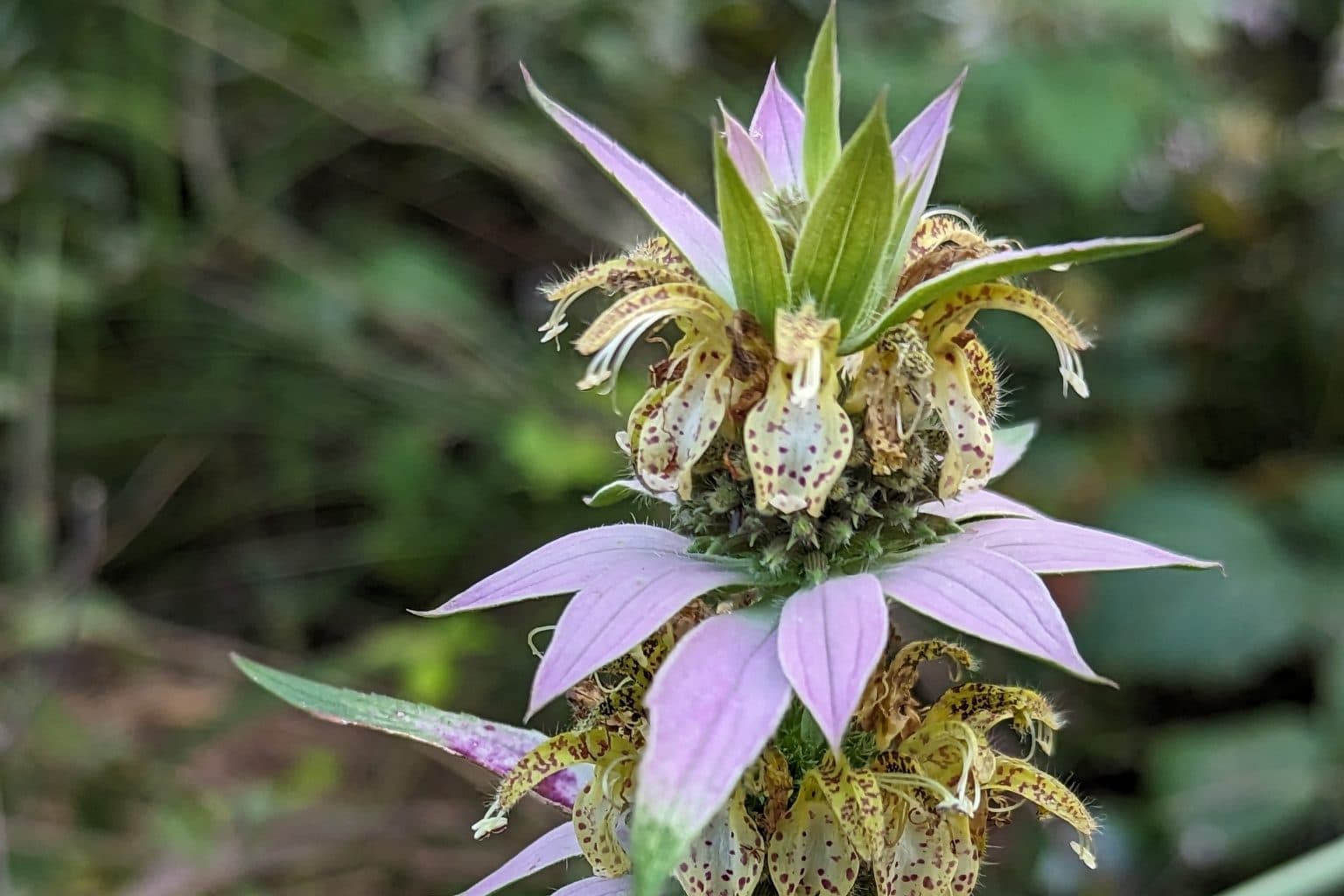
Most people picture a bee and picture a hive. Most native bees do not live that way. Across North America, the large majority are solitary, and about 70 percent of them nest in the ground, digging small tunnels in bare, sunny soil rather than building a colony (Xerces Society). In the middle of summer, the way most of us tidy a garden bed happens to be the one thing that locks them out.
Key takeaways
- About 70 percent of native bee species in North America nest in the ground, not in hives (Xerces Society).
- Even a one-inch layer of mulch can be as impenetrable as pavement to these bees, and landscape fabric blocks them entirely (Xerces Society).
- The fix is small: leave a few bare, sunny, undisturbed patches of soil and skip the landscape fabric.
- Ground-nesting bees are solitary and gentle, with no hive to defend, and they rarely sting (Penn State Extension).
Where most native bees actually live
North America has roughly 4,000 native bee species, and most are nothing like a honey bee. They are solitary, which means a single female builds and provisions her own nest with no colony around her. Around 70 percent of those species nest underground, excavating narrow tunnels in bare or sparsely vegetated soil, usually in a sunny, well-drained spot (Xerces Society). The University of Minnesota Extension makes the same point for home landscapes: to support them you leave some open, undisturbed ground and avoid tilling the areas where they nest (UMN Extension).
Why summer mulch and fabric shut them out
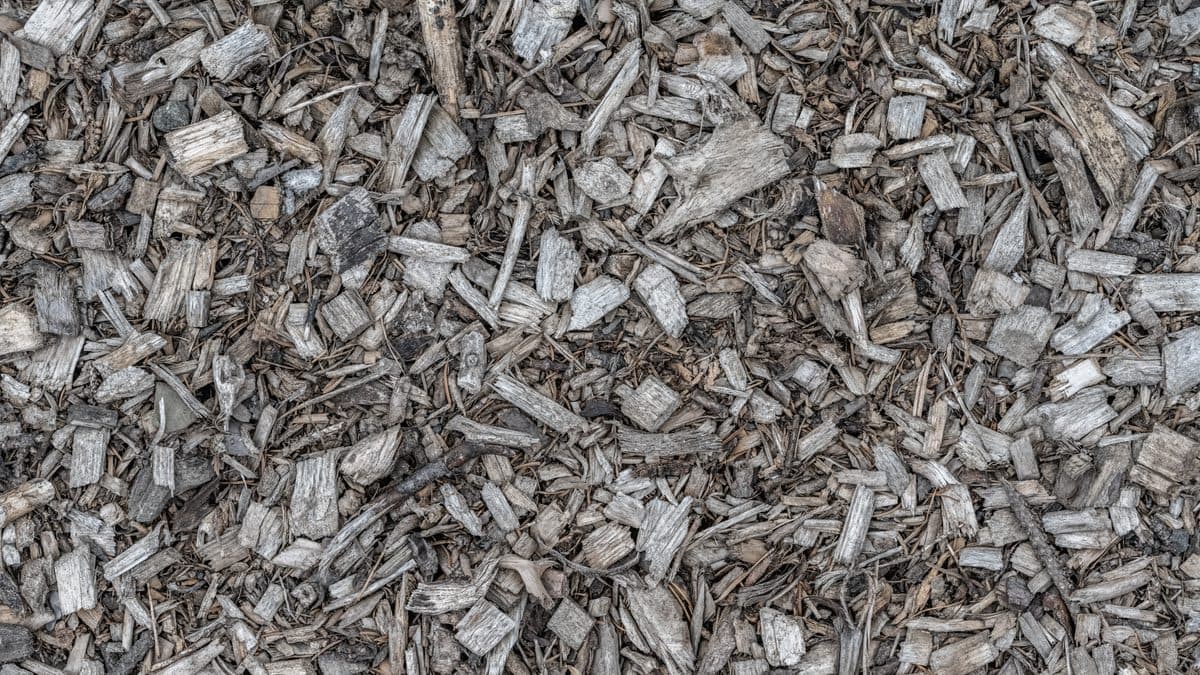
A ground-nesting bee needs a way to reach the soil. A thick blanket of wood chips, and certainly a sheet of landscape fabric, takes that away. The Xerces Society is blunt about the scale of it: to a bee the size of a grain of rice, even a one-inch layer of mulch can be as impenetrable as pavement, and plastic or fabric coverings block access completely (Xerces Society). This matters most in July and August, when the urge to smother beds against heat and weeds is strongest and many ground-nesting bees are still active.
What to do this summer
The task is almost nothing, which is the point.
- Leave a few bare, sunny patches of undisturbed soil, roughly a foot or two across, in the beds. A bed edge or the base of a sunny slope works well and reads as intentional.
- Skip the landscape fabric. It is the single biggest barrier to ground nesting.
- Where you do mulch, go lighter. Compost or shredded leaves give you the same weed suppression and moisture retention as wood chips but stay light enough for bees to pass through (Xerces Society).
- Do not till or dig those patches once you have set them aside. Ground nests are destroyed by rototilling and compaction (UMN Extension).
Will bare soil cause a problem near the house or with an HOA?
Two fair questions. On stings: solitary ground-nesting bees have no hive and no honey to protect, so they are docile and rarely sting, unlike the social wasps people usually worry about (Penn State Extension). On appearance: a small, defined patch of bare soil inside a planted bed does not read as a neglected yard. Keep the patch modest, keep the bed edges crisp, and it looks like part of the design rather than a gap in it.
See what is blooming for your bees
Pollinator Patch builds native plant lists for your zip code with bloom timing included, so the ground-nesting bees you are making room for still have pollen and nectar within flying distance of the nest. It tracks what you have planted and sends care reminders tuned to your area, and you can ask Patch whether a small bare-soil patch fits your region or your HOA before a neighbor wonders about it.
Open the app