Quick answer: Alaska has no native-plant or pollinator-landscaping law. What it has is the Alaska Uniform Common Interest Ownership Act (AS 34.08), a mandatory statute covering condominiums, cooperatives, and standard single-family subdivisions with a homeowners association, called "planned communities" in the statute. Under AS 34.08.320(a)(11), your association cannot levy a fine without giving you notice and an opportunity to be heard first. That is leverage, but it is thin: unlike several other states in this series, the Alaska statute does not say how much notice, does not set a dollar cap on the fine, and does not spell out how the hearing has to run. Those specifics are left to your declaration and bylaws, so the first document to read is your own paperwork, and the statute second.
A lot of guidance online implies every state has some law shielding native or pollinator-friendly landscaping from an HOA. Alaska does not. But the declaration is not the whole story in Alaska either. The state has had a mandatory common-interest-ownership statute in effect since January 1, 1986, and that statute gives homeowners a procedural right an association cannot skip. The catch is that the statute says less than the fine-and-hearing statutes this series has covered in other states, so the floor it gives you is thin.
This is a plain-English summary, not a fight plan. Most landscaping disputes end quietly once a homeowner reads the declaration, confirms the association followed its own required steps, and asks the board to apply the rule evenly.
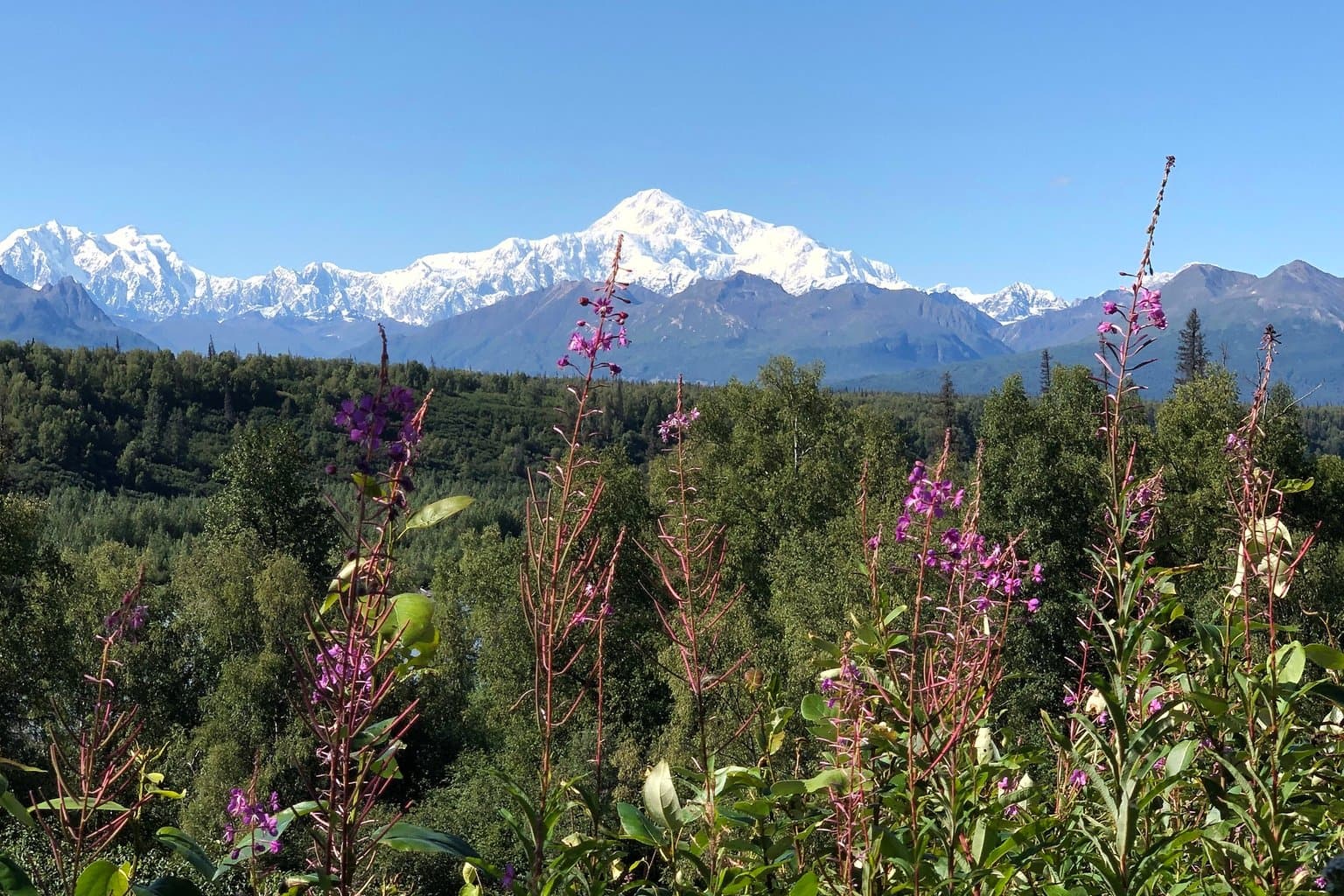
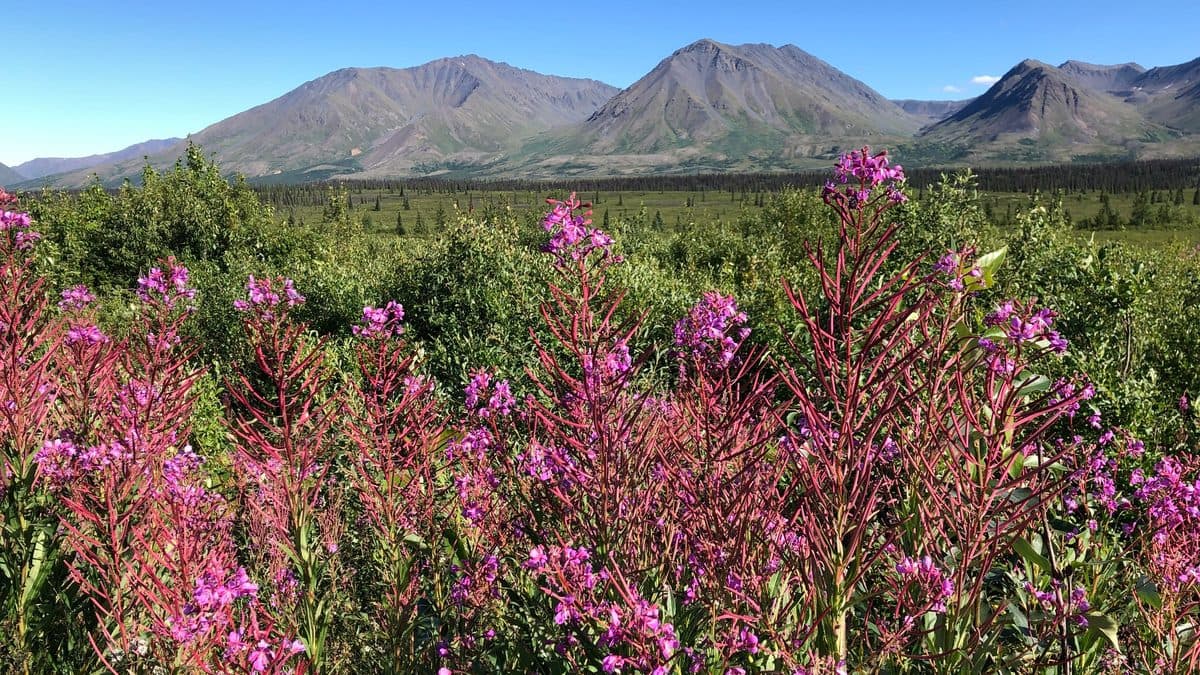
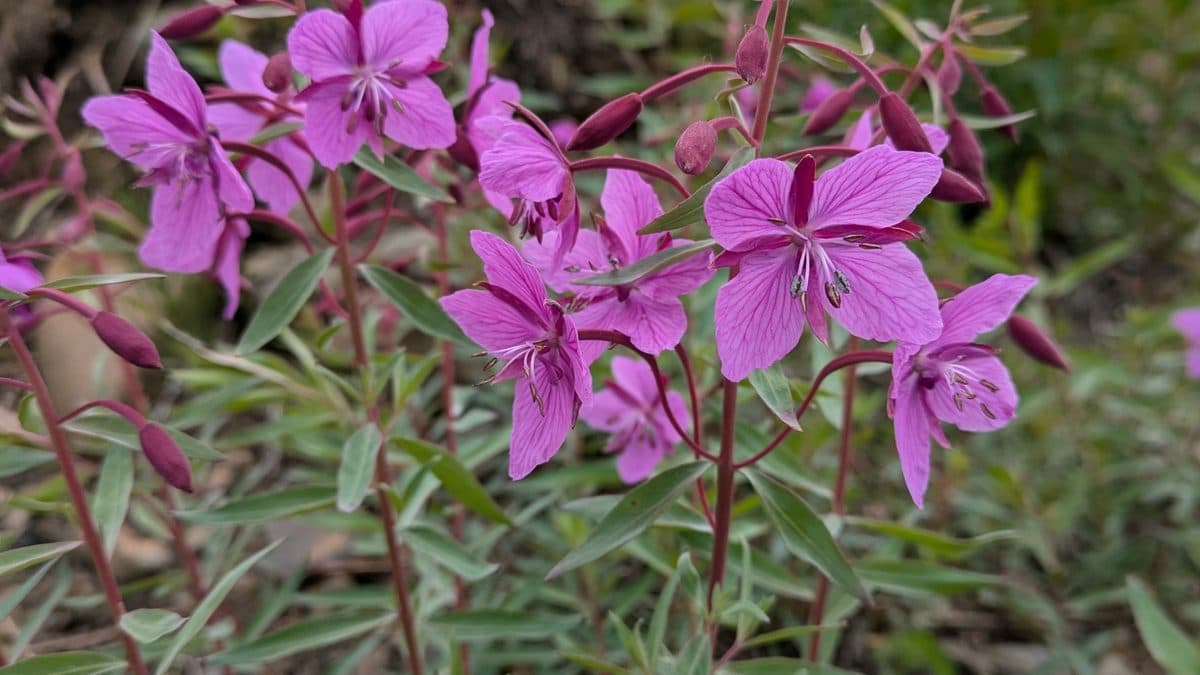
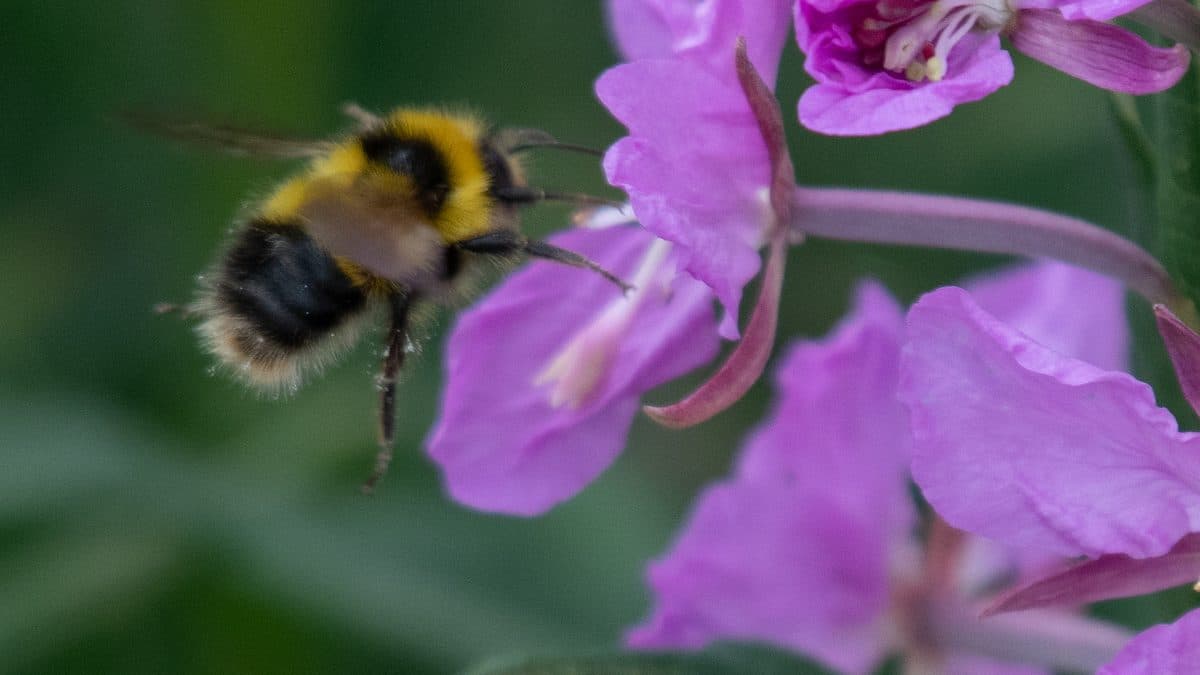
Alaska's short growing season and long winters also change the framing that fits here. Most of this series leans on drought tolerance, because that is the strongest argument for native plants in Texas, Arizona, or California. That argument does not fit Alaska. The case for a native planting in an Alaska front yard is a different one: a plant like fireweed, which the USDA PLANTS Database (opens in new tab) lists as native to Alaska, is already part of the landscape the neighborhood sits in. That is the argument worth bringing to an architectural review committee, not a water bill.
The starting point: no landscaping statute
Texas has Property Code §202.007, which bars an HOA from prohibiting drought-resistant landscaping or water-conserving natural turf. Washington has RCW 64.38.057, which names pollinator habitat directly. Alaska has nothing comparable. No Alaska statute says an association cannot require turf grass, cannot ban a native or wildflower bed, or has to accept a pollinator planting in a front yard. If a rule about lawn or planting appears in your recorded declaration, Alaska law does not override it the way a handful of other states override theirs.
What Alaska has instead: a mandatory act with a thin procedural floor
The Alaska Uniform Common Interest Ownership Act, AS 34.08, applies to every "common interest community" created in the state after January 1, 1986. That term covers condominiums, cooperatives, and what the statute calls a "planned community", defined at AS 34.08.990 as a common interest community that is not itself a condominium or cooperative. A subdivision of detached single-family homes with a mandatory homeowners association and recorded dues obligation is a planned community under this definition. If your front yard is subject to an HOA, you are almost certainly in an AS 34.08 common interest community, whether or not anyone in the neighborhood uses that phrase.
This is a mandatory statute, not an opt-in one. The statute already reaches your community if it was created after January 1, 1986. Communities created earlier get a narrower, retroactive slice of the same protections, covered below.
The low-dues exemption: check this before relying on anything below
AS 34.08.030 exempts some low-dues planned communities from most of the chapter. If a planned community created after January 1, 1986 is not subject to any development rights, and its declaration provides that the average annual common expense liability of its residential units, excluding optional user fees and insurance premiums paid by the association, may not exceed $100 as adjusted under AS 34.08.820, the community is subject only to AS 34.08.720 through 34.08.740, three sections covering separate titles and taxation, local ordinances and building codes, and eminent domain, unless the declaration itself says the entire chapter applies. The test is the dues cap written into the declaration, not the number of lots.
If your community fits that description, the fine-and-hearing right described below and the amendment rules further down may not apply to you by default. Read your declaration's own applicability clause first, since many Alaska declarations, even small ones, voluntarily opt into the full chapter, and you cannot tell which situation you are in without checking.
Older communities get a narrower version of the same rights
AS 34.08.040 lists specific sections of the chapter that also apply, for events occurring after January 1, 1986, to common interest communities created before that date, without invalidating anything already written into an older community's declaration or bylaws. The list is specific rather than blanket: it includes AS 34.08.320(a)(1) through (6) and (11) through (16), which is the section covering association powers and includes subsection (11), the fine-and-hearing power discussed below. It also includes the records-access section, AS 34.08.490, and the assessment-lien section, AS 34.08.470. In plain terms: if your Alaska subdivision was platted before 1986, you likely still get the notice-and-hearing right for any violation charged after that date, even though your original declaration predates the statute entirely.
Where you have leverage: notice and a hearing, with no numbers attached
Assuming your community is not exempted under the low-dues rule, Alaska gives homeowners one firm rule: an association cannot fine you without notice and a chance to be heard first.
What AS 34.08.320(a)(11) requires before a fine is valid
The statute authorizes an association to "impose a reasonable charge for late payment of assessments and, after notice and an opportunity to be heard, levy a reasonable fine for a violation of the declaration, bylaws, rules, and regulations of the association." The phrase "after notice and an opportunity to be heard" is a precondition, not a formality a board can skip and cure later. A fine imposed without both elements is vulnerable to challenge regardless of whether the underlying violation was real.
Compare that to what this series has found in other mandatory-act states. Virginia's Property Owners' Association Act spells out a 14-day certified-mail notice window, a result within seven days, and a hard cap of $50 for a single offense or $10 a day up to 90 days. Ohio hands the homeowner a 10-day deadline to request a hearing or waive the right entirely. Connecticut requires ten business days' notice by regular mail and a decision within 30 days, though it sets no dollar cap either. Alaska's statute does none of that. It requires notice and an opportunity to be heard, and it requires the fine to be "reasonable", and that is the entire text. How much notice, in what form, how long the association has to respond, and what "reasonable" means in dollars are not answered by AS 34.08 at all. They are answered, if anywhere, by your own declaration and bylaws.
No statutory numbers to check a fine against
If you are told fines are accruing on a landscaping violation, you cannot ask whether the amount exceeds a statutory cap, because Alaska has not set one. Your strongest question is procedural: was there notice, in a form your declaration or bylaws specify, and did you get an opportunity to respond before the fine was imposed? If the answer to either is no, the fine has a problem regardless of the underlying planting dispute. If your declaration and bylaws are also silent on the mechanics, the statute's bare "notice and an opportunity to be heard" is what a court would apply, and reasonable people can disagree about what that requires in a specific case, which is why this is worth a lawyer's attention if the amount is large.
Your right to see the association's records
AS 34.08.490 requires that "financial and other records" of the association be made reasonably available for examination by a unit owner or an authorized agent. The statute does not spell out a request procedure or a response deadline the way some other states' records statutes do, but the right is there: a homeowner disputing a landscaping citation does not have to take a board's summary of the rule on faith. Ask, in writing, for the recorded declaration section and any board minutes discussing your specific violation, and keep a copy of the request and the date it was sent.
The declaration still decides the underlying rule
Procedure is not the same as permission. If your recorded declaration clearly requires turf grass or a minimum lawn percentage, following the notice-and-hearing process correctly still ends with an enforceable rule. Ask for the exact recorded provision by section, not a paraphrase from a violation letter. A general tidiness or maintenance clause is not the same as a turf mandate, and the difference often decides the dispute before it reaches a hearing.
Alaska has no association solar statute either
Most of the other states in this series, including Missouri, Virginia, Ohio, Wisconsin, Indiana, and Connecticut, have a statute that speaks to solar panels in association communities, and none has one for landscaping. Alaska breaks that pattern: it has no association solar statute either.
AS 34.15.145 is a private easement statute, not an HOA override
Alaska does have a solar statute, AS 34.15.145, but it is not a covenant override. It sets out how a property owner can create a written, recorded solar easement against a neighboring property, specifying the vertical and horizontal angles the easement protects and any compensation terms. That is a private, negotiated arrangement between two landowners, similar to a right-of-way easement, and it says nothing about what a homeowners association can or cannot restrict on an owner's own roof. No search of Alaska law turned up a statute addressing an association's power to restrict solar panels at all, the way Virginia's §55.1-1820.1 or Ohio's R.C. 5312.16 do. Both of those protect solar only where the recorded declaration does not prohibit it.
The practical point: an Alaska legislature that has been willing to regulate a wide range of association powers in detail, fines, records, amendments, resale disclosures, has not chosen to legislate on either solar or landscaping in association communities. That is a different picture than the rest of this series, where solar consistently gets a statute and planting does not. In Alaska, neither does.
No covenant-expiration escape hatch either
A recurring finding elsewhere in this series is that an old covenant can simply expire under a marketable-title or restriction-duration statute (Massachusetts at 30 years, Wisconsin at 40). That angle does not exist in Alaska. No general marketable-record-title act or restriction-expiration statute governing recorded covenants turned up in Alaska law. If your subdivision's declaration was recorded decades ago and never amended, it is not weaker for its age under any statute this search could find. Treat an old Alaska covenant as fully enforceable unless your own title research says otherwise.
What your HOA can still require
Because Alaska has no landscaping statute, be realistic about what a clearly written declaration can enforce even after a hearing goes exactly by the book:
- Turf grass, or a minimum percentage of lawn, where the declaration says so plainly
- Pre-approval of landscaping changes through an architectural review committee
- Maintenance standards covering dead plants, overgrowth, and edging
- Height limits near sidewalks, driveways, and sight lines
- Rules about raised beds, borders, and other structures
- Setback and screening requirements
The productive path for most homeowners is not to argue the rule is unenforceable, since in Alaska it usually is enforceable if the declaration is clear, but to design something the declaration can accept and use the notice-and-hearing right to make sure any dispute over it is handled fairly. A design that keeps a mowed or mulched edge, a defined border, and a clear sightline at the driveway can satisfy an architectural review committee's concerns, tidiness and sightlines, without requiring wall-to-wall lawn.
Check the Alaska rebate page for whatever cost-share or rebate programs are currently listed in your area before assuming nothing is available.
The long game: amending the declaration
If a turf or planting restriction is written plainly into your recorded declaration, no amount of procedural leverage changes what it says. The only durable fix is amending the document itself.
AS 34.08.250: what it takes to amend an Alaska declaration
The default rule requires a vote or written agreement of unit owners holding at least 67 percent of the allocated interests in the association, or a larger percentage if the declaration sets one. A declaration cannot set a lower number unless every unit is restricted to nonresidential use. Connecticut starts from the same 67 percent, though Connecticut lets a declaration go as low as a majority and Alaska does not.
Two categories require more. An amendment cannot create or increase special declarant rights, increase the number of units, or change a unit's boundaries, its allocated interests, or the uses to which a unit is restricted without the unanimous consent of all unit owners. And extending a previously reserved development-rights time limit needs at least 80 percent of the votes in the association, including 80 percent of the votes not held by the declarant.
Sixty-seven percent of a neighborhood takes organizing, but it is a lower bar than Ohio's default 75 percent for planned-community amendments, and it is the same starting number Connecticut uses.
How to respond when the rules feel unfair
- 1Confirm the act applies in full.Check your declaration's applicability clause. A planned community whose declaration caps average annual common expenses at the low dollar amount in AS 34.08.030 may be exempt from most of AS 34.08 unless the declaration opts into the whole chapter. Everything above assumes the full chapter applies to you.
- 2Ask for the exact recorded provision.Request the section of the declaration being cited, by number, not a paraphrase from a violation letter or a newsletter. A general tidiness or maintenance clause is not the same as a turf mandate.
- 3Confirm notice and a hearing happened.Under AS 34.08.320(a)(11), a fine is only valid after notice and an opportunity to be heard. Since the statute does not spell out the mechanics, check your own declaration and bylaws for the specific notice method and timeline the association promised its own members, then confirm the board followed it.
- 4Bring a tidy plan and a record of comparable yards.A plant list, a simple layout, and a maintenance schedule read as intentional rather than as a challenge to the board's authority. Dated photos of comparable, uncited yards on the same street are useful if enforcement looks selective.
When to involve a lawyer
- You cannot tell whether your community is exempt under the AS 34.08.030 low-dues rule, and therefore cannot tell which rights above apply to you
- A fine was imposed with no notice, or no opportunity to respond, and your declaration and bylaws do not clearly spell out what notice was owed
- Charges feel disproportionate and you want to argue "reasonableness" under AS 34.08.320(a)(11), since Alaska has no dollar cap to point to instead
- You requested association records under AS 34.08.490 and the board is not producing them within a reasonable time
- You are organizing a declaration amendment under AS 34.08.250 and need to confirm the correct vote threshold for your specific proposal
- The association is threatening a lien on your property over unpaid fines
This is not legal advice.
We are a gardening app, not lawyers. This post summarizes publicly available Alaska law as of 2026. Alaska has no native-plant or landscaping-protection statute, your recorded declaration controls what your association can require, the low-dues exemption under AS 34.08.030 changes which rights apply to some communities, and every dispute is different. If you are facing charges, a lien, or a legal threat, talk to a real estate attorney licensed in Alaska.
People also ask
Does Alaska have a law protecting native or pollinator landscaping from HOAs?
No. Alaska has no native-plant, pollinator, or xeriscape statute, and nothing comparable to Texas Property Code §202.007 or Washington's RCW 64.38.057. The Alaska Uniform Common Interest Ownership Act (AS 34.08) governs how associations are formed, run, and can enforce rules against you, not what you are allowed to plant. Your leverage comes from the wording of your declaration and from the notice-and-hearing right the act requires before a fine can stand.
What must an Alaska HOA do before it can fine me for a landscaping violation?
Under AS 34.08.320(a)(11), an association may levy a reasonable fine for a violation of the declaration, bylaws, rules, or regulations only "after notice and an opportunity to be heard." The statute does not specify how much notice, in what form, or how the hearing has to be run, so check your own declaration and bylaws for the specifics your association promised its members, then confirm the board followed them before charging you.
Is there a cap on how much an Alaska HOA can fine me?
No. Alaska sets no statutory dollar limit on an association fine. AS 34.08.320(a)(11) requires only that a fine be "reasonable", which gives you an argument if a charge looks disproportionate to the violation, but not a fixed number to check it against the way Virginia's $50-single/$10-per-day caps do. Your strongest check is procedural: confirming that notice and an opportunity to be heard happened.
Does Alaska's Common Interest Ownership Act apply if my community was built before 1986?
In part, yes, for the sections that matter most to a landscaping dispute. AS 34.08 took effect January 1, 1986, but AS 34.08.040 lists specific sections, including the fine-and-hearing power in AS 34.08.320(a)(11) and the records-access right in AS 34.08.490, that also apply to communities created earlier, for events occurring after that date. It does not rewrite what an older declaration already says about turf or plantings. Check your own declaration's applicability clause, since low-dues planned communities can be exempt from most of the chapter regardless of age.
Does Alaska protect solar panels from HOA restrictions?
No statute addressing an association's power over solar was found in Alaska law. AS 34.15.145 exists, but it governs a private, recorded easement between neighboring landowners protecting sun exposure, not an association's power to restrict panels on an owner's own roof. That is a break from the pattern this series has found elsewhere (Missouri, Virginia, Ohio, Wisconsin, Indiana, and Connecticut all have a statute addressing solar in association communities but none for landscaping): Alaska has no statute on either one.
Planning a native yard in Alaska?
Pollinator Patch helps you build a plant plan that fits your declaration, with the tidy documentation review committees respond to. Plant list, layout, and maintenance schedule, all printable.