Quick answer: North Dakota has no native-plant, xeriscape, or landscaping-protection law, and no statute overriding an HOA's power to restrict solar panels either. North Dakota also has no general homeowners association act for standard subdivisions: only condominiums get a dedicated statute, the Condominium Ownership of Real Property chapter (N.D.C.C. ch. 47-04.1). A non-condominium HOA runs on its recorded declaration plus, where the association is incorporated, the state's Nonprofit Corporations chapter (N.D.C.C. ch. 10-33). Your leverage comes from what that declaration says, whether the board followed its own procedure, and whether it enforces the same rule on every yard.
A lot of guidance online implies that every state has some law shielding native or drought-tolerant landscaping from an HOA. North Dakota does not, and citing a statute that does not exist is the fastest way to lose credibility with a board. What follows is what governs a landscaping dispute in North Dakota and where you have room to push.
This is a plain-English summary, not a fight plan. Most of these disputes end quietly once a homeowner reads their covenants closely and asks the association to apply them evenly.
The starting point: no landscaping statute
Texas has Property Code §202.007, which bars an HOA from prohibiting drought-resistant landscaping or water-conserving natural turf. California has Civil Code §4735, which protects low-water landscaping and blocks fines during drought. North Dakota has nothing comparable. No North Dakota statute says an association cannot require turf grass, cannot ban native beds, or has to approve a xeriscape plan.
So in North Dakota the landscaping rules live in your subdivision's recorded declaration and plat restrictions. The room to push back is about how those documents are written and how the board applies them, not about a state law that overrides them.
North Dakota has no umbrella HOA act
Like Missouri, North Dakota has no comprehensive planned-community or property owners association statute setting out how a standard subdivision HOA must adopt rules, notice a fine, or hold a hearing. Unlike a Virginia or Ohio homeowner, a North Dakota homeowner cannot point to a statewide procedural right that applies regardless of what the declaration says.
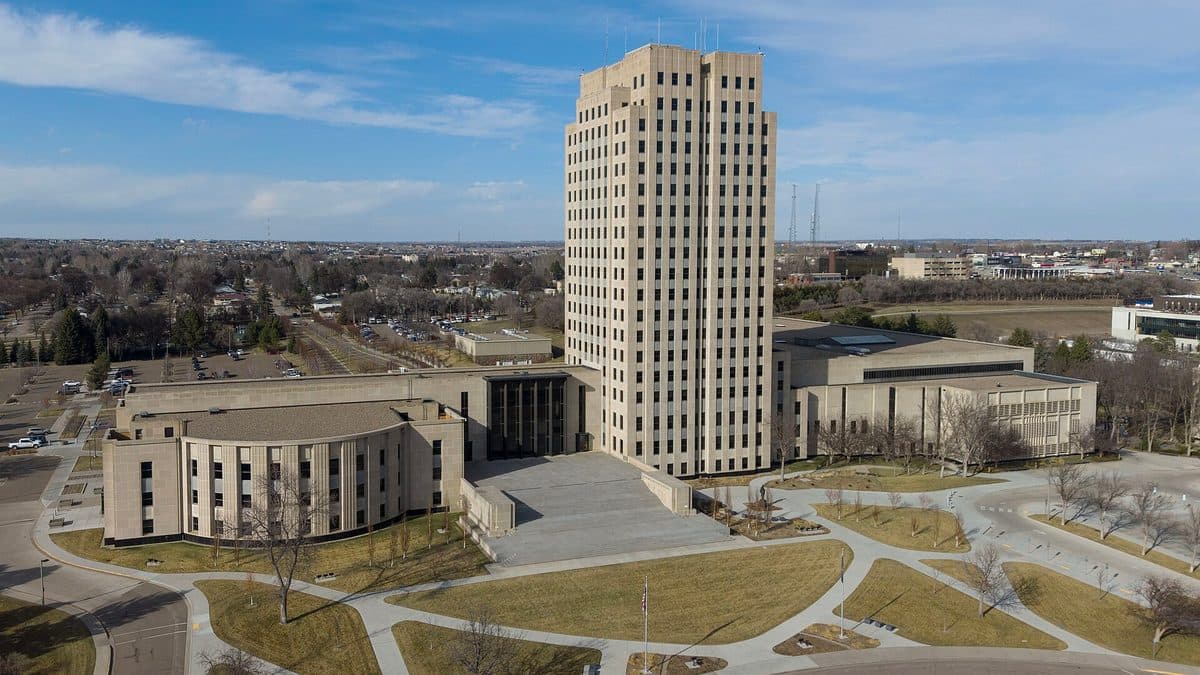
Condominiums are the exception, and even that is a narrow statute
North Dakota Century Code chapter 47-04.1, Condominium Ownership of Real Property, supplies a framework for condominium projects. If you own a single-family home in a platted subdivision with an HOA rather than a condominium unit, this chapter almost certainly does not govern you. You can review the chapter on the North Dakota Legislative Branch's Century Code site (opens in new tab).
For a non-condominium North Dakota HOA, authority comes from the recorded declaration and any plat restrictions, plus, where the association is incorporated, North Dakota Century Code chapter 10-33, the state's Nonprofit Corporations chapter, which we checked against the Legislative Branch's own listing (opens in new tab). That chapter sets meeting, governance, and corporate-procedure requirements for the association as a nonprofit corporation. It says nothing about landscaping, because it is not written to. This makes reading the declaration far more important in North Dakota than in a state like Texas, where a statute sits on top of it. In North Dakota the declaration is most of what decides the dispute.

No solar override either
Several states in this series turn out to bar an HOA from restricting rooftop solar while saying nothing about landscaping. That pattern does not hold in North Dakota.
North Dakota's solar statute creates easements, it does not limit your HOA
N.D.C.C. §§47-05-01.1 and 47-05-01.2 govern solar easements, but not the way that sounds. They set the paperwork requirements for a solar easement that a property owner voluntarily creates, typically with a neighbor, so that a tree or structure cannot later block a solar collector. The instrument must be in writing, describe the vertical and horizontal angles the easement covers, and state the terms under which it ends. Nothing in either section bars a homeowners association from restricting or requiring approval for a rooftop solar installation on your own house. This is the same pattern this series has found in Kentucky: a real solar-easement statute that solves a neighbor-to-neighbor sunlight dispute, not an HOA override.

A hard cap on how long a restriction can run, but not a near-term one
Massachusetts and Wisconsin, two earlier states in this series, give homeowners a way out: their recorded covenants can expire from age unless the association files a timely renewal, 30 years in Massachusetts and 40 in Wisconsin. North Dakota has a statute in the same family, but it works differently.
N.D.C.C. §47-05-02.1 sets a 99-year cap on some restrictions
For any easement, servitude, or nonappurtenant restriction on the use of real property that became binding after July 1, 1977, North Dakota law requires the instrument to specifically state its duration, and that duration cannot exceed ninety-nine years. We confirmed the text directly against the North Dakota Legislative Branch's copy of chapter 47-05 (opens in new tab).
That is a real ceiling for the interests the section covers. Whether an ordinary subdivision covenant counts as a servitude or a nonappurtenant restriction under it is a question for a North Dakota attorney, and we are not going to answer it here. Either way, 99 years is not a practical way out. Almost every subdivision restriction currently being enforced in North Dakota is nowhere close to a century old, so this section will rarely help a homeowner today. It is worth knowing it exists, and worth noting for a very old plat, but it is not the Massachusetts or Wisconsin story.
The marketable record title question, and why we are not calling it an answer
North Dakota has a separate statute worth a close look: the Marketable Record Title Act, N.D.C.C. chapter 47-19.1. We read the full chapter directly from the North Dakota Legislative Branch's text (opens in new tab) rather than relying on a summary, because summaries of this kind of statute tend to promise more than the text does.
The mechanics: a person with an unbroken twenty-year chain of recorded title generally holds that title free of older claims and interests, unless someone files a verified notice preserving the older claim within that twenty-year window. Oklahoma has a similar-looking act, and its version, 16 O.S. §76, explicitly excepts "use restrictions or area agreements which are part of a plan for subdivision development" from the bar, so an Oklahoma covenant does not go stale under that statute no matter how old it is.
North Dakota's exceptions list does not mention covenants, but that does not settle it either way
North Dakota's exceptions section, §47-19.1-11, is narrower and different in kind from Oklahoma's. It protects a lessor's reversionary right, a remainderman's right, rights under a mortgage, trust deed, or contract for sale that is not barred by the statute of limitations, a right of re-entry for breach of a condition created by a conveyance of record less than forty years, and the interests of the state, the federal government, and railroads. Subdivision use restrictions are not named as protected, and they are not named as barred either.
We could not find a North Dakota case applying chapter 47-19.1 to void a subdivision's recorded restrictions, and the chapter's own purpose section describes it as a tool for simplifying and facilitating real estate title transactions. It says nothing about HOA enforcement. A deed that recites the lot is conveyed "subject to restrictions of record", which is standard language in most subdivision deeds, is itself a recorded instrument each time the lot changes hands, and the act separately treats instruments recorded within the last twenty years as still in force. Whether that recital keeps an old covenant alive indefinitely is a legal question we are not going to answer for you here.
In short, North Dakota's marketable title act does not hand you the clean, documented expiry that Massachusetts or Wisconsin homeowners can point to. It also does not foreclose the question the way Oklahoma's statute does. If your subdivision's original declaration is old, more than twenty years since the plat and declaration were first recorded, and your own deed history is unclear, this is worth raising with a North Dakota real estate attorney who can read your actual chain of title. Do not act on the twenty-year arithmetic alone.
Where you do have leverage
You still have options. Three things carry weight in North Dakota, and they carry more here because the declaration is the only authority in play.
What the declaration says
Boards sometimes enforce a rule that is not in the recorded document, or read a general maintenance clause much more broadly than its words support. A clause requiring a yard be kept neat is not the same as a clause requiring turf grass. Ask for the exact recorded provision and the page it appears on, not a summary from a newsletter or a board member's recollection.

Even-handed enforcement
Selective enforcement is one of the strongest positions available to a North Dakota homeowner, and it matters more where the association's authority rests entirely on a private document it is expected to apply consistently. If your native bed is cited while comparable or messier yards on the same street are not, document it. Dated photos of uncited yards put the board's consistency in question and often end the matter.
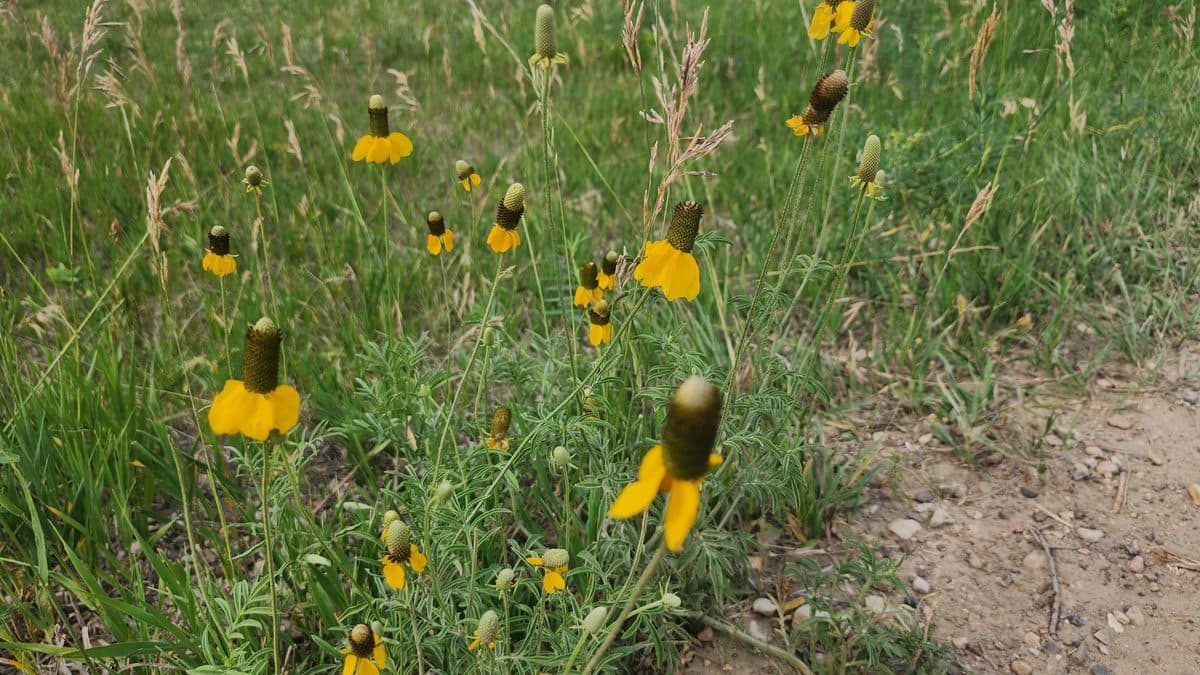
Whether the board followed its own procedure
A declaration usually specifies how rules are adopted, what notice precedes a fine, and whether an owner gets a hearing. Where the association is incorporated under chapter 10-33, that chapter adds meeting and governance requirements on top. A board that skipped its own steps is on weak ground regardless of whether the underlying rule is valid. Confirm the process was followed before you concede the citation.

Cost-share programs can still offset a native conversion. See what is currently available on our North Dakota rebate page before you plan the work.
What your HOA can still require
Because North Dakota supplies so little statutory leverage, it helps to be realistic about what an association can enforce through a clearly written declaration:
- Turf grass, or a minimum percentage of lawn, where the declaration says so plainly
- Pre-approval of landscaping changes through an architectural review committee
- Maintenance standards covering dead plants, overgrowth, and edging
- Height limits near sidewalks, driveways, and street sight lines
- Rules about raised beds, borders, trellises, and other structures
- Setback and screening requirements
- Restrictions on rooftop solar panels and their placement
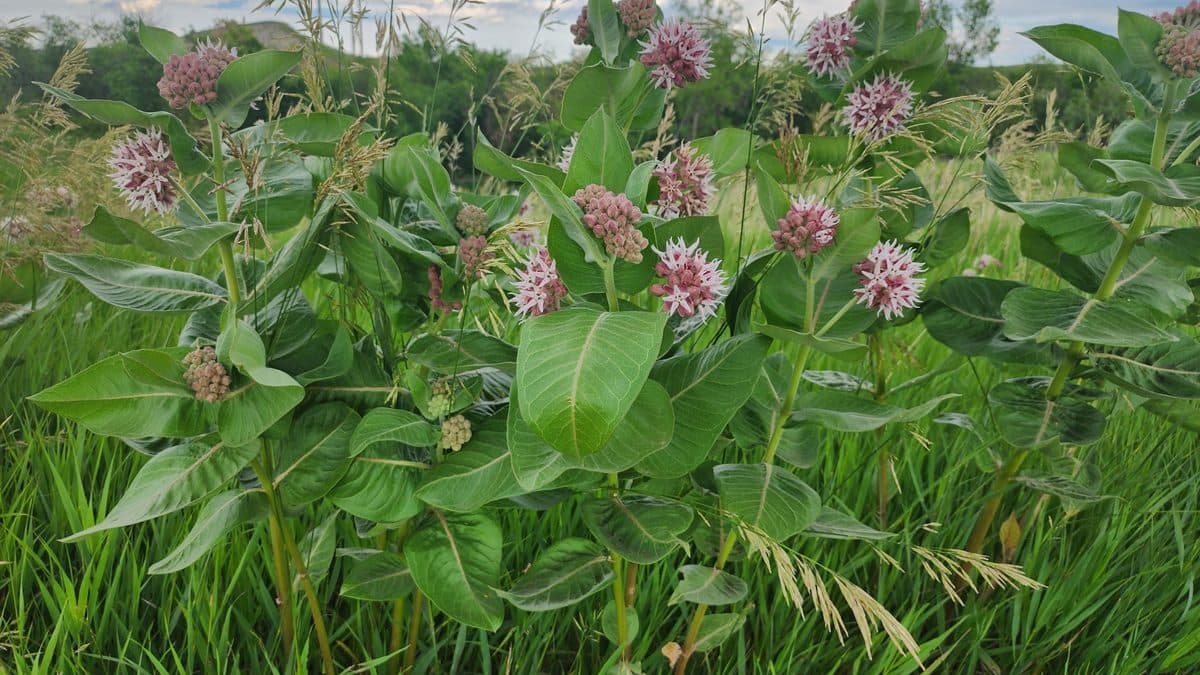
The practical difference from Texas or California is that a clearly written North Dakota turf requirement is likely to hold up as written. The more productive path is usually to design something the review committee can approve, rather than to argue that a statute overrides the declaration.
How to respond when the rules feel unfair
Even with no statute behind you, a calm and documented approach settles most of these. Four steps, in order:
- 1Ask for the rule in writing.Request the exact recorded provision the association is citing, by section. A verbal warning is not an enforceable violation, and seeing the language often reveals the rule says less than the board believes.
- 2Find out what governs your association.Determine whether you are in a condominium under chapter 47-04.1 or a standard subdivision running on its declaration plus, if incorporated, chapter 10-33. That answer sets the procedure your board owes you, and it is a question most North Dakota homeowners have never asked.
- 3Document uneven enforcement.Photograph comparable yards that have not been cited, with dates. Where an association's authority rests entirely on a private agreement, evidence that it applies that agreement inconsistently carries weight and often gets a citation withdrawn.
- 4Submit a tidy plan.Give the review committee something concrete to approve: a plant list, a simple layout, and a maintenance schedule. A neat, clearly intentional design is far easier for a board to accept than a request framed as a challenge.

When to involve a lawyer
Because North Dakota gives you so little to cite on your own, a short attorney consultation is worth more here than in a state with a landscaping statute. Consider one if:
- You are being fined and cannot tell whether the declaration actually supports the citation
- The association is threatening a lien
- Your subdivision's declaration is decades old and you want an answer on whether chapter 47-19.1 affects its enforceability
- You cannot tell whether your community is a condominium under chapter 47-04.1 or a standard subdivision
A North Dakota real estate attorney can read your declaration and your chain of title and tell you quickly whether the rule holds. Given how completely North Dakota leans on that document, one consultation is often worth it before you commit to either a fight or a redesign.
This is not legal advice.
We are a gardening app, not lawyers. This post summarizes publicly available North Dakota law as of 2026. North Dakota has no native-plant or landscaping-protection statute, your recorded declaration controls your situation, and every dispute is different. If you are facing fines or legal threats, talk to a real estate attorney in North Dakota.
People also ask
Does North Dakota have a law protecting native landscaping from HOAs?
No. North Dakota has no native-plant, pollinator, or xeriscape statute, and nothing comparable to Texas Property Code §202.007 or California Civil Code §4735. If your recorded declaration clearly requires turf grass, North Dakota law generally lets the association enforce it. Your leverage comes from the wording of that declaration, whether the board followed its own procedure, and whether it enforces the rule on every yard.
Is there a general North Dakota HOA statute?
Not for standard subdivision associations. North Dakota has no umbrella planned-community or property owners association act. Condominiums are covered by the Condominium Ownership of Real Property chapter, N.D.C.C. ch. 47-04.1. A non-condominium HOA operates on its recorded declaration plus, where it is incorporated, N.D.C.C. ch. 10-33, the Nonprofit Corporations chapter. That is why reading your declaration matters more in North Dakota than in most states.
Can a North Dakota HOA make me keep a grass lawn?
If the recorded declaration clearly requires turf grass or a minimum percentage of lawn, then generally yes. North Dakota has no statute overriding a turf requirement the way Texas does. A vague tidiness or maintenance clause is not the same as a turf mandate, though, and inconsistent enforcement can undercut a citation.
Does North Dakota protect rooftop solar panels from HOA restrictions?
No. N.D.C.C. §§47-05-01.1 and 47-05-01.2 set the paperwork requirements for a solar easement that a property owner voluntarily creates, typically with a neighbor, to protect access to sunlight. Neither section bars a homeowners association from restricting or requiring approval for a rooftop solar installation on your own house.
Can an old North Dakota HOA covenant expire on its own after enough years?
It is unclear, and we will not promise an answer either way. N.D.C.C. §47-05-02.1 caps easements, servitudes, and nonappurtenant restrictions that became binding after July 1, 1977 at 99 years, which is rarely relevant today. Separately, the Marketable Record Title Act, N.D.C.C. ch. 47-19.1, generally bars claims older than 20 years unless a notice preserves them, and its exceptions list does not specifically protect subdivision restrictions the way Oklahoma's version does. We could not find a North Dakota case applying it to void an HOA covenant, so do not act on the 20-year arithmetic alone. If your subdivision's declaration is decades old, ask a North Dakota real estate attorney to read your specific chain of title.
Planning a native yard in North Dakota?
Pollinator Patch helps you build a plant plan that fits your declaration, with the tidy documentation review committees respond to. Plant list, layout, and maintenance schedule, all printable.