Quick answer: The Utah Water Savers Landscape Incentive pays $1.50 to $3.00 per square foot, depending on your city, to replace lawn with water-efficient landscaping. Over 60 Utah communities participate (utahwatersavers.com, last verified July 2026). The rule that disqualifies more projects than any other: the grass must be alive and maintained when you apply, and nothing comes out of the ground until a conservation technician finishes the pre-project inspection.
Utah runs the most organized lawn replacement program in the country: one statewide portal, one application flow, and per-square-foot rates that vary by city because cities co-fund it. Park strips, side yards, and full yard conversions all qualify. If you have seen the phrase Flip Your Strip on a billboard along the Wasatch Front, this is that program grown up into a statewide incentive.
What it pays and who qualifies
The incentive pays up to $3.00 per square foot, with the exact rate ($1.50 to $3.00) set by your city (utahwatersavers.com Landscape Incentive Program page, last verified July 2026). Your city must have adopted qualifying water-efficient landscape ordinances to participate; more than 60 Utah communities have. You apply through utahwatersavers.com, and incentive checks are made payable to the property owner.
Do not touch the lawn before the inspection
Two timing rules decide most applications. The grass must be living and maintained at the time you apply; a lawn you already let die does not qualify. And no work starts until a conservation technician completes the pre-project inspection. Remove grass early and the project is disqualified. After approval, the clock is generous: you have one year to finish.
What the finished yard has to look like
- •A landscape plan is required, but professional designs are not; your plan just has to be unique to your property.
- •Waterwise perennials and shrubs must cover at least 50 percent of the converted area at maturity.
- •Drip irrigation in the converted area, and a 200 square foot project minimum.
- •Free ready-made designs are available at localscapes.com if you want a starting point.
Natives that carry a Wasatch Front conversion
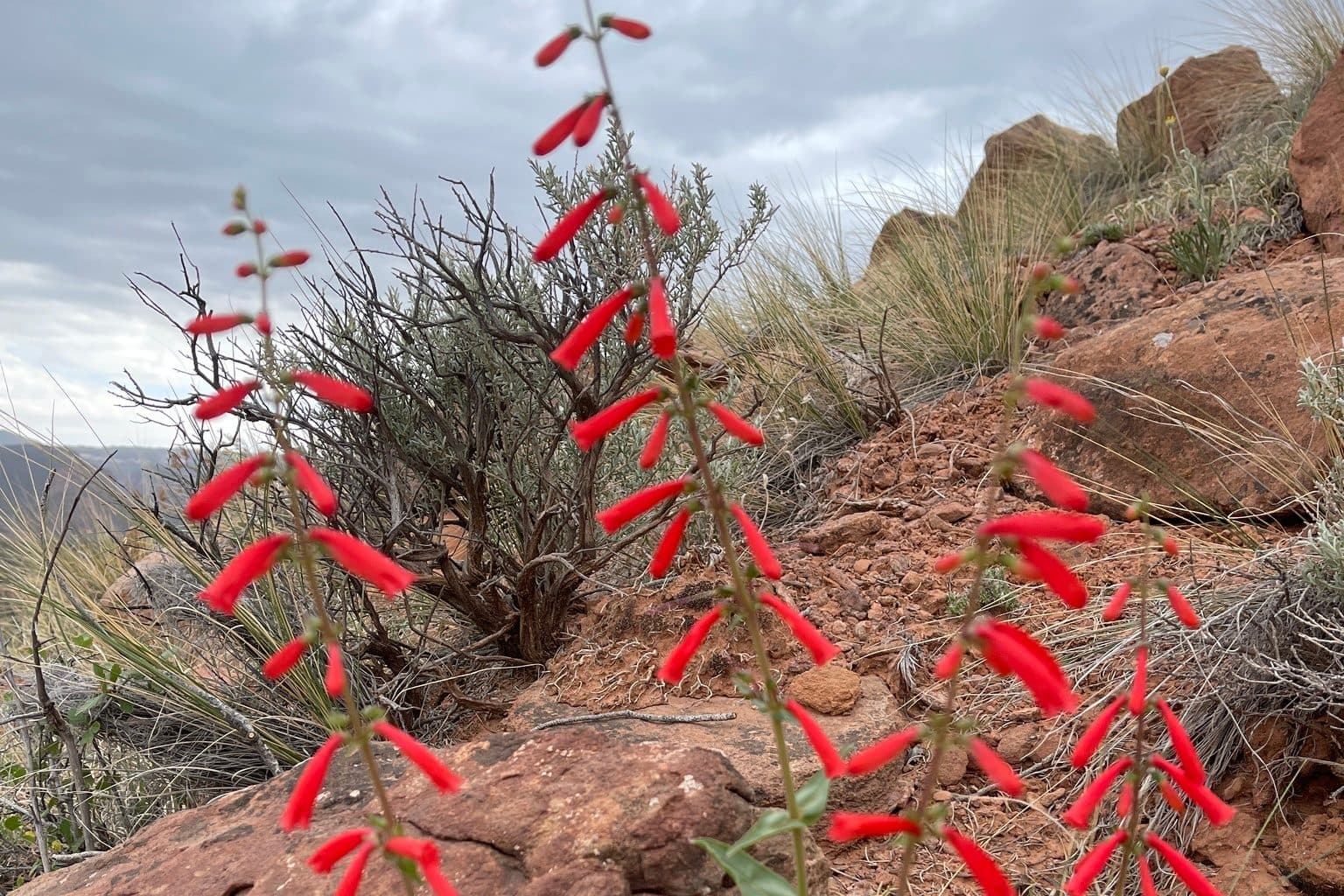
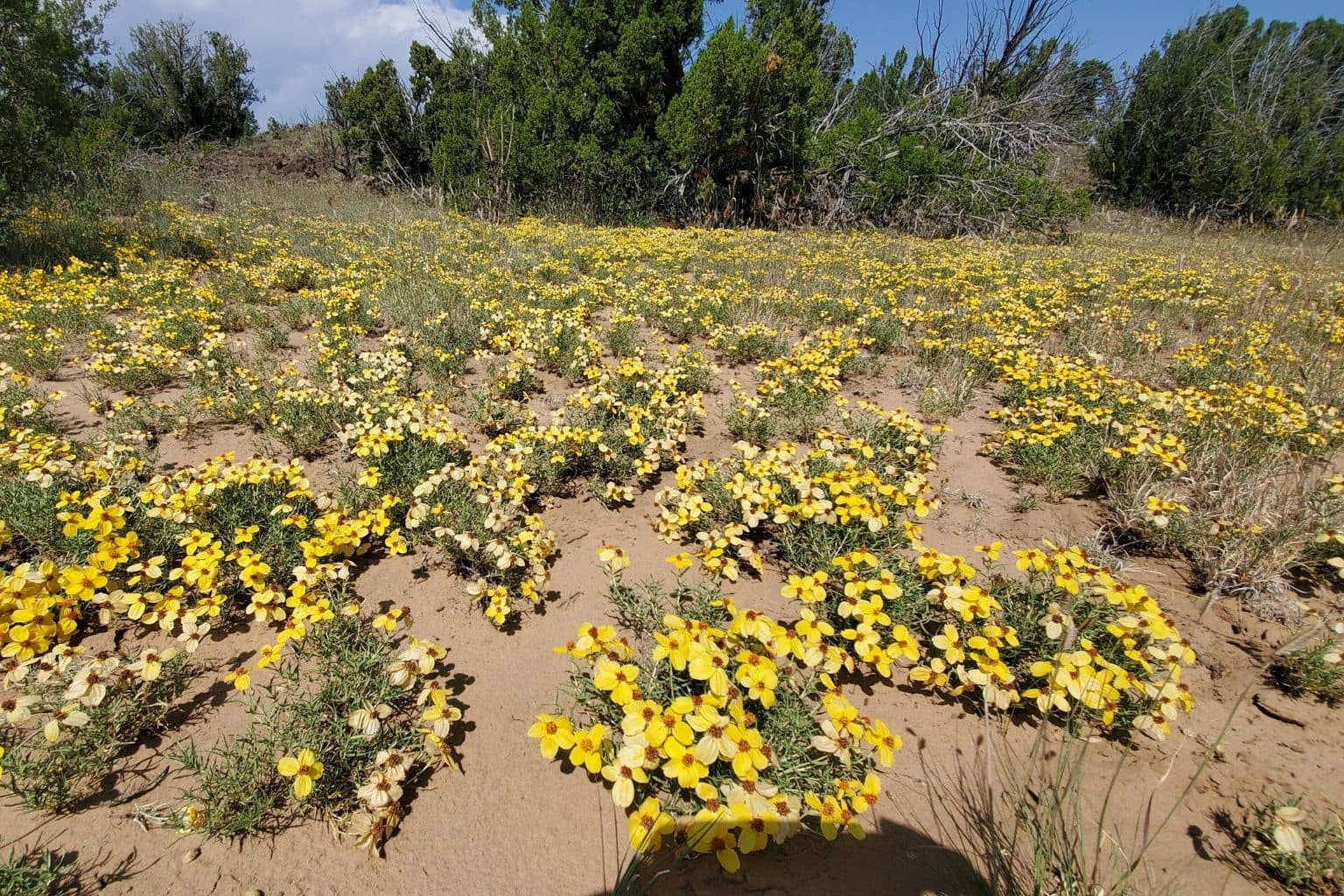
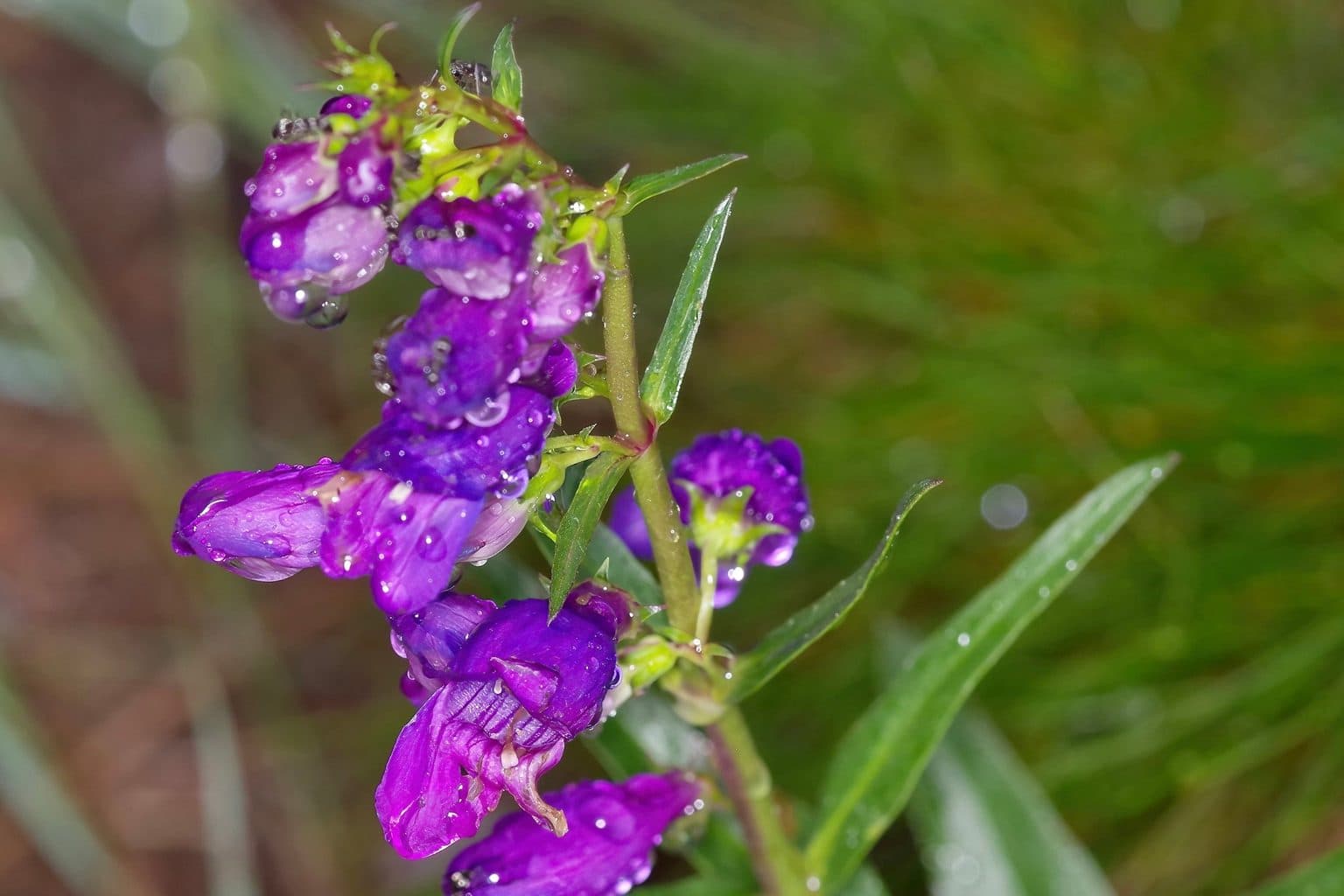
For yards along the Wasatch Front (the Salt Lake City area), Utah natives cover the 50 percent waterwise requirement with plants that actually feed pollinators. Firecracker penstemon (Penstemon eatonii) throws up red spikes hummingbirds find in early spring, blue flax (Linum lewisii) fills the middle layer with sky-blue morning flowers, and rubber rabbitbrush (Ericameria nauseosa) turns gold in late summer when little else blooms (native ranges per the Lady Bird Johnson Wildflower Center). All three are fully at home in the program's drip-irrigated, low-water design rules.
Last verified
The rates, the inspection-first rule, the plan requirements, and the one-year completion window here reflect the Landscape Incentive Program as of July 2026. City participation and rates change, so confirm yours on our Utah Water Savers program guide or at utahwatersavers.com before you plan. For other states, see the rebates directory.
Get the order of operations right
The Pollinator Patch app tracks the Utah Water Savers application for free: inspection before any digging, a property-specific plan (the program requires one), and a photo locker for the before photos and receipts the program asks for.
See the Utah program guide