Adam's needle
Yucca filamentosa
Last reviewed: October 2026
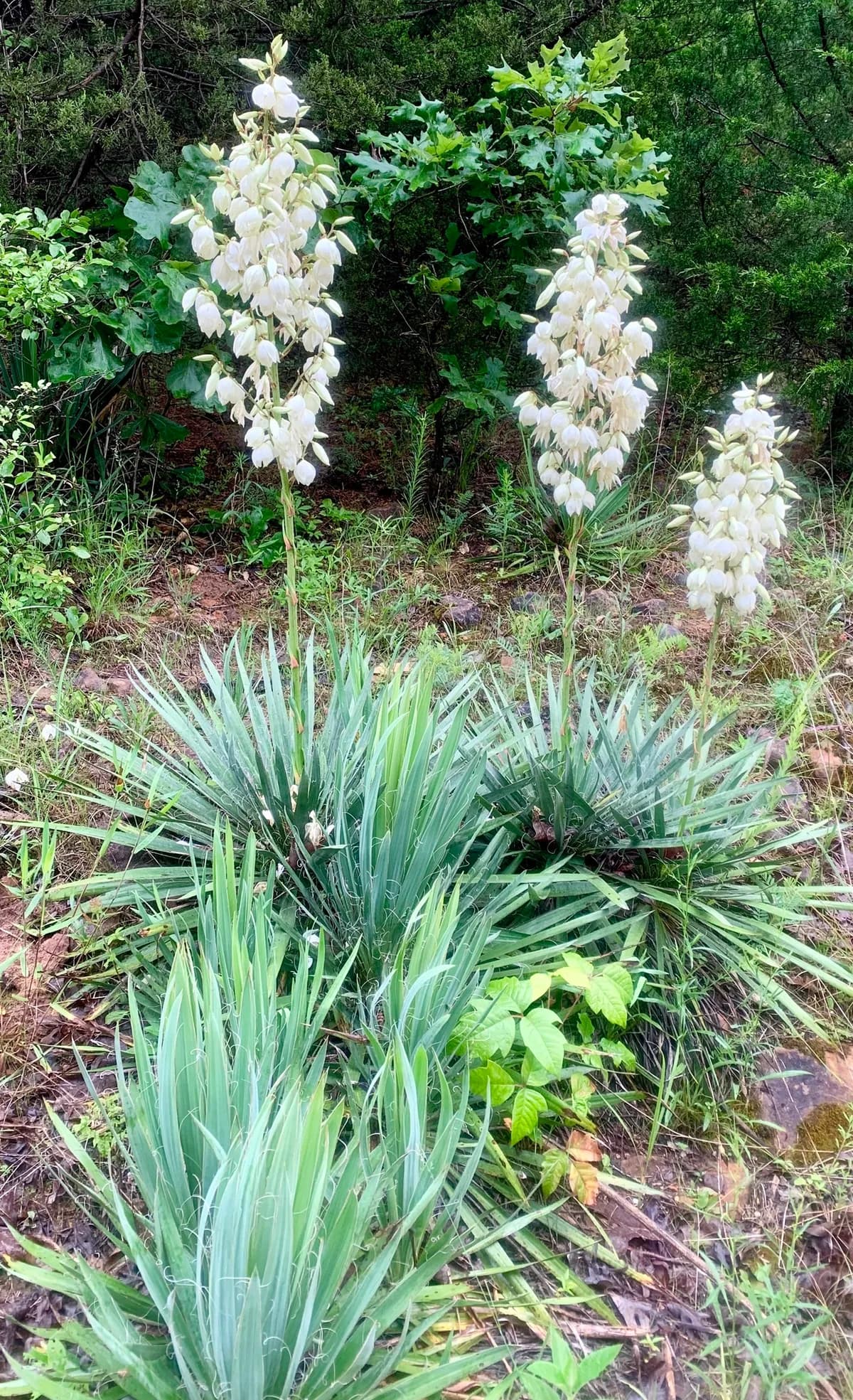
Yucca filamentosa is an evergreen rosette-forming succulent that sends up tall flower spikes of creamy white blooms from June through August. It thrives in full sun with low water once established, making it a reliable choice for dry, sandy garden beds.
Toxicity unknown
Adam's needle (Yucca filamentosa) is not listed by the ASPCA Animal Poison Control Center (opens in new tab) or the other sources we check, so we have no verdict for it either way. Absence from those lists is not a clearance. If your pet shows symptoms after eating any plant, call the ASPCA at (888) 426-4435.
Light
full sun
Water
low
Size
24"–96" H × 36"–48" W
Bloom
Jun, Jul, Aug
Native to
AL, FL, GA, LA and 7 more states
Pollinators
moths, bees
Before you buy
Your city may pay you to plant this
Cities and water utilities offer rebates for replacing lawn with native and water-wise plants. We track 459 programs across 44 states, each with a link to the provider and the date we last checked it.
Find rebates in your areaPicture natives in your own yard
Upload a photo of your yard and Patch Vision shows a rendering of it planted with natives for your region, like Adam's needle.


Browse plants for this ecoregion
A trunkless, clump-forming succulent with stiff, sword-shaped evergreen leaves edged in curling white filaments and a tall branched spike of large creamy-white bell-shaped flowers in summer. Adaptable to a wide range of soils.
Growing Adam's needle
Grow Adam's needle in full sun and low water. Mature plants reach 24 to 96 inches tall and spread 36 to 48 inches wide. Expect low maintenance to keep it looking intentional in a front yard.
How to care for Adam's needle, by region
How to care for Adam's needle where it is actually grown: year-round basics plus what to do each season, region by region, with the sources for each.
Care guidance last updated: September 2026
Cross Timbers (includes Fort Worth, TX)
Year-round
Adam's needle is a tough, low-water rosette plant that stays evergreen year round and needs very little from you once it's settled in.
- Plant in full sun, at least 6 hours of direct light a day, for the tightest, most compact rosette shape
- Water deeply about once a week for the first growing season, then let rainfall carry it; established plants only need supplemental water in extended summer drought
- In heavy black clay, set the crown a couple of inches above grade on a slight mound or amend the planting hole for drainage; in the sandier soils west of the metro it drains faster on its own but will need water more often through its first summer
- Give it 3 to 4 feet of open space on all sides since the leaf tips are sharp and stiff, avoid planting it right next to a walkway, driveway, or anywhere kids or pets pass close by
- Skip fertilizer in most yards, it flowers and holds its shape better in lean soil
A single Adam's needle planted with breathing room reads as a deliberate structural accent, not overgrowth, which is an easy case to make if a board ever asks about it.
Fall
Fall is a quiet season for Adam's needle, mostly light tidying as growth slows and North Texas cools off.
- Trim any brown or damaged leaves at their base, but leave healthy green leaves in place through winter for cold protection
- Skip fertilizing or heavy pruning this time of year, the plant is shifting into dormancy
- If you're adding a new plant, fall (September through November) works nearly as well as spring for these low-water succulents, since roots have mild weather to establish before summer
- Rake fallen leaves or debris out from the base of the clump so the crown stays dry
Winter
Adam's needle stays green and holds its shape through North Texas winters, needing almost nothing from you except protection from foot traffic near its sharp leaf tips.
- Leave the plant alone through short cold snaps, it tolerates USDA zone 8a to 8b winters without covering
- During a severe Arctic outbreak with hard, multi-day freezes, a light frost cloth over the crown is optional extra insurance, most established plants do not need it
- Do not water on a schedule in winter, only if the soil has been bone dry for several weeks with no rain
- Hold off on any pruning until you see new spring growth, so you can tell live tissue from winter damage
The evergreen rosette shape stays visually neat all winter with no work from you, useful if a neighbor or board member is scanning bare-looking yards this time of year.
Spring
Spring is the best time to plant Adam's needle in North Texas, and it's when older clumps send up their tall flower stalk.
- Plant new nursery starts any time from March through May once the last frost has passed (mid March in North Texas)
- Water a new planting twice a week for the first 3 to 4 weeks to help roots establish before summer heat arrives
- Watch for a thick flower stalk rising from the center of mature clumps starting in late spring, it can reach several feet tall
- Remove any winter-damaged or browned leaf tips at the base with clean shears before new growth picks up
A fresh spring flower stalk rising above the leaf clump is the plant's showiest, most obviously intentional moment, a good time to point it out if curb appeal ever comes up.
Summer
Summer brings the full bloom show on tall flower stalks, and this plant handles North Texas heat and dry spells with almost no help from you.
- Established plants (in the ground over a year) need no supplemental water even through 100F-plus weeks, only water new plantings if leaves start to curl or droop
- White, bell-shaped flowers open on the stalk through June, July, and August, usually opening in the evening
- Cut the spent flower stalk down to the base once blooming finishes and it starts to brown, to keep the clump tidy
- Watch for the small white yucca moth visiting flowers at dusk, it is the plant's only pollinator and its caterpillars develop inside the seed pods without harming the plant
Cutting the flower stalk back promptly once it browns keeps the plant looking maintained through the hottest, most visible part of the growing season.
Sources: Lady Bird Johnson Wildflower Center: Yucca filamentosa, ASPCA: Yucca toxicity, Xerces Society: Yucca moth and yucca pollination
Southeastern Plains (includes Tallahassee, FL)
Year-round
Adam's needle is a tough, spiky evergreen that does well in Tallahassee yards once it is settled in. It wants sun, sandy or well drained soil, and very little fussing after that.
- Give it full sun to light part shade with good air movement around the base. It tolerates some shade but flowers and holds its shape best in more sun.
- It grows fine in Tallahassee's sandy to sandy loam soils and is not picky about pH, acidic or alkaline both work. The one thing it needs is drainage, not rich soil.
- It is very drought tolerant once established. Overwatering, not underwatering, is the main way people lose this plant, since soggy soil around the crown leads to rot.
- The leaf tips are stiff and sharp enough to break skin. Plant it a few feet back from front walkways, driveways, and low windows where people or pets brush past.
- Yucca is on the ASPCA's toxic plant list for dogs, cats, and horses (the toxic compounds are saponins). Pets that chew the leaves usually end up vomiting, and horses can develop liver problems or skin irritation. Keep pets from chewing on it.
Its neat, symmetrical evergreen rosette and slow growth read as tidy structure for an HOA-conscious front bed, and it never needs shearing or spraying to keep that look.
Fall
Fall's cooler air and still warm soil make it a good stretch for planting or moving this yucca, well ahead of Tallahassee's first frost.
- Cooling temperatures plus soil that is still warm from summer make early to mid fall a good stretch to plant a new Adam's needle or move an established clump, well before Tallahassee's average first frost around November 10 (NWS Tallahassee).
- The tail end of hurricane season runs through November, so keep an eye on drainage the same way you did in summer if a tropical system brings heavy rain.
- The bloom stalk from summer will have dried out by now. Cut it at the base if you want a cleaner look, or leave it standing, it will not hurt the plant either way.
- No frost protection needed yet this early in fall. Adam's needle handles Tallahassee's mild early cold snaps on its own.
Winter
Tallahassee's zone 9a winters sit well inside what this plant can handle, so it is a low effort season for it. The main watch item is a hard freeze browning some leaf tips.
- Adam's needle is rated hardy from USDA zone 7B through 10 (UF/IFAS), and Tallahassee sits in zone 9a, so an ordinary winter here does not call for frost cloth or covering on an established plant.
- A hard freeze can still brown some leaf tips. Tallahassee averages its first hard freeze around December 23 (NWS Tallahassee). Leave any cold damaged leaves in place over winter, they help shield the crown, and clean them up once spring growth starts.
- This is the plant's slow season. Skip fertilizer and hold off on any hard pruning until new growth picks back up in spring.
- If a rare hard freeze warning is issued, an established plant usually does not need covering, but a young or newly planted one can get a breathable frost cloth overnight (never plastic, which traps moisture against the leaves).
Spring
Spring in Tallahassee is cleanup and (if you want) transplant season for this plant, before the flower stalk starts up and before summer heat sets in.
- Tallahassee's frost and freeze season typically winds down by mid March (NWS Tallahassee), so once you are past that stretch, trim off any leaves that browned from winter cold, cutting the damaged leaf back to where it meets the stem.
- Spring, ahead of the heat and humidity of summer, is a good window to dig up and move offsets (the small pups that form at the base) if you want to relocate or share the plant.
- Watch for the flower stalk starting to push up from the center. It can end up several feet tall by early summer.
- Hold off on heavy fertilizer. This plant is built for lean sandy soil, and extra feeding mostly just makes the leaves floppy instead of upright.
Summer
Summer is bloom season, and it is also Tallahassee's heaviest rain stretch, so drainage matters more now than watering does.
- This is full bloom season. The tall flower stalk opens rows of creamy white bell shaped flowers that can hang around for several weeks.
- Tallahassee summers bring frequent, heavy afternoon thunderstorms. Plants sitting in a flat, slow draining spot are where crown and root rot shows up most. Skip supplemental watering in a normal Tallahassee summer, the rain is usually plenty.
- During hurricane season (through November), check after any big tropical rain event that water is not pooling at the base, and pull mulch back a few inches from the stem itself.
- Once the flower stalk finishes blooming you can cut it at the base for a tidier look, or leave it if you want the seed pods. Either way is fine for the plant.
Sources: ASPCA: Toxic and Non-Toxic Plants, Yucca, Lady Bird Johnson Wildflower Center: Yucca filamentosa (Adam's needle), UF/IFAS Extension: Yucca filamentosa, Adam's Needle (FPS-615), National Weather Service Tallahassee: Frost and Freeze Information
Texas Blackland Prairies (includes Dallas, TX)
Year-round
Adam's needle is a tough, low-water rosette plant that stays evergreen year round and needs very little from you once it's settled in.
- Plant in full sun, at least 6 hours of direct light a day, for the tightest, most compact rosette shape
- Water deeply about once a week for the first growing season, then let rainfall carry it; established plants only need supplemental water in extended summer drought
- In heavy black clay, set the crown a couple of inches above grade on a slight mound or amend the planting hole for drainage; in the sandier soils west of the metro it drains faster on its own but will need water more often through its first summer
- Give it 3 to 4 feet of open space on all sides since the leaf tips are sharp and stiff, avoid planting it right next to a walkway, driveway, or anywhere kids or pets pass close by
- Skip fertilizer in most yards, it flowers and holds its shape better in lean soil
A single Adam's needle planted with breathing room reads as a deliberate structural accent, not overgrowth, which is an easy case to make if a board ever asks about it.
Fall
Fall is a quiet season for Adam's needle, mostly light tidying as growth slows and North Texas cools off.
- Trim any brown or damaged leaves at their base, but leave healthy green leaves in place through winter for cold protection
- Skip fertilizing or heavy pruning this time of year, the plant is shifting into dormancy
- If you're adding a new plant, fall (September through November) works nearly as well as spring for these low-water succulents, since roots have mild weather to establish before summer
- Rake fallen leaves or debris out from the base of the clump so the crown stays dry
Winter
Adam's needle stays green and holds its shape through North Texas winters, needing almost nothing from you except protection from foot traffic near its sharp leaf tips.
- Leave the plant alone through short cold snaps, it tolerates USDA zone 8a to 8b winters without covering
- During a severe Arctic outbreak with hard, multi-day freezes, a light frost cloth over the crown is optional extra insurance, most established plants do not need it
- Do not water on a schedule in winter, only if the soil has been bone dry for several weeks with no rain
- Hold off on any pruning until you see new spring growth, so you can tell live tissue from winter damage
The evergreen rosette shape stays visually neat all winter with no work from you, useful if a neighbor or board member is scanning bare-looking yards this time of year.
Spring
Spring is the best time to plant Adam's needle in North Texas, and it's when older clumps send up their tall flower stalk.
- Plant new nursery starts any time from March through May once the last frost has passed (mid March in North Texas)
- Water a new planting twice a week for the first 3 to 4 weeks to help roots establish before summer heat arrives
- Watch for a thick flower stalk rising from the center of mature clumps starting in late spring, it can reach several feet tall
- Remove any winter-damaged or browned leaf tips at the base with clean shears before new growth picks up
A fresh spring flower stalk rising above the leaf clump is the plant's showiest, most obviously intentional moment, a good time to point it out if curb appeal ever comes up.
Summer
Summer brings the full bloom show on tall flower stalks, and this plant handles North Texas heat and dry spells with almost no help from you.
- Established plants (in the ground over a year) need no supplemental water even through 100F-plus weeks, only water new plantings if leaves start to curl or droop
- White, bell-shaped flowers open on the stalk through June, July, and August, usually opening in the evening
- Cut the spent flower stalk down to the base once blooming finishes and it starts to brown, to keep the clump tidy
- Watch for the small white yucca moth visiting flowers at dusk, it is the plant's only pollinator and its caterpillars develop inside the seed pods without harming the plant
Cutting the flower stalk back promptly once it browns keeps the plant looking maintained through the hottest, most visible part of the growing season.
Sources: Lady Bird Johnson Wildflower Center: Yucca filamentosa, ASPCA: Yucca toxicity, Xerces Society: Yucca moth and yucca pollination
In an HOA neighborhood
Adam's needle is an HOA-friendly choice. Maintenance level: low. Tidiness: 4 out of 5.
Works well in: front yard, foundation, street edge.
- Leaf tips are sharp; plant away from walkways and foot traffic
Wildlife value
Host plant for yucca moth.
Tall summer flower spikes are pollinated by yucca moths and also provide nectar for bees.
Common questions
- When does Yucca filamentosa bloom?
- Yucca filamentosa typically flowers from June through August, producing a tall spike of bell-shaped, creamy white blossoms above the evergreen leaf rosette.
- What pollinates Yucca filamentosa?
- Yucca filamentosa depends on yucca moths for pollination, a specialized relationship in which the moth lays eggs inside the flower while pollinating it. Bees also visit the blooms for nectar and pollen.
- How much water does Yucca filamentosa need?
- This plant prefers low water once established and handles dry spells well. It grows best in well-drained soil and should not be kept consistently wet.
- How much sun does Yucca filamentosa need?
- Yucca filamentosa grows best in full sun but can tolerate some part sun conditions, especially in hotter climates where a bit of afternoon shade can help.
- What kind of climate suits Yucca filamentosa?
- It does well in warm, humid summers and mild winters typical of the southeastern coastal plain and Piedmont regions, tolerating sandy, well-drained soils and periods of drought.
- Is Adam's needle HOA-friendly?
- Adam's needle is generally an HOA-friendly choice in the right placement, with low maintenance.
These answers were drafted with an AI model from this plant's data. Verify care details with a local expert.
Native range data from the World Checklist of Vascular Plants (Kew). Pollinator and host plant associations compiled from GBIF, iNaturalist, and published ecological literature.
If something looks wrong
Common plant problems, and what to check first
These come up on almost any plant. Each guide lists the likely causes in the order they are worth ruling out, with one thing to check before you act on any of them, and links to the source it came from.
- It is dying right after planting
- Leaves turning yellow
- Wilting even though I watered it
- Brown crispy leaf tips
- Bugs on the plant
Ready to grow Adam's needle? Add it to your garden in Pollinator Patch to track it and get season-by-season care guidance.