Appalachian-tea
Ilex glabra
Last reviewed: October 2026
Ilex glabra is an evergreen shrub that blooms in May and June with small white flowers, thriving in part sun and medium to consistently moist soil along woodland edges and wetland margins.
Toxicity unknown
Appalachian-tea (Ilex glabra) is not listed by the ASPCA Animal Poison Control Center (opens in new tab) or the other sources we check, so we have no verdict for it either way. Absence from those lists is not a clearance. If your pet shows symptoms after eating any plant, call the ASPCA at (888) 426-4435.
The USDA PLANTS Database (opens in new tab) does not flag Appalachian-tea as toxic to livestock.
Light
part sun
Water
medium
Size
36"–96" H × 36"–96" W
Bloom
May, Jun
Native to
AL, AR, CT, DE and 16 more states
Pollinators
bees, butterflies, beetles
Before you buy
Your city may pay you to plant this
Cities and water utilities offer rebates for replacing lawn with native and water-wise plants. We track 459 programs across 44 states, each with a link to the provider and the date we last checked it.
Find rebates in your areaPicture natives in your own yard
Upload a photo of your yard and Patch Vision shows a rendering of it planted with natives for your region, like Appalachian-tea.


Browse plants for this ecoregion
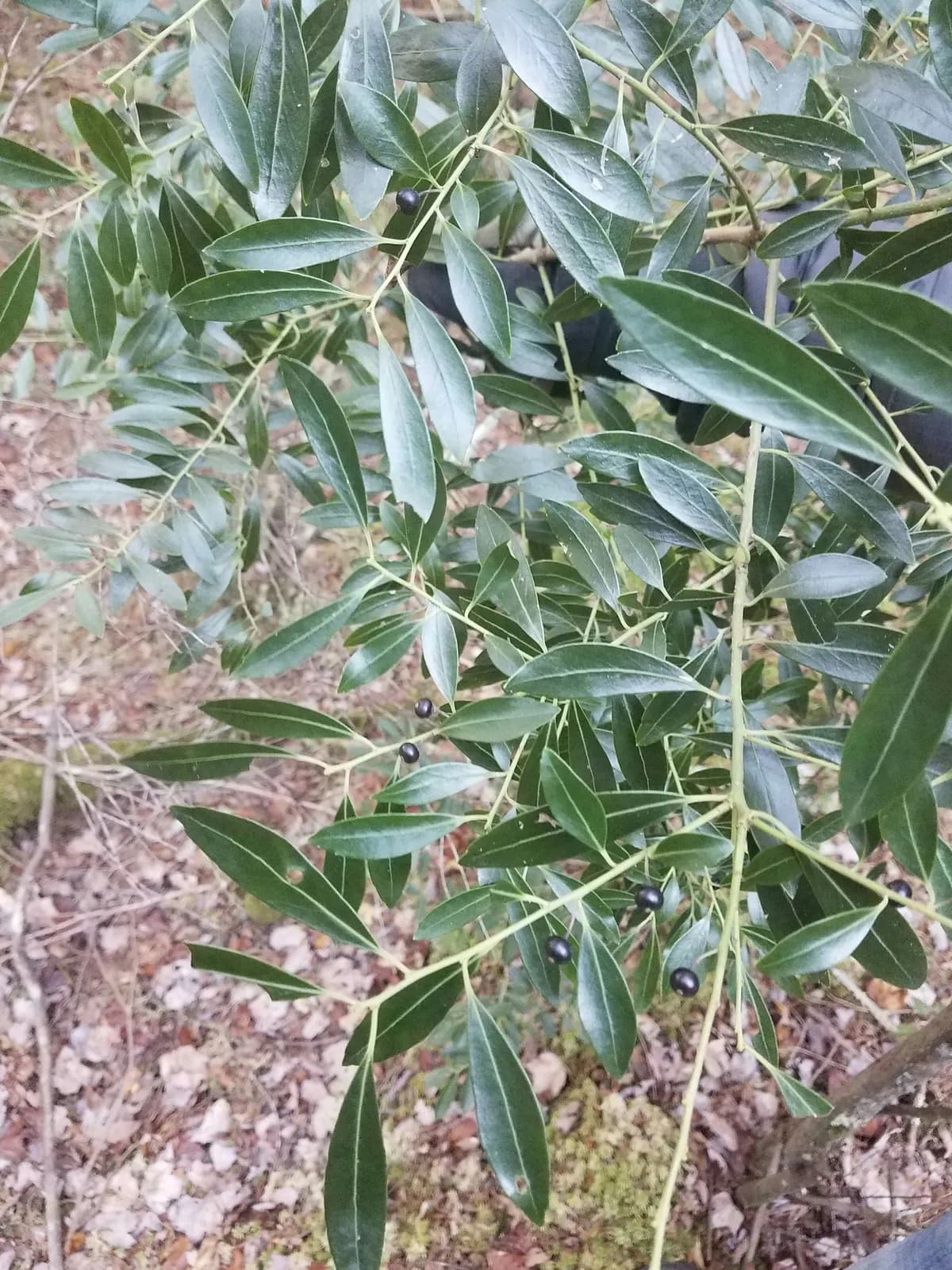
Inkberry holly is a versatile native evergreen shrub that forms dense, rounded clumps with small glossy leaves. It produces tiny white flowers in late spring followed by black berries on female plants. This adaptable shrub tolerates various soil conditions and can be pruned to maintain desired size and shape.
Growing Appalachian-tea
Grow Appalachian-tea in part sun and medium water. Mature plants reach 36 to 96 inches tall and spread 36 to 96 inches wide. Expect low maintenance to keep it looking intentional in a front yard.
How to care for Appalachian-tea, by region
How to care for Appalachian-tea where it is actually grown: year-round basics plus what to do each season, region by region, with the sources for each.
Care guidance last updated: September 2026
Piedmont (includes Atlanta, GA)
Year-round
Water deeply and keep the soil consistently moist. In the wild this shrub grows in wet, boggy ground, so it does not like drying out.
- Give it full sun to part shade. Some afternoon shade helps it handle hot stretches better.
- Plant it in acidic, well drained soil, and work in compost or pine bark fines if your yard has heavy Piedmont clay.
- Keep the root zone consistently moist. It handles occasional standing water far better than it handles drought.
- It naturally forms a rounded, colony like mound 6 to 12 feet tall and wide, so give it room or plan to keep it pruned as a hedge.
- If you shape it, prune in early spring just before new growth starts. It tolerates hard pruning well if it gets leggy over time.
Fall
Fall is a good time to plant or move inkberry around Atlanta, and it is when berries on female plants ripen for the birds.
- Georgia's mild fall lets roots get established before winter, so this is a good window for new plantings or moving an established shrub.
- On female plants, small berries turn jet black by late fall. They feed birds through winter, so leave them on the shrub rather than cutting them off.
- Skip pruning now. Cutting back in fall can trigger new growth that will not harden off before the first freeze.
- Rake fallen leaves and debris away from the base, but do not disturb the shallow root zone. A light mulch refresh now helps going into winter.
- The berries contain saponins, and ASPCA lists inkberry as toxic to dogs and cats if eaten, with vomiting and diarrhea as the main concern, so keep pets from snacking on fallen fruit.
Leaving the berries in place through fall keeps the shrub looking full and intentional rather than picked over, which reads as tidy to most HOA reviewers.
Winter
Atlanta winters are mild for this shrub. It keeps its evergreen leaves through the cold, so there is little winter care beyond watching for ice damage.
- Inkberry is evergreen and holds its dark green leaves all winter, giving your yard some structure when deciduous plants are bare.
- Occasional Atlanta ice storms can bend or snap branches. Gently brush heavy ice off if you can reach a branch without forcing it.
- Water during dry winter stretches if there has been no rain for a couple of weeks. Evergreen leaves keep losing moisture even in cold weather.
- Hold off on any pruning until very late winter, right before spring growth starts, so you do not push out tender growth ahead of a freeze.
- It is rated hardy down to USDA zone 4, well past typical Atlanta winter lows, so cold itself is not a real concern here.
Because it stays green and full through winter, this shrub reads as neat and maintained during the months when many yards look bare, without extra work on your part.
Spring
Spring is when inkberry blooms and pushes new growth, so it is both the one window to prune and a real draw for bees.
- Small greenish white flowers open from around May into June. They are easy to miss, but bees notice them.
- Lady Bird Johnson Wildflower Center notes inkberry has special value to honey bees, so let the flowers finish on their own instead of deadheading them.
- If you want to shape the shrub, do it now, right before new growth flushes out. Pruning after this point removes the flower buds for the year.
- Check new leaves for early leafminer damage. It is easier to deal with in spring than once it has spread.
- Remember inkberry is dioecious, so you need both a male and a female plant nearby if you want berries later in the year.
Summer
Atlanta summers are hot and humid, so keep the soil evenly moist and watch for the pests that show up in that kind of heat.
- Deep water once or twice a week during dry stretches. This shrub struggles more with drought than with too much water.
- Keep 2 to 3 inches of mulch over the root zone to hold moisture and keep Piedmont clay from baking hard in the sun.
- Watch for Japanese wax scale and southern red mites, both common holly pests in hot weather. Check the undersides of leaves and stems.
- Spring growth should be hardening off by now. Avoid heavy pruning in mid summer, since it can push out tender new growth right before fall.
- Yellowing leaves in summer heat usually mean the soil is too dry or not acidic enough for this shrub, not that it is getting too much water.
Sources: Lady Bird Johnson Wildflower Center, Ilex glabra plant profile, NC State Extension Gardener Plant Toolbox, Ilex glabra, ASPCA Toxic and Non-toxic Plants, Inkberry
In an HOA neighborhood
Appalachian-tea is an HOA-friendly choice. Maintenance level: low. Tidiness: 4 out of 5.
Works well in: front yard, foundation, street edge, mid zone.
Wildlife value
Host plant for Henry's Elfin butterfly.
The flowers attract bees, butterflies, and beetles during bloom season. Female plants produce berries that provide food for birds through winter months.
Common questions
- When does Ilex glabra bloom?
- Ilex glabra blooms in May and June, producing small white flowers along its stems.
- What kind of light does Ilex glabra prefer?
- It grows best in part sun, tolerating conditions from full sun to part shade, with fuller flowering and denser form in brighter light.
- How much water does Ilex glabra need?
- This shrub prefers medium moisture but tolerates wetter sites, making it a good fit for rain gardens, pond edges, and low spots that stay damp after rain.
- Does Ilex glabra attract pollinators?
- Its small spring flowers draw bees, butterflies, and beetles, which visit for nectar and pollen during the May and June bloom period.
- Is Ilex glabra evergreen?
- Yes, it keeps its small, dark green leaves year round, which makes it useful as a structural or hedge planting in mixed borders.
- Is Appalachian-tea toxic to livestock?
- The USDA PLANTS Database does not flag Appalachian-tea as toxic to livestock.
- Is Appalachian-tea HOA-friendly?
- Appalachian-tea is generally an HOA-friendly choice in the right placement, with low maintenance.
These answers were drafted with an AI model from this plant's data. Verify care details with a local expert.
Native range data from the World Checklist of Vascular Plants (Kew). Pollinator and host plant associations compiled from GBIF, iNaturalist, and published ecological literature.
If something looks wrong
Common plant problems, and what to check first
These come up on almost any plant. Each guide lists the likely causes in the order they are worth ruling out, with one thing to check before you act on any of them, and links to the source it came from.
- It is dying right after planting
- Leaves turning yellow
- Wilting even though I watered it
- Brown crispy leaf tips
- Bugs on the plant
Ready to grow Appalachian-tea? Add it to your garden in Pollinator Patch to track it and get season-by-season care guidance.