Arrowwood Viburnum
Viburnum dentatum
Last reviewed: September 2026
Viburnum dentatum is a deciduous shrub often found along woodland edges, streambanks, and wet meadows in the eastern and midwestern United States. It produces clusters of white flowers from spring into summer and draws bees and butterflies.
Toxicity unknown
Arrowwood Viburnum (Viburnum dentatum) is not listed by the ASPCA Animal Poison Control Center (opens in new tab) or the other sources we check, so we have no verdict for it either way. Absence from those lists is not a clearance. If your pet shows symptoms after eating any plant, call the ASPCA at (888) 426-4435.
Light
full sun
Water
low
Size
72"–120" H × 144"–144" W
Bloom
Mar, Apr, May, Jun, Jul, Aug
Native to
DE, GA, IA, IL and 13 more states
Pollinators
butterflies, bees
Before you buy
Your city may pay you to plant this
Cities and water utilities offer rebates for replacing lawn with native and water-wise plants. We track 452 programs across 44 states, each with a link to the provider and the date we last checked it.
Find rebates in your areaBrowse plants for this ecoregion
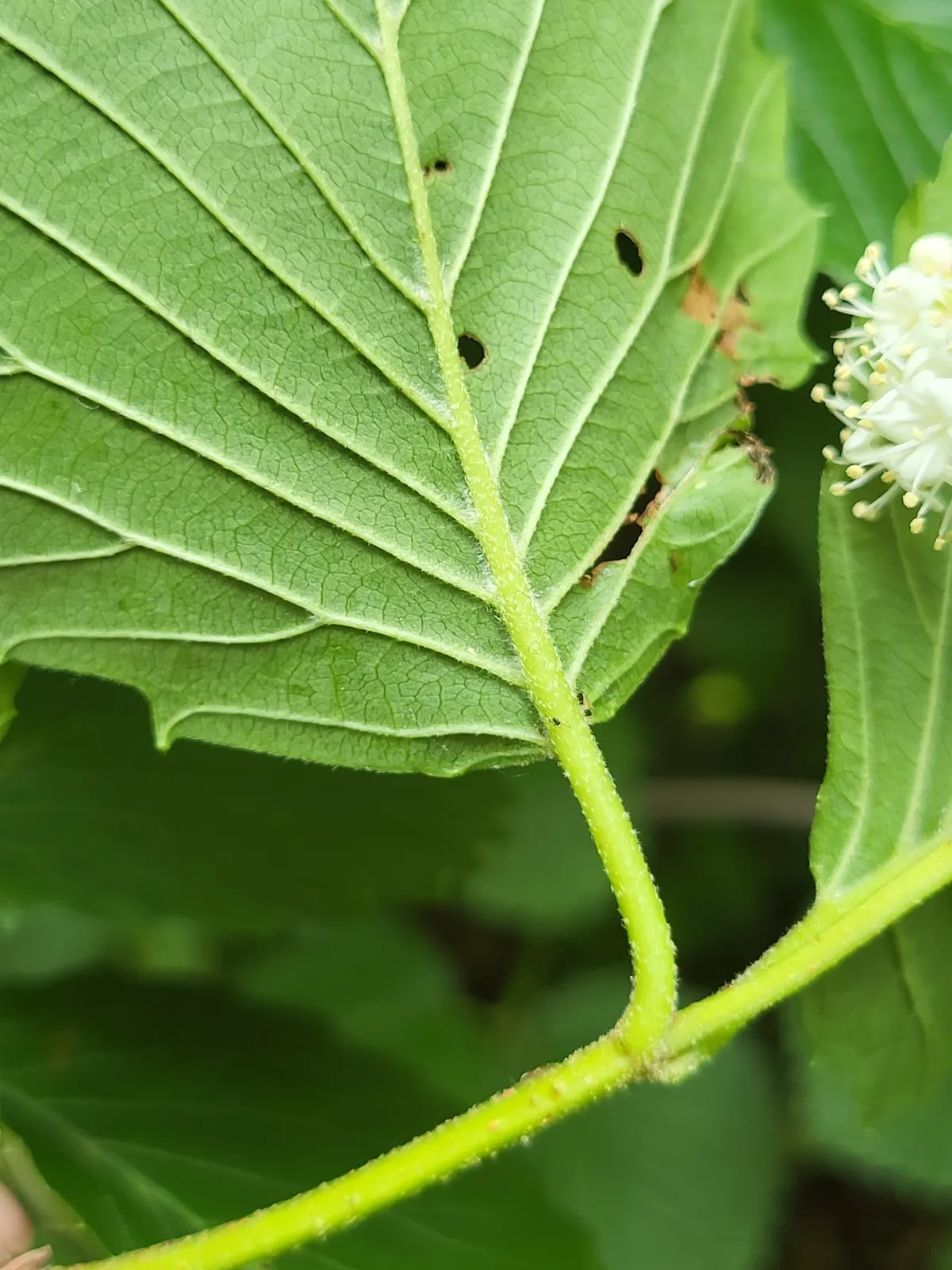
Arrowwood Viburnum is a deciduous shrub that produces clusters of white flowers from spring through summer, followed by blue-black berries in fall. This adaptable native grows 6-10 feet tall with a broad, rounded form and attractive fall color.
Growing Arrowwood Viburnum
Grow Arrowwood Viburnum in full sun and low water. Mature plants reach 72 to 120 inches tall and spread 144 to 144 inches wide. Expect low maintenance to keep it looking intentional in a front yard.
How to care for Arrowwood Viburnum, by region
How to care for Arrowwood Viburnum where it is actually grown: year-round basics plus what to do each season, region by region, with the sources for each.
Care guidance last updated: September 2026
Mississippi Valley Loess Plains (includes Memphis, TN)
Year-round
Arrowwood viburnum is not from this part of Tennessee, but it grows well in the Memphis area's zone 8a humid subtropical climate. It handles the heavy clay and loess soils common around Memphis and works as a dense, tidy hedge or screening shrub.
- Plant in full sun to part shade. It tolerates both dry clay and occasionally wet spots.
- Water deeply once or twice a week the first growing season to establish roots in Memphis's clay soil.
- Space plants 5 to 6 feet apart for a solid hedge. It naturally forms a rounded, multi stemmed shape.
- Mulch 2 to 3 inches deep to hold moisture through Memphis's hot, humid summers.
- Skip fertilizer in most home soils. Arrowwood does fine in average garden loam without regular feeding.
Its neat, rounded habit and reliable fall color make it a good HOA-friendly hedge or foundation planting.
Fall
Clusters of blue black berries ripen on arrowwood through the fall in Memphis, usually into October, and the leaves often turn shades of red and burgundy.
- Fall, after Memphis's summer heat breaks, is a good time to plant new arrowwood since roots can establish before winter.
- Leave the berries for birds. They are one of the shrub's main wildlife benefits in the yard.
- Rake and remove fallen leaves with any spot disease to reduce next year's fungal pressure.
- Hold off on major pruning in fall so the shrub isn't pushed to put out tender new growth before frost.
Fall berries and color give the shrub good curb appeal without any extra work.
Winter
Memphis winters are mild, zone 8a, with the first frost typically arriving in early November, so arrowwood usually just needs to be left alone once dormant.
- Deciduous branches are bare through winter. Use this time to check the shrub's shape before spring growth resumes.
- Structural pruning to remove dead or crossing branches is best done in late winter while the plant is dormant.
- Protect young, first year plants with mulch if an unusual hard freeze is forecast.
- Do not prune in winter for shape only, since flower buds for spring are already set on last year's wood.
A quick late winter cleanup keeps the shrub's shape sharp before it leafs out.
Spring
Arrowwood blooms with flat clusters of small white flowers in April and May in the Memphis area, right after the last frost typically passes in late March.
- Prune right after the flowers fade, from late May into July, since it sets next year's flower buds on the current season's growth.
- Watch new spring growth for aphids, which can cluster on tender shoot tips in warm weather.
- Cut out any suckers at the base in spring if you want to keep the shrub from spreading wider.
- A light layer of compost in early spring is enough if the shrub looks pale or slow to leaf out.
Summer
Memphis summers are hot and humid, which can bring powdery mildew and leaf spot to arrowwood if air can't move through the shrub.
- Space or thin branches so air circulates, since Memphis humidity favors fungal leaf issues.
- Water during dry stretches, aiming for the soil rather than wetting the foliage.
- Watch for viburnum leaf beetle, an introduced pest more common in the Northeast but worth checking for as it spreads south.
- Avoid heavy pruning in high summer heat, which stresses the shrub going into fall.
Keeping the shrub airy and mildew free keeps it looking tidy from the street.
Sources: USDA NRCS Plant Fact Sheet: Southern Arrowwood, NC State Extension Gardener Plant Toolbox: Viburnum dentatum
Northeastern Coastal Zone (includes New York, NY)
Year-round
Arrowwood viburnum is a hardy deciduous shrub that reaches 6 to 10 feet with white spring flowers, blue-black fall berries, and good fall leaf color. Around New York City it is well suited to the climate and asks for little once its roots are down. Steady water in the first couple of years is the main thing.
- Water new plants deeply once or twice a week through the first two growing seasons so the root ball never fully dries out. This builds the deep roots that carry the shrub later.
- Once established, this shrub handles average rainfall in the New York area and only needs extra water during summer dry spells. It tolerates a range of soils and some wet ground.
- Keep a 2 to 3 inch mulch layer over the roots, held back from the stems, to hold moisture and keep down weeds.
- Common mistake: shearing it into a tight ball. It looks and flowers best with a natural shape, and any real pruning should happen right after it blooms so you keep next year's flowers and berries.
Fall
Fall is a strong season for this shrub in the New York area, with blue-black berries and reddish-purple leaf color. It is a good planting window and a light cleanup time.
- Early fall is a good second planting window here. The soil is still warm enough for roots to grow before the ground freezes, and cooling weather means less watering.
- Leave the berries and the natural branch shape for the season. The fruit feeds migrating and resident birds and the shrub looks fuller uncut.
- Rake up heavy leaf buildup right around the base if it mats down, but save real pruning for after bloom next spring.
Clearing matted leaves and any dead stems around the base keeps the shrub reading as intentional and tended from the sidewalk, which helps avoid a violation letter, while the real shaping waits for after bloom next spring.
Winter
This shrub is fully cold hardy through New York area winters and rests while dormant. Winter is the time for any structural pruning the plant genuinely needs.
- No winter protection is needed. The shrub drops its leaves and handles freezing temperatures and snow load without help.
- You do not need to water a dormant shrub. Natural winter moisture and snowmelt are enough.
- If a branch is broken by snow or ice, or is clearly dead, remove it in late winter. Keep in mind heavy cuts now trade away some of this coming spring's flowers, so limit winter work to structural fixes.
Removing snow-broken or dead branches keeps the bare winter silhouette looking intentional through the dormant months and helps avoid a violation letter for a shrub that reads as neglected.
Spring
Spring in the New York area is the best planting window and the time the flat white flower clusters appear. Set the plant up now for an easy summer.
- Plant in spring once the ground has thawed so roots settle in before summer. Water it in well and keep the soil evenly moist for the first several weeks.
- Prune for shape only right after the white flowers fade in late spring. Cutting later removes the buds that become next year's flowers and fall fruit.
- Top up mulch to 2 to 3 inches as new growth starts to hold spring moisture and keep weeds down.
Summer
Summers around New York are usually mild enough that this shrub coasts on rainfall, but hot dry stretches in July and August still call for a check on watering.
- During a dry week with little rain, give the shrub a deep soak so water reaches the whole root zone. In a normal rainy summer you may not need to water an established plant at all.
- Watch newly planted shrubs more closely than established ones. Young roots dry out faster and need water sooner in a hot spell.
- Hold off on pruning. Summer cuts remove the green berries ripening for fall and add stress during the warm months.
Sources: North Carolina Extension Gardener Plant Toolbox Viburnum dentatum, ASPCA Toxic and Non-Toxic Plant List for Cats
Texas Blackland Prairies (includes Dallas, TX)
Year-round
Arrowwood viburnum is a tough deciduous shrub that grows into a rounded 6 to 10 foot form with white spring flowers and blue-black fall berries. In the Dallas area it holds up best with a little extra help through hot, dry summers and the region's heavy clay soil. Get it established with steady water, then it needs much less fuss.
- For the first two growing seasons, water deeply once or twice a week so the whole root ball stays moist. This is when the plant sinks the roots it will rely on later.
- Once established, water deeply every 7 to 10 days in summer. Blackland clay holds water, so let the top inch or two dry out before you water again to avoid soggy roots.
- Keep a 2 to 3 inch ring of mulch over the root zone, pulled back a few inches from the stems, to hold moisture and keep the clay from cracking in summer heat.
- Common mistake in this area: planting in a low spot where clay stays waterlogged. Give it a spot that drains after a heavy rain, and prune only right after it finishes blooming so you don't cut off next year's flowers.
Fall
Fall brings blue-black berries and reddish leaf color in the Dallas area. It is a good time to plant and to do light cleanup, but leave the shrub mostly intact.
- Fall is a fine second window to plant here. Cooler air and warm soil let roots grow in before winter, and you can ease back on watering as temperatures drop.
- Leave the berries and the natural branch shape alone. The fruit feeds birds and the shrub looks fuller through the season without cutting it back.
- Do any real pruning next spring after bloom, not now. A light tidy of clearly dead or crossing stems is fine if the front bed is looking untidy.
A quick tidy of dead or crossing stems keeps the shrub reading as intentional and cared for from the curb, which helps avoid a violation letter, while you save the real shaping for after bloom next spring.
Winter
Winters in the Dallas area are mild for this cold-hardy shrub, so winter is mostly a rest period. This is the season to handle any structural pruning if the plant truly needs it.
- The shrub is fully cold hardy here and needs no winter protection. It drops its leaves and rests until spring.
- Water once every few weeks only if there is a long dry, warm spell with no rain, since the plant uses little water while dormant.
- If a branch is broken, dead, or badly out of shape, late winter is the time to remove it. Accept that heavy cuts now will reduce this coming spring's flowers, so keep winter cuts to structural fixes only.
A clean winter silhouette, with broken or dead branches removed, keeps the bare shrub looking intentional through the dormant months and helps avoid a violation letter for an overgrown or neglected look.
Spring
Spring is planting and feeding time in the Dallas area. Watch for the flat white flower clusters, and set up your watering before the heat arrives.
- Plant in early spring so roots have time to settle before summer heat. Water the new plant in well and keep the soil evenly moist for the first several weeks.
- If you want to shape the shrub, do it right after the white flowers fade in late spring. Pruning later removes the wood that would carry next year's blooms and fall berries.
- Refresh mulch to 2 to 3 inches now, before soil temperatures climb, so the root zone stays cooler through summer.
Summer
Dallas summers are the hard season for this shrub. Heat and clay soil mean watering is the main job, especially during the long dry stretches from July into September.
- Water deeply every 7 to 10 days during hot, dry weeks. Soak the whole root zone slowly rather than a quick surface sprinkle so water reaches the deeper roots.
- Watch for wilting or scorched leaf edges in afternoon heat. A little afternoon shade helps in the hottest inland spots, and a deep soak usually perks it back up.
- Do not prune now. Summer cuts stress a heat-stressed plant and remove developing berries that feed birds into fall.
Sources: North Carolina Extension Gardener Plant Toolbox Viburnum dentatum, ASPCA Toxic and Non-Toxic Plant List for Dogs
Want these tasks as reminders timed to your yard? Pollinator Patch turns this guidance into a season-by-season care plan for the plants you actually grow.
In an HOA neighborhood
Arrowwood Viburnum takes more care to keep looking intentional in a front yard. Maintenance level: low. Consider it for backyard or mid-zone beds rather than the street edge.
Works well in: backyard only.
- Height exceeds typical HOA-friendly range
Wildlife value
The long blooming period attracts numerous butterflies and bees throughout the growing season. Birds enjoy the berries in fall, making this an excellent wildlife habitat plant.
Common questions
- How much light does Viburnum dentatum need?
- It performs best in full sun but adjusts well to part sun or part shade, flowering less heavily as shade increases.
- How much water does Viburnum dentatum require?
- Once established it tolerates low water and short dry spells, though it grows most vigorously in medium to consistently moist soil, including spots that stay wet part of the year.
- When does Viburnum dentatum bloom?
- Flat clusters of small white flowers open in spring and can continue into summer, generally from March through August depending on local climate.
- Does Viburnum dentatum attract pollinators?
- Yes, the flat-topped flower clusters are a nectar source for bees and butterflies through the blooming season.
- What kind of soil and site suits Viburnum dentatum?
- It adapts to a range of soils from sandy to clay and tolerates occasional flooding, which is why it is often planted along stream banks and in low-lying garden areas.
- Is Arrowwood Viburnum HOA-friendly?
- Arrowwood Viburnum takes more care to look intentional in a front yard. Consider it for backyard or mid-zone beds rather than the street edge.
These answers were drafted with an AI model from this plant's data. Verify care details with a local expert.
Native range data from vouchered herbarium specimen records and regional native plant society lists. Pollinator and host plant associations compiled from GBIF, iNaturalist, and published ecological literature.
If something looks wrong
Common plant problems, and what to check first
These come up on almost any plant. Each guide lists the likely causes in the order they are worth ruling out, with one thing to check before you act on any of them, and links to the source it came from.
- It is dying right after planting
- Leaves turning yellow
- Wilting even though I watered it
- Brown crispy leaf tips
- Bugs on the plant
Ready to grow Arrowwood Viburnum? Add it to your garden in Pollinator Patch to track it and get season-by-season care guidance.
Planning a bed around it? Start a free plan with this plant
Not sure where to start? Take the 2-minute yard quiz