Yellow Birch
Betula lutea
Last reviewed: June 2026
Light
part sun
Water
medium
Size
600"–900" H × 300"–600" W
Bloom
Apr, May
Native to
MD
Pollinators
bees, beetles
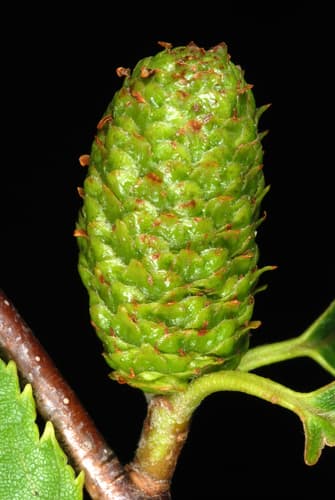
Yellow birch is a large native tree known for its distinctive golden-bronze bark that peels in thin, papery strips. This stately deciduous tree develops a broad, rounded crown and produces small catkins in spring before the leaves emerge.
In an HOA neighborhood
Yellow Birch is an HOA-friendly choice. Maintenance level: low. Tidiness: 4 out of 5.
Works well in: front yard, street edge, mid zone.
- Drops small twigs and bark strips regularly
- Very large mature size may overwhelm smaller properties
Wildlife value
Host plant for luna moth, polyphemus moth.
The spring catkins provide early nectar for bees and beetles when few other flowers are available. The seeds feed songbirds and small mammals, while the bark and twigs support various native insects.
Common questions
- How much sun does Yellow Birch need?
- Yellow Birch grows best in part sun conditions.
- When does Yellow Birch bloom?
- Yellow Birch blooms in April and May.
- Where is Yellow Birch native?
- Yellow Birch (Betula lutea) is native to MD, per the USDA PLANTS Database and regional native plant society lists.
- What butterflies or moths does Yellow Birch host?
- Yellow Birch is a larval host plant for luna moth and polyphemus moth.
- Is Yellow Birch HOA-friendly?
- Yellow Birch is generally an HOA-friendly choice in the right placement, with low maintenance.
Native range data from the USDA PLANTS Database and regional native plant society lists. Pollinator and host plant associations compiled from GBIF, iNaturalist, and published ecological literature.
Ready to grow Yellow Birch? Add it to your garden in Pollinator Patch to track it and get season-by-season care guidance.
Not sure where to start? Take the 2-minute yard quiz