Common lilac
Syringa vulgaris
Last reviewed: October 2026
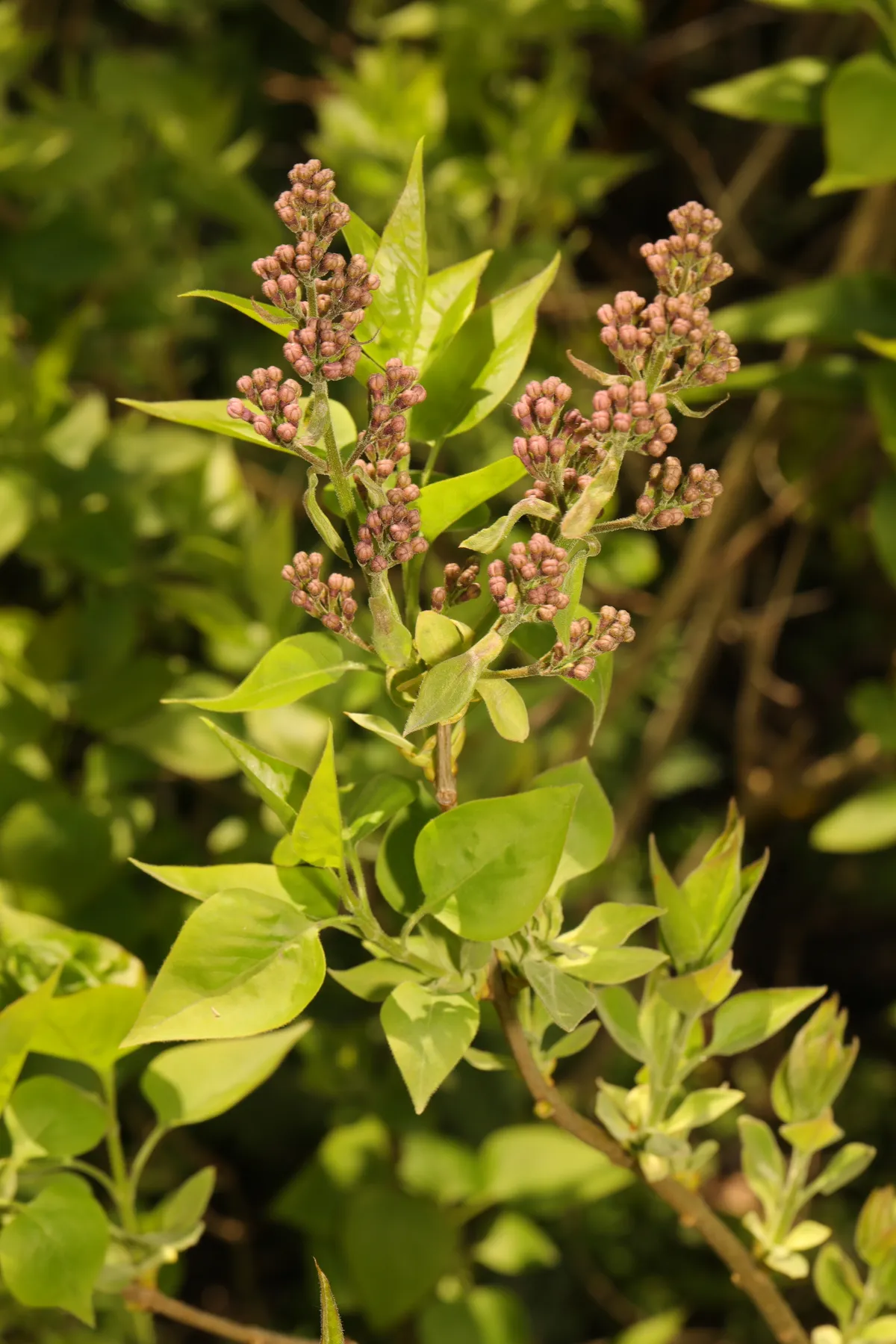
Common lilac (Syringa vulgaris) is a perennial shrub. It blooms in April and May. The flowers draw bees and butterflies.
Toxicity unknown
Common lilac (Syringa vulgaris) is not listed by the ASPCA Animal Poison Control Center (opens in new tab) or the other sources we check, so we have no verdict for it either way. Absence from those lists is not a clearance. If your pet shows symptoms after eating any plant, call the ASPCA at (888) 426-4435.
Light
full sun
Water
medium
Size
96"–180" H × 72"–120" W
Bloom
Apr, May
Pollinators
bees, butterflies
Native alternatives to Common lilac
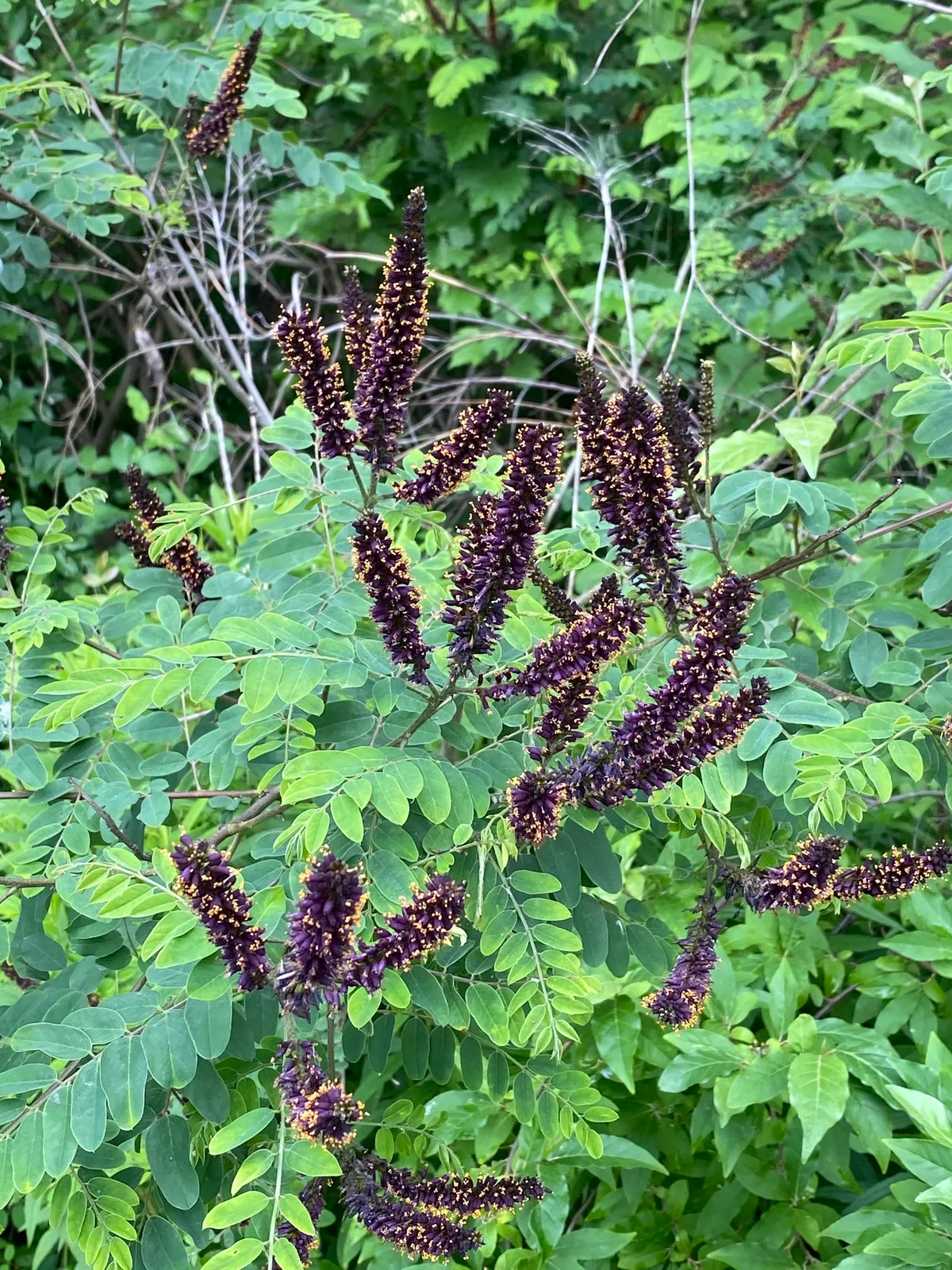
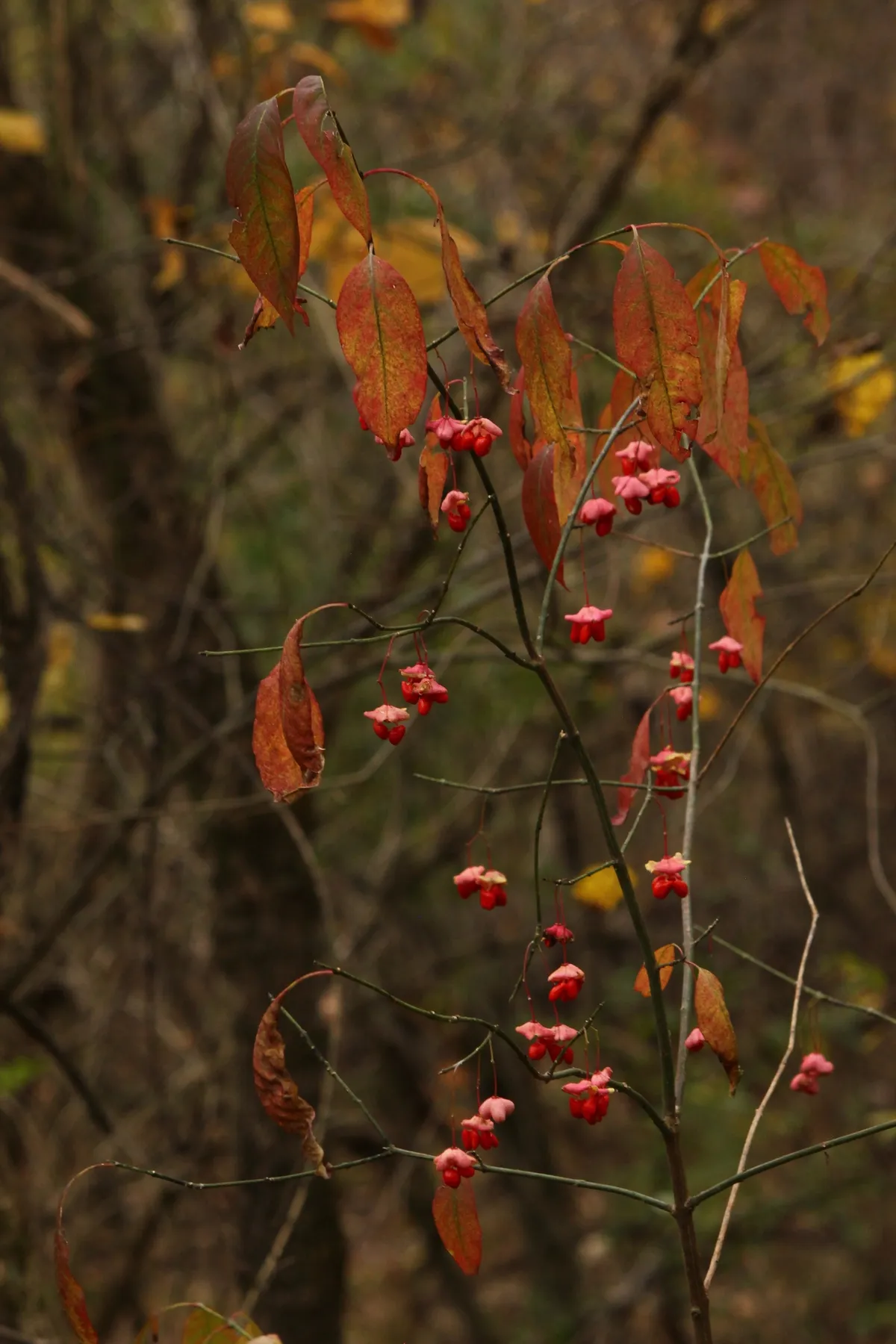
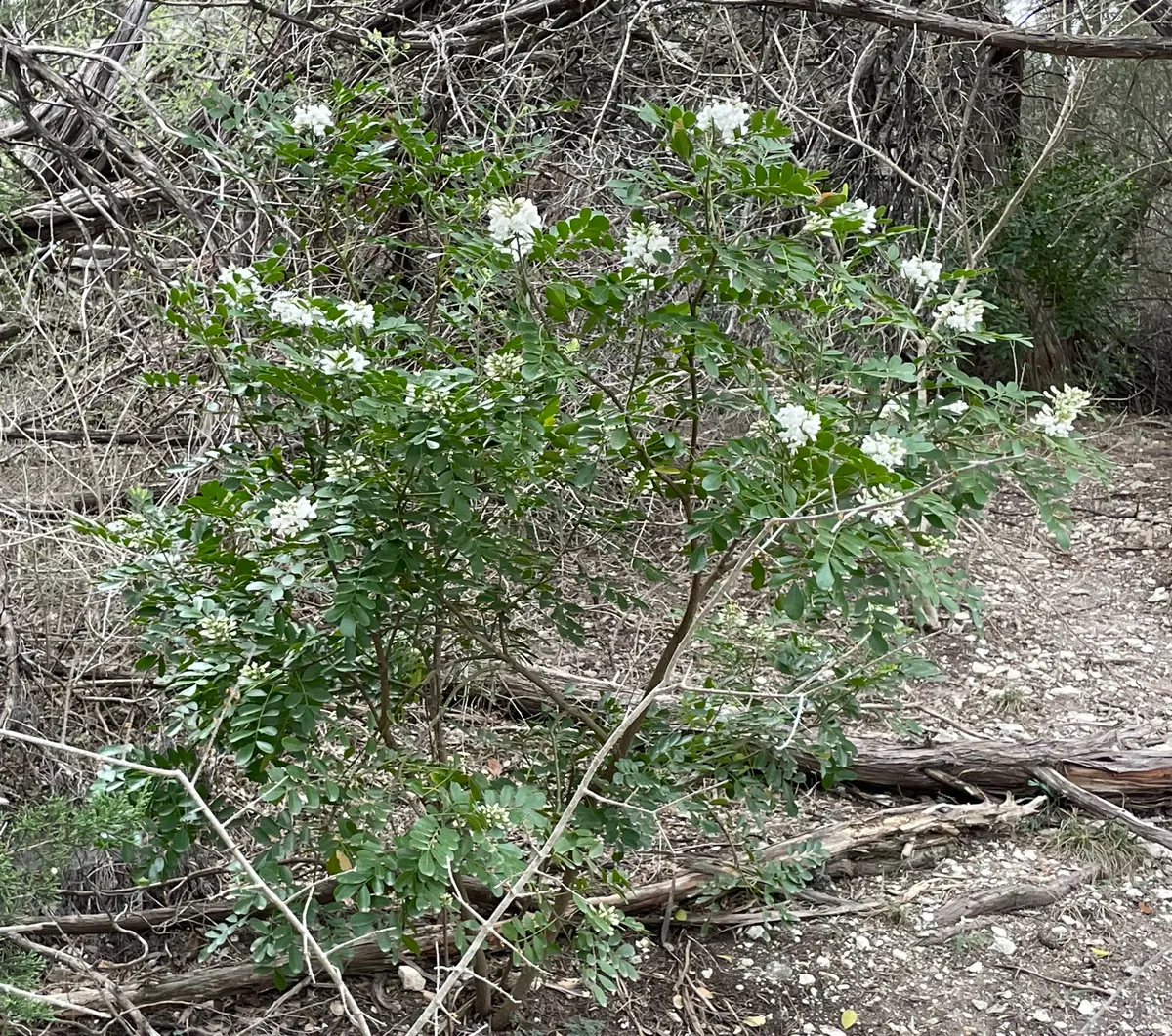
Common lilac is not native to the United States. These natives fill a similar role in a planting, matched on bloom season, bloom color and mature size.
Before you buy
Your city may pay you to plant this
Cities and water utilities offer rebates for replacing lawn with native and water-wise plants. We track 459 programs across 44 states, each with a link to the provider and the date we last checked it.
Find rebates in your areaPicture natives in your own yard
Wondering what could grow where Common lilac is now? Upload a photo of the spot and Patch Vision shows a rendering of it replanted with natives for your region.


Common lilac is a deciduous, multi-stemmed shrub prized for its dense clusters of fragrant purple flowers in mid-spring. Its heart-shaped leaves and upright, suckering habit make it a familiar hedge and specimen shrub in temperate gardens, and it flowers most heavily after a period of winter chill.
Growing Common lilac
Grow Common lilac in full sun and medium water. Mature plants reach 96 to 180 inches tall and spread 72 to 120 inches wide. Expect moderate maintenance to keep it looking intentional in a front yard.
How to care for Common lilac, by region
How to care for Common lilac where it is actually grown: year-round basics plus what to do each season, region by region, with the sources for each.
Care guidance last updated: August 2026
Arizona/New Mexico Plateau (includes Albuquerque, NM)
Year-round
Common lilac is a dependable shrub for the Albuquerque area. It is not native to New Mexico, its origin is southeastern Europe, but it does well here because it tolerates the region's alkaline soil and gets the cold winter chill it needs to set flower buds each year.
- Give it full sun, at least six hours a day, for the best bloom.
- It tolerates a wide soil pH range, including the alkaline soil common around Albuquerque, as long as drainage is decent.
- It is not on the ASPCA's list of plants toxic to dogs, cats, or horses. A different plant sometimes also called Persian lilac, Melia azedarach, is a separate and toxic species, so it is worth double checking which one is actually in your yard.
- It blooms on the previous year's wood, so pruning needs to happen right after flowering, not in fall or winter.
- Skip heavy nitrogen fertilizer. A light application of a balanced fertilizer in late winter is enough.
Fall
Fall in Albuquerque brings cooling days, with the first freeze usually landing anywhere from late October into November depending on the year and your spot in the metro. This is a wind down season for common lilac, not a pruning or feeding season.
- Skip pruning now. Lilac sets next spring's flower buds on this year's wood, so a fall cut trades away next year's bloom.
- Rake and remove fallen leaves from around the base to keep the bed tidy heading into winter.
- Taper off watering as growth slows, but do not let the root zone go bone dry heading into winter.
- Hold off on fertilizer. A fall feeding can push tender new growth that will not have time to harden off before frost.
Clearing fallen leaves from the bed keeps the front yard looking tended even as the shrub goes dormant.
Winter
Albuquerque winters are cold enough to give common lilac the chill it needs, but they are also dry, so established shrubs still need occasional deep watering through the season.
- Water about every 45 to 60 days from December through March, soaking to a depth of roughly 18 to 24 inches each time, since a few inches of snow is not enough water on its own.
- Pick a mild, sunny day above freezing to water rather than watering right before or during a hard freeze.
- Leave pruning alone this time of year. The flower buds for next spring are already set, and winter cuts remove them.
- A newly planted lilac, less than a year in the ground, will need water more often than an established one.
The bare winter branch structure stays neat on its own, so there is little upkeep needed to keep the front yard tidy through winter.
Spring
Spring is bloom season and the only real pruning window for common lilac in the Albuquerque area. The average last freeze lands anywhere from early to late April depending on where in the metro you are, so an unusually late cold snap can still nip open flowers some years.
- Prune right after the flowers fade, within a few weeks, since next year's buds start forming soon after on the new wood.
- Remove up to about a third of the oldest, thickest canes at ground level so the shrub keeps renewing itself.
- Deadhead spent flower clusters before they set seed so the plant puts its energy into next year's buds instead.
- Water deeply as new growth picks up, and keep mulch refreshed to hold soil moisture through the dry spring wind.
A quick deadhead and shape up right after bloom keeps the shrub looking neat from the street for the rest of the growing season.
Summer
Albuquerque summers are hot and dry with a monsoon push of rain in July and August. Once established, common lilac handles this well, but it still wants regular deep water rather than frequent shallow sprinkles.
- Water if the shrub has gotten less than about an inch of rain in a week, and water deeply rather than a quick daily splash.
- Keep mulch a few inches deep over the root zone to buffer soil temperature and hold moisture in the heat.
- Do not fertilize with a nitrogen heavy product now. It pushes soft new growth instead of next year's flower buds.
- Avoid pruning in summer. Any cuts now remove the flower buds the shrub is already setting for next spring.
Sources: USDA NRCS Plant Guide: Syringa vulgaris, Common Lilac (origin and adaptation), ASPCA Toxic and Non-Toxic Plants: Common Lilac (Syringa vulgaris listed non-toxic to dogs, cats, and horses, distinct from the toxic Persian lilac, Melia azedarach, which is a different, unrelated species), Sandoval County Extension Master Gardeners: Plant of the Month, Common Lilac, National Weather Service Albuquerque: Fall Freeze Feature, Santa Fe Extension Master Gardeners: Lilacs in Northern New Mexico, National Weather Service Albuquerque: Spring Freeze Table
In an HOA neighborhood
Common lilac takes more care to keep looking intentional in a front yard. Maintenance level: moderate. Consider it for backyard or mid-zone beds rather than the street edge.
Works well in: foundation planting, hedge row, specimen shrub.
- can sucker and spread if not maintained
- prone to powdery mildew in humid conditions
Wildlife value
Fragrant spring blooms draw bees and butterflies for nectar, though the plant does not serve as a larval host for regional species.
Common questions
- When does common lilac bloom?
- Common lilac typically flowers in April and May, producing dense, fragrant clusters of purple blooms on woody stems.
- What pollinators are attracted to common lilac?
- Bees and butterflies commonly visit Syringa vulgaris flowers to feed on nectar and pollen during its spring bloom period.
- How much light and water does common lilac need?
- Common lilac performs best in full sun to part sun with medium, well-drained soil moisture. Too much shade can reduce flowering.
- Is Common lilac HOA-friendly?
- Common lilac takes more care to look intentional in a front yard. Consider it for backyard or mid-zone beds rather than the street edge.
These answers were drafted with an AI model from this plant's data. Verify care details with a local expert.
Pollinator and host plant associations compiled from GBIF, iNaturalist, and published ecological literature.
If something looks wrong
Common plant problems, and what to check first
These come up on almost any plant. Each guide lists the likely causes in the order they are worth ruling out, with one thing to check before you act on any of them, and links to the source it came from.
- It is dying right after planting
- Leaves turning yellow
- Wilting even though I watered it
- Brown crispy leaf tips
- Bugs on the plant
Ready to grow Common lilac? Add it to your garden in Pollinator Patch to track it and get season-by-season care guidance.