Common Milkweed
Asclepias syriaca
Last reviewed: August 2026
Common milkweed is an upright forb that blooms pink to mauve clusters from June through August. It grows well in full sun in old fields, roadsides, and prairie edges across the eastern and midwestern United States.

Common Milkweed is toxic to dogs and cats.
Listed as toxic by the ASPCA Animal Poison Control Center (opens in new tab) (last reviewed 2026-05-21). If your pet has been exposed, call the ASPCA Animal Poison Control Center at (888) 426-4435 and your veterinarian's emergency line.
Pollinator Patch flags toxic plants so you can choose a pet-safe native alternative for your yard.
Native swaps for a yard with pets
Common Milkweed is listed as toxic to dogs by the ASPCA Animal Poison Control Center. These natives fill a similar role in a planting and are not on the ASPCA toxic plant list for dogs or cats. Each plant's page carries its dated record.
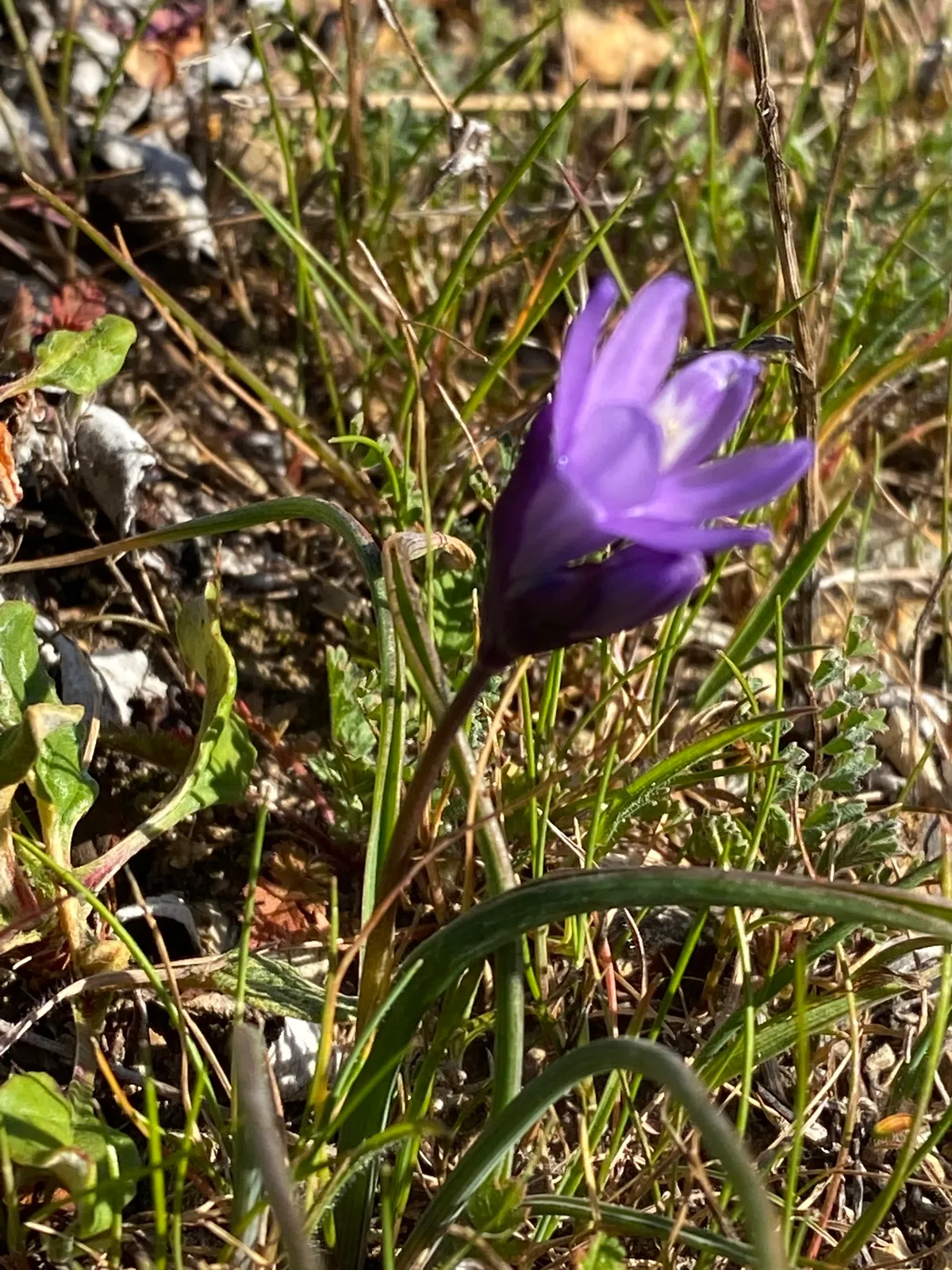
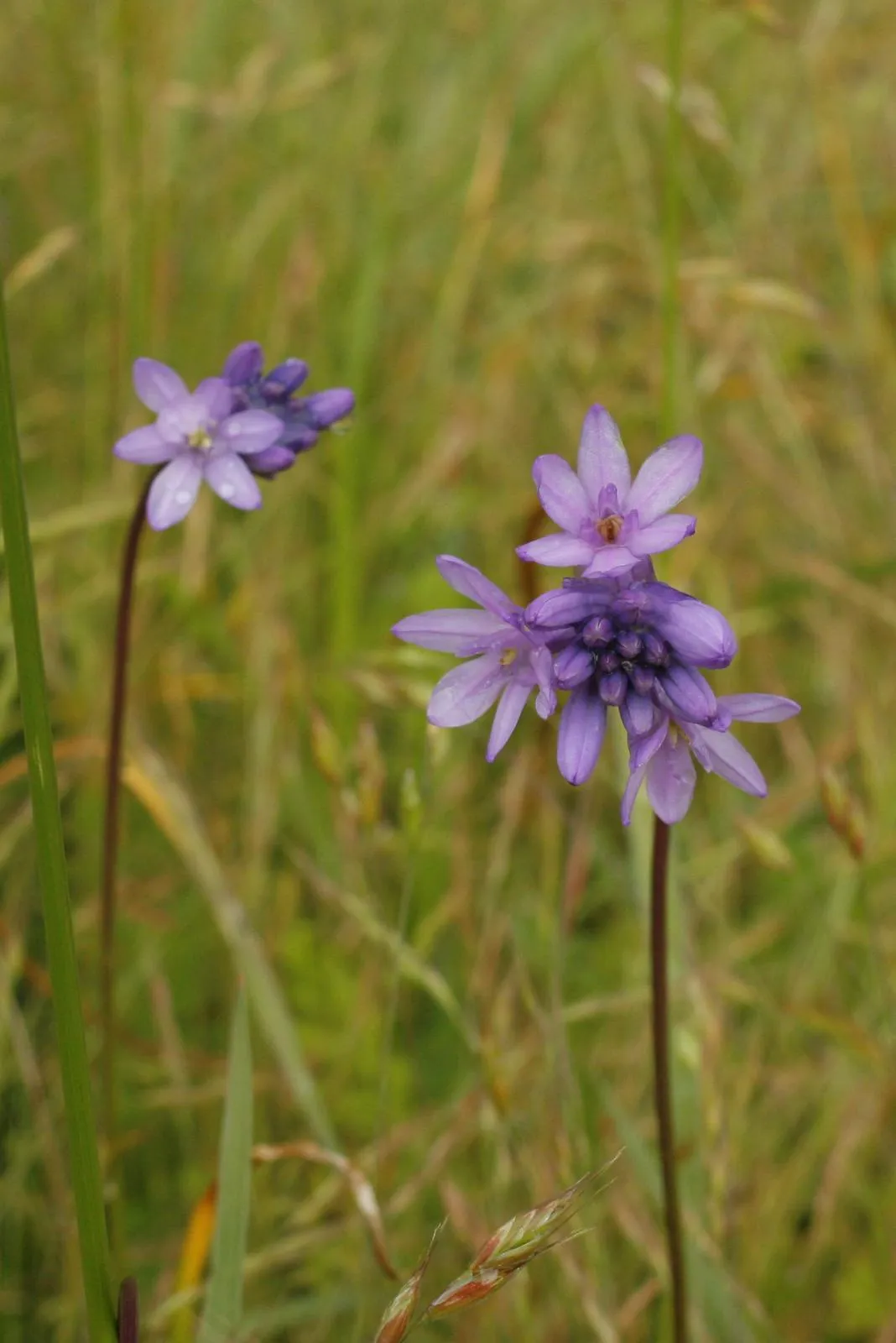

Light
full sun
Water
medium
Size
24"–60" H × 12"–24" W
Bloom
Jun, Jul, Aug
Native to
AR, CT, DE, IA and 27 more states
Pollinators
bees, butterflies, moths
Deer
Resistant (per Prairie Moon Nursery)
Before you buy
Your city may pay you to plant this
Cities and water utilities offer rebates for replacing lawn with native and water-wise plants. We track 459 programs across 44 states, each with a link to the provider and the date we last checked it.
Find rebates in your areaPicture natives in your own yard
Upload a photo of your yard and Patch Vision shows a rendering of it planted with natives for your region, like Common Milkweed.


Browse plants for this ecoregion
Common milkweed is a tall native perennial that produces clusters of fragrant pink to purple flowers in summer. It spreads by underground rhizomes and can form colonies over time, making it better suited for naturalized areas than formal gardens.
Growing Common Milkweed
Grow Common Milkweed in full sun and medium water. Mature plants reach 24 to 60 inches tall and spread 12 to 24 inches wide. Expect low maintenance to keep it looking intentional in a front yard.
How to care for Common Milkweed, by region
How to care for Common Milkweed where it is actually grown: year-round basics plus what to do each season, region by region, with the sources for each.
Care guidance last updated: October 2026
Central Appalachians (includes Johnstown, PA)
Year-round
Common milkweed is a native, clump-forming perennial well suited to the Johnstown, PA area (USDA zone 6a to 6b), where it spreads by underground rhizomes into small colonies. It wants full sun and average to well-drained soil and needs little upkeep once established.
- Give it full sun and average to well-drained soil. It does not need amended soil or regular fertilizer once established.
- It spreads by underground rhizomes and can form a dense colony within a couple of growing seasons, so plan for a dedicated bed or edge it to keep it contained.
- Water deeply but infrequently during the first growing season while roots establish. After that, normal rainfall in this Allegheny Plateau climate is usually enough.
- The sap and leaves contain cardiac glycosides that can make dogs, cats, and horses sick if chewed or eaten, per the ASPCA. Keep it out of areas pets forage and watch young children around the milky sap.
- It is a larval host plant for monarch butterflies, so expect and welcome caterpillars on the leaves in summer.
HOA-friendly when kept to a defined bed or edged border, since the rhizome spread can look weedy without some containment.
Fall
Fall arrives earlier and cooler in the Johnstown area than in warmer lowland regions. Seed pods split open and the first frost typically lands by mid to late October.
- Seed pods split open in September and October, releasing silk-tufted seeds that travel on the wind. Expect some volunteer seedlings nearby next spring.
- First frost typically arrives by mid to late October at this elevation, notably earlier than in warmer lowland areas. Foliage yellows and dies back quickly after.
- This is a good window to divide or move rhizome clumps, once the plant has gone dormant but before the ground freezes hard.
- Cutting stems back is optional. Leaving them standing over winter gives insects a place to shelter.
Cutting stems back to a neat 6 to 12 inch stubble in late fall keeps an HOA-conscious bed looking tidy through winter, while still leaving some structure for overwintering insects if you leave a portion uncut.
Winter
Common milkweed is fully dormant below ground through the cold, snowy winters typical of the Johnstown area (USDA zone 6a to 6b) and needs no special winter care once established.
- Established plants are hardy through zone 6a and 6b winters here. No mulching or winter protection is needed.
- This part of the Allegheny Plateau sees heavy snow most winters. Snow cover insulates the dormant rhizomes rather than harming them.
- Standing dead stems and empty seed pods left from fall give insects a place to overwinter and add some structure to the bed.
- New shoots will not reappear until the soil warms in spring, often later here than in warmer nearby valleys. An empty-looking bed in late winter does not mean the plant failed.
Spring
In the Johnstown area, common milkweed usually stays dormant longer into spring than it would in warmer, lower-elevation regions. New shoots often do not appear until early to mid May, after the last frost has typically passed.
- Shoots typically emerge in early to mid May here, later than in lower-elevation parts of the region, given the shorter, cooler growing season on the Allegheny Plateau.
- Frost risk normally continues into early May at this elevation. Hold off transplanting seedlings or dividing rhizome clumps until after the last frost.
- New growth is tender at first and grows slowly for the first few weeks. It picks up quickly once nights warm.
- If starting from seed, cold moist stratification over winter improves germination. Direct sowing in fall or very early spring lets natural winter chilling do the work.
Summer
Common milkweed blooms from June through August in the Johnstown area, with cooler summer highs than warmer lowland regions often keeping the bloom period going a bit longer.
- Rounded clusters of fragrant pink to purple flowers bloom June through August.
- It is one of the most important larval host plants for monarch butterflies in the eastern United States. Expect caterpillars on the leaves starting in June and let them feed undisturbed.
- Yellow oleander aphids commonly cluster on stems in summer. A strong spray of water usually knocks them back. Treatment is rarely needed.
- Deadheading is optional. The seed pods that follow in late summer are part of the plant's value for next year's colony, so leave some if you want it to spread.
Sources: Asclepias syriaca (Common Milkweed) - Lady Bird Johnson Wildflower Center Native Plant Database, Toxic and Non-Toxic Plants: Milkweed - ASPCA, Common Milkweed (Asclepias syriaca) - U.S. Fish and Wildlife Service, USDA Plant Hardiness Zone Map - USDA Agricultural Research Service, Frost Dates: First and Last Frost Dates for Johnstown, Pennsylvania - Garden.org (community tip)
Erie Drift Plain (includes Cleveland, OH)
Year-round
Common milkweed thrives in full sun around Cleveland, and it tolerates the heavier clay-loam glacial soils here, even ones that stay a bit wet. The key thing to plan for is how it spreads. It travels by deep underground roots and forms colonies, so it can drift out of its spot. Put it at the back of a bed or in a contained area and it behaves. It is the one plant monarch caterpillars must have to grow up.
- Give it full sun at the back of a bed or a contained area so the spreading roots stay out of the front-yard view.
- It handles Cleveland's heavier, sometimes-wet clay-loam soil once established.
- Keep the milky sap away from pets. Common milkweed is toxic to dogs, cats, and horses per the ASPCA Animal Poison Control Center plant database.
- It is the larval host plant for monarch butterflies (Lady Bird Johnson Wildflower Center), so a few chewed leaves are a good sign.
Fall
In fall the pods ripen and split, sending silky seed off on the wind, and the plant winds down toward dormancy before Cleveland's heavy lake-effect winter. Now you choose. Leave the strong seedheads up for winter structure and for birds, or cut the plant back for a neater bed. Both are fine for the plant's health.
- Decide now: leave seedheads standing for birds and winter interest, or cut back for a tidier look.
- To avoid volunteers, cut the pods off before they split and scatter seed.
- Let the plant yellow and die back on its own. It is moving energy into the deep roots.
- Clear fallen leaves and debris around it so the bed looks cared for before the snow.
If you cut it back this fall, a clean low profile reads as intentional and maintained heading into winter, which helps avoid a violation letter in a front-yard bed.
Winter
Cleveland winters bring cold and heavy lake-effect snow, and common milkweed rides it out easily. The plant is dormant underground, so there is nothing to feed or water. Standing seedheads add structure above the snow and feed birds if you left them. Save the hard cutback for late winter, right before new growth.
- Do the once-a-year hard cutback in late winter, before new shoots emerge, if stalks are still standing.
- Leave stems up through deep winter for structure and bird food if you like the look.
- No watering or feeding. The plant is fully dormant and hardy through Cleveland cold.
- After a heavy snow, nudge any flopped stalks back toward the bed edge so it stays neat.
The late-winter hard cutback clears the old stalks just before the growing season, so the front-yard bed reads as intentional and tended and you avoid a violation letter.
Spring
Around Cleveland you can plant milkweed in spring once the ground has warmed up. The lake-effect climate keeps things damp, so new plants settle in easily. This is also the time to cut down any old stalks you left standing over winter. New shoots rise from the roots as the soil warms.
- Plant a new milkweed in spring after the soil warms, or wait for early fall if you prefer.
- Cut last year's dead stalks down to a few inches now, before fresh shoots get tall, if you left them up.
- On the heavier clay soil, do not overwater. Let the top inch dry between waterings so roots do not sit soggy.
- Watch for early monarch caterpillars as leaves open, and leave those leaves for them.
Cutting the old dead stalks down now reads as deliberate spring cleanup and keeps the bed looking tended, the kind of front-yard signal that helps avoid a violation letter.
Summer
Cleveland summers are warm and humid, and that is prime time for common milkweed. The fragrant pink clusters open in early to mid summer, and the plant grows quickly. Rain here is fairly even through the year, so established plants rarely need extra water. Summer is when you decide how much this patch should spread next year.
- Enjoy the fragrant pink flowers and the bees and butterflies they pull in.
- If you do not want volunteers, snip the warty pods off before they dry and split open.
- Watering is usually unnecessary with the steady rain here. Only water in a rare dry spell.
- Leave some leaves for monarch caterpillars, which feed only on milkweed (Lady Bird Johnson Wildflower Center).
Snipping spent pods before they split stops seed from blowing across the yard and looking weedy, which reads as intentional care and helps avoid a violation letter.
Sources: ASPCA Animal Poison Control Center, Milkweed, Lady Bird Johnson Wildflower Center, Asclepias syriaca, Ohio State University Extension, Milkweed and Monarchs
Interior Plateau (includes Cincinnati, OH)
Year-round
Common milkweed is genuinely native to Ohio and is the main food plant for monarch caterpillars in the Cincinnati area, and once it settles in it comes back on its own every year with very little care.
- Give it full sun and average to dry, well-drained soil. It tolerates poor ground once established and rarely needs watering or feeding.
- It spreads both by seed and by underground roots, so plan for it to widen its patch over time rather than staying in one tidy clump.
- It is a true Ohio native plant, confirmed by the Lady Bird Johnson Wildflower Center's native plant database.
- It is the main host plant for monarch butterfly caterpillars in this part of the country, according to the Xerces Society.
- The leaves, stems, and milky sap are toxic to dogs, cats, and horses if eaten. Keep grazing pets away from it and wash your hands after handling cut stems.
Fall
Fall is when common milkweed's seed pods split open and send out fluffy, wind carried seeds, and it is the best time to cut plants back and manage spread before winter in Cincinnati.
- Seed pods typically split open from September into October in the Cincinnati area, releasing silky-haired seeds that drift on the wind.
- To keep it from reseeding into beds or a neighbor's yard, snip pods that are still closed before they crack open, once monarch caterpillars are done for the season.
- After the first hard frost, usually mid to late October in Cincinnati, the stems die back and can be cut down to a few inches.
- Fall is also a good time to dig and divide spreading rhizomes if the patch needs to shrink.
Cutting back frost killed stems and removing seed pods before they open leaves a tidy, deliberate looking bed for fall, which reads as intentional care rather than a violation letter risk.
Winter
Common milkweed is fully dormant in winter in Cincinnati, with no green growth above ground, and it survives the cold without any special protection.
- The plant dies back completely to the ground each winter and regrows from its roots in spring. It is fully hardy in the Cincinnati area's USDA zone 6b winters, so no covering is needed.
- If stems were left standing in fall, cut down any remaining dry stalks and empty pods now for a tidier look before spring, or leave hollow stems standing over winter for insect shelter.
- Avoid piling heavy mulch over the crown. The plant is used to open ground, and thick winter mulch can trap excess moisture around the roots.
- Use the dormant season to plan where to divide or move rhizome sections once new shoots return in spring.
Cutting down dry stalks and empty pods before spring gives the bed a tidy winter look, which reads as intentional care rather than a violation letter risk.
Spring
In Cincinnati, common milkweed sprouts back up from its roots in mid to late spring, usually a few weeks after the last frost, and new shoots can be easy to miss at first before they take off.
- Wait for new shoots to come up on their own, usually mid to late April in the Cincinnati area, after the last spring frost has passed.
- Avoid digging in the bed before shoots appear so you do not slice through the roots that are about to sprout.
- Spring is the best time to dig and move a rhizome section if you want to start milkweed in a new spot.
- Skip fertilizer. It grows well in average soil, and extra feeding is not needed.
- Once leaves open up, start checking them for monarch eggs and small caterpillars before doing any spring tidying.
Summer
Summer is bloom season and the busiest stretch for monarch caterpillars on common milkweed in Cincinnati, with fragrant pink to purple flower clusters opening from June into August.
- Expect flowering from June through August, with rounded clusters of fragrant pink to purple flowers.
- Check leaves through summer for monarch eggs and caterpillars, and skip pesticides on the plant since they can harm caterpillar survival.
- Once flowers fade, seed pods start forming. Leave them on the plant through summer in case caterpillars are still feeding nearby.
- It handles hot, dry stretches well once established and usually does not need extra watering in a normal Cincinnati summer.
- Deadheading spent flower clusters is optional and mostly about looks. It will not stop the plant from spreading by root.
Deadheading spent flower clusters keeps the bed looking tended along a front walk or fence line, which reads as intentional care rather than a violation letter risk.
Sources: Lady Bird Johnson Wildflower Center, Asclepias syriaca native plant profile, Xerces Society, Native Milkweeds, ASPCA, Toxic and Non-Toxic Plants: Milkweed, Penn State Extension, Common Milkweed, WhenToPlant, Cincinnati OH Frost Dates (community tip), UNH Extension, Milkweed is taking over my perennial garden
Ridge and Valley (includes Harrisburg, PA)
Year-round
Common milkweed is a tough, sun-loving perennial that spreads by underground runners, so give it room and very little fuss.
- Give it full sun, at least 6 hours a day. It does not tolerate shade.
- Average, well-drained soil is plenty. It handles clay, sand and dry spells once settled.
- It spreads by rhizomes into patches, so plant it where wandering is fine.
- Monarch caterpillars feed on it. The milky sap is poisonous if eaten, so keep pets and kids from chewing it and wash hands after handling.
Fall
Fall is when seed pods split and fluffy seeds fly, so decide what you want to keep.
- Pods split open in fall and early winter and the seeds travel on the wind.
- Snip pods before they open if you want fewer new plants, or leave some for new patches.
- Wear gloves when you handle cut stems, since the sap is irritating and poisonous if eaten.
Gray, split pods and tall dry stems can look messy from the street. Cutting the stems back after seed release keeps the bed looking tidy.
Winter
Winter is rest time. The roots sleep underground and need nothing from you.
- Do not water or fertilize. Cold ground means a dormant plant.
- Mark the patch so you do not dig or plant over it in spring.
- Leftover pods can be dried for crafts, but keep them away from pets that chew.
Spring
Spring is shoot-up time, so this is your moment to decide where the patch stops.
- Look for new shoots in late spring. Milkweed wakes up later than many perennials, so do not dig it out by mistake.
- Pull or cut shoots that pop up outside the area you want. Rhizomes can be cut and moved in early spring.
- Water new plants during dry stretches until they settle in. Established plants rarely need extra.
Summer
Summer is bloom time and the easiest season, with almost nothing to do.
- Expect white to purple flowers from June through August.
- Skip the hose once it is established. It tolerates poor and dry soil.
- Orange aphids are common and usually fine to leave alone, since they feed helpful insects.
- Monarch caterpillars may chew the leaves. That is the plant doing its job, so avoid sprays.
Sources: Lady Bird Johnson Wildflower Center - Asclepias syriaca, ASPCA - Milkweed, NC State Extension Plant Toolbox - Asclepias syriaca
Western Corn Belt Plains (includes Des Moines, IA)
Year-round
Common milkweed loves full sun and does really well in the rich prairie soil around Des Moines. Here is the one thing to know up front. It spreads by deep underground roots and forms big patches, so it can wander out of its spot over time. Give it a back-of-the-bed home or a contained area and it stays a friendly neighbor instead of a pushy one. It is the main food plant for monarch caterpillars, which is a big reason to keep it around.
- Pick a full-sun spot at the back of a bed or a contained area so its spreading roots do not creep into the front-yard view.
- Expect pink, sweet-smelling flower clusters in early to mid summer, then large warty seed pods later.
- Keep the milky sap off pets. Common milkweed is toxic to dogs, cats, and horses per the ASPCA Animal Poison Control Center plant database.
- It is the larval host plant for monarch butterflies (Lady Bird Johnson Wildflower Center), so leave a few leaves for the caterpillars.
Fall
As fall cools down, the pods ripen and split, releasing silky windborne seed, and the plant starts going dormant for the cold Des Moines winter. You have a choice now. You can leave the sturdy seedheads standing for winter interest and for birds, or cut it back for a neater look. Either is fine for the plant.
- Decide now: leave standing seedheads for birds and winter structure, or cut back for a tidier bed.
- If you do not want volunteers next year, cut the pods off before they split and scatter seed on the wind.
- Let the plant yellow and die back naturally. It is storing energy in the deep roots for spring.
- Rake up fallen leaves nearby so the bed looks cared for heading into winter.
If you choose to cut it back this fall, a clean, low silhouette reads as intentional and tended going into winter, which helps avoid a violation letter in a front-yard bed.
Winter
Winters here are cold and snowy, with lows that can drop below zero, and common milkweed is fully hardy through it. The plant is dormant underground, so there is almost nothing to do. If you left the tall seedheads up, they add structure above the snow and feed birds. The one real task, the hard cutback, is best saved for late winter or very early spring.
- Do the once-a-year hard cutback in late winter or early spring, before new shoots emerge, if you left stalks standing.
- Leave standing stems alone through deep winter for winter interest and bird food if you like the look.
- No watering or feeding needed. The plant is fully dormant and cold-hardy here.
- Do a quick walk-by to knock any collapsed, sprawling stalks back into the bed edge.
Doing the hard cutback in late winter clears the old dead stalks right before the growing season, so the front-yard bed reads as intentional and maintained and you steer clear of a violation letter.
Spring
Des Moines springs stay cold late, so do not rush this plant. Wait until the hard frosts are done, usually late April into May, before you plant a new one. If you left old stalks standing over winter, this is when you cut them down. New shoots push up from the roots once the soil warms.
- Plant new milkweed in late April or May, after the last hard frost, so tender shoots are not nipped by cold.
- Cut last year's dead stalks down to a few inches now if you did not do it earlier, before fresh shoots get tall.
- Water a new plant well its first spring while the deep roots get established.
- Watch for the first monarch caterpillars once leaves appear, and leave those leaves alone for them.
Cutting the old dead stalks down now reads as intentional, seasonal cleanup and helps the bed look tended, which is the kind of tidy front-yard signal that helps avoid a violation letter.
Summer
Summer is the show. Around Des Moines the pink clusters open in early to mid summer and smell wonderful, and the plant grows fast in the warm, humid weather. Summer rain here is usually enough, so you rarely need to water an established plant. This is also when you decide whether you want more milkweed next year.
- Enjoy the fragrant pink flower clusters and let bees and butterflies work them.
- If you do not want new volunteer plants, snip the warty seed pods off before they dry and split open.
- Skip watering established plants unless you hit a long dry stretch. May-through-August rain usually covers it.
- Leave some leaves for monarch caterpillars, which feed only on milkweed (Lady Bird Johnson Wildflower Center).
Snipping spent pods before they split keeps the plant from flinging seed across the yard and looking scruffy or weedy, which reads as intentional care and helps avoid a violation letter.
Sources: ASPCA Animal Poison Control Center, Milkweed, Lady Bird Johnson Wildflower Center, Asclepias syriaca, Iowa State University Extension, Milkweed for Monarchs
In an HOA neighborhood
Common Milkweed takes more care to keep looking intentional in a front yard. Maintenance level: low. Consider it for backyard or mid-zone beds rather than the street edge.
Works well in: backyard only.
- Spreads aggressively and can look weedy
- Tall growth may appear unkempt in formal settings
- Pods release fluffy seeds that can blow around
Wildlife value
Host plant for monarch butterfly.
This plant is essential for monarch butterflies, serving as their primary larval host plant. The flowers attract a wide variety of bees, butterflies, and moths throughout the summer blooming period.
Common questions
- When does common milkweed bloom?
- Common milkweed typically flowers from June through August, producing rounded clusters of pink to purple blossoms.
- What growing conditions does common milkweed need?
- It grows best in full sun to part sun with medium moisture, though established plants tolerate drier soil once their deep roots are set.
- What pollinators does common milkweed attract?
- The flowers draw bees, butterflies, and moths, which feed on the abundant nectar produced by each bloom cluster.
- Is common milkweed a host plant for monarch butterflies?
- Yes, monarch butterflies lay their eggs on common milkweed and the caterpillars feed exclusively on its leaves.
- Where does common milkweed typically grow?
- It is common in open fields, roadsides, prairie remnants, and disturbed ground where full sun and well-drained to medium soil are available.
- Is Common Milkweed toxic to dogs?
- Yes. Common Milkweed is listed as toxic to dogs by the ASPCA Animal Poison Control Center (aspca.org). If your pet has been exposed, call the ASPCA Animal Poison Control Center at (888) 426-4435.
- Is Common Milkweed toxic to cats?
- Yes. Common Milkweed is listed as toxic to cats by the ASPCA Animal Poison Control Center (aspca.org). If your cat has been exposed, call the ASPCA Animal Poison Control Center at (888) 426-4435.
- Is Common Milkweed HOA-friendly?
- Common Milkweed takes more care to look intentional in a front yard. Consider it for backyard or mid-zone beds rather than the street edge.
These answers were drafted with an AI model from this plant's data. Verify care details with a local expert.
Native range data from vouchered herbarium specimen records and regional native plant society lists. Pollinator and host plant associations compiled from GBIF, iNaturalist, and published ecological literature.
If something looks wrong
Common plant problems, and what to check first
These come up on almost any plant. Each guide lists the likely causes in the order they are worth ruling out, with one thing to check before you act on any of them, and links to the source it came from.
- It is dying right after planting
- Leaves turning yellow
- Wilting even though I watered it
- Brown crispy leaf tips
- Bugs on the plant
Pollinator Patch flags toxic plants like Common Milkweed and shows pet-safe natives for your ecoregion instead.