Cucumber
Cucumis sativus
Last reviewed: October 2026
Cucumber (Cucumis sativus) is a annual vine. It blooms in June, July, and August. The flowers draw bees.

Cucumber (Cucumis sativus) is not on the ASPCA Animal Poison Control Center toxic plant list for dogs or cats (aspca.org (opens in new tab), last reviewed 2026-05-21). If your pet shows symptoms after eating any plant, call the ASPCA at (888) 426-4435.
Light
full sun
Water
high
Size
12"–72" H × 12"–24" W
Bloom
Jun, Jul, Aug
Pollinators
bees
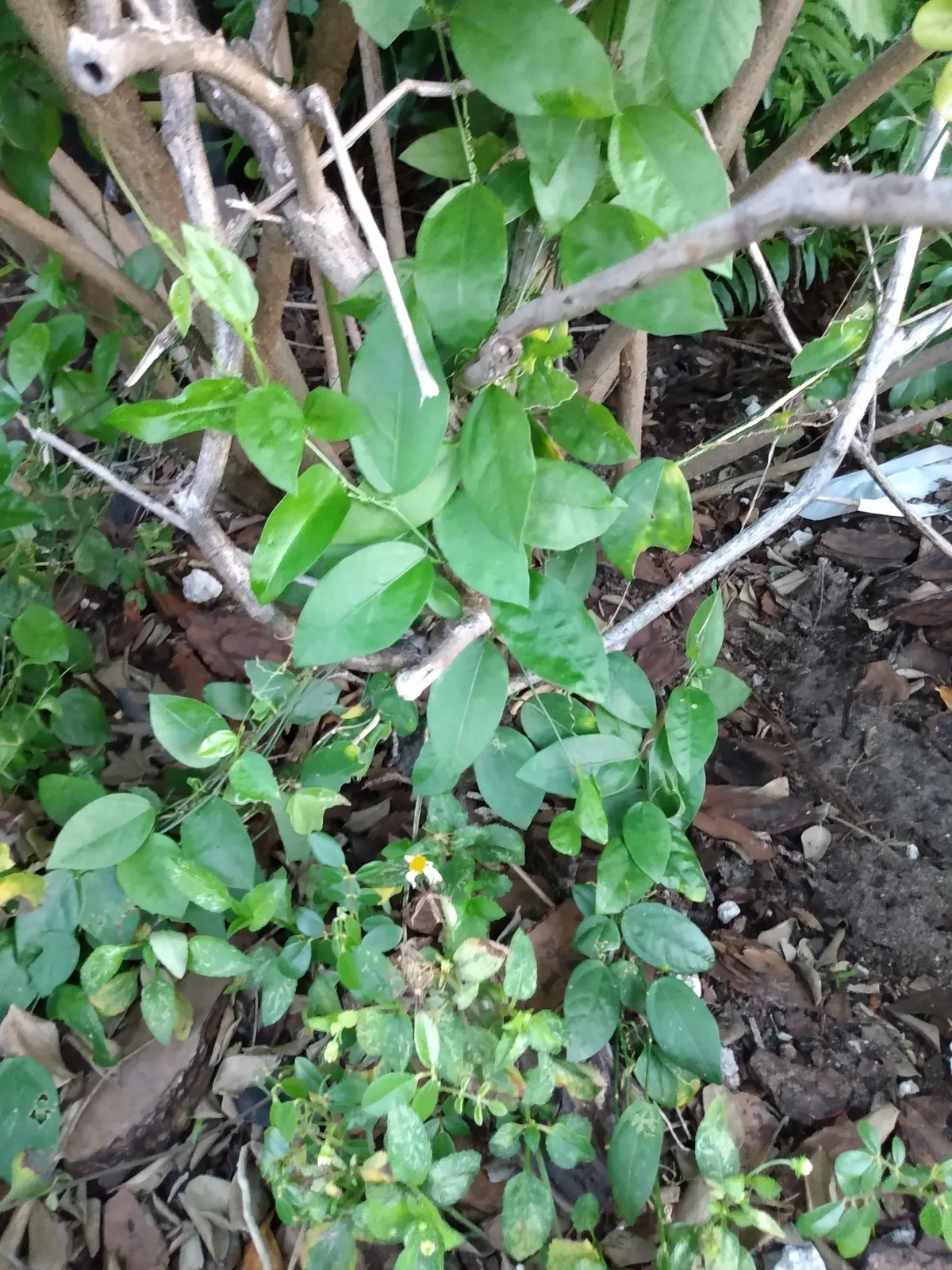
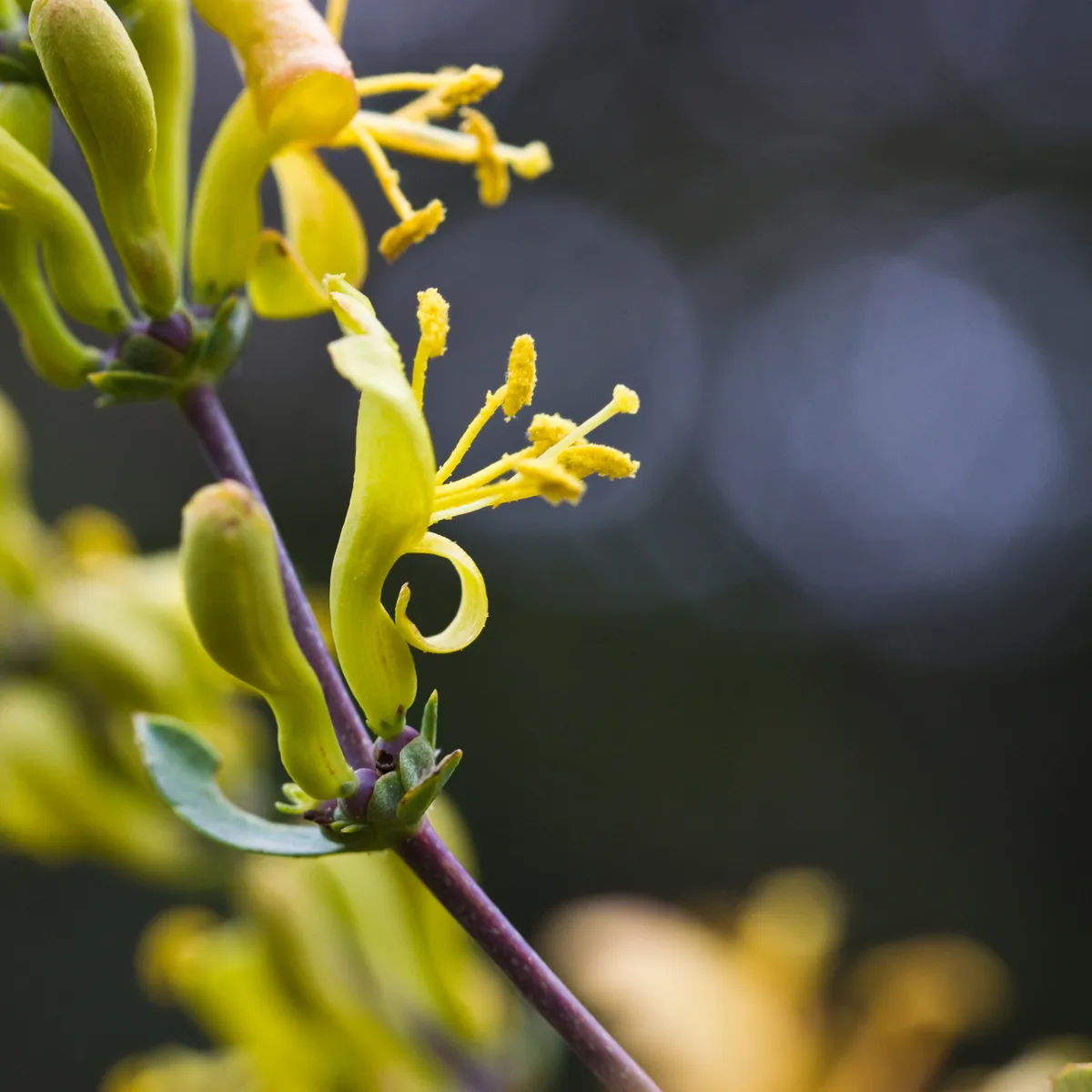
Native alternatives to Cucumber
Cucumber is not native to the United States. These natives fill a similar role in a planting, matched on bloom season, bloom color and mature size.

Before you buy
Your city may pay you to plant this
Cities and water utilities offer rebates for replacing lawn with native and water-wise plants. We track 459 programs across 44 states, each with a link to the provider and the date we last checked it.
Find rebates in your areaPicture natives in your own yard
Wondering what could grow where Cucumber is now? Upload a photo of the spot and Patch Vision shows a rendering of it replanted with natives for your region.


Cucumber is an annual vegetable vine that produces edible fruits throughout the summer months. This climbing plant requires support structures and regular watering to thrive. It produces small yellow flowers that attract beneficial pollinators before developing the familiar green cucumbers.
Growing Cucumber
Grow Cucumber in full sun and high water. Mature plants reach 12 to 72 inches tall and spread 12 to 24 inches wide. Expect high maintenance to keep it looking intentional in a front yard.
In an HOA neighborhood
Cucumber takes more care to keep looking intentional in a front yard. Maintenance level: high. Consider it for backyard or mid-zone beds rather than the street edge.
Works well in: backyard only.
- Vegetable crops typically not allowed in front yards
- Vining growth habit can appear unkempt
- Requires trellising or support structures
Wildlife value
The bright yellow flowers provide nectar for bees and other beneficial insects during summer months. However, as a non-native vegetable crop, it offers limited long-term wildlife habitat value.
Common questions
- How much sun does a cucumber plant need?
- Cucumber vines produce the most fruit in full sun, needing at least six to eight hours of direct light a day. Some afternoon shade in very hot climates can help reduce leaf stress.
- How often should cucumbers be watered?
- Cucumis sativus has high water needs and grows best with consistent, even moisture, especially once fruit begins to set. Letting the soil dry out repeatedly often leads to bitter or misshapen fruit.
- When do cucumber plants bloom?
- Cucumber plants typically flower from June through August, with separate male and female blossoms appearing on the same vine.
- What pollinates cucumber flowers?
- Bees are the primary pollinators of cucumber flowers, moving pollen from male to female blossoms so fruit can develop. Gardens with low bee activity often see poor fruit set.
- Is Cucumber toxic to dogs?
- Cucumber is not on the ASPCA Animal Poison Control Center toxic plant list for dogs (aspca.org).
- Is Cucumber toxic to cats?
- Cucumber is not on the ASPCA Animal Poison Control Center toxic plant list for cats (aspca.org).
- Is Cucumber HOA-friendly?
- Cucumber takes more care to look intentional in a front yard. Consider it for backyard or mid-zone beds rather than the street edge.
These answers were drafted with an AI model from this plant's data. Verify care details with a local expert.
Pollinator and host plant associations compiled from GBIF, iNaturalist, and published ecological literature.
If something looks wrong
Common plant problems, and what to check first
These come up on almost any plant. Each guide lists the likely causes in the order they are worth ruling out, with one thing to check before you act on any of them, and links to the source it came from.
- It is dying right after planting
- Leaves turning yellow
- Wilting even though I watered it
- Brown crispy leaf tips
- Bugs on the plant
Ready to grow Cucumber? Add it to your garden in Pollinator Patch to track it and get season-by-season care guidance.