European Plum
Prunus domestica
Last reviewed: October 2026
European Plum (Prunus domestica) is a perennial tree. It blooms in March and April. The flowers draw bees.

European Plum is toxic to dogs and cats.
Listed as toxic by the ASPCA Animal Poison Control Center (opens in new tab) (last reviewed 2026-05-21). If your pet has been exposed, call the ASPCA Animal Poison Control Center at (888) 426-4435 and your veterinarian's emergency line.
Pollinator Patch flags toxic plants so you can choose a pet-safe native alternative for your yard.
Light
full sun
Water
medium
Size
180"–360" H × 180"–360" W
Bloom
Mar, Apr
Pollinators
bees
Native alternatives to European Plum
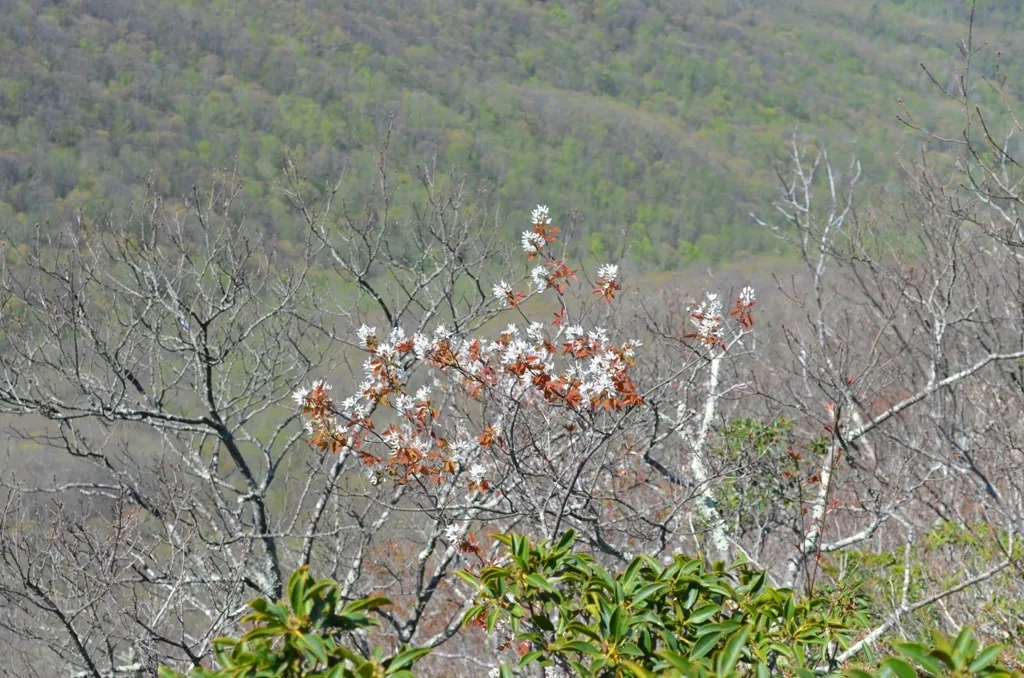
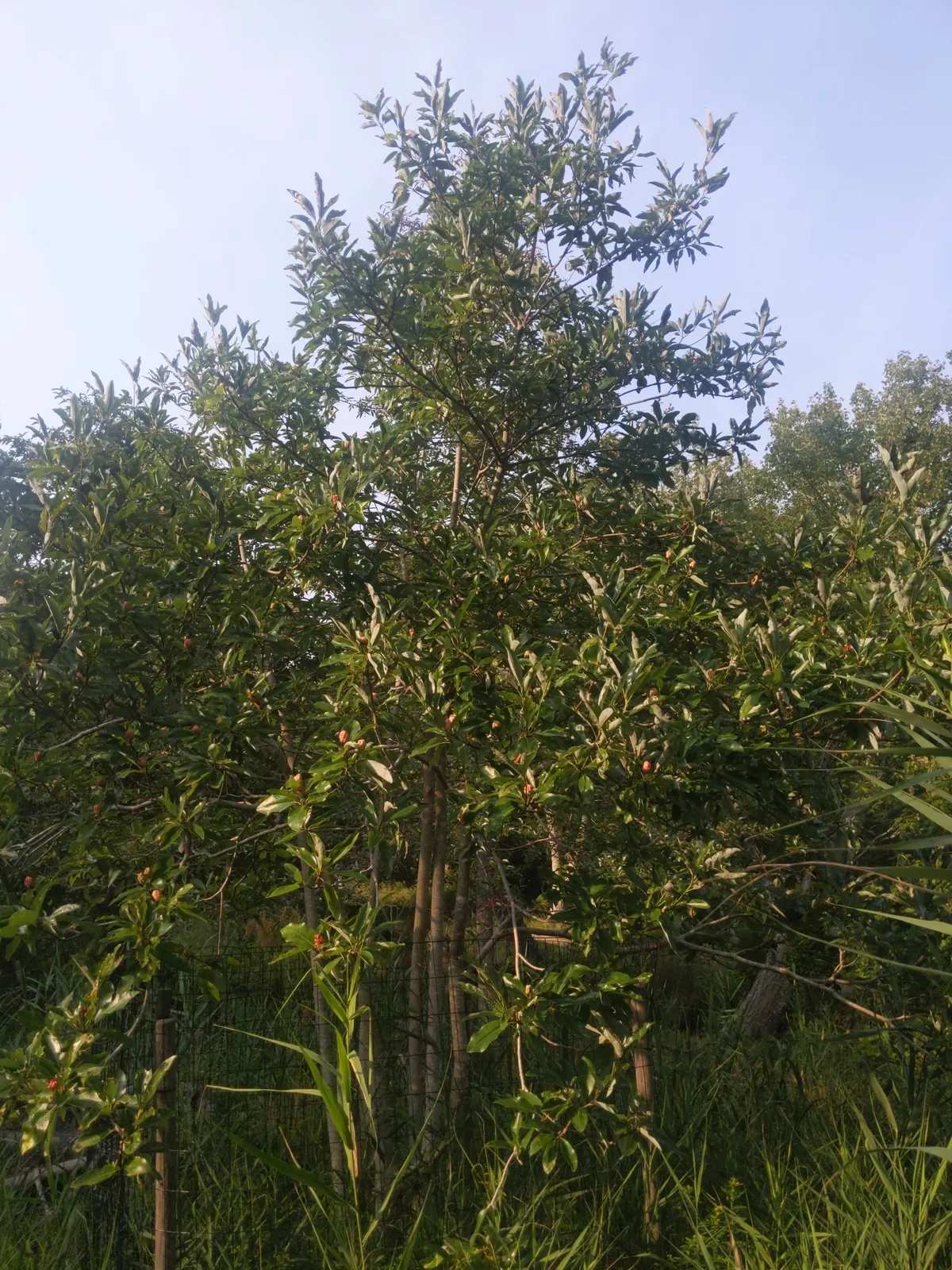
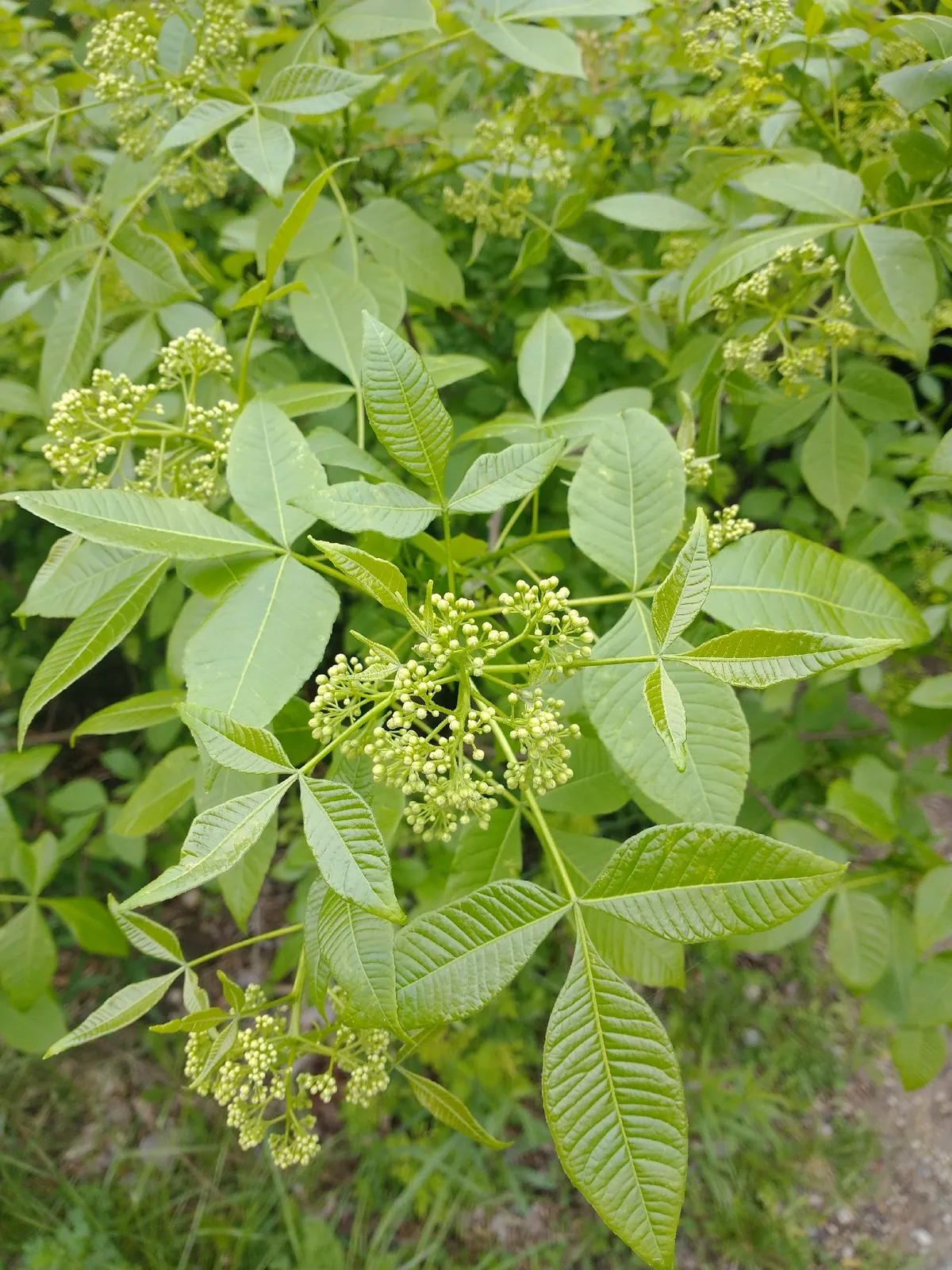
European Plum is not native to the United States. These natives fill a similar role in a planting, matched on bloom season, bloom color and mature size.
Before you buy
Your city may pay you to plant this
Cities and water utilities offer rebates for replacing lawn with native and water-wise plants. We track 459 programs across 44 states, each with a link to the provider and the date we last checked it.
Find rebates in your areaPicture natives in your own yard
Wondering what could grow where European Plum is now? Upload a photo of the spot and Patch Vision shows a rendering of it replanted with natives for your region.


European plum is a medium-sized fruit tree that produces white or pale pink flowers in early spring before the leaves emerge. It develops into a rounded canopy and bears edible purple or yellow plums in late summer, making it both ornamental and productive.
Growing European Plum
Grow European Plum in full sun and medium water. Mature plants reach 180 to 360 inches tall and spread 180 to 360 inches wide. Expect moderate maintenance to keep it looking intentional in a front yard.
How to care for European Plum, by region
How to care for European Plum where it is actually grown: year-round basics plus what to do each season, region by region, with the sources for each.
Care guidance last updated: October 2026
Cross Timbers (includes Fort Worth, TX)
Year-round
Year-round care for European plum around Fort Worth, TX: match the variety to Texas, plant a pollination partner, and give it well-drained soil.
- Texas A&M says European plums such as 'Stanley' have produced poorly in Texas because they want a colder climate and are prone to brown rot. Varieties adapted to Texas are usually Japanese or Japanese hybrid types.
- Most plum varieties cannot set fruit alone. Plant two varieties with similar bloom periods near each other. 'Methley' is self-fruitful and readily pollinates other plums.
- Texas A&M says plum soil, planting and cultivation are very similar to peach. For peach it calls for soil that never stays waterlogged and a pH between 6 and 7.
- The peach guidance also favors a site higher than the surrounding land, because cold air settles in low spots and a spring frost during bloom can cost the crop.
- Control weeds, especially around first-year and second-year trees.
Fall
Fall care for European plum around Fort Worth, TX: test the soil and keep young trees growing steadily.
- Test the soil every 3 to 5 years to track pH and nutrient levels. Texas A&M gives this advice for peach, and plum soil care is very similar.
- Keep a young tree supplied with water and kept free of weeds through fall. This helps its new limbs harden before winter.
- Weeds compete with young trees for water and nutrients, so keep the area under the canopy clear.
Winter
Winter care for European plum around Fort Worth, TX: plant while dormant, prune to keep the center open, and match chill to the variety.
- For peach, Texas A&M recommends planting from December through early March while trees are dormant. Plum planting is very similar.
- Dormant-season pruning keeps the center of the tree open to air and light and removes dead or diseased shoots, suckers and water sprouts. Texas A&M describes this for peach.
- Varieties differ in the winter cold they need. 'Morris' suits only areas with 800 or more hours below 45 F, while 'Methley' is described as adapted across Texas.
- Your county Extension office can tell you the chill hours for your part of the metro.
Spring
Spring care for European plum around Fort Worth, TX: get pollination and frost protection right, and feed young trees lightly.
- Plum trees carry white flowers and set fruit on buds from the previous season's growth.
- Check that your trees bloom at about the same time. Plums need a second variety with a similar bloom period to set fruit.
- Late spring frost is the biggest limit on a peach crop, and plum is managed much like peach. Low spots and blocked air flow make frost damage worse.
- Young fruit trees grow best with small, frequent feedings. Keep fertilizer well away from the trunk, since it is a salt that can burn roots.
Summer
Summer care for European plum around Fort Worth, TX: harvest by variety, water in dry weather, and watch for the usual plum problems.
- Harvest comes early. 'Methley' ripens from late May to early June, 'Bruce' about the first of June, and 'Morris' in early June. 'Santa Rosa' and 'Ozark Premiere' follow in late June.
- 'Methley' fruit is soft and does not store well.
- For peach, Texas A&M asks for the equivalent of 1 inch of water a week when no rain falls once a tree is past its second year. Plum care follows peach closely.
- Brown rot, bacterial leaf spot, plum curculio and stink bugs are the usual plum problems. Your county Extension office can help you recognize them.
Sources: Texas A&M AgriLife Extension: Texas Fruit and Nut Production: Plums, Nectarines, Apricots, Cherries, Almonds and Prunus hybrids (E-612), Texas A&M AgriLife Extension: Texas Fruit and Nut Production: Peaches (EHT-022)
Texas Blackland Prairies (includes Dallas, TX)
Year-round
Year-round care for European plum around Dallas, TX: match the variety to Texas, plant a pollination partner, and give it well-drained soil.
- Texas A&M says European plums such as 'Stanley' have produced poorly in Texas because they want a colder climate and are prone to brown rot. Varieties adapted to Texas are usually Japanese or Japanese hybrid types.
- Most plum varieties cannot set fruit alone. Plant two varieties with similar bloom periods near each other. 'Methley' is self-fruitful and readily pollinates other plums.
- Texas A&M says plum soil, planting and cultivation are very similar to peach. For peach it calls for soil that never stays waterlogged and a pH between 6 and 7.
- The peach guidance also favors a site higher than the surrounding land, because cold air settles in low spots and a spring frost during bloom can cost the crop.
- Control weeds, especially around first-year and second-year trees.
Fall
Fall care for European plum around Dallas, TX: test the soil and keep young trees growing steadily.
- Test the soil every 3 to 5 years to track pH and nutrient levels. Texas A&M gives this advice for peach, and plum soil care is very similar.
- Keep a young tree supplied with water and kept free of weeds through fall. This helps its new limbs harden before winter.
- Weeds compete with young trees for water and nutrients, so keep the area under the canopy clear.
Winter
Winter care for European plum around Dallas, TX: plant while dormant, prune to keep the center open, and match chill to the variety.
- For peach, Texas A&M recommends planting from December through early March while trees are dormant. Plum planting is very similar.
- Dormant-season pruning keeps the center of the tree open to air and light and removes dead or diseased shoots, suckers and water sprouts. Texas A&M describes this for peach.
- Varieties differ in the winter cold they need. 'Morris' suits only areas with 800 or more hours below 45 F, while 'Methley' is described as adapted across Texas.
- Your county Extension office can tell you the chill hours for your part of the metro.
Spring
Spring care for European plum around Dallas, TX: get pollination and frost protection right, and feed young trees lightly.
- Plum trees carry white flowers and set fruit on buds from the previous season's growth.
- Check that your trees bloom at about the same time. Plums need a second variety with a similar bloom period to set fruit.
- Late spring frost is the biggest limit on a peach crop, and plum is managed much like peach. Low spots and blocked air flow make frost damage worse.
- Young fruit trees grow best with small, frequent feedings. Keep fertilizer well away from the trunk, since it is a salt that can burn roots.
Summer
Summer care for European plum around Dallas, TX: harvest by variety, water in dry weather, and watch for the usual plum problems.
- Harvest comes early. 'Methley' ripens from late May to early June, 'Bruce' about the first of June, and 'Morris' in early June. 'Santa Rosa' and 'Ozark Premiere' follow in late June.
- 'Methley' fruit is soft and does not store well.
- For peach, Texas A&M asks for the equivalent of 1 inch of water a week when no rain falls once a tree is past its second year. Plum care follows peach closely.
- Brown rot, bacterial leaf spot, plum curculio and stink bugs are the usual plum problems. Your county Extension office can help you recognize them.
Sources: Texas A&M AgriLife Extension: Texas Fruit and Nut Production: Plums, Nectarines, Apricots, Cherries, Almonds and Prunus hybrids (E-612), Texas A&M AgriLife Extension: Texas Fruit and Nut Production: Peaches (EHT-022)
In an HOA neighborhood
European Plum takes more care to keep looking intentional in a front yard. Maintenance level: moderate. Consider it for backyard or mid-zone beds rather than the street edge.
Works well in: backyard only.
- Very large mature size may overwhelm typical residential landscapes
- Irregular growth habit looks too wild for formal settings
- Can sucker and spread beyond intended boundaries
Wildlife value
The early spring blossoms provide nectar for bees and other pollinators when few other flowers are available. The fruit attracts birds and small mammals if not harvested.
Common questions
- When does European Plum bloom?
- Prunus domestica blooms in March and April, producing white flowers that attract bees and other pollinators.
- What growing conditions does European Plum prefer?
- European Plum grows best in full sun with medium water requirements. It can tolerate a range of light and moisture conditions once established.
- What pollinators visit European Plum?
- Bees are the primary pollinators of Prunus domestica, visiting the spring flowers for nectar and pollen.
- Is European Plum toxic to dogs?
- Yes. European Plum is listed as toxic to dogs by the ASPCA Animal Poison Control Center (aspca.org). If your pet has been exposed, call the ASPCA Animal Poison Control Center at (888) 426-4435.
- Is European Plum toxic to cats?
- Yes. European Plum is listed as toxic to cats by the ASPCA Animal Poison Control Center (aspca.org). If your cat has been exposed, call the ASPCA Animal Poison Control Center at (888) 426-4435.
- Is European Plum HOA-friendly?
- European Plum takes more care to look intentional in a front yard. Consider it for backyard or mid-zone beds rather than the street edge.
These answers were drafted with an AI model from this plant's data. Verify care details with a local expert.
Pollinator and host plant associations compiled from GBIF, iNaturalist, and published ecological literature.
If something looks wrong
Common plant problems, and what to check first
These come up on almost any plant. Each guide lists the likely causes in the order they are worth ruling out, with one thing to check before you act on any of them, and links to the source it came from.
- It is dying right after planting
- Leaves turning yellow
- Wilting even though I watered it
- Brown crispy leaf tips
- Bugs on the plant
Pollinator Patch flags toxic plants like European Plum and shows pet-safe natives for your ecoregion instead.