Great Rhododendron
Rhododendron maximum
Last reviewed: October 2026
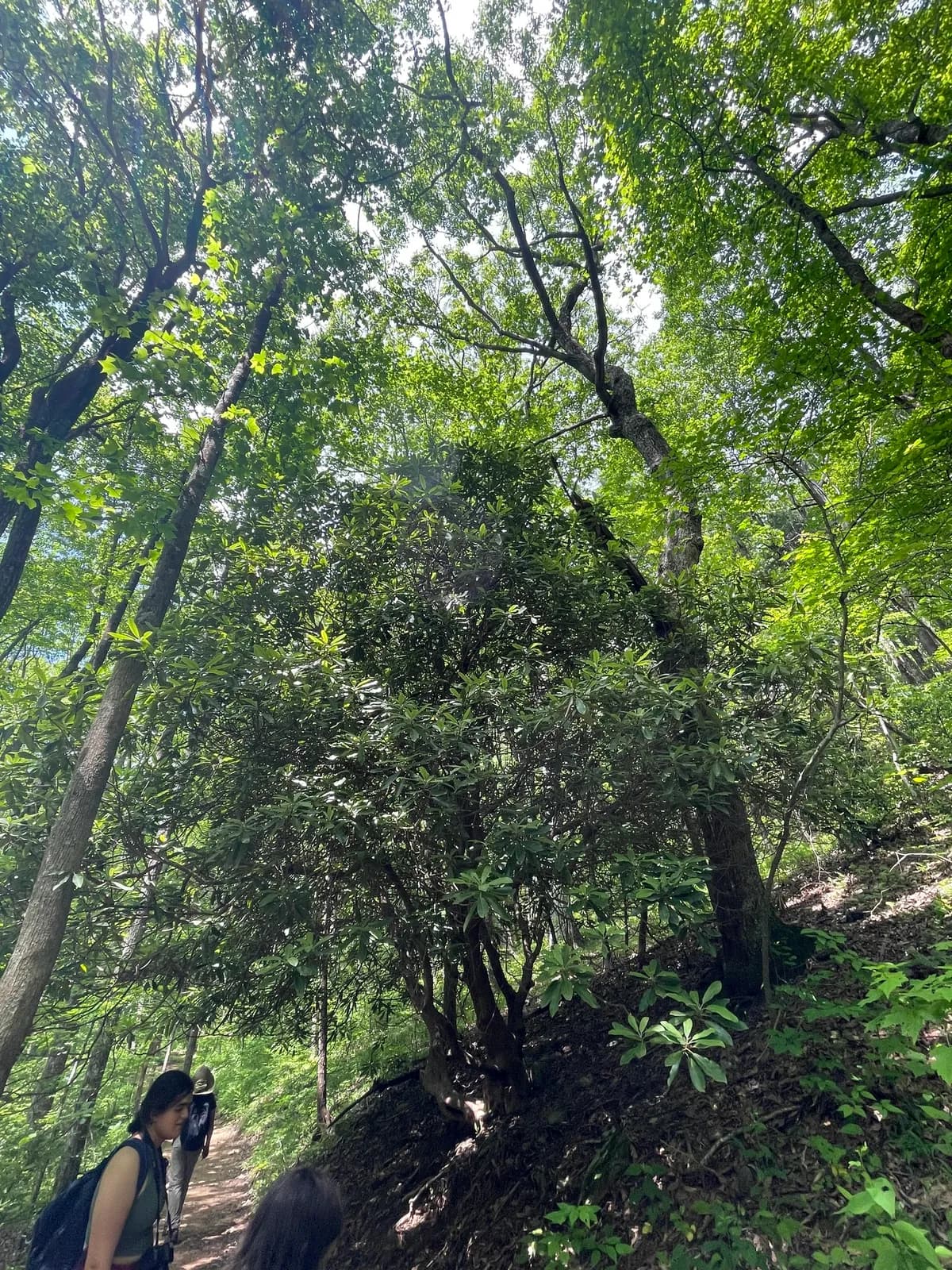
Rhododendron maximum is an evergreen shrub that blooms from June through August with clusters of pink to white flowers, thriving in moist, part shaded woodland settings.
Great Rhododendron is toxic to dogs and cats.
Listed as toxic by the ASPCA Animal Poison Control Center (opens in new tab) (last reviewed 2026-05-21). If your pet has been exposed, call the ASPCA Animal Poison Control Center at (888) 426-4435 and your veterinarian's emergency line.
Pollinator Patch flags toxic plants so you can choose a pet-safe native alternative for your yard.
Native swaps for a yard with pets
Great Rhododendron is listed as toxic to dogs by the ASPCA Animal Poison Control Center. These natives fill a similar role in a planting and are not on the ASPCA toxic plant list for dogs or cats. Each plant's page carries its dated record.
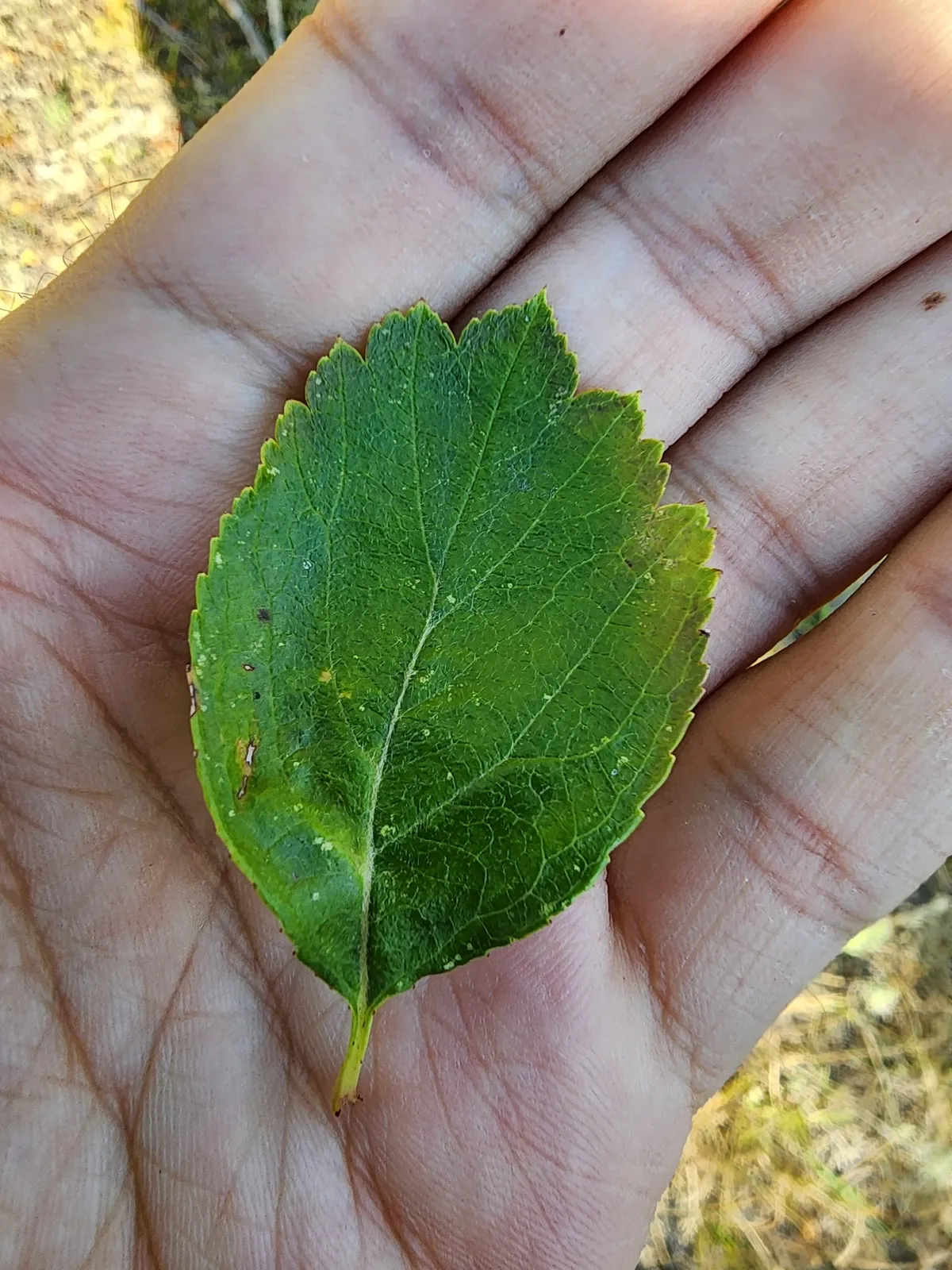
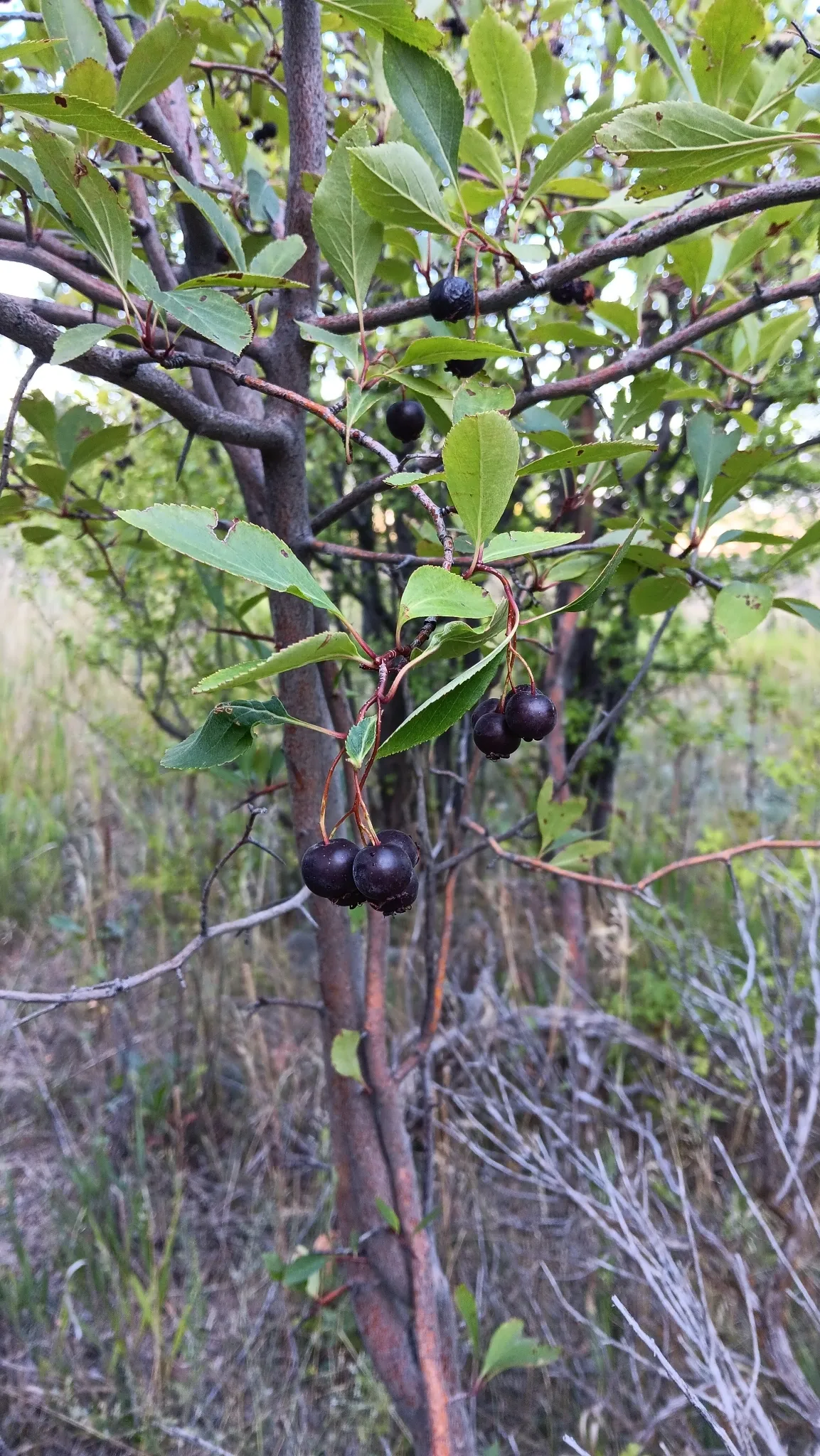
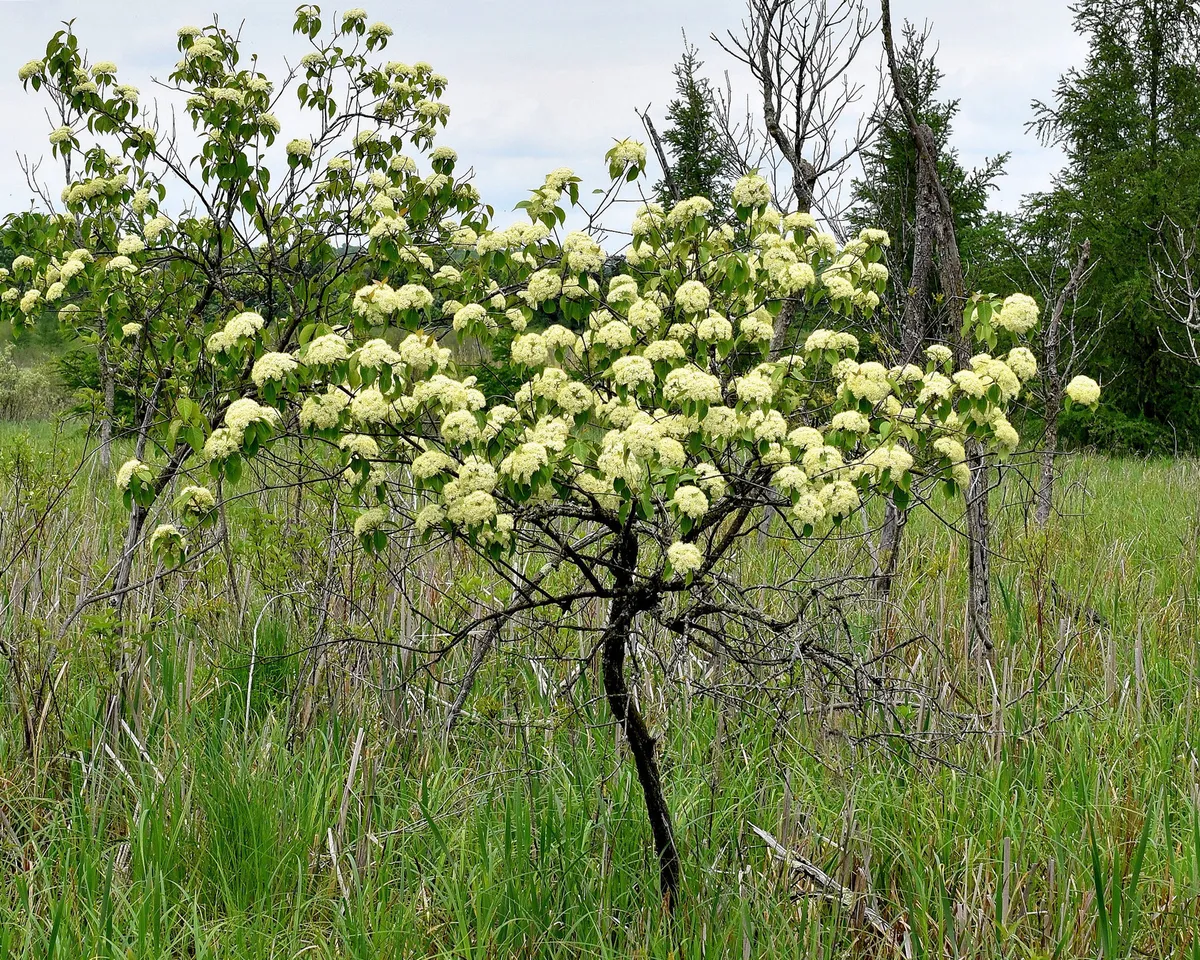
Great Rhododendron is listed as toxic to grazing livestock such as cattle, sheep, and goats at a moderate level by the USDA PLANTS Database (opens in new tab). This is a livestock indicator and is separate from pet toxicity.
Light
part shade
Water
high
Size
60"–180" H × 60"–180" W
Bloom
Jun, Jul, Aug
Native to
AL, CT, GA, KY and 15 more states
Pollinators
bees, butterflies, hummingbirds
Before you buy
Your city may pay you to plant this
Cities and water utilities offer rebates for replacing lawn with native and water-wise plants. We track 459 programs across 44 states, each with a link to the provider and the date we last checked it.
Find rebates in your areaPicture natives in your own yard
Upload a photo of your yard and Patch Vision shows a rendering of it planted with natives for your region, like Great Rhododendron.


Browse plants for this ecoregion
Great rhododendron is a large native evergreen shrub that produces clusters of white to pale pink flowers in summer. This substantial plant maintains year-round structure and can serve as an excellent foundation or screening plant in partially shaded areas.
Growing Great Rhododendron
Grow Great Rhododendron in part shade and high water. Mature plants reach 60 to 180 inches tall and spread 60 to 180 inches wide. Expect moderate maintenance to keep it looking intentional in a front yard.
How to care for Great Rhododendron, by region
How to care for Great Rhododendron where it is actually grown: year-round basics plus what to do each season, region by region, with the sources for each.
Care guidance last updated: August 2026
Willamette Valley (includes Portland, OR)
Year-round
General guide for growing Rhododendron maximum, also called great laurel or rosebay rhododendron, in the Portland, Oregon area.
- This species is native to the Appalachian Mountains and eastern North America, not to Oregon, so treat it as a transplant that needs a little extra attention rather than a local native.
- Portland's mild, wet winters and the naturally acidic soils common west of the Cascades are still a reasonable match for it, since rhododendrons and azaleas as a group thrive in that kind of climate.
- Give it dappled or partial shade, rich acidic soil, and moisture that stays steady without ever turning soggy.
- Plan for size. In the ground it can eventually reach 10 feet tall or more and nearly as wide, so give it room to spread rather than crowding it against a foundation.
- Every part of this plant, leaves, flowers, and pollen, is toxic to dogs, cats, and horses, so keep grazing pets and small kids from chewing on it.
Fall
Fall care for great laurel rhododendron in the Portland area.
- Portland's rain typically returns in October, so you can usually taper off extra watering once the fall rains settle in.
- First frost can land as early as the start of October some years, so use this window to check that mulch is still 2 to 3 inches deep before the cold arrives.
- Do not prune now. Anything cut back after midsummer risks removing next year's flower buds, which the plant already set by late summer.
- Skip fertilizer entirely from here through winter, since feeding this late pushes soft new growth that will not have time to harden off before frost.
- A neat, even layer of mulch or fallen leaves under the shrub keeps roots insulated and keeps the bed looking tended instead of bare.
A tidy mulch layer under the shrub reads as an intentional, cared-for bed instead of bare dirt once the fall cleanup happens.
Winter
Winter care for great laurel rhododendron in the Portland area.
- Winter cold is not really a risk here. This species is rated cold-hardy down through USDA zone 3, far colder than Portland's winters ever get.
- On the coldest mornings the leaves may curl tightly or hang down. That is the plant's own protective response to cold and it relaxes once temperatures climb back above freezing.
- This is dormant season, so there is nothing to feed or prune. Wait until right after next summer's bloom to cut anything back.
- Keep the root zone mulched through winter. This shrub's roots are shallow and can still dry out in a wet Portland winter if it's planted under eaves or a roof overhang that blocks rain.
- Heavy, prolonged rain paired with poor drainage is the bigger local risk to watch, since rhododendrons are more likely to be lost to soggy roots than to cold.
Spring
Spring care for great laurel rhododendron in the Portland area.
- Portland's last frost usually falls in mid to late May, so keep an eye on tender new growth through the spring rains rather than assuming the cold snaps are over in March.
- If the leaves stayed curled or drooping through the cold months, that was a normal cold response, not disease, and they relax on their own as nights warm up.
- This species blooms later than most landscape rhododendrons, in June through August, so spring is a quiet growth season rather than the bloom season.
- Hold off on fertilizer for now. Feed it right after it flowers in summer instead of feeding it this early.
- Freshen the mulch layer with wood chips or pine needles to hold moisture as the wet season starts to taper off.
Summer
Summer care for great laurel rhododendron in the Portland area.
- Portland summers turn dry, unlike this plant's humid Appalachian home ground, so it depends on you for water once the rain lets up.
- Water deeply and on a regular schedule rather than a light daily splash, since a shallow watering only wets the top of the soil and never reaches the roots.
- This is the plant's real bloom window, June into August, so this is when you'll actually see the big flower clusters that give it the name great laurel.
- Water at the soil rather than overhead, since wet leaves sitting in warm weather invite fungal leaf spot.
- Once the blooms fade, that is your cue to prune for shape if needed and to feed it with an acid-forming fertilizer.
Shaping it right after bloom keeps the shrub looking tidy for curb appeal without costing you next year's flowers.
Sources: NC State Extension Gardener Plant Toolbox: Rhododendron maximum, Lady Bird Johnson Wildflower Center: Rhododendron maximum native range, ASPCA: Rhododendron toxicity to dogs, cats, and horses, OSU Extension Service: Spring care tips for rhododendrons and azaleas, Piedmont Master Gardeners (Virginia Cooperative Extension): why rhododendron leaves droop and curl in winter, Frost Dates: Portland, Oregon average last spring frost (community tip)
In an HOA neighborhood
Great Rhododendron is an HOA-friendly choice. Maintenance level: moderate. Tidiness: 4 out of 5.
Works well in: front yard, foundation, mid zone.
- Very large mature size may overwhelm smaller properties
- Requires consistent moisture which may increase maintenance needs
Wildlife value
Host plant for Azalea sphinx moth.
The abundant summer blooms attract bees, butterflies, and hummingbirds. The dense evergreen foliage provides year-round shelter for birds and small wildlife.
Common questions
- When does Rhododendron maximum bloom?
- Rhododendron maximum typically flowers from June through August, with pink to white blossoms opening in dense clusters at branch tips.
- What pollinators visit Rhododendron maximum?
- Bees, butterflies, and hummingbirds visit the flowers of Rhododendron maximum for nectar during its summer bloom period.
- How much light and water does Rhododendron maximum need?
- This shrub grows best in part shade with consistently high moisture, though it can tolerate deeper shade or slightly less water once established.
- Does Rhododendron maximum keep its leaves year round?
- Yes, it is an evergreen shrub, holding its leathery, dark green leaves throughout the winter months.
- What kind of habitat suits Rhododendron maximum?
- It grows well in cool, moist forest understories and along shaded stream banks in the Appalachian region and other humid, temperate woodlands.
- Is Great Rhododendron toxic to dogs?
- Yes. Great Rhododendron is listed as toxic to dogs by the ASPCA Animal Poison Control Center (aspca.org). If your pet has been exposed, call the ASPCA Animal Poison Control Center at (888) 426-4435.
- Is Great Rhododendron toxic to cats?
- Yes. Great Rhododendron is listed as toxic to cats by the ASPCA Animal Poison Control Center (aspca.org). If your cat has been exposed, call the ASPCA Animal Poison Control Center at (888) 426-4435.
- Is Great Rhododendron toxic to livestock?
- Great Rhododendron is listed as toxic to grazing livestock such as cattle, sheep, and goats (moderate severity) by the USDA PLANTS Database. This is separate from pet (dog and cat) toxicity.
- Is Great Rhododendron HOA-friendly?
- Great Rhododendron is generally an HOA-friendly choice in the right placement, with moderate maintenance.
These answers were drafted with an AI model from this plant's data. Verify care details with a local expert.
Native range data from vouchered herbarium specimen records and regional native plant society lists. Pollinator and host plant associations compiled from GBIF, iNaturalist, and published ecological literature.
If something looks wrong
Common plant problems, and what to check first
These come up on almost any plant. Each guide lists the likely causes in the order they are worth ruling out, with one thing to check before you act on any of them, and links to the source it came from.
- It is dying right after planting
- Leaves turning yellow
- Wilting even though I watered it
- Brown crispy leaf tips
- Bugs on the plant
Pollinator Patch flags toxic plants like Great Rhododendron and shows pet-safe natives for your ecoregion instead.