Lily-of-the-valley
Convallaria majalis
Last reviewed: October 2026
Lily-of-the-valley (Convallaria majalis) is a perennial forb. It blooms in April, May, and June. The flowers draw bees and beetles.

Lily-of-the-valley is toxic to dogs and cats.
Listed as toxic by the ASPCA Animal Poison Control Center (opens in new tab) (last reviewed 2026-05-21). If your pet has been exposed, call the ASPCA Animal Poison Control Center at (888) 426-4435 and your veterinarian's emergency line.
Pollinator Patch flags toxic plants so you can choose a pet-safe native alternative for your yard.
The USDA PLANTS Database (opens in new tab) does not flag Lily-of-the-valley as toxic to livestock.
Light
part shade
Water
medium
Size
6"–12" H × 6"–12" W
Bloom
Apr, May, Jun
Pollinators
bees, beetles
Native alternatives to Lily-of-the-valley
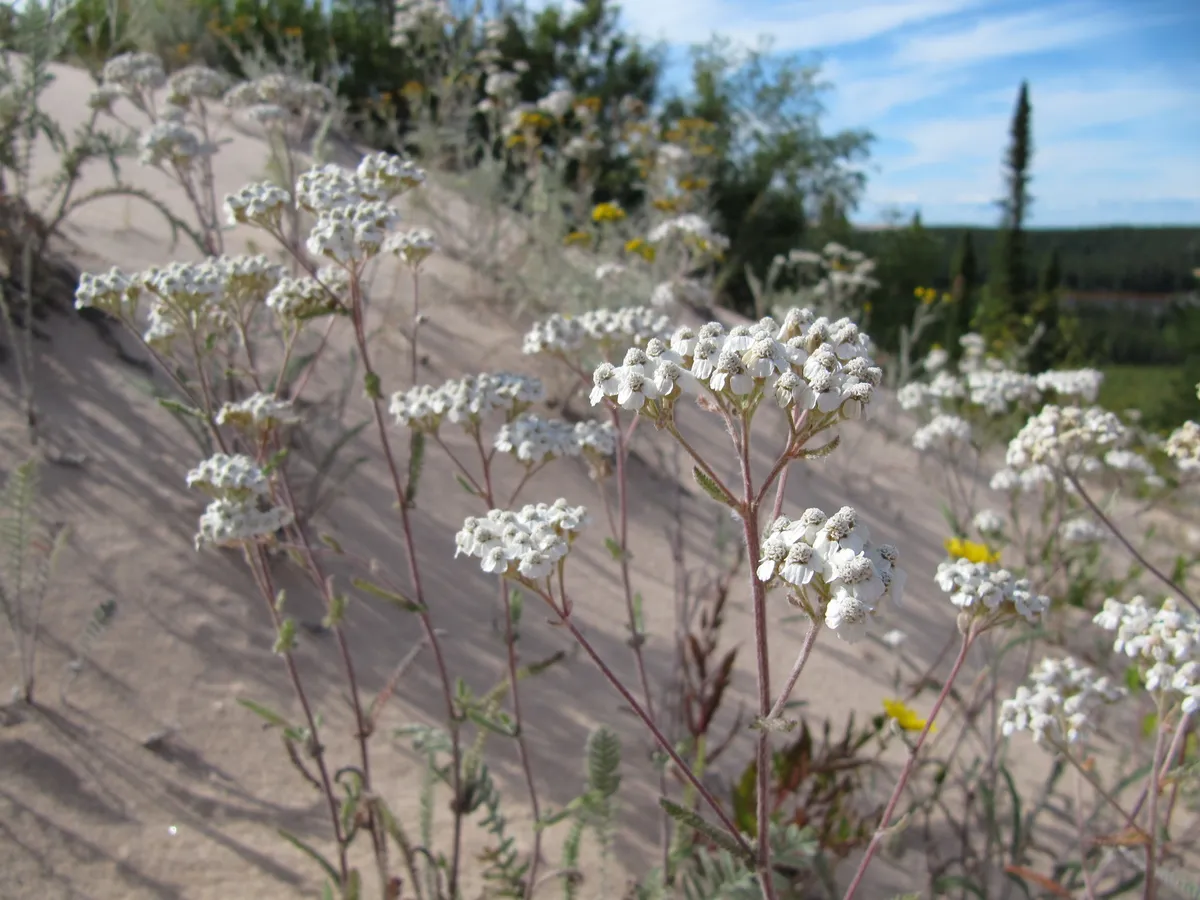
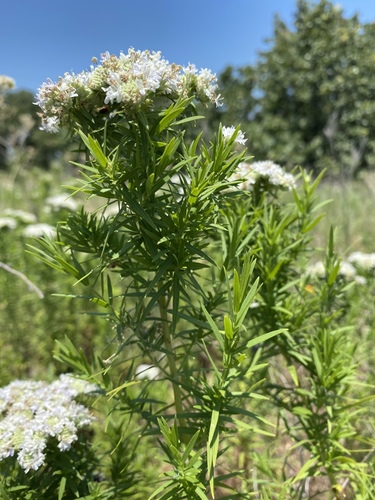
Lily-of-the-valley is not native to the United States. These natives fill a similar role in a planting, matched on bloom season, bloom color and mature size.
Before you buy
Your city may pay you to plant this
Cities and water utilities offer rebates for replacing lawn with native and water-wise plants. We track 459 programs across 44 states, each with a link to the provider and the date we last checked it.
Find rebates in your areaPicture natives in your own yard
Wondering what could grow where Lily-of-the-valley is now? Upload a photo of the spot and Patch Vision shows a rendering of it replanted with natives for your region.


Lily-of-the-valley is a low-growing perennial groundcover with fragrant white bell-shaped flowers in spring. It forms neat colonies through underground rhizomes and produces bright green heart-shaped leaves that create a uniform carpet effect.
Growing Lily-of-the-valley
Grow Lily-of-the-valley in part shade and medium water. Mature plants reach 6 to 12 inches tall and spread 6 to 12 inches wide. Expect low maintenance to keep it looking intentional in a front yard.
How to care for Lily-of-the-valley, by region
How to care for Lily-of-the-valley where it is actually grown: year-round basics plus what to do each season, region by region, with the sources for each.
Care guidance last updated: September 2026
High Plains (includes Lubbock, TX)
Year-round
A shade-loving groundcover that wants steady moisture, which takes some extra work to give it in Lubbock's hot, dry climate.
- Give it morning sun and afternoon shade, or full shade under a tree or on a north-facing wall. Full Lubbock sun will scorch the leaves and dry the soil out too fast.
- Work compost or other organic matter into the planting area first. Lubbock's native soil tends to run alkaline and sandy or caliche-heavy, and this plant wants rich, well-draining soil.
- Plan on keeping the soil evenly moist. This plant is often called drought tolerant, but that holds up better in cooler, more humid regions than it does in Lubbock's low humidity and wind. Expect to water deeply on a regular schedule rather than let it dry out between waterings.
- A raised bed or an amended planting hole is often the easiest way to hold the moisture it needs without overwatering whatever else is nearby.
- Space the small rhizome pieces (called pips) about 3 to 4 inches apart, with the pointed bud tip at or just below the soil surface.
- It spreads by underground rhizomes and can fill in a shaded bed over a couple of seasons, so give it a spot where you don't mind it wandering a bit.
- Every part of the plant is toxic to dogs, cats, and horses if eaten, and it is not something people should eat either, so keep it out of areas where pets or kids graze on plants.
Fall
Fall is a second good planting window, and cleanup and mulching now protects the plant through winter.
- September into October, once the worst summer heat breaks, is also a good time to plant or divide here.
- Cut back and remove foliage once it yellows and dies down after the first light frost. This tidies the bed and cuts down on places for fungal problems to overwinter.
- Add a fresh 2 to 3 inch layer of mulch in October or November, before hard freezes arrive. Lubbock winters often bring cold with little snow cover to insulate the rhizomes.
- Taper off watering as days cool, but don't let the bed go bone dry heading into winter.
- Lubbock's average first freeze lands in early to mid November, so plan the foliage cleanup and mulching around that date.
Cutting back the dead foliage after the first frost keeps a front bed looking tended through winter instead of left brown and collapsed.
Winter
The plant goes fully dormant and needs little care, but Lubbock sits near the edge of its cold hardiness range so the fall mulch layer matters.
- The plant is fully dormant in winter and needs no active care beyond the mulch already put down in fall.
- Lubbock sits near the cold edge of this plant's hardiness range, so a solid mulch layer protects the rhizomes during one of our harder cold snaps into the single digits.
- Skip regular watering in winter, but during a long dry stretch with no rain or snow, an occasional light watering keeps the dormant rhizomes from drying out completely. Lubbock's winter wind pulls moisture out of soil fast even when it's cold.
- Don't prune or disturb the bed in winter. There is nothing left above ground to cut back once fall cleanup is done.
Spring
Late winter into early spring is planting and dividing season here, but watch for a late freeze on new growth.
- Late winter through early spring, roughly February into March while the ground is still cool, is the best time to plant bare-root pips or divide an existing patch in Lubbock.
- New shoots usually push up as soil warms, often by March here. A late cold snap can nip young growth, so keep frost cloth handy through early April, around Lubbock's average last freeze date.
- The fragrant white bell flowers typically open in April here, a bit earlier than in cooler parts of the plant's range.
- As spring winds and warmer days set in, check soil moisture more often. Lubbock's low humidity and steady wind dry out shaded beds faster than you'd expect from the temperature alone.
- If the patch has spread past its bed edges, spring is a good time to dig and thin it before summer heat makes the ground harder to work.
Thin or edge the patch now, before it spreads past the bed line into a walkway or lawn, so the front bed stays tidy going into the growing season.
Summer
Lubbock's heat and low humidity are the hardest stretch of the year for this plant, so afternoon shade and deep watering matter most now.
- Lubbock summers regularly reach the mid to upper 90s with very low humidity, which is tough on a plant that wants cool, moist shade. Afternoon shade is not optional here.
- Water deeply two to three times a week rather than a light daily sprinkle, and keep a 2 to 3 inch layer of mulch down to hold moisture between waterings.
- Some yellowing and die-back of the foliage by mid to late summer is normal for this plant even in its preferred climate. In Lubbock's heat it can start earlier, by July or August.
- Avoid watering late in the evening. Wet foliage overnight combined with our summer heat can invite leaf spot and rot problems.
- If leaf edges are crisping by midday even with regular watering, that points to heat and sun stress rather than a watering problem. Extra shade cloth or a taller companion plant for afternoon cover can help.
Sources: ASPCA: Lily of the Valley toxic plant profile, NC State Extension Gardener Plant Toolbox: Convallaria majalis
In an HOA neighborhood
Lily-of-the-valley takes more care to keep looking intentional in a front yard. Maintenance level: low. Consider it for backyard or mid-zone beds rather than the street edge.
Works well in: backyard only.
- Highly toxic to children and pets
- Can become invasive and spread aggressively
Wildlife value
The spring flowers attract bees and beetles for pollination. All parts of the plant are toxic to humans and pets, so wildlife browsing is limited.
Common questions
- When does lily-of-the-valley bloom?
- Convallaria majalis blooms in spring, typically from April through June, producing small, bell-shaped white flowers on arching stems.
- How much light does lily-of-the-valley need?
- This plant does best in part shade but tolerates a range from partial sun to full shade, making it suited to woodland-edge or shaded garden beds.
- How much water does lily-of-the-valley need?
- Lily-of-the-valley grows well with medium, consistent moisture and can handle drier soil once it is established, though it does not tolerate standing water.
- What pollinators visit lily-of-the-valley flowers?
- Bees and beetles are the main visitors to Convallaria majalis flowers, attracted to their sweet fragrance during the spring bloom period.
- Is Lily-of-the-valley toxic to dogs?
- Yes. Lily-of-the-valley is listed as toxic to dogs by the ASPCA Animal Poison Control Center (aspca.org). If your pet has been exposed, call the ASPCA Animal Poison Control Center at (888) 426-4435.
- Is Lily-of-the-valley toxic to cats?
- Yes. Lily-of-the-valley is listed as toxic to cats by the ASPCA Animal Poison Control Center (aspca.org). If your cat has been exposed, call the ASPCA Animal Poison Control Center at (888) 426-4435.
- Is Lily-of-the-valley toxic to livestock?
- The USDA PLANTS Database does not flag Lily-of-the-valley as toxic to livestock.
- Is Lily-of-the-valley HOA-friendly?
- Lily-of-the-valley takes more care to look intentional in a front yard. Consider it for backyard or mid-zone beds rather than the street edge.
These answers were drafted with an AI model from this plant's data. Verify care details with a local expert.
Pollinator and host plant associations compiled from GBIF, iNaturalist, and published ecological literature.
If something looks wrong
Common plant problems, and what to check first
These come up on almost any plant. Each guide lists the likely causes in the order they are worth ruling out, with one thing to check before you act on any of them, and links to the source it came from.
- It is dying right after planting
- Leaves turning yellow
- Wilting even though I watered it
- Brown crispy leaf tips
- Bugs on the plant
Pollinator Patch flags toxic plants like Lily-of-the-valley and shows pet-safe natives for your ecoregion instead.