Mexican Bird of Paradise
Erythrostemon mexicanus
Last reviewed: October 2026
Erythrostemon mexicanus is a low water shrub that thrives in full sun and produces yellow flowers from April through October, doing well in hot dry landscapes such as South Texas.
Toxicity unknown
Mexican Bird of Paradise (Erythrostemon mexicanus) is not listed by the ASPCA Animal Poison Control Center (opens in new tab) or the other sources we check, so we have no verdict for it either way. Absence from those lists is not a clearance. If your pet shows symptoms after eating any plant, call the ASPCA at (888) 426-4435.
Light
full sun
Water
low
Size
96"–180" H × 72"–120" W
Bloom
Apr, May, Jun, Jul, Aug, Sep, Oct
Native to
TX
Pollinators
bees, butterflies, hummingbirds
Before you buy
Your city may pay you to plant this
Cities and water utilities offer rebates for replacing lawn with native and water-wise plants. We track 459 programs across 44 states, each with a link to the provider and the date we last checked it.
Find rebates in your areaPicture natives in your own yard
Upload a photo of your yard and Patch Vision shows a rendering of it planted with natives for your region, like Mexican Bird of Paradise.


Browse plants for this ecoregion
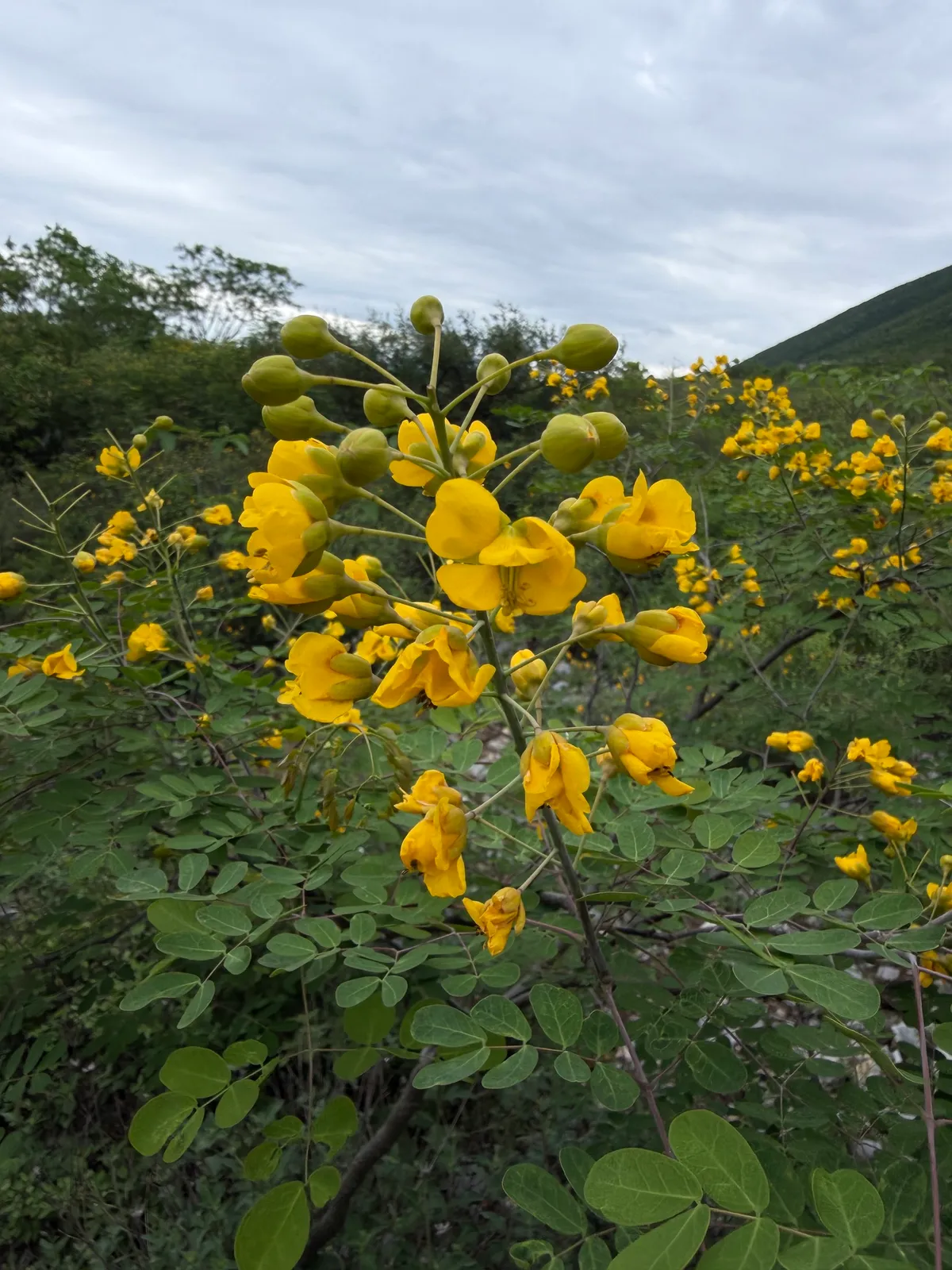
Mexican Bird of Paradise is a rounded, semi-evergreen shrub or small tree with fine, fern-like foliage and fragrant golden-yellow flower clusters that bloom through the warm months. It holds a naturally structured, upright form and needs little pruning to stay neat. Native to the lower Rio Grande Valley per USDA PLANTS.
Growing Mexican Bird of Paradise
Grow Mexican Bird of Paradise in full sun and low water. Mature plants reach 96 to 180 inches tall and spread 72 to 120 inches wide. Expect low maintenance to keep it looking intentional in a front yard.
How to care for Mexican Bird of Paradise, by region
How to care for Mexican Bird of Paradise where it is actually grown: year-round basics plus what to do each season, region by region, with the sources for each.
Care guidance last updated: October 2026
Cross Timbers (includes Fort Worth, TX)
Year-round
Mexican bird of paradise is a fast growing, heat loving shrub with fragrant yellow flowers from spring through fall. It is native to Mexico and the far southern tip of Texas, not to the North Texas area, but it handles our full sun and dry spells well once it settles in.
- Plant it in full sun. It flowers best with 6 or more hours of direct sun a day.
- Give it room to grow 8 to 15 feet tall and equally wide, or train it into a small multi trunk tree by removing the lowest branches as it grows.
- Water deeply once or twice a week for the first growing season to help roots establish, then taper off. Established plants tolerate long stretches without rain.
- In heavy black clay soil, plant it high on a slight mound or work in compost so water drains away from the crown. In the sandier soils west of the metro, plan on watering it more often through its first summer.
- Expect leaf drop and possible dieback to the ground in a hard freeze. It usually resprouts from the base once the weather warms.
Fall
Fall is a good second planting window for this shrub, and it keeps flowering into early fall as temperatures cool.
- September through October is a good second planting window. Cooler air and still warm soil let roots establish before winter.
- Blooming tapers off by October and stops with the first hard frost, usually around mid November.
- Hold off on any major pruning in fall. Cutting now can push tender new growth that a freeze will kill.
- Rake and remove fallen leaves and spent flowers from the bed as the plant slows down, so the area does not look neglected going into winter.
A clean, leaf free bed with no fresh pruning cuts keeps the shrub reading as tended, not neglected, as it heads into its dormant winter look.
Winter
This shrub is only marginally cold hardy in North Texas. A hard freeze can kill it back to the ground, but the roots typically survive and it resprouts in spring.
- Before a hard freeze or arctic outbreak, cover the plant with a frost cloth or an old blanket down to the ground. Do not lay plastic directly on the foliage.
- Mulch 3 to 4 inches deep over the root zone before the first hard freeze to protect the roots even if the top dies back.
- If stems blacken and go limp after a freeze, leave them in place until spring. They help insulate the crown, and cutting too early can expose it to the next cold snap.
- Wait until new growth appears at the base in spring, then cut all dead wood back to just above the live growth.
A blackened, freeze damaged shrub can look dead and out of place through winter. Visible fresh mulch and a frost cloth used during cold snaps signal it is a deliberately kept planting, not neglect.
Spring
Spring is the best time to plant this shrub in North Texas, after the mid March frost date, so roots have the whole growing season to establish before next winter.
- Plant after mid March once the danger of frost has passed.
- New spring growth from any winter dieback usually starts low on the plant. Wait to prune out dead wood until you can see where the live green growth is coming from, generally by late April.
- Water newly planted shrubs 2 to 3 times a week through spring while roots establish.
- The first flush of butter yellow, fragrant flowers typically opens in April and continues into early summer.
- Mulch 2 to 3 inches deep around the base, kept a few inches back from the stems, to hold spring moisture.
Winter dieback can leave bare, cut back stems going into spring. A tidy mulch ring plus visible new leaf growth read as an intentional, tended planting rather than a dead shrub.
Summer
Once established, this shrub is one of the more heat and drought tolerant choices for a North Texas front yard, and it keeps blooming through the hardest part of summer.
- After the first year, established plants need only occasional deep watering, roughly every 10 to 14 days, during 100 degree stretches with no rain.
- Watch first year plantings closely in July and August. Their roots are not yet established, so they still need weekly deep watering.
- Flowering continues through summer into fall. Deadheading is not required since the spent blooms are not showy enough to bother removing.
- Skip fertilizer during peak summer heat. Feeding a heat stressed plant can push weak new growth that wilts in the afternoon sun.
Sources: USDA PLANTS Database: Caesalpinia mexicana (Mexican holdback), UF/IFAS Environmental Horticulture: Caesalpinia mexicana (Mexican Caesalpinia), Mountain States Wholesale Nursery: Caesalpinia mexicana (Mexican Bird of Paradise)
Mississippi Valley Loess Plains (includes Memphis, TN)
Year-round
Mexican Bird of Paradise wants full sun, soil that drains well, and not much water once it settles in. It's a warm climate shrub built for zone 9 and up, so in Memphis plan on treating it as a plant that dies back most winters rather than a permanent evergreen hedge.
- Give it a spot with at least 6 hours of direct sun a day. It blooms the most in full sun and gets thin and sparse flowering in shade.
- Plant it in soil that drains well, sandy or loamy is ideal. It tolerates soil from slightly acidic to slightly alkaline, but it does not like sitting in wet clay.
- Water new plants regularly through their first year to get the roots established. Once it's settled in, it handles dry spells well and only needs occasional deep watering.
- In its normal range this grows into a rounded shrub or small tree, roughly 10 to 15 feet tall and close to that wide, so give it 8 to 10 feet of room from the house, fences, or other shrubs.
- It does not respond well to heavy pruning. Shape it lightly to remove dead or crossing growth rather than shearing it.
- Memphis sits in USDA zone 7b to 8a, well outside this plant's normal hardy range of zone 9 to 11. Expect it to freeze back to the ground in a typical Memphis winter, so it works better here as a die-back perennial or a large container plant you can move for winter than as a permanent landscape shrub.
Fall
Fall is about slowing down watering and getting the root zone ready for winter, not about pruning.
- Taper off supplemental watering as growth slows and nights cool, usually starting in October in Memphis.
- Skip pruning in fall. Cutting now can trigger new growth right before a freeze, and fresh growth is the most freeze tender part of the plant.
- Before the first hard freeze, typically mid to late November in Memphis, spread 3 to 4 inches of mulch over the root zone, keeping it a few inches back from the trunk. Protecting the roots is what lets the plant come back even if the top freezes off.
- If you're growing it in a container, this is the time to line up a spot for it to spend winter, like a garage or bright indoor room, since an unprotected potted plant will not make it through a Memphis freeze.
Skip fall pruning and just add mulch. An unpruned, mulched bed reads as intentional winter prep rather than a neglected shrub.
Winter
Winter is the real test for this plant in Memphis. Expect the top growth to freeze back most years, and treat that as normal rather than a sign the plant failed.
- This shrub is rated hardy to roughly 15 to 20 degrees F for short dips, and it can lose leaves or die back to the ground well before that in a sustained hard freeze. Memphis winters regularly go colder than its comfort zone, so dieback most years is expected, not a mistake you made.
- Leave frozen, blackened stems standing through winter instead of cutting them back right away. They help insulate the crown, and cutting too early opens the plant up to more cold damage.
- Keep the fall mulch layer in place over the root zone, and add more after any hard freeze if it's washed thin. The roots surviving is what lets the plant regrow in spring even if everything above ground is gone.
- If it's in a container, bring it into a garage, unheated sunroom, or bright indoor spot on any night with a freeze in the forecast.
Leaving winter-killed stems standing looks intentional when paired with a clean mulch layer, rather than like an abandoned shrub. Save the hard cutback for after the last frost in spring.
Spring
Spring in Memphis is cleanup and planting time for this one. Wait for frost danger to pass before you touch winter damage or put a new plant in the ground.
- Wait until after Memphis's average last frost, mid to late April, before pruning off any winter damage. Cutting too early can expose fresh cuts to one more freeze.
- If a hard winter killed the top growth, cut the dead wood back to live green wood, or all the way to the ground if nothing above ground made it. Established plants usually push new growth back up from the roots once the soil warms.
- Spring is the best time to plant a new one here. It gives the roots a full warm season to get established before facing a Memphis winter.
- New growth comes on fast once it starts. Hold off on fertilizer until you see healthy new leaves, then a light feeding is plenty.
Once frost risk passes, cut back the winter-killed stems promptly so the front bed doesn't sit looking dead into late spring.
Summer
Summer is when this shrub does its thing, blooming through Memphis's heat as long as it gets enough water to keep pushing new growth.
- This is peak bloom season. Water deeply during long dry summer stretches to keep the flowers coming, but let the top few inches of soil dry out between waterings.
- Full sun all summer is fine and actually pushes more blooms. It handles heat well since it comes from a warmer, drier climate to begin with.
- Deadhead spent flower spikes if you want a tidier look and less reseeding, but it's not required for the plant's health.
- Check new growth for aphids or spider mites during hot, dry stretches. A strong spray of water from the hose usually knocks them back without needing anything else.
Sources: UF/IFAS EDIS Fact Sheet FP-082: Caesalpinia mexicana, Mexican Caesalpinia, Boething Treeland Farms: Caesalpinia mexicana (Erythrostemon mexicanus) plant profile, UNF Botanical Garden: Caesalpinia mexicana plant page, Garden Guides: How To Prune A Mexican Bird Of Paradise (community tip), Biology Insights: Mexican Bird of Paradise Growing Zones Explained (community tip), Arid Zone Trees: Caesalpinia mexicana (Mexican Bird of Paradise) species page
Texas Blackland Prairies (includes Dallas, TX)
Year-round
Mexican bird of paradise is a fast growing, heat loving shrub with fragrant yellow flowers from spring through fall. It is native to Mexico and the far southern tip of Texas, not to the North Texas area, but it handles our full sun and dry spells well once it settles in.
- Plant it in full sun. It flowers best with 6 or more hours of direct sun a day.
- Give it room to grow 8 to 15 feet tall and equally wide, or train it into a small multi trunk tree by removing the lowest branches as it grows.
- Water deeply once or twice a week for the first growing season to help roots establish, then taper off. Established plants tolerate long stretches without rain.
- In heavy black clay soil, plant it high on a slight mound or work in compost so water drains away from the crown. In the sandier soils west of the metro, plan on watering it more often through its first summer.
- Expect leaf drop and possible dieback to the ground in a hard freeze. It usually resprouts from the base once the weather warms.
Fall
Fall is a good second planting window for this shrub, and it keeps flowering into early fall as temperatures cool.
- September through October is a good second planting window. Cooler air and still warm soil let roots establish before winter.
- Blooming tapers off by October and stops with the first hard frost, usually around mid November.
- Hold off on any major pruning in fall. Cutting now can push tender new growth that a freeze will kill.
- Rake and remove fallen leaves and spent flowers from the bed as the plant slows down, so the area does not look neglected going into winter.
A clean, leaf free bed with no fresh pruning cuts keeps the shrub reading as tended, not neglected, as it heads into its dormant winter look.
Winter
This shrub is only marginally cold hardy in North Texas. A hard freeze can kill it back to the ground, but the roots typically survive and it resprouts in spring.
- Before a hard freeze or arctic outbreak, cover the plant with a frost cloth or an old blanket down to the ground. Do not lay plastic directly on the foliage.
- Mulch 3 to 4 inches deep over the root zone before the first hard freeze to protect the roots even if the top dies back.
- If stems blacken and go limp after a freeze, leave them in place until spring. They help insulate the crown, and cutting too early can expose it to the next cold snap.
- Wait until new growth appears at the base in spring, then cut all dead wood back to just above the live growth.
A blackened, freeze damaged shrub can look dead and out of place through winter. Visible fresh mulch and a frost cloth used during cold snaps signal it is a deliberately kept planting, not neglect.
Spring
Spring is the best time to plant this shrub in North Texas, after the mid March frost date, so roots have the whole growing season to establish before next winter.
- Plant after mid March once the danger of frost has passed.
- New spring growth from any winter dieback usually starts low on the plant. Wait to prune out dead wood until you can see where the live green growth is coming from, generally by late April.
- Water newly planted shrubs 2 to 3 times a week through spring while roots establish.
- The first flush of butter yellow, fragrant flowers typically opens in April and continues into early summer.
- Mulch 2 to 3 inches deep around the base, kept a few inches back from the stems, to hold spring moisture.
Winter dieback can leave bare, cut back stems going into spring. A tidy mulch ring plus visible new leaf growth read as an intentional, tended planting rather than a dead shrub.
Summer
Once established, this shrub is one of the more heat and drought tolerant choices for a North Texas front yard, and it keeps blooming through the hardest part of summer.
- After the first year, established plants need only occasional deep watering, roughly every 10 to 14 days, during 100 degree stretches with no rain.
- Watch first year plantings closely in July and August. Their roots are not yet established, so they still need weekly deep watering.
- Flowering continues through summer into fall. Deadheading is not required since the spent blooms are not showy enough to bother removing.
- Skip fertilizer during peak summer heat. Feeding a heat stressed plant can push weak new growth that wilts in the afternoon sun.
Sources: USDA PLANTS Database: Caesalpinia mexicana (Mexican holdback), UF/IFAS Environmental Horticulture: Caesalpinia mexicana (Mexican Caesalpinia), Mountain States Wholesale Nursery: Caesalpinia mexicana (Mexican Bird of Paradise)
In an HOA neighborhood
Mexican Bird of Paradise is an HOA-friendly choice. Maintenance level: low. Tidiness: 4 out of 5.
Works well in: front yard, foundation, street edge.
- Only reliably cold-hardy in the warmest parts of deep South Texas and can freeze back further north.
Wildlife value
Its fragrant golden blooms attract bees, butterflies, and hummingbirds throughout the growing season, per USDA PLANTS records for the species.
Common questions
- When does Mexican Bird of Paradise bloom?
- Erythrostemon mexicanus typically flowers from April through October, with yellow blooms appearing over an extended warm season rather than a single short flush.
- What pollinators visit Mexican Bird of Paradise?
- The flowers of Erythrostemon mexicanus attract bees, butterflies, and hummingbirds throughout its long bloom period.
- How much water does this shrub need?
- Erythrostemon mexicanus is a low water shrub once established and prefers dry to moderately moist, well drained soil rather than regular watering.
- How much sun does Mexican Bird of Paradise need?
- This shrub grows best in full sun and can tolerate some part sun exposure, but flowering is heaviest with direct sunlight most of the day.
- Does Mexican Bird of Paradise lose its leaves in winter?
- Erythrostemon mexicanus is semi-evergreen, holding much of its foliage in mild winters but dropping leaves during colder spells or hard freezes.
- Is Mexican Bird of Paradise HOA-friendly?
- Mexican Bird of Paradise is generally an HOA-friendly choice in the right placement, with low maintenance.
These answers were drafted with an AI model from this plant's data. Verify care details with a local expert.
Native range data from vouchered herbarium specimen records and regional native plant society lists. Pollinator and host plant associations compiled from GBIF, iNaturalist, and published ecological literature.
If something looks wrong
Common plant problems, and what to check first
These come up on almost any plant. Each guide lists the likely causes in the order they are worth ruling out, with one thing to check before you act on any of them, and links to the source it came from.
- It is dying right after planting
- Leaves turning yellow
- Wilting even though I watered it
- Brown crispy leaf tips
- Bugs on the plant
Ready to grow Mexican Bird of Paradise? Add it to your garden in Pollinator Patch to track it and get season-by-season care guidance.