Tomato
Solanum lycopersicum
Last reviewed: September 2026
Tomato (Solanum lycopersicum) is a annual vine. It blooms in May, June, July, and August. The flowers draw bees and beetles.

Tomato is toxic to dogs and cats.
Listed as toxic by the ASPCA Animal Poison Control Center (opens in new tab) (last reviewed 2026-05-21). If your pet has been exposed, call the ASPCA Animal Poison Control Center at (888) 426-4435 and your veterinarian's emergency line.
Pollinator Patch flags toxic plants so you can choose a pet-safe native alternative for your yard.
Tomato is listed as toxic to grazing livestock such as cattle, sheep, and goats at a slight level by the USDA PLANTS Database (opens in new tab). This is a livestock indicator and is separate from pet toxicity.
Light
full sun
Water
high
Size
24"–72" H × 18"–36" W
Bloom
May, Jun, Jul, Aug
Pollinators
bees, beetles
Native alternatives to Tomato
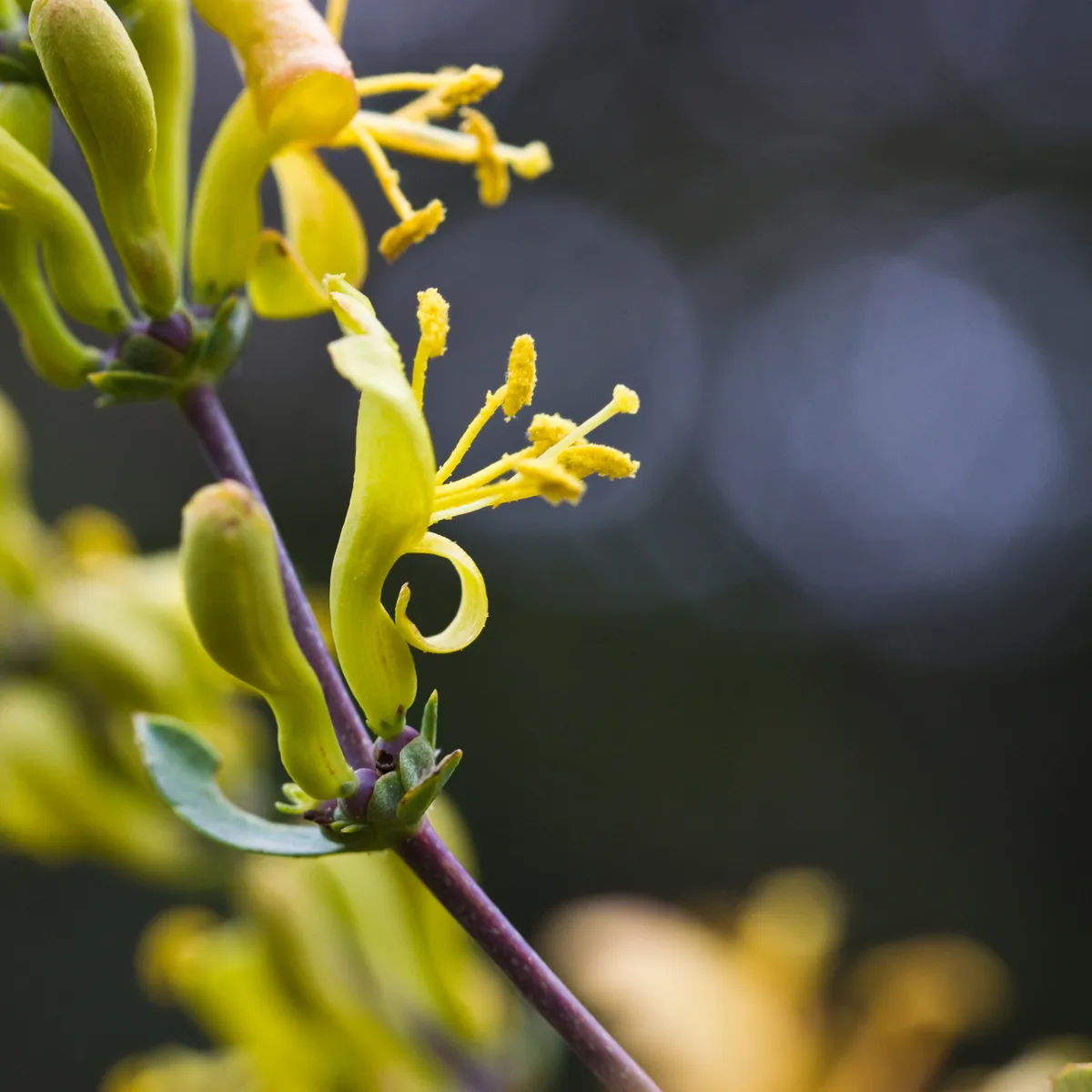
Tomato is not native to the United States. These natives fill a similar role in a planting, matched on bloom season, bloom color and mature size.

Before you buy
Your city may pay you to plant this
Cities and water utilities offer rebates for replacing lawn with native and water-wise plants. We track 459 programs across 44 states, each with a link to the provider and the date we last checked it.
Find rebates in your areaPicture natives in your own yard
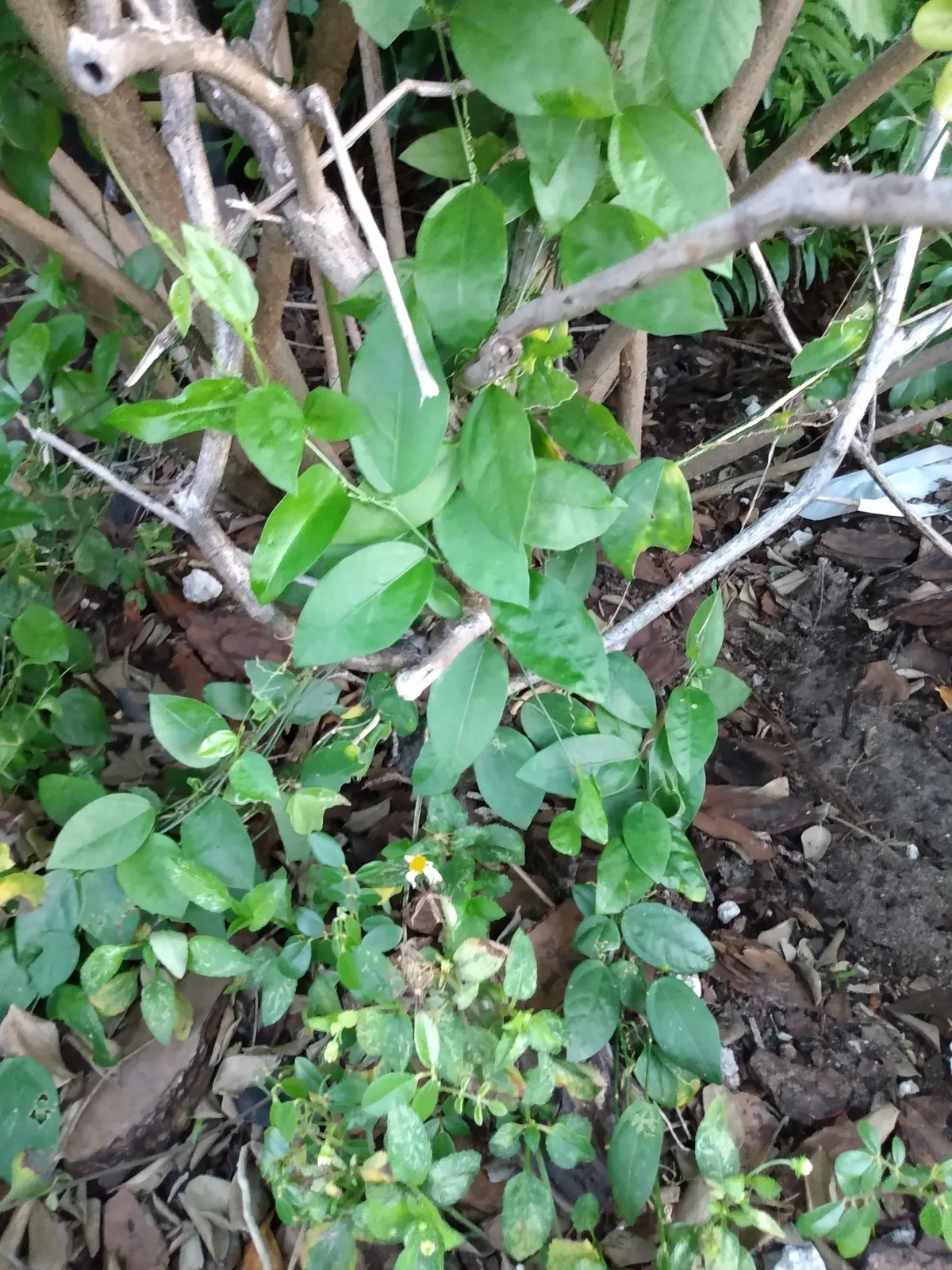
Wondering what could grow where Tomato is now? Upload a photo of the spot and Patch Vision shows a rendering of it replanted with natives for your region.


Tomato is a popular annual vegetable crop that produces edible fruits throughout the summer growing season. The vine-like plants require staking or caging for support and need consistent watering and maintenance for best fruit production.
Growing Tomato
Grow Tomato in full sun and high water. Mature plants reach 24 to 72 inches tall and spread 18 to 36 inches wide. Expect high maintenance to keep it looking intentional in a front yard.
How to care for Tomato, by region
How to care for Tomato where it is actually grown: year-round basics plus what to do each season, region by region, with the sources for each.
Care guidance last updated: August 2026
Northeastern Coastal Zone (includes New York, NY)
Year-round
Tomato is a warm season vegetable that New York City gardeners grow fresh from a transplant or seed every year, not a plant that comes back on its own.
- Give it at least eight hours of direct sun a day and well drained soil with a pH between 6.0 and 6.8, which Cornell's growing guide lists as the range that produces the best yields.
- This is not a plant that survives a New York winter outdoors. Treat it as an annual you plant fresh each spring rather than something to protect through the cold months.
- The leaves, stems, and any green unripe fruit contain solanine, which is toxic to dogs, cats, and horses if enough is eaten. A ripe red tomato is not toxic, so keep pets away mainly from the vines and any green fruit that drops to the ground.
- Hold the vines up off the ground with a cage or stake. It keeps fruit cleaner and improves airflow through the plant, which helps cut down on the leaf diseases that are common in New York's humid summers.
Fall
Fall in New York City brings the season ending frost, usually in mid to late November, so the main job is picking what you can and clearing the bed.
- Central Park's average first fall frost lands around November 20, with a range from mid October to late December in a given year, so start watching the forecast once you're into November.
- Just before that first frost, pick any full sized, light green tomatoes still on the vine. Wrap each one in newspaper and store it somewhere cool and dark, around 60 to 65 degrees, and it will ripen over the following couple weeks.
- Pull the whole plant once a hard freeze is forecast. A frost turns tomato vines to blackened mush overnight, so clearing spent plants keeps a front yard bed looking tidy going into winter.
- Clear out the old vines and any fallen fruit rather than leaving them in the bed. Disease causing fungi like early blight can overwinter in that leftover plant debris and reinfect next year's plants.
Pulling spent tomato vines once frost hits keeps a front yard vegetable bed looking tidy for fall.
Winter
There's no live tomato plant to tend through a New York City winter, so the season is really about planning for next year.
- Once frost has killed the vines, there is nothing left outdoors to water or protect. Tomato is an annual here, so the bed can just sit through winter until you replant in spring.
- If you want a head start, mark your calendar for late winter. Cornell recommends starting seeds indoors 6 to 8 weeks before your planned transplant date, which for a New York City spring means roughly February into March.
- If you have the garden space, plan to grow tomatoes in a different spot than last year. Extension research shows early blight fungus overwinters in old plant debris and in the soil itself, so waiting at least two years before replanting in the same spot helps keep it from building up.
- Give any tomato cages or stakes still sitting outside a wipe down before storing them for the season. Leftover plant debris stuck to that equipment can carry disease into next year's bed.
Spring
Spring in New York City means watching the calendar for a mid April to early May frost cutoff before tomatoes go outside.
- Central Park's average last spring frost falls between April 1 and April 15, but the wider tri state metro area can still see frost as late as April 30, so hold off transplanting until nights are reliably staying above about 45 degrees.
- Start seeds indoors 6 to 8 weeks before your transplant date, or pick up young plants from a local nursery once the frost risk has passed.
- Do not rush a transplant into cold, wet spring soil. A plant set out too early and stressed by cold often ends up smaller than one planted a couple weeks later into warmer ground.
- Space plants 12 to 36 inches apart depending on the variety and whether you plan to stake it, and set the transplant a bit deeper than its nursery pot to help it build a stronger root system.
Summer
Summer is the main growing season, and New York City's hot, sticky stretch makes even watering and good airflow the two things that matter most.
- Water at the base of the plant, aiming for about an inch a week including rainfall, to keep soil moisture even. Uneven watering is the main cause of blossom end rot, the dark sunken spot that shows up on the bottom of fruit.
- Try to keep the leaves dry when you water. In a humid New York summer, wet foliage is what lets early blight and Septoria leaf spot take hold.
- Keep the vines staked or caged as they get heavy with fruit through July and August. It keeps fruit off the soil and lets air move between plants.
- A ripe red tomato is fine for pets in small amounts, but keep an eye on any green fruit that drops off the vine. Unripe fruit, along with the plant's leaves and stems, contains solanine, which is toxic to dogs, cats, and horses.
Sources: Cornell Garden-Based Learning, Tomato Growing Guide, ASPCA, Toxic and Non-Toxic Plants: Tomato Plant, University of Minnesota Extension, Early Blight in Tomato and Potato, New York Botanical Garden, Mertz Library: Last Frost Date in NYC (citing NOAA 1991-2022 Climate Normals), New York Botanical Garden, Mertz Library: First Fall Frost Date for NYC Area (citing NOAA data), Iowa State University Extension, Can I ripen green tomatoes indoors before frost?
Northern Allegheny Plateau (includes Binghamton, NY)
Year-round
General season-long care for growing solanum lycopersicum (tomato) as a home garden vegetable in the Binghamton, NY area (zone 6a).
- Give plants at least 8 hours of direct sun a day, and water at the soil line rather than overhead to keep foliage dry and limit leaf disease.
- Stake or cage plants soon after transplanting, driving stakes 8 to 10 inches deep, so stems and fruit stay off the ground and air can move through the plant.
- Mulch around the base once the soil has warmed to hold moisture, keep soil temperature steady, and stop soil from splashing up onto lower leaves.
- Sidedress with about half a cup of 5-10-5 fertilizer per plant when fruit reaches about an inch across, then again as harvest begins.
- Keep pets away from the leaves, stems, and unripe green fruit. Those green parts contain solanine and are considered toxic to dogs, cats, and horses. Fully ripe red fruit is not a concern.
A staked or caged tomato plant kept inside a defined bed reads as tidy and HOA-friendly, especially compared with sprawling, unsupported vines.
Fall
End-of-season tomato care around Binghamton, NY, where the growing season typically runs to an average first fall frost near early to mid October.
- Watch the forecast as the average first frost date (roughly early to mid October in this area) approaches, and pick any full-size green or partially ripe fruit before a hard freeze hits.
- Green tomatoes that have already reached full size will keep ripening indoors after picking, sometimes for several weeks off the vine.
- Cutting back on watering in the final weeks nudges remaining fruit toward ripening rather than putting energy into new leaf growth.
- Pull the whole plant once the season ends rather than leaving it to die back in place. Late blight and other pathogens can overwinter on leftover plant debris.
- Do not add diseased plant material to an active compost pile. Bag it or dispose of it away from the garden footprint.
Clearing spent plants and stakes out of the bed promptly once fruiting ends keeps a front-yard vegetable planting from looking neglected into fall, which is more HOA-conscious.
Winter
Winter is dormant, off-season planning time for tomato in the Binghamton, NY area, since it is a tender annual that does not survive zone 6a winters outdoors.
- Do not plan on tomato surviving outdoors through winter here. It is a warm-season annual killed by frost, and zone 6a winter lows run well past its cold tolerance.
- Rotate next year's tomato planting to a different bed if you have the space. General extension guidance recommends waiting 3 to 4 years, longer where possible, before replanting tomato, pepper, potato, or eggplant, all in the nightshade family, in the same soil to reduce soil-borne disease buildup.
- Clean and store stakes, cages, and ties over winter so they are ready to go back out once the last spring frost has passed.
- Confirm any diseased fall plant debris is actually removed from the garden footprint, not just piled nearby, since pathogens can persist through winter in leftover plant material.
- Use the dormant months to order seed or line up transplants for next season, since indoor seed starting begins 6 to 8 weeks before the spring transplant date.
Storing cages and stakes out of sight over winter keeps an empty vegetable bed looking tidy rather than cluttered, which is more HOA-conscious.
Spring
Spring planting window for tomato in the Binghamton, NY area, where the average last spring frost falls near May 18 in USDA zone 6a.
- Start seed indoors 6 to 8 weeks before your planned transplant date so seedlings are ready to go out in mid to late May.
- Wait at least a week or two past the average last frost date (roughly May 18 in this area) before transplanting outdoors, and hold off until nighttime temperatures sit consistently above 45 F.
- Set transplants deeper than they sat in the pot, with the soil line just below the lowest leaves, to encourage a stronger root system.
- Space determinate varieties 12 to 24 inches apart and staked indeterminate varieties 14 to 20 inches apart so air can move between plants as they fill in.
- Hold off on mulch until the soil has actually warmed. Mulching too early keeps soil cold and slows early root and leaf growth.
Getting a stake or cage in place at transplant time keeps the bed looking intentional from the start of the season, which reads as HOA-friendly.
Summer
Summer maintenance for tomato around Binghamton, NY, where rainfall runs fairly steady across the year but late spring through midsummer tends to be the wetter stretch.
- Aim for about 1 inch of water a week between rain and irrigation. Rainfall is fairly even here through the year, so check the soil directly rather than assuming a rainy week already covered it.
- Water the soil, not the leaves, and water earlier in the day so foliage dries fast. This limits early blight and Septoria leaf spot, which both need wet leaves to spread.
- Keep soil moisture as consistent as you can through fruit set. Uneven watering, a dry stretch followed by a heavy soak, is the main driver of blossom end rot.
- Pinch out suckers (the small shoots that form between the main stem and a leaf) once they reach 2 to 4 inches long, and keep tying the main stems to their stake or cage as the plant fills out.
- Sidedress again with 5-10-5 fertilizer once harvest begins to keep plants producing through late summer.
Regular pruning and tying keeps a tomato plant from sprawling into a walkway or a neighboring bed, which matters most on a visible front-yard planting.
Sources: Cornell Garden-Based Learning, Tomato Growing Guide, ASPCA, Toxic and Non-Toxic Plants: Tomato Plant, K-State Research and Extension, Preserving Tomatoes after a Fall Frost or Freeze, National Weather Service Binghamton, Frost/Freeze Program, Old Farmer's Almanac, Frost Dates for Binghamton, NY (community tip), PlantMaps, Hardiness Zones for ZIP Code 13901 (Binghamton, NY) (community tip)
In an HOA neighborhood
Tomato takes more care to keep looking intentional in a front yard. Maintenance level: high. Consider it for backyard or mid-zone beds rather than the street edge.
Works well in: backyard only.
- Vegetable crops typically prohibited in front yards
- Requires utilitarian support structures like cages or stakes
- Can look messy or unkempt without constant maintenance
Wildlife value
Tomato flowers attract bees and beetles during the blooming period from May through August. The plants provide some pollinator support but are primarily grown for food production rather than wildlife habitat.
Common questions
- How much light does a tomato plant need?
- Tomato plants grow best in full sun and can tolerate part sun, but flowering and fruit set slow down with less than six hours of direct light a day.
- How much water do tomato plants need?
- Tomatoes need high, consistent moisture, especially once fruit begins to form, though established plants can handle brief periods of medium watering without major stress.
- When do tomato plants bloom?
- Tomato plants typically bloom from May through August, with flowering continuing in waves as long as temperatures stay warm and the plant keeps growing.
- What pollinates tomato flowers?
- Tomato flowers are mainly pollinated by bees, particularly bumble bees that use buzz pollination, along with occasional visits from beetles.
- What growing conditions suit tomato plants best?
- Tomato plants do well in warm climates with long, hot summers and prefer well drained soil, staking or caging for their vining growth, and steady moisture throughout the season.
- Is Tomato toxic to dogs?
- Yes. Tomato is listed as toxic to dogs by the ASPCA Animal Poison Control Center (aspca.org). If your pet has been exposed, call the ASPCA Animal Poison Control Center at (888) 426-4435.
- Is Tomato toxic to cats?
- Yes. Tomato is listed as toxic to cats by the ASPCA Animal Poison Control Center (aspca.org). If your cat has been exposed, call the ASPCA Animal Poison Control Center at (888) 426-4435.
- Is Tomato toxic to livestock?
- Tomato is listed as toxic to grazing livestock such as cattle, sheep, and goats (slight severity) by the USDA PLANTS Database. This is separate from pet (dog and cat) toxicity.
- Is Tomato HOA-friendly?
- Tomato takes more care to look intentional in a front yard. Consider it for backyard or mid-zone beds rather than the street edge.
These answers were drafted with an AI model from this plant's data. Verify care details with a local expert.
Pollinator and host plant associations compiled from GBIF, iNaturalist, and published ecological literature.
If something looks wrong
Common plant problems, and what to check first
These come up on almost any plant. Each guide lists the likely causes in the order they are worth ruling out, with one thing to check before you act on any of them, and links to the source it came from.
- It is dying right after planting
- Leaves turning yellow
- Wilting even though I watered it
- Brown crispy leaf tips
- Bugs on the plant
Pollinator Patch flags toxic plants like Tomato and shows pet-safe natives for your ecoregion instead.