Quick answer: Water Code Section 10608.14 (opens in new tab), added by AB 1572 (2023), bars an HOA, common interest development, or community service organization from using potable water to irrigate nonfunctional turf in its common areas starting January 1, 2029. Nonfunctional turf means any turf that is not functional turf, defined separately as ground cover in a recreational-use area or a community space used for civic or social gatherings. Entities with more than 5,000 square feet of irrigated common area must certify compliance starting June 30, 2031, then every three years through 2040.
This page is written for HOA board members and property managers, not homeowners. If you are a homeowner trying to protect your own front yard from an HOA turf requirement, the law you want is a different one: California Civil Code Section 4735, covered in our homeowner-facing guide. This page covers the statute that applies to the board's own common areas, which is a separate compliance question with its own deadline.
Most boards have not budgeted for this yet, largely because 2029 still sounds far off. It is not. A conversion of any size takes planning, and the certification requirement starting in 2031 means the board needs the work done, not just started, well before the first filing comes due.
What AB 1572 actually requires
Water Code Section 10608.14
Effective January 1, 2024 (added by AB 1572, Stats. 2023, Ch. 849, Sec. 4). Bars a homeowners' association, common interest development, or community service organization or similar entity from using potable water to irrigate nonfunctional turf in the common areas it controls, starting January 1, 2029. Water use remains allowed to the extent necessary to protect the health of trees and other perennial plantings, or to address an immediate health and safety need.
The deadline is on the water, not on the grass itself. A board is not required to rip out every lawn by a fixed date. It is required to stop putting drinking-quality water on the specific turf the statute defines as nonfunctional, after January 1, 2029. In practice, for most HOAs, that means converting or removing that turf, since maintaining it without irrigation is not a realistic option in most of California's climate.
What counts as nonfunctional turf
Water Code Section 10608.12 (opens in new tab) defines the terms by exclusion. Functional turf is ground cover in a recreational-use area, meaning something like a sports field, a golf course, or a playground, or in a community space used for civic, ceremonial, or social gatherings. Nonfunctional turf is any turf that does not meet that definition, and the statute specifically calls out turf located within street rights-of-way and parking lots as nonfunctional.
For most HOAs, this sorts common areas into two clear categories. A grass field where residents actually gather for events, or a shared lawn genuinely used for recreation, can likely stay classified as functional. A decorative strip of grass along an entrance road, a median, a parking lot island, or an ornamental lawn nobody sets foot on is nonfunctional under the statute's own language, whether or not it looks nice from the street.
The compliance timeline
- •January 1, 2024: AB 1572 took effect and added Section 10608.14 to the Water Code.
- •January 1, 2029: the deadline. Potable-water irrigation of nonfunctional turf in HOA common areas is no longer allowed after this date.
- •June 30, 2031: HOAs and similar entities with more than 5,000 square feet of irrigated common area must file their first compliance certification.
- •Every three years through 2040: the certification repeats.
That certification date is the reason to start now rather than in 2028. A board that begins design and budgeting only after the irrigation deadline has passed is filing a certification against work that is still in progress, not work that is done.
Planning the conversion
The statute does not tell a board what to plant, only what to stop doing. A California native plant conversion is the option most boards land on, because native species are adapted to the state's dry summers and need little to no supplemental irrigation once established, which is the entire point of the law. Five considerations for a board scoping this work:
- •Get a professional design rather than a bulk plant order. A common area is a shared, high-visibility space, and a design that reads as intentional matters as much for resident buy-in as for water compliance.
- •Check whether the specific stretch of turf might genuinely qualify as functional before assuming it needs to change. A field used for an annual community event has a real argument; an ornamental strip along a road does not.
- •Budget for the transition years. A newly converted planting still needs supplemental water while it establishes, typically one to two seasons, even though the long-term goal is a planting that needs little.
- •Look at local rebate programs before the design is finalized. Turf-replacement rebates exist across much of California and can offset a meaningful share of the conversion cost. See current California rebate programs.
- •Communicate the change to residents before work starts. A board converting a common area under a legal deadline is a different conversation than a board that appears to be changing the landscaping on a whim.
California native plants for common-area conversion
These five are drought-tolerant once established, native to California, and commonly used in exactly this kind of shared-space conversion. All data from the Lady Bird Johnson Wildflower Center and USDA PLANTS Database.
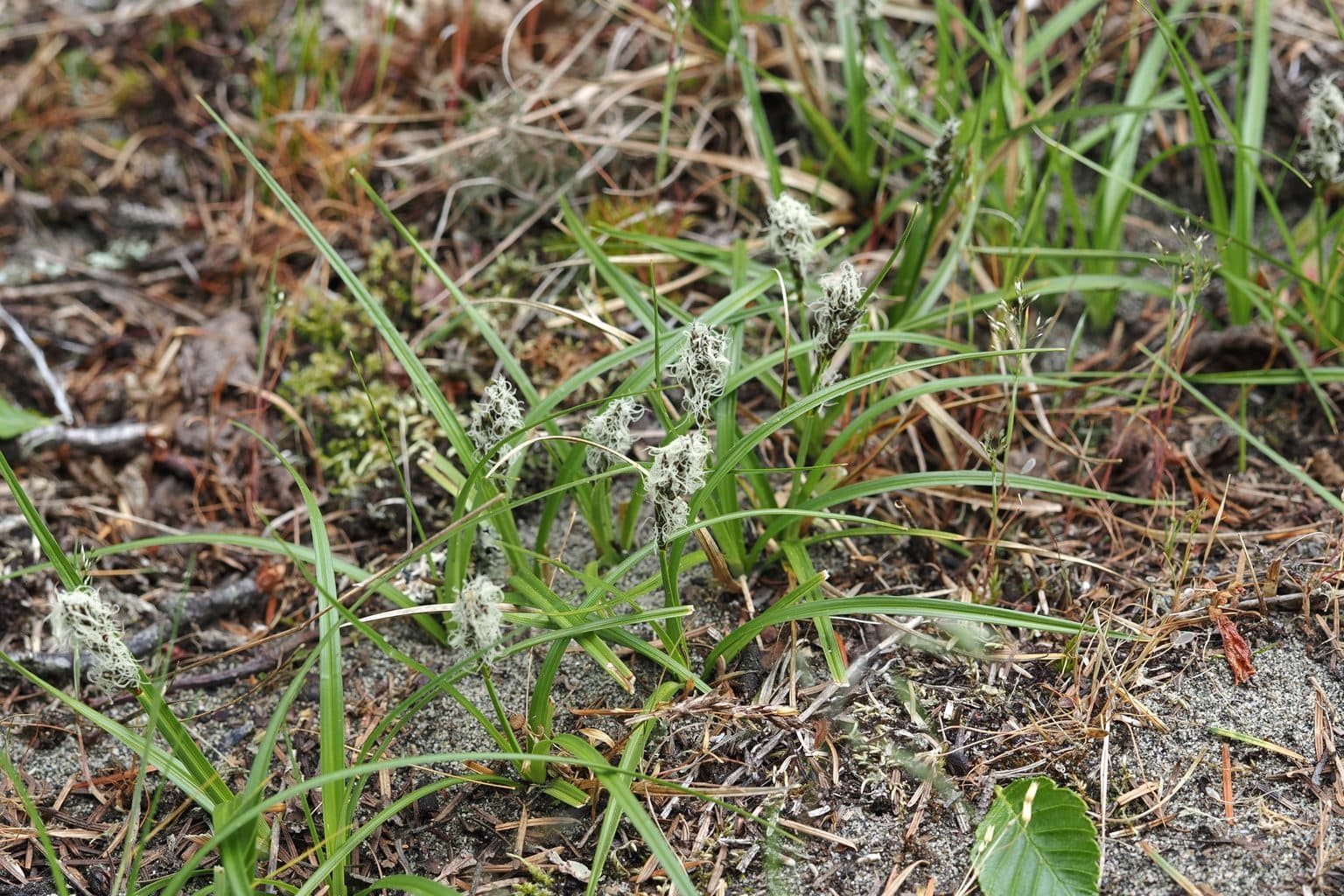
California meadow sedge (Carex pansa): a fine-bladed, low-growing sedge that spreads to form a dense mat, commonly specified as a direct lawn substitute because it can be mowed occasionally or left unmown. Tolerates light foot traffic once established.
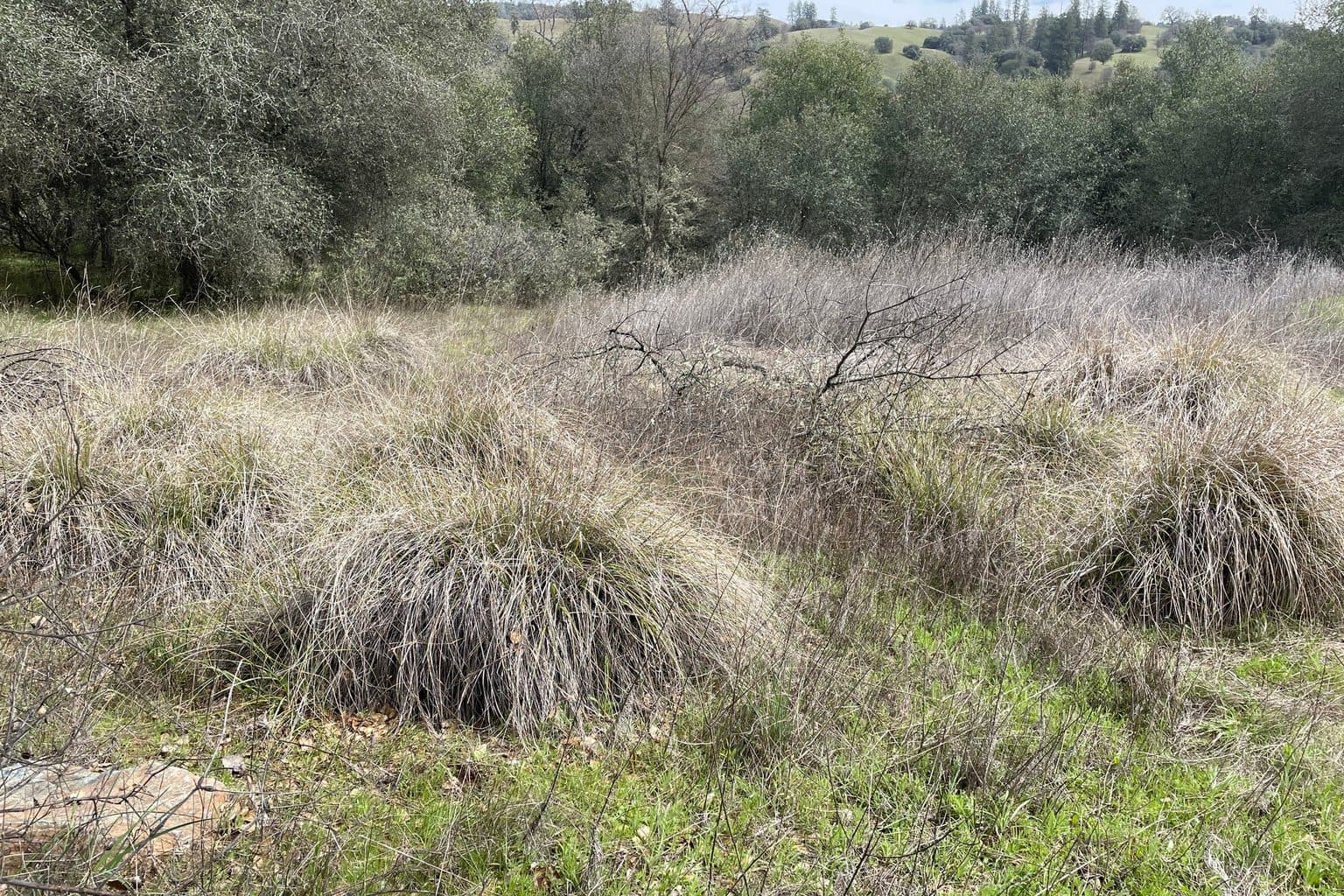
Deergrass (Muhlenbergia rigens): a bunchgrass that holds a neat, rounded mound to about three feet, reads as deliberate landscaping rather than an unmown lot, and is a frequent choice for medians, entrance plantings, and other high-visibility common areas.
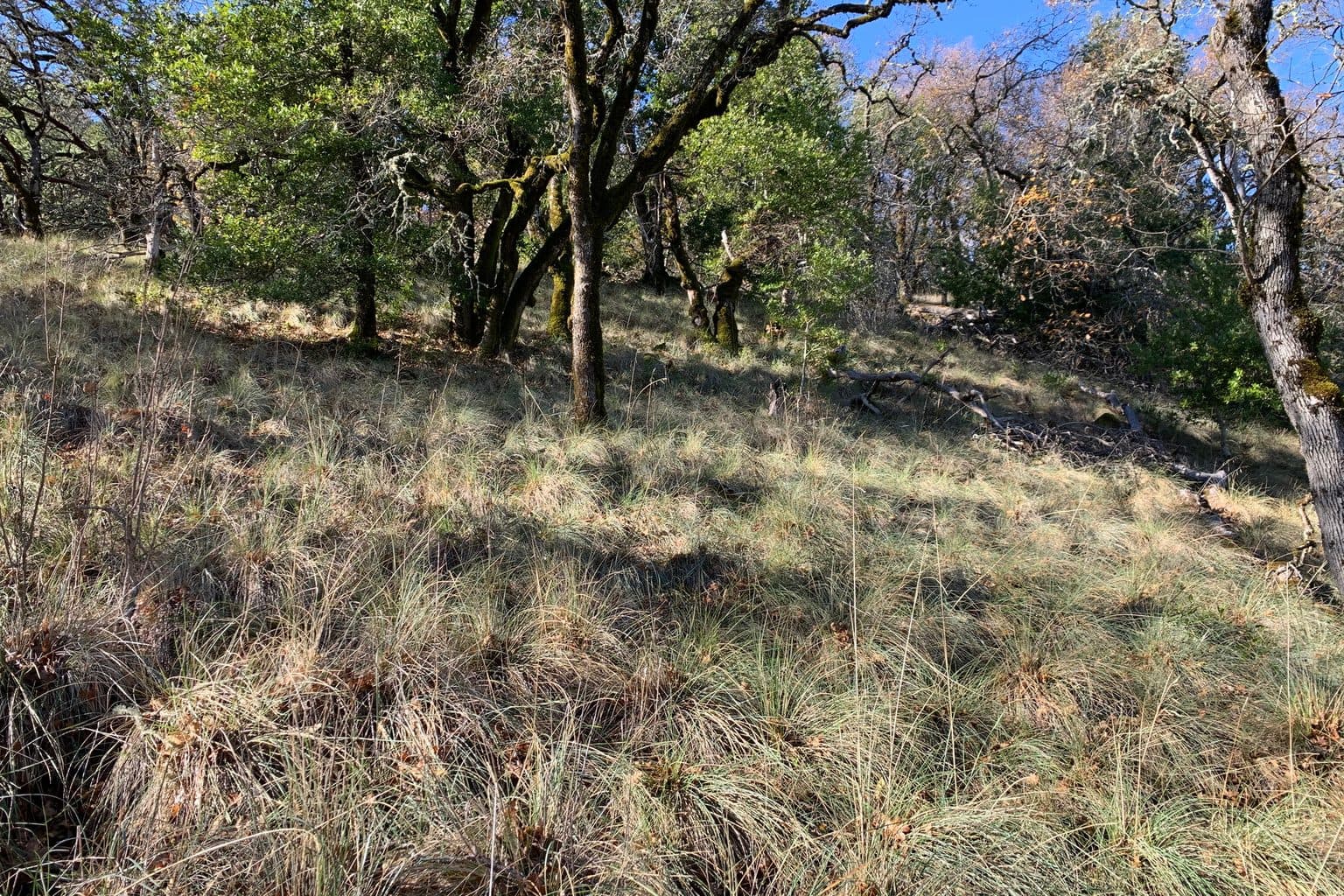
California fescue (Festuca californica): a shade-tolerant bunchgrass, useful for the parts of a common area that sit under tree canopy, where turf typically thins out and struggles anyway.
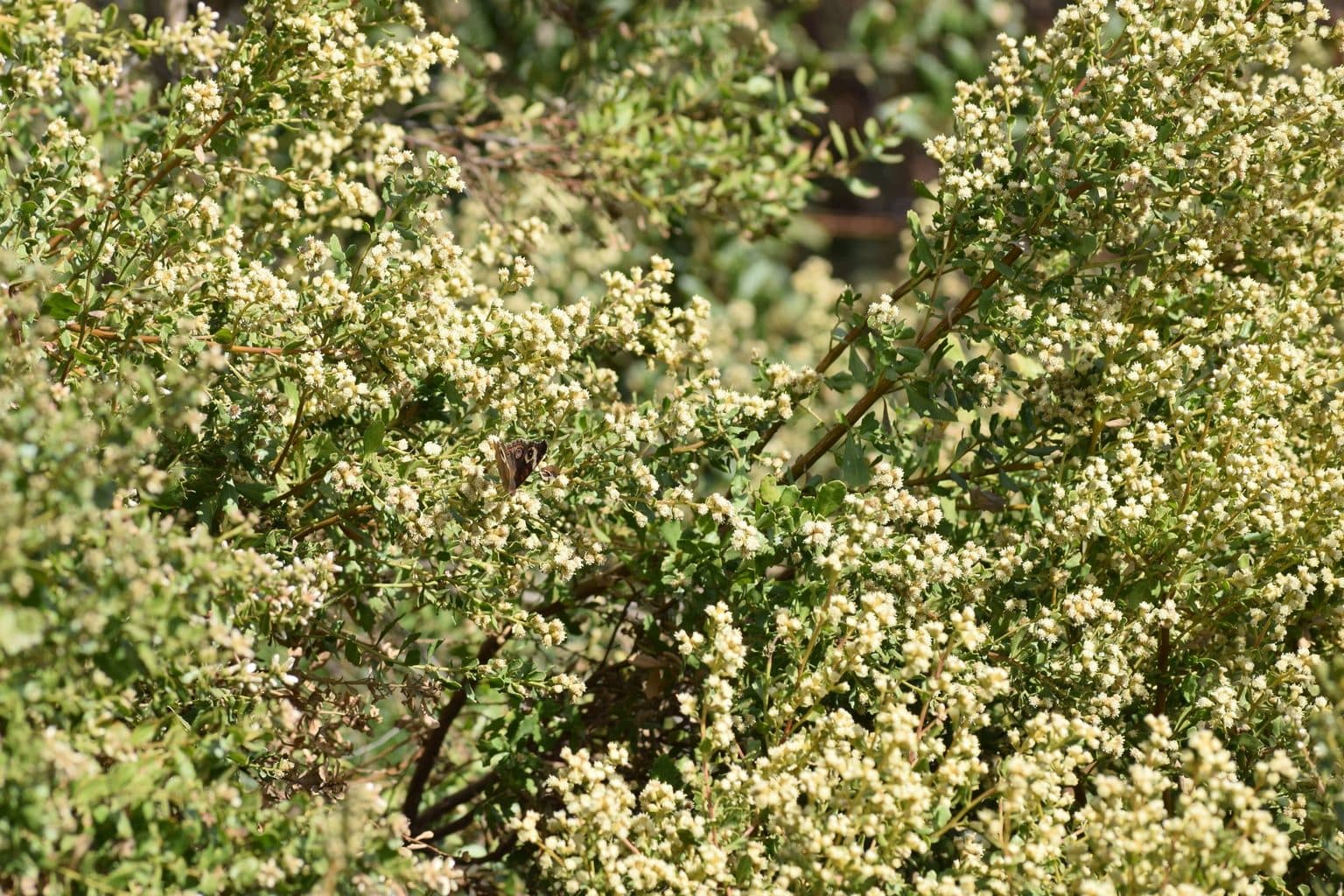
Coyote brush (Baccharis pilularis): the low, spreading prostrate form (not the taller upright form) is planted as a groundcover shrub across large areas, tolerates poor soil, and blooms late in the season when few other plants are still flowering.
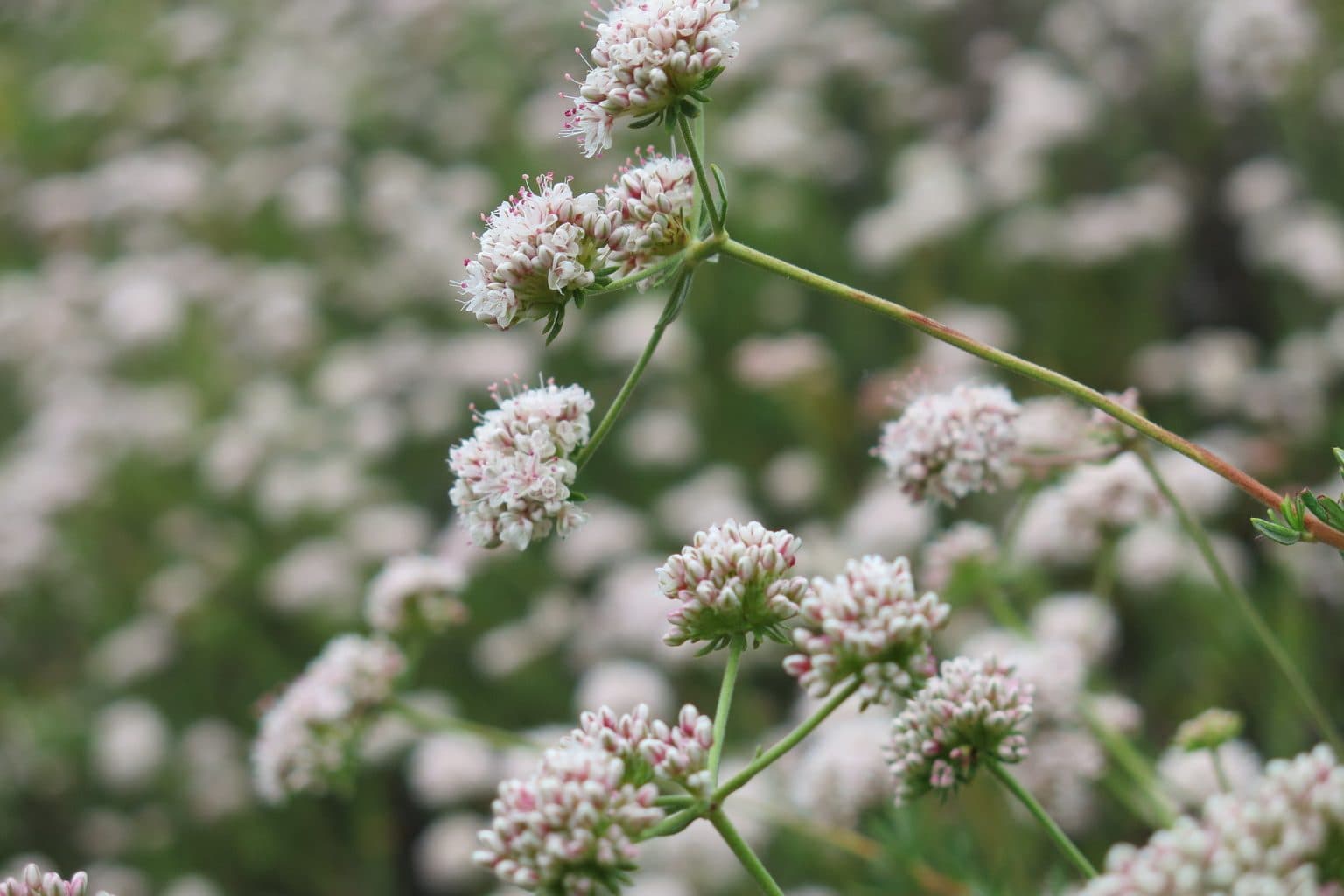
California buckwheat (Eriogonum fasciculatum), shown at the top of this page, is a low, mounding shrub with long-blooming white and pink flower clusters that draw a wide range of pollinators. It reads as an intentional planted mass rather than a weedy patch, which matters for a board weighing curb appeal alongside compliance.
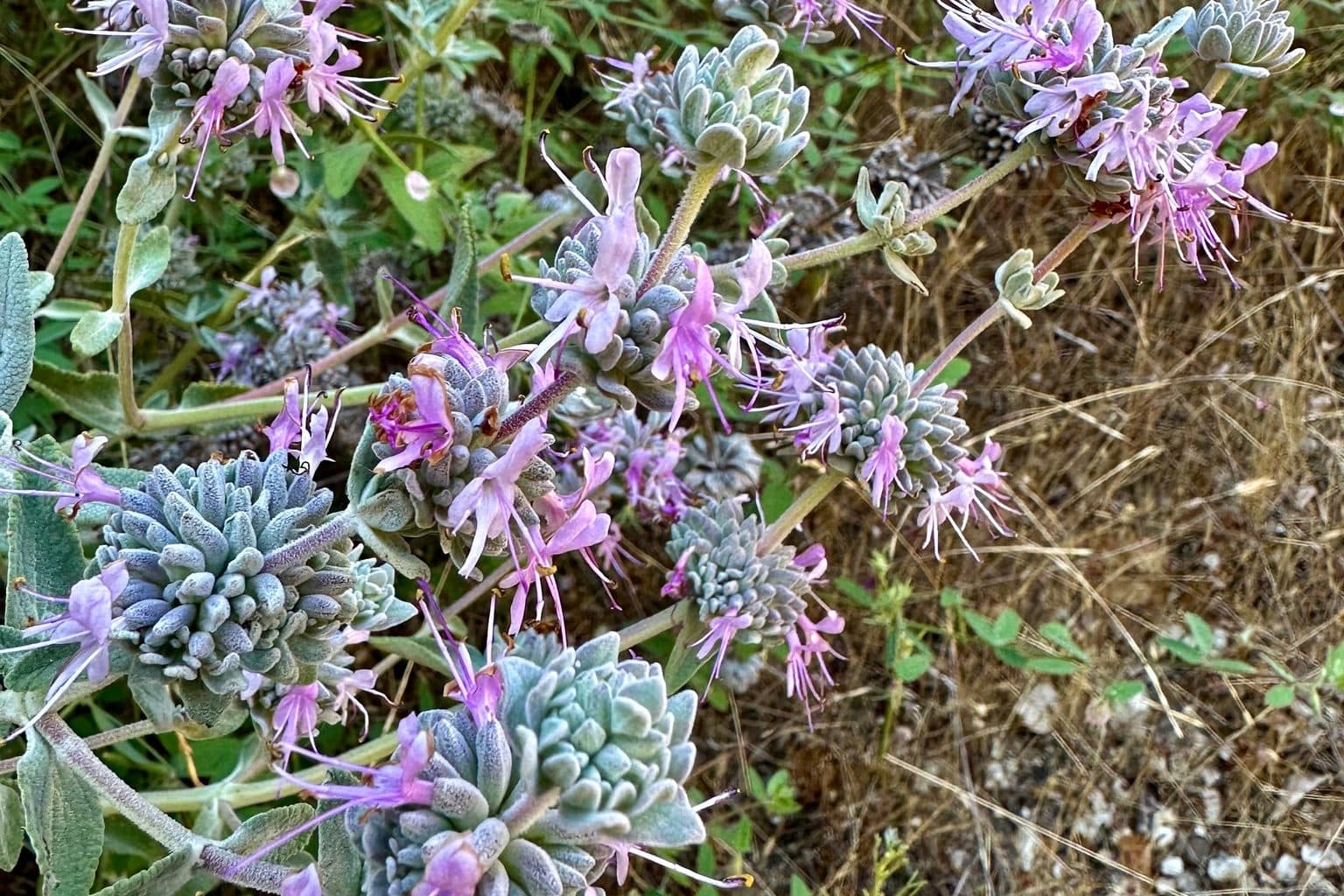
Purple sage (Salvia leucophylla): a rounded, silvery-leaved shrub that stays attractive year-round and produces whorls of pale lavender flowers in late spring. Common on slopes and entrance plantings where its color reads well against green groundcovers.
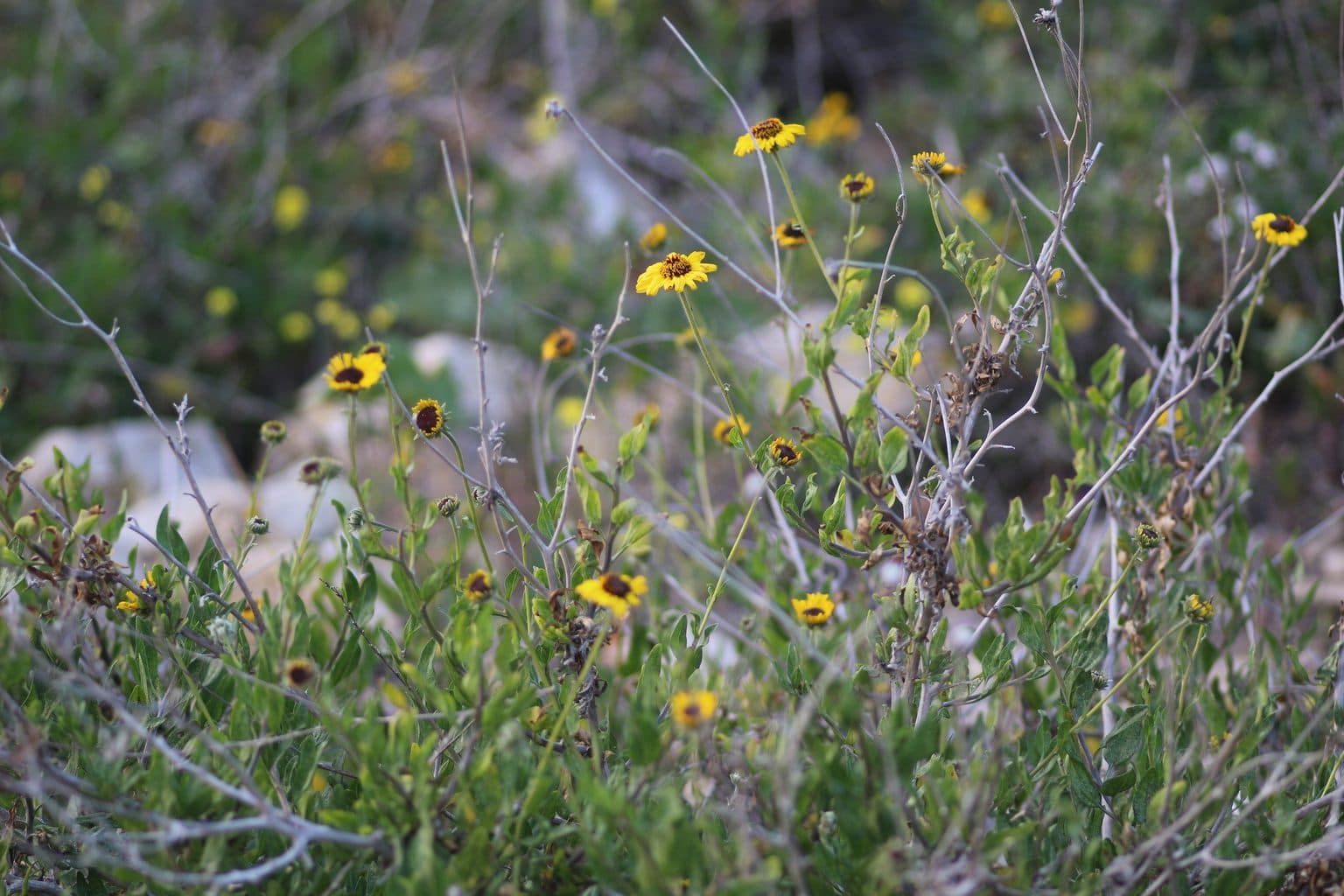
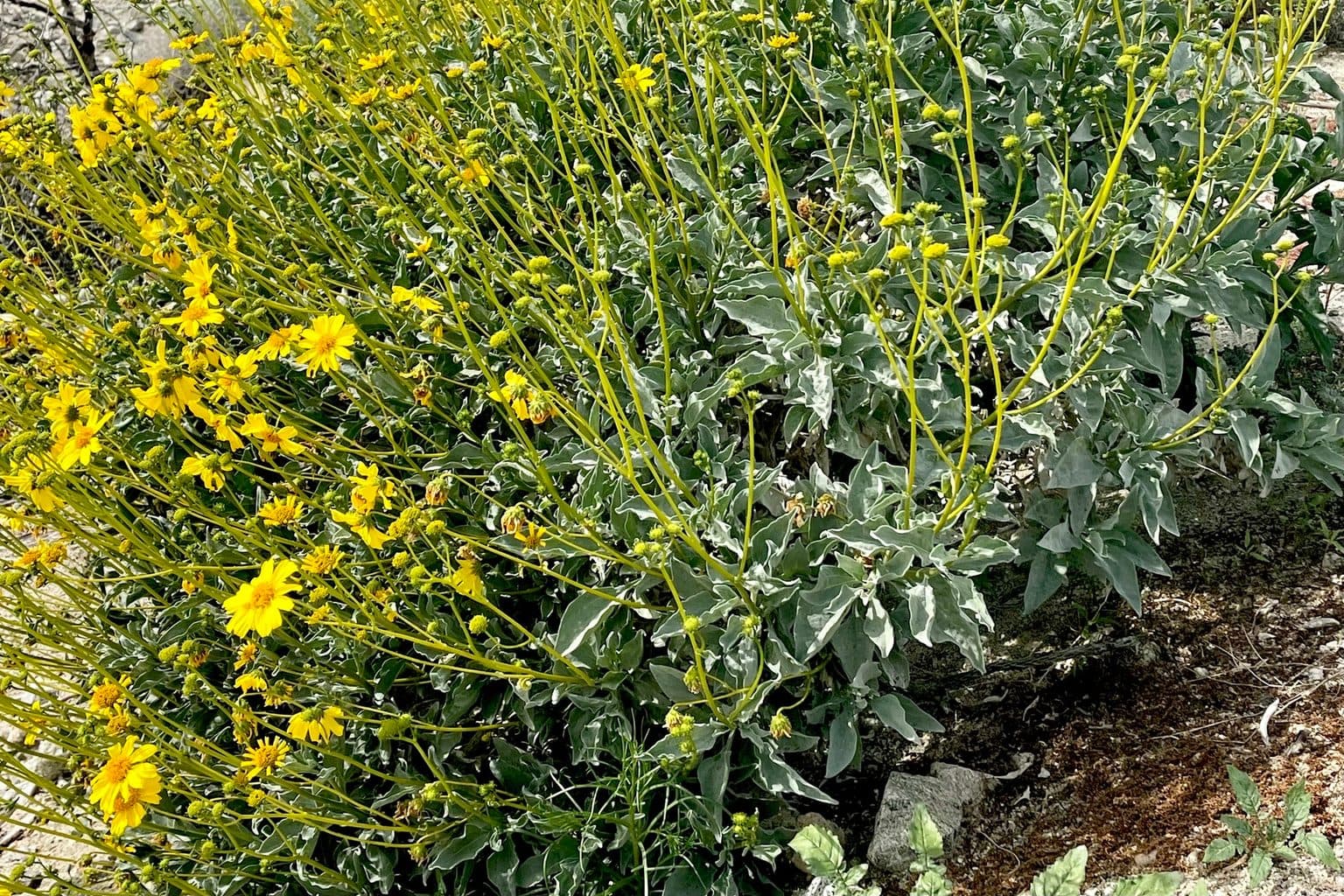
California brittlebush (Encelia californica): a fast-growing, low shrub with bright yellow daisy flowers that bloom over much of the year in milder parts of the state. A quick way to keep a newly converted area from reading as bare while other plantings establish.
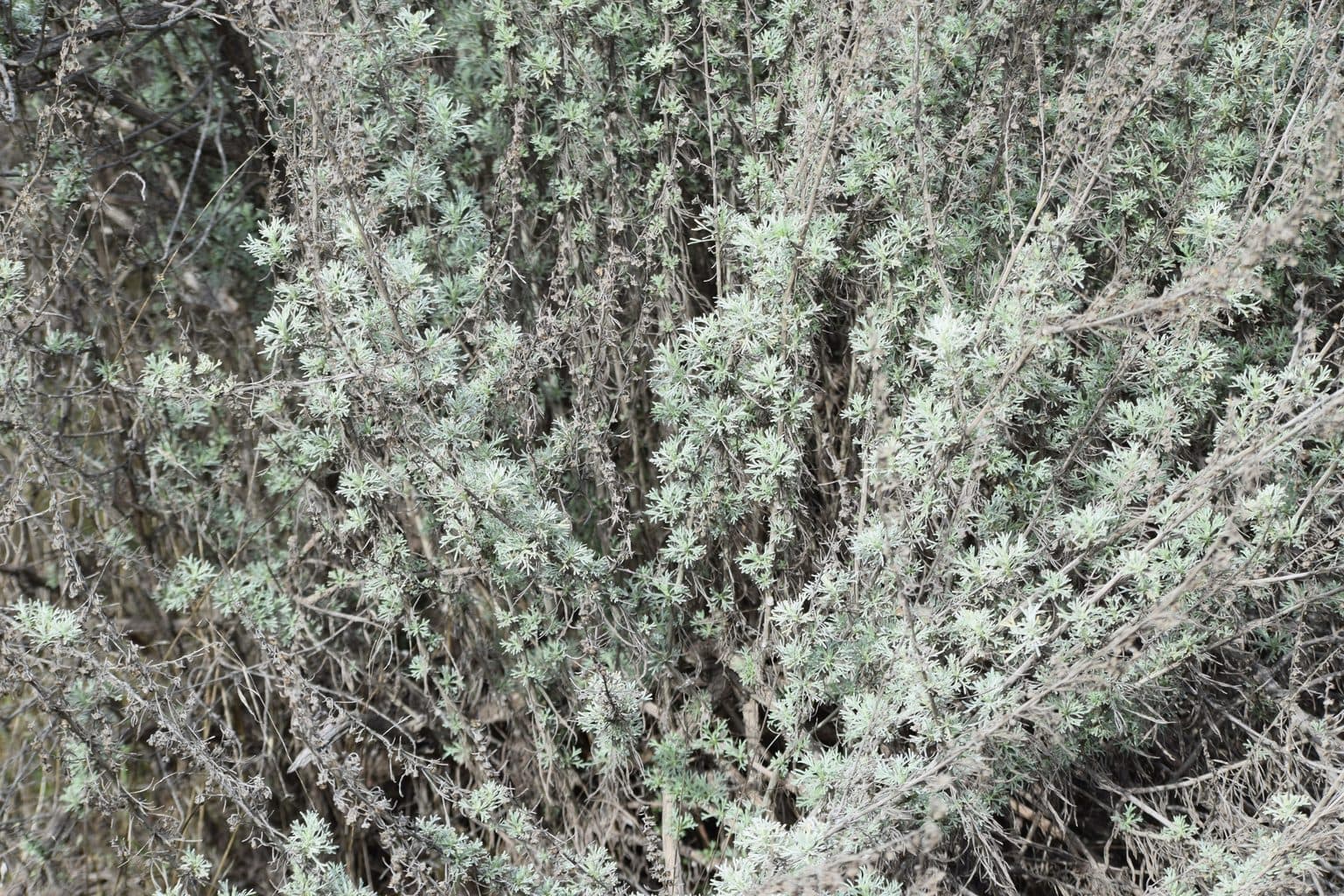
California sagebrush (Artemisia californica): a soft, feathery, silver-green shrub that forms an informal mass rather than a tidy mound. Useful as filler or low screening between the more structured plants above, and needs very little water once established.
This is not legal advice.
We are a gardening app, not lawyers. This page summarizes publicly available California law as of 2026. Your association's governing documents, your water provider's rules, and your specific common areas are unique. Talk to a real estate attorney and a licensed landscape professional before finalizing a compliance plan.
People also ask
Does AB 1572 apply to a homeowner's own front yard?
No. AB 1572 and Water Code Section 10608.14 govern common areas that an HOA, common interest development, or community service organization controls directly. A homeowner's own yard is governed by a different law, California Civil Code Section 4735, which prohibits an HOA from requiring turf or fining a homeowner for reduced irrigation during a declared drought. See our homeowner-facing guide to both laws.
What counts as functional turf under AB 1572?
Water Code Section 10608.12 defines functional turf as ground cover in a recreational-use area, such as a sports field, golf course, or playground, or in a community space used for civic, ceremonial, or social gatherings. Turf that does not meet that definition is nonfunctional, and the statute specifically names turf in street rights-of-way and parking lots as nonfunctional.
When does the AB 1572 deadline actually take effect?
The irrigation restriction takes effect January 1, 2029. AB 1572 itself became law January 1, 2024, but the ban on potable-water irrigation of nonfunctional turf in common areas does not start until 2029. The first compliance certification is due June 30, 2031, for entities with more than 5,000 square feet of irrigated common area, then every three years through 2040.
Can an HOA still water trees and shrubs in a converted area?
Yes. The statute explicitly allows water use to the extent necessary to protect the health of trees and other perennial plantings, and to address an immediate health and safety need. The restriction targets turf irrigation specifically, not landscape water use in general.
Does AB 1572 apply to HOAs outside California?
No. AB 1572 is California state law and applies only to homeowners' associations, common interest developments, and community service organizations with common areas in California. Other states are addressing common-area water use for associations differently, and some have no comparable requirement at all.
Planning a common-area conversion?
Pollinator Patch builds a native plant list matched to your ZIP code and ecoregion, with photos and care details you can bring to a board meeting or hand to a landscape contractor.