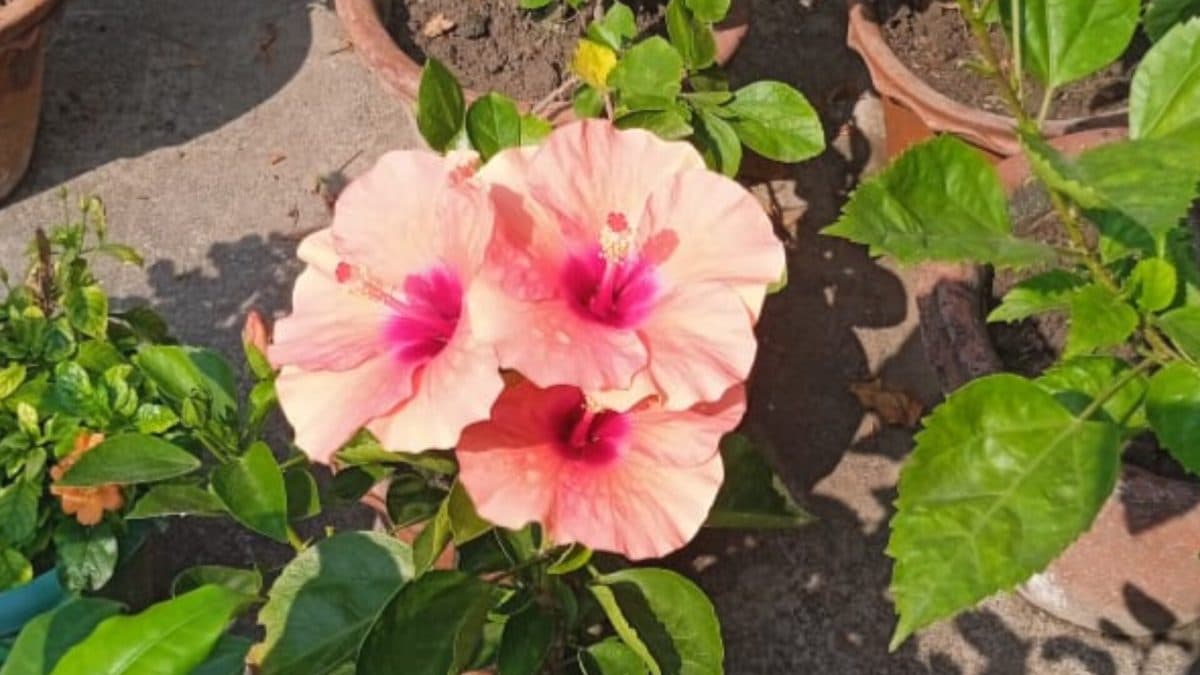
The houseplants that spent the summer on the porch need to come back in soon, and waiting for a frost warning is waiting too long. Iowa State University Extension says to move them when night temperatures dip consistently to around 50F (Iowa State University Extension).
When: watch the nights, not the frost date
Most houseplants are native to tropical areas and will not tolerate freezing temperatures. Many will see damage when temperatures drop to the mid-to-lower 40s, and nearly all will die below freezing (Iowa State University Extension). The sources put the trigger within a few degrees of each other. Iowa State says nights consistently around 50F. University of Illinois Extension says below 55F (University of Illinois Extension). University of Minnesota Extension says damage can start below 45 to 50F depending on the species (University of Minnesota Extension), and Clemson's Home and Garden Information Center says several tropical species are susceptible to chill injury at or below 50F (Clemson HGIC).
University of Minnesota Extension ties this to late September, which is a Minnesota date. The night temperature is the part that works wherever you live.
A week of shade first
Clemson says it is best to move plants indoors when the outside temperatures are similar to indoor temperatures (Clemson HGIC). Before the move, University of Illinois Extension says to gradually reduce light levels over about a week by moving plants to increasingly shadier areas (University of Illinois Extension). Clemson describes the same week: a lightly shaded area for a couple of days, then full shade.
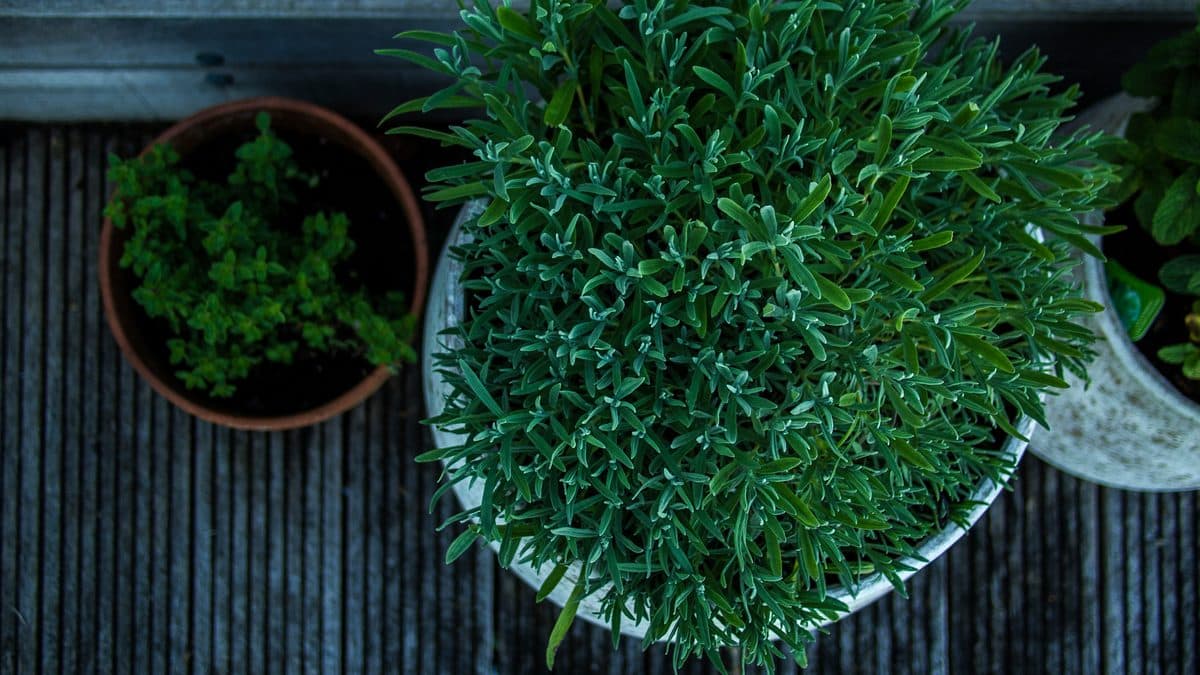
The reason is shock. University of Minnesota Extension compares it to hardening off seedlings, and says a plant brought in abruptly may show yellow leaves, wilt or dieback (University of Minnesota Extension).
Check for insects before the door
Inspect each plant for insects that may be hiding in the foliage, in the soil or even under the container (Clemson HGIC). Then wash it while it is still outside:
- Rinse all the foliage thoroughly and let it dry completely before bringing it indoors (Iowa State University Extension).
- Wash the tops and undersides of the leaves with water and dishwashing soap, then rinse with water (University of Minnesota Extension).
- Wash the outside of the pot to remove dirt and anything living on it (University of Minnesota Extension).
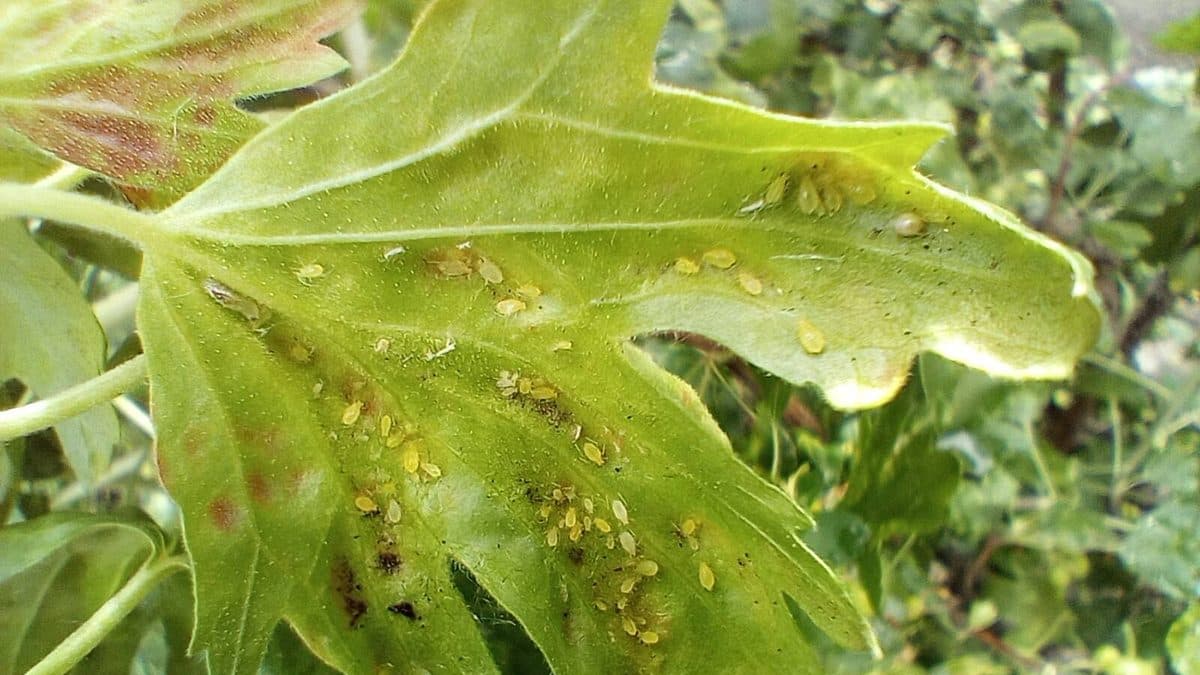
If ants are present, the plant may need to be repotted (University of Illinois Extension). This is also the time to move up a pot size if a plant has outgrown its container (University of Minnesota Extension).
A month apart from the others
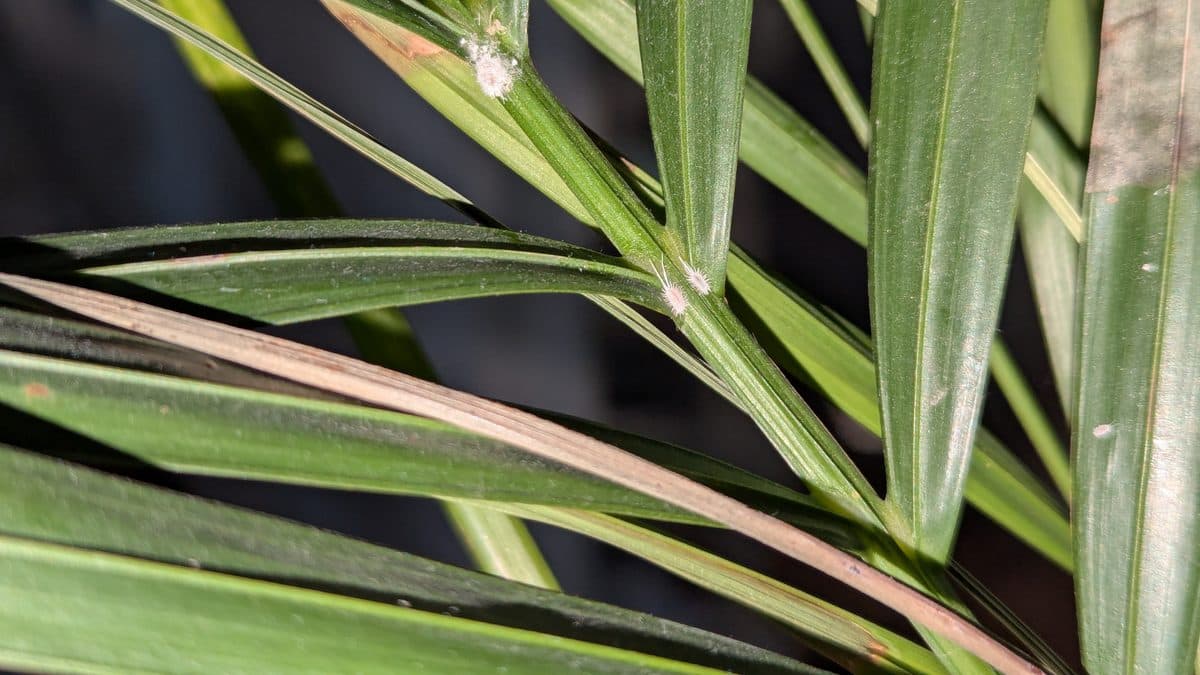
Once inside, keep the plant isolated from your other houseplants for 3 to 4 weeks. If there is going to be a problem with scale, mealybugs, aphids or whiteflies, it will typically be evident within a month or so of being indoors (Iowa State University Extension). Inspect often during that month. Our guide to bugs on a plant covers what to check if something shows up.
Light, leaf drop, water and fertilizer
University of Illinois Extension says to put plants next to the brightest, sunniest window, typically south or west facing (University of Illinois Extension). Iowa State University Extension points out that even the brightest locations indoors are a fraction of the light intensity found in shade outside, and suggests supplemental light if a room is too dim (Iowa State University Extension).
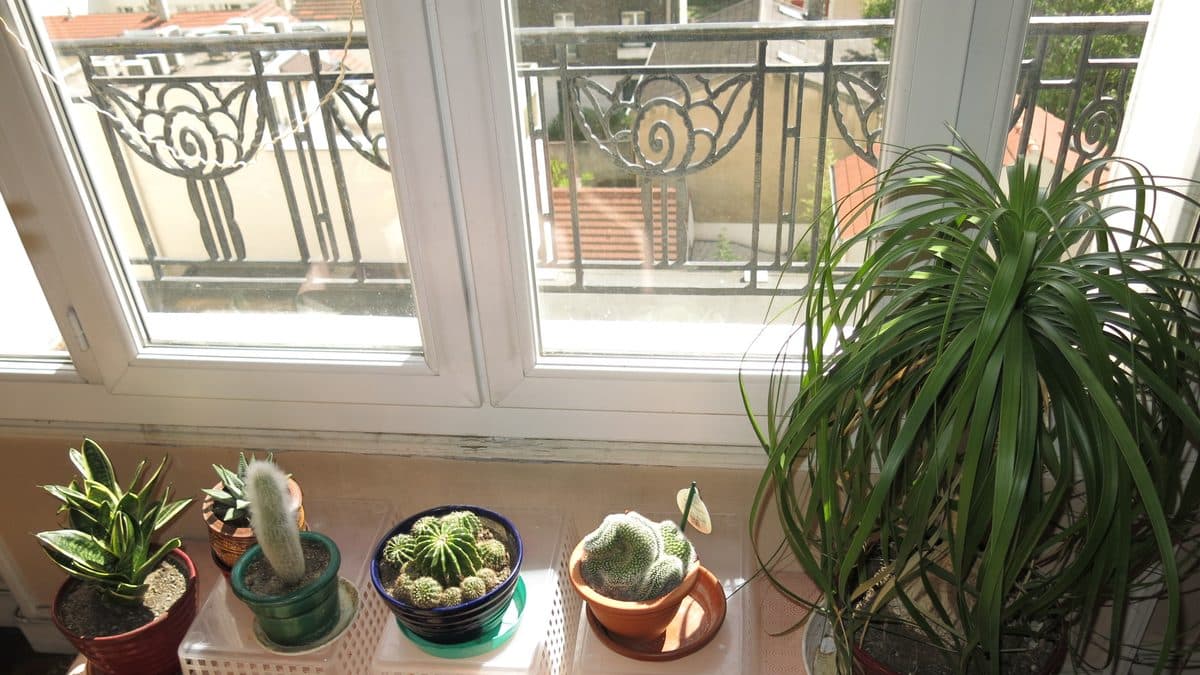
Expect some leaves on the floor. Tropical hibiscus and weeping fig in particular drop leaves in response to the change in light, and new foliage grows to replace them (Iowa State University Extension).
Stop fertilizing in the fall and winter months, because the plants are not actively growing (Iowa State University Extension). Plants grow slower indoors, so they need less water as well (University of Illinois Extension).
Too big to bring in? Take cuttings
Geraniums, coleus, begonias and impatiens can be propagated from cuttings for next summer. University of Minnesota Extension says to take cuttings about 4 inches long from vigorous, healthy plants and remove the leaves from the bottom portion (University of Minnesota Extension).
Where the app fits
If a plant looks worse after the move, ask Patch. Something like "why is my hibiscus dropping leaves after I brought it inside?" works. Pollinator Patch also sends freeze alerts by email as well as in the app, once your account has a garden saved with your location. If one arrives and anything tropical is still outside, bring it in that day. On a night that only dips to frost, a cover buys the plants still in the ground some time.