The first frost of the fall is on its way. On NOAA's 1991 to 2020 normals, the first freeze arrives anywhere from mid-September in the northern Midwest and Northeast to December in the South, and parts of Florida may not freeze at all in a given year (NOAA National Centers for Environmental Information). So the date is yours, not the calendar's. What is the same everywhere is the job on the night the frost advisory shows up.
Frost or freeze: read the forecast first
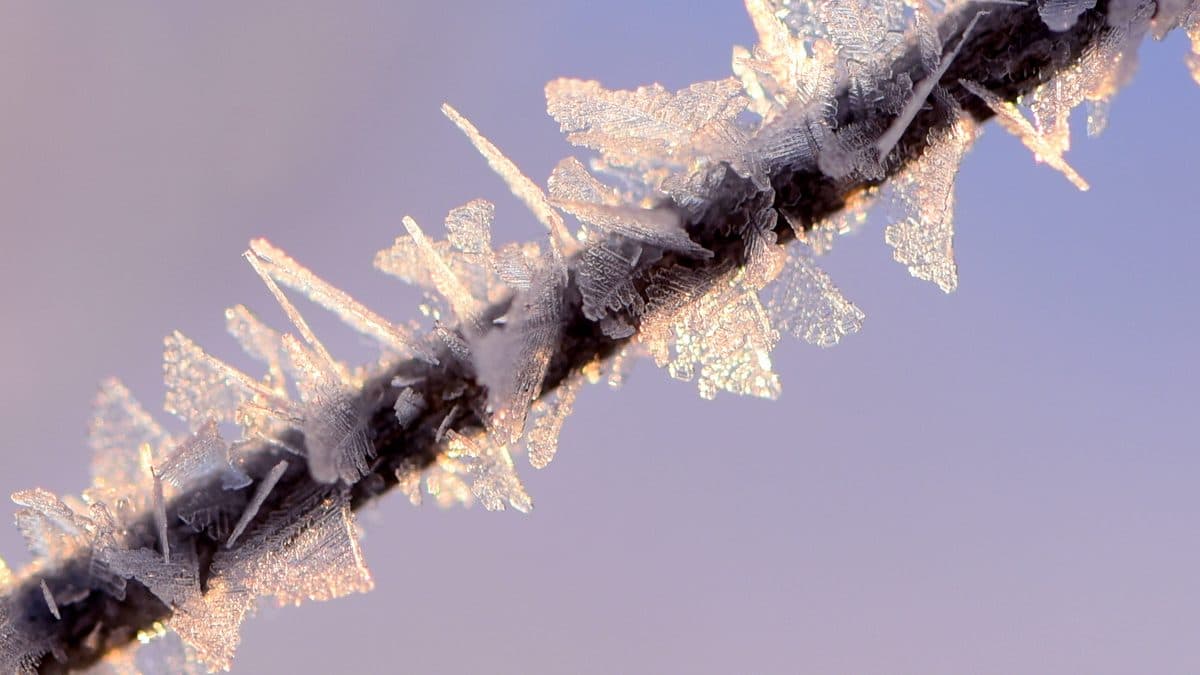
Frost is ice crystals forming on the surface of the leaf. The National Weather Service issues a frost advisory when lows are forecast between 33 and 36F. A freeze is more damaging: it is when the air and the inside of the plant drop below 32F (Iowa State University Extension).
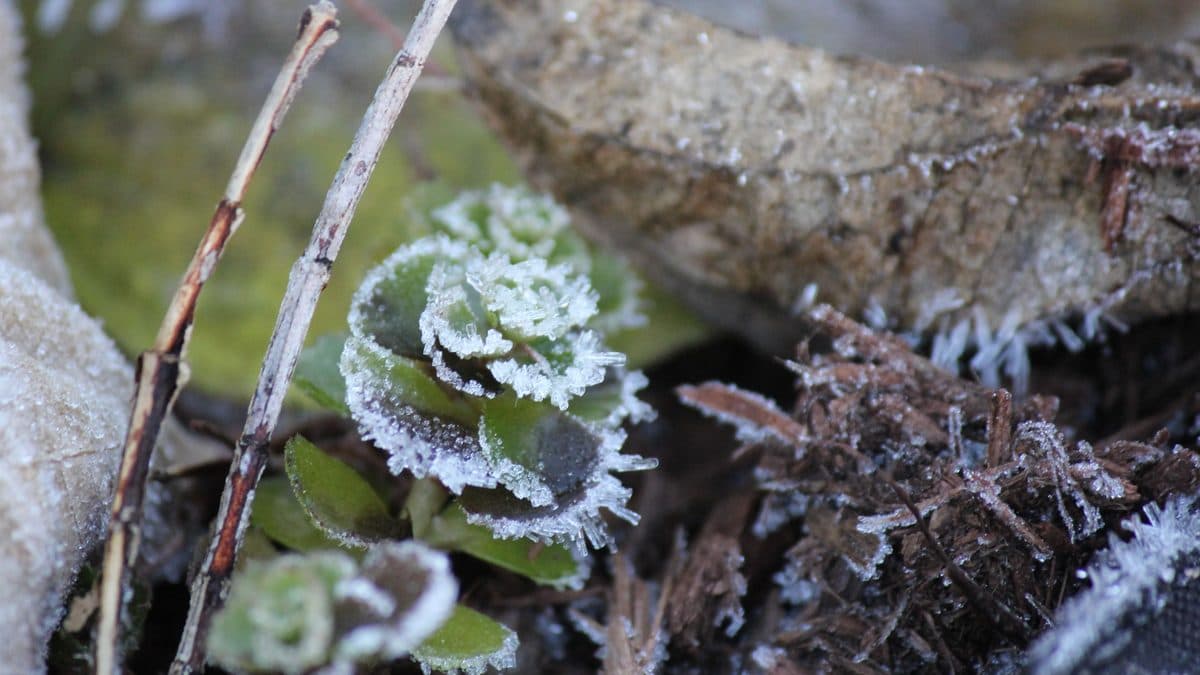
The kind of night matters as much as the number. Colorado State University Extension separates a radiation frost, which happens on a calm, clear night with no cloud cover to hold heat in, from an advective frost, when a cold front pushes in. The first frosts of the fall are usually the radiation kind and only a few degrees below the critical point, which is exactly when a cover is worth it. A hard cold front can drop temperatures far enough that covering becomes questionable (Colorado State University Extension).
What to cover, and what to leave alone
Iowa State University Extension is direct about both halves. Vegetables, annuals and tropical plants grown outdoors are the most practical plants to protect during an early frost or freeze. Protecting perennials, woody shrubs, roses, small trees or other woody plants is "not necessary or beneficial" (Iowa State University Extension).
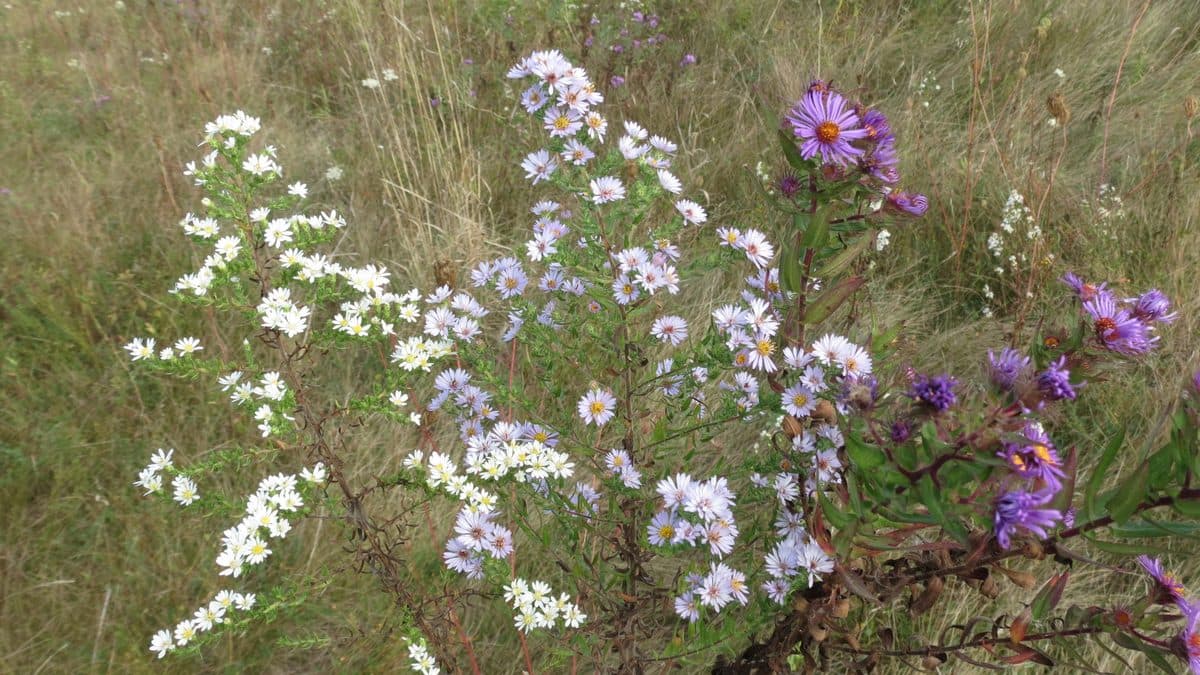
That second list is a native garden. The asters, goldenrods, grasses and shrubs in your beds are built for your winters, and a sheet over them does nothing useful. Save the effort for the plants that came from warmer places or were only ever meant to last a season.
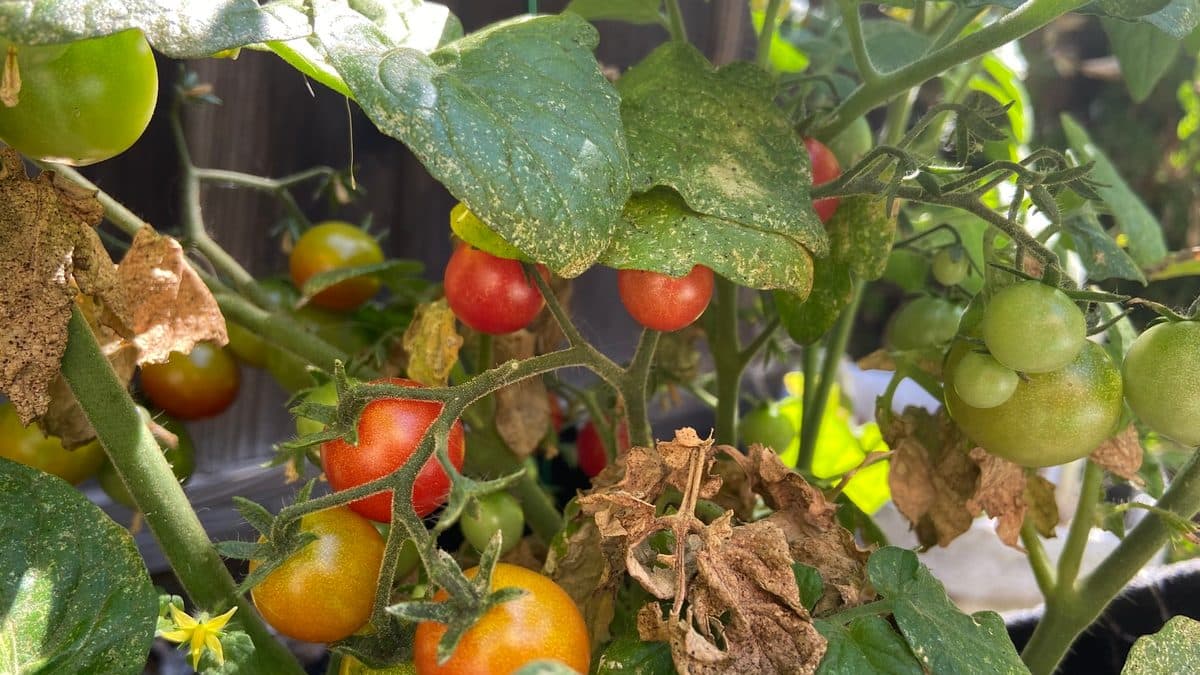
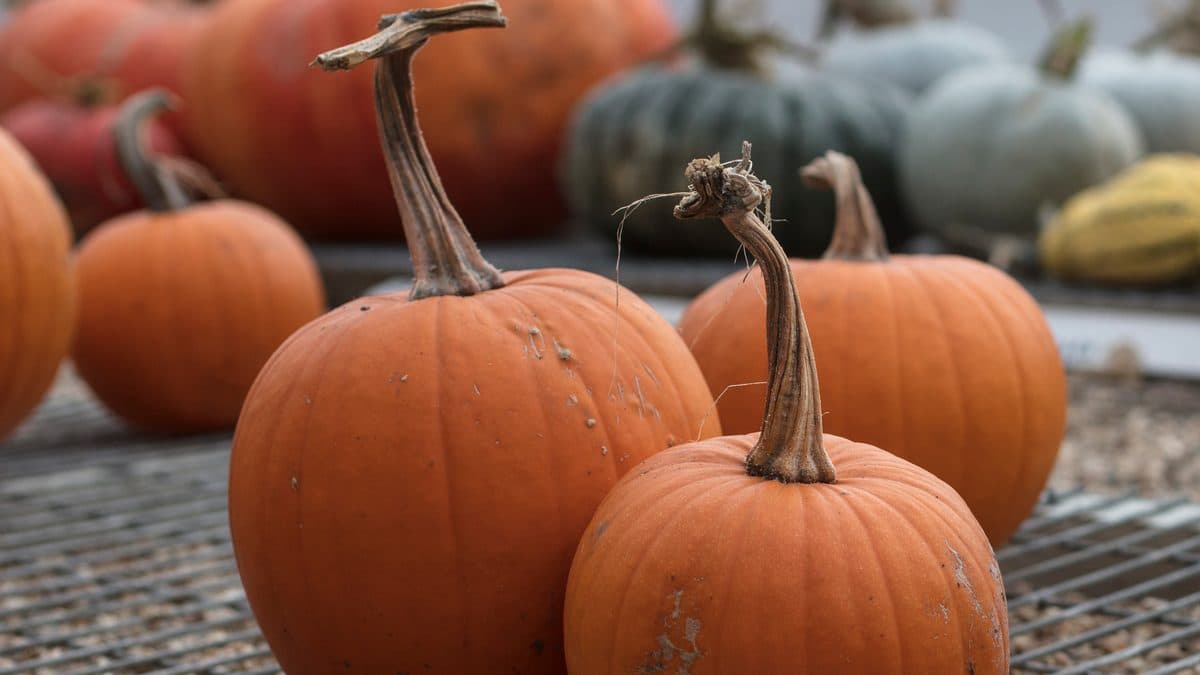
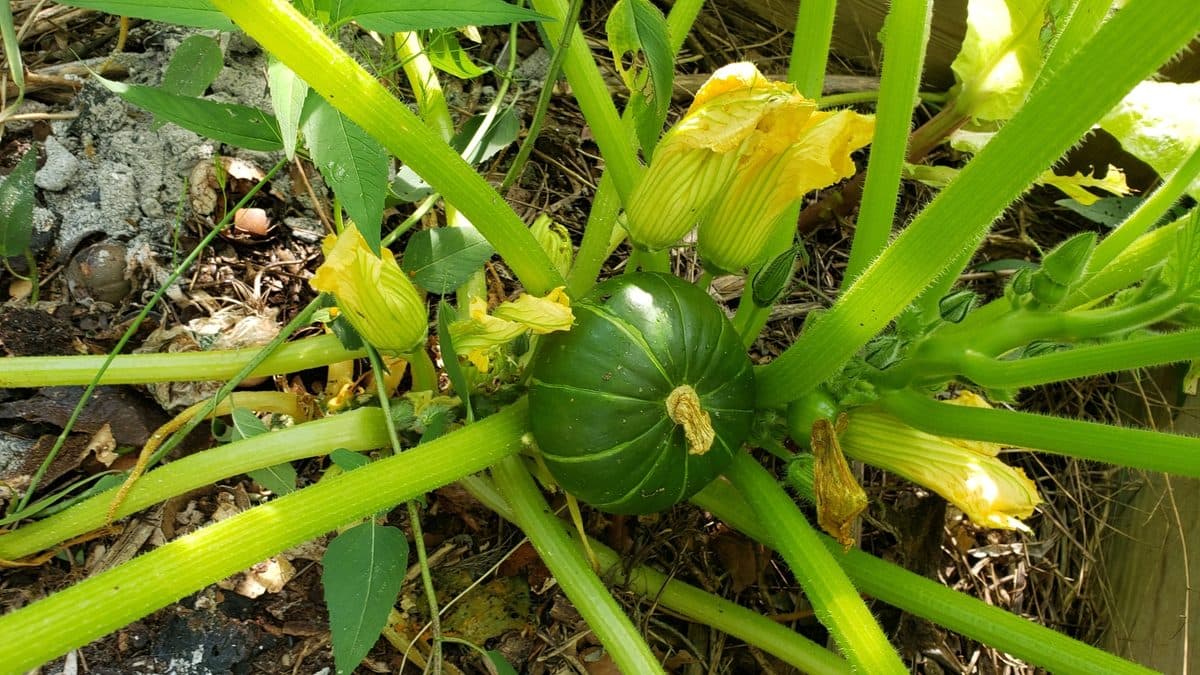
In the vegetable garden, University of Georgia Extension sorts it this way: tomatoes, cucumbers, beans, melons and squash are very susceptible to frost damage, while broccoli, pumpkins, carrots and beets can handle a light frost (University of Georgia Extension).
How to cover so it actually works
A cover does not make heat. It holds in the heat the soil soaked up during the day. Every step below follows from that.
- Cover before sunset. Covering early keeps in some of the heat already trapped in the soil (University of Georgia Extension).
- Let it reach the ground. In Colorado State's trials, a low and spreading shape was best at trapping heat from the soil. Bury the edges a few inches or weigh them down with rocks (Colorado State University Extension). A sheet that stops at the leaves lets the soil's heat escape out the bottom.
- Keep it off the leaves. Use stakes, posts, PVC pipe, patio furniture, sawhorses or wire loops to hold the cover up so it does not touch the foliage (Iowa State University Extension).
- Use what you have. Sheets, blankets, towels, tarps, frost fabric or row cover all work (Iowa State University Extension). For small plants, straw or dead fall leaves are some of the best protection there is (University of Georgia Extension), which is one more reason to have raked your leaves into the beds instead of the curb.
- Be careful with plastic. This is where extension services disagree. University of Georgia Extension says never use plastic sheeting, because it can trap too much heat once the day warms and scorch the plant. University of Arkansas Extension allows clear plastic as long as it is not touching the plant (University of Arkansas Cooperative Extension). Colorado State builds its low tunnels from clear plastic over a frame. The rule they all support: fabric is the forgiving choice, and plastic only belongs held off the leaves and taken off first thing in the morning.
Water the day before
Water plants two days before the frost is expected, or even the night before, because wet soil retains more heat than dry soil (University of Georgia Extension). University of Arkansas Extension adds that watering helps the soil hold heat and can help a plant's roots and lower branches survive (University of Arkansas Cooperative Extension).
Bring the pots in
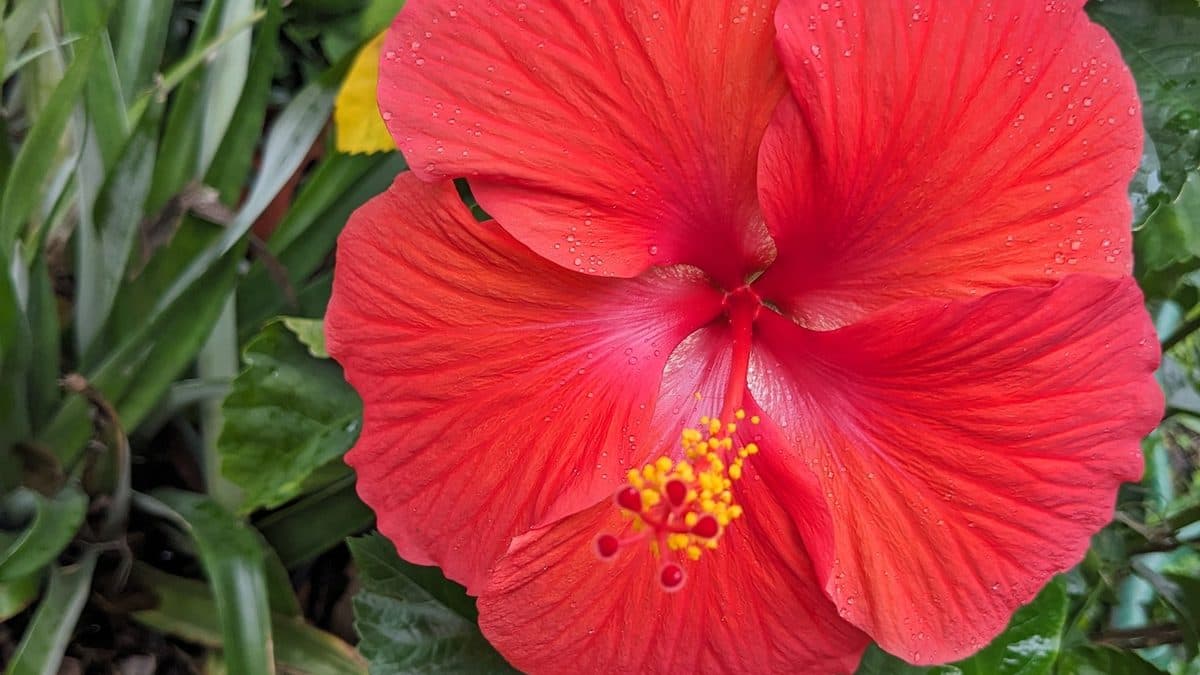
Potted tropicals and annuals can be pulled into a heated room, a porch, or a protected structure such as a garage (Iowa State University Extension). A pot has no surrounding soil to borrow heat from, so on a frost night it is easier to move it than to cover it.
Take it off in the morning
Remove the cover the next day once temperatures are above freezing (Iowa State University Extension). University of Arkansas Extension says to do it first thing, because condensation under the cover can freeze, and clear plastic can build up enough heat to scorch the plant. There is a second reason: the sheets have to come off in the daytime so the sun can recharge the soil for the next night (Colorado State University Extension). A cover left on for three days is a cover that stops working.
Know when covers stop working
Once temperatures drop below about 28F, covering is typically no longer effective at preventing cold damage (Iowa State University Extension). That night marks the end of the season for the tender plants. Until then, every light frost you cover for is more time for the tomatoes.
Where the app fits
Pollinator Patch sends freeze alerts by email as well as in the app, once your account has a garden saved with your location, so the frost night does not catch you out. And if you are not sure whether something in your yard counts as tender, ask Patch. Something like "does my potted hibiscus need to come inside tonight?" works.