Quick answer: There is no single mid-August answer for a potted rose. Illinois Extension says no fertilizer after August 15. Clemson Cooperative Extension says stop six weeks before your expected first frost. Those two rules give different dates in different cities, because the first freeze lands on October 19 at Chicago O'Hare and November 20 in New York's Central Park. And in Phoenix or Los Angeles the binding problem in August is not frost at all. It is root heat and salt.
Search for rose care in August and you will get a confident answer. Stop feeding. Watch for black spot. Water deeply. The advice is not wrong, exactly. It was written for a specific climate, and then it got copied everywhere, and the part that told you which climate it was for fell off along the way.
Key takeaways
- Two extension services give two different fertilizer rules. Illinois Extension: "No fertilizer should be applied after August 15." Clemson: "Stop fertilizing your roses six weeks before your expected first frost date."
- Those rules diverge because first-freeze dates do. The normal first autumn freeze is October 19 at Chicago O'Hare and November 20 at Central Park, both on 1991 to 2020 normals (NWS Chicago, NYBG).
- Root injury can occur at soil temperatures above 105F, and it is common in containers in direct sun while being uncommon in the ground, because soil insulates (UC IPM).
- Black spot and powdery mildew want opposite weather. Black spot follows long wet periods. Powdery mildew wants humid nights and dry days (Clemson Cooperative Extension).
- A container has no rain to leach it and little soil volume to buffer it, so salts concentrate in ways a garden bed never has to deal with.
Why one rule cannot cover ten cities
Illinois Extension states plainly that "No fertilizer should be applied after August 15 so as not to encourage soft, succulent growth that could be easily winter-damaged" (Illinois Extension, Roses: Care). That is good advice. It is good advice for Illinois.
Clemson Cooperative Extension writes the same underlying rule as a relative one: "Stop fertilizing your roses six weeks before your expected first frost date" (Clemson HGIC, Growing Roses). Same biology, portable phrasing. The reason both exist is that the calendar version only works where it was written.
Put real numbers in it. The National Weather Service puts the normal first autumn freeze at Chicago O'Hare on October 19, on 1991 to 2020 normals (NWS Chicago). The New York Botanical Garden puts the average first frost for Central Park on November 20, on the same 30-year period (NYBG Mertz Library). Count back six weeks from each and the last feeding lands around September 7 in Chicago and around October 9 in New York.
So a New York gardener following the August 15 rule stops feeding roughly eight weeks early, and gives up a good stretch of the season for a winter that is still two months out. Nobody wrote bad advice. The advice simply travelled further than its own climate.
The three things every container rose deals with
Before the city-specific part, there is a short list that really is universal, and all three come from the pot rather than from the rose.
1. It dries out faster than anything in the ground
A container holds a fixed, small volume of soil with a large surface area exposed to sun and wind. In summer heat a potted rose can want water daily. The check is your finger, two inches down, not a schedule and not the look of the surface.
2. The pot itself can cook the roots
This is the one most people misread as disease. UC IPM states that "Root injury can occur at soil temperatures above 105ºF," and, crucially, that "Root injury from heat is common in plant containers exposed to direct sun, but it is uncommon in landscapes because of the insulating effect of soil" (UC IPM, Thermal Injury). A dark pot in full afternoon sun is the whole mechanism. Touch the west-facing side of the pot at 2pm and you will know within a second whether this is your problem.
3. Salts build up because nothing flushes them
Fertilizer and tap water both leave minerals behind. A garden bed gets rain moving through it and a large soil volume to dilute what stays. A pot on a covered patio gets neither. Look for white crust on the soil surface or around the rim, and leach the pot heavily with plain water when you see it.
The two leaf problems are opposites, and your climate picks one
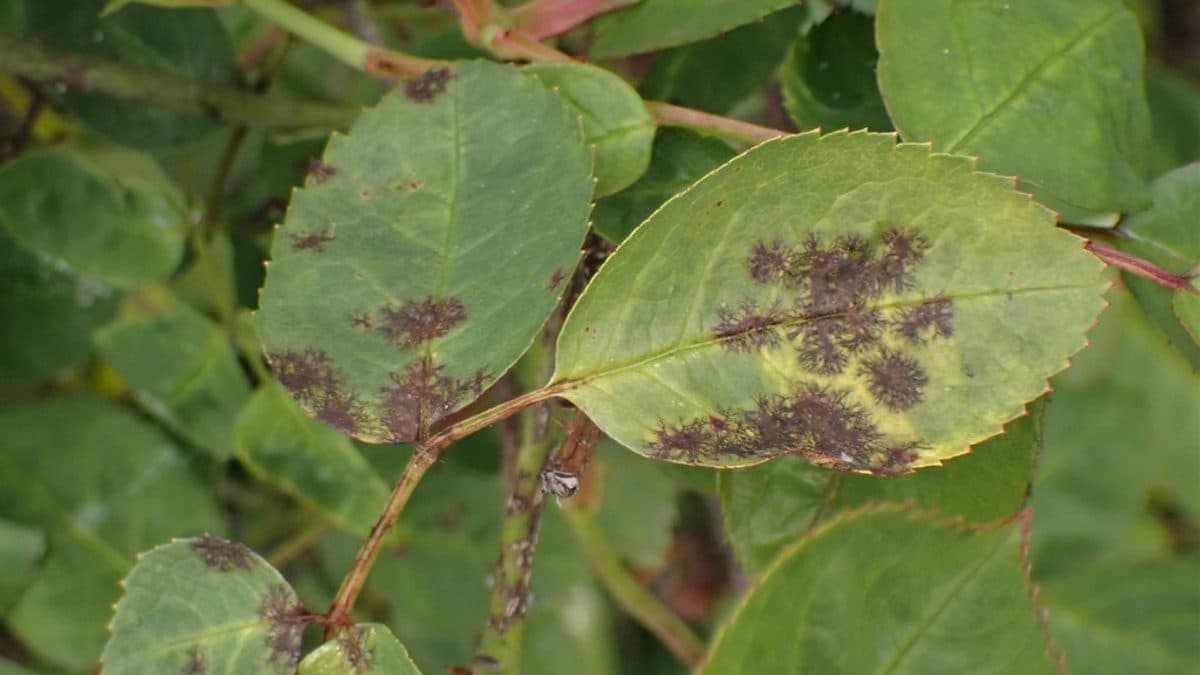
This is where copied advice does the most damage, because the two most common rose leaf problems want opposite weather.
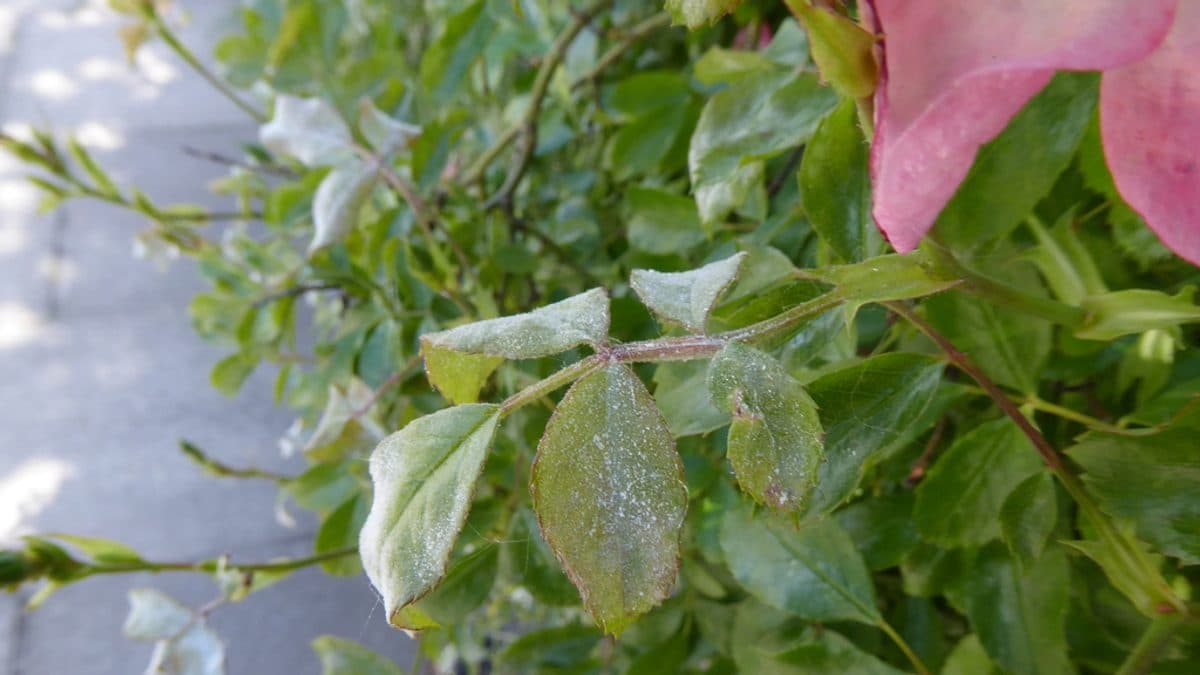
Black spot "is most severe after long, wet, warm periods," and the cultural controls are all about keeping foliage dry: avoid overhead watering, allow good air circulation, and remove fallen leaves. Powdery mildew runs on a different engine entirely. Clemson puts it at temperatures of 70 to 80F "and the relative humidity is high at night and low during the day" (Clemson HGIC, Rose Diseases).
Humid nights followed by dry days is a plain description of a coastal California summer. Long warm wet stretches describe a Piedmont one. Two gardeners can follow the same page of advice and one of them makes their problem worse.
Your city in mid-August
Ten metros, each with the EPA Level III ecoregion it sits in, the problem most likely to be yours right now, and the free local expert who will answer a question about it. Every native suggestion is scoped to that one city's own ecoregion, never blended across regions, and each names the authority that lists it for container growing.
One thing worth saying plainly before the list. The most useful answer we can give you is often somebody else's. Every county in the country has a Cooperative Extension office, and most of them answer home gardening questions from the public at no charge. Rose societies run Consulting Rosarian programs that do the same thing for roses specifically. We checked each of the organizations below on its own website in August 2026.
New York, Northeastern Coastal Zone
Do not stop feeding yet. Applying Clemson's six-week rule to a November 20 average first frost puts your last feeding around October 9. The August 15 rule that dominates search results would have you quit roughly two months early. Coastal salt and sandy glacial soils are the other local factor, and a container concentrates salt faster than any bed.
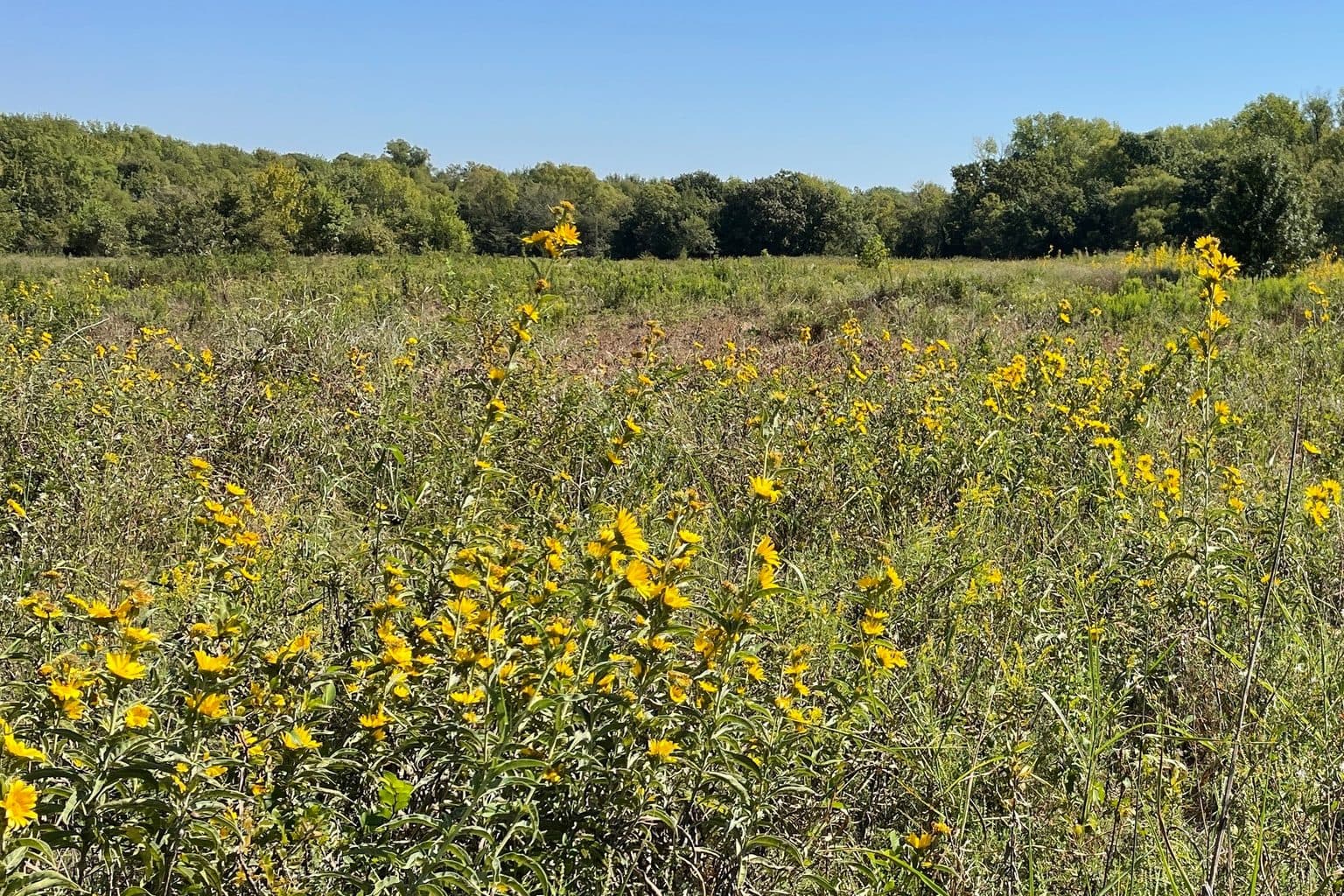
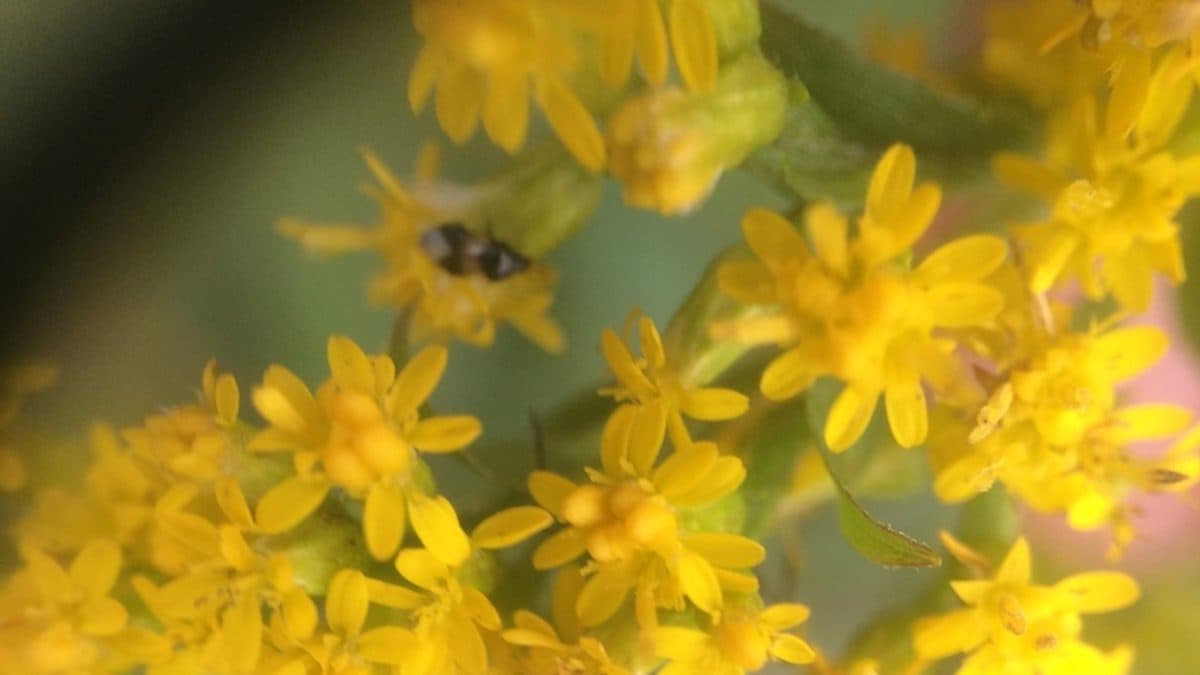
Free help: the Manhattan Rose Society offers free advice from ARS Consulting Rosarians. Worth knowing that New York City is unusual here: Cornell Cooperative Extension's NYC office runs nutrition, youth development, and STEM programs, and has no Master Gardener program or plant clinic, so the rose society is genuinely your best free option. In the pot: rough-stem goldenrod (Solidago rugosa), native to this ecoregion, blooming August through October, and listed for containers by Plant NOVA Natives.
Los Angeles, Southern California and Northern Baja Coast
Frost is not your constraint. Salt and pH are. Roughly 10 to 15 inches of rain all falls in winter, so an August container gets no natural leaching at all, and alkaline tap water keeps adding minerals. High pH then locks up iron, which shows as yellowing new leaves with green veins. Check the rim for white crust and leach the pot heavily with plain water.
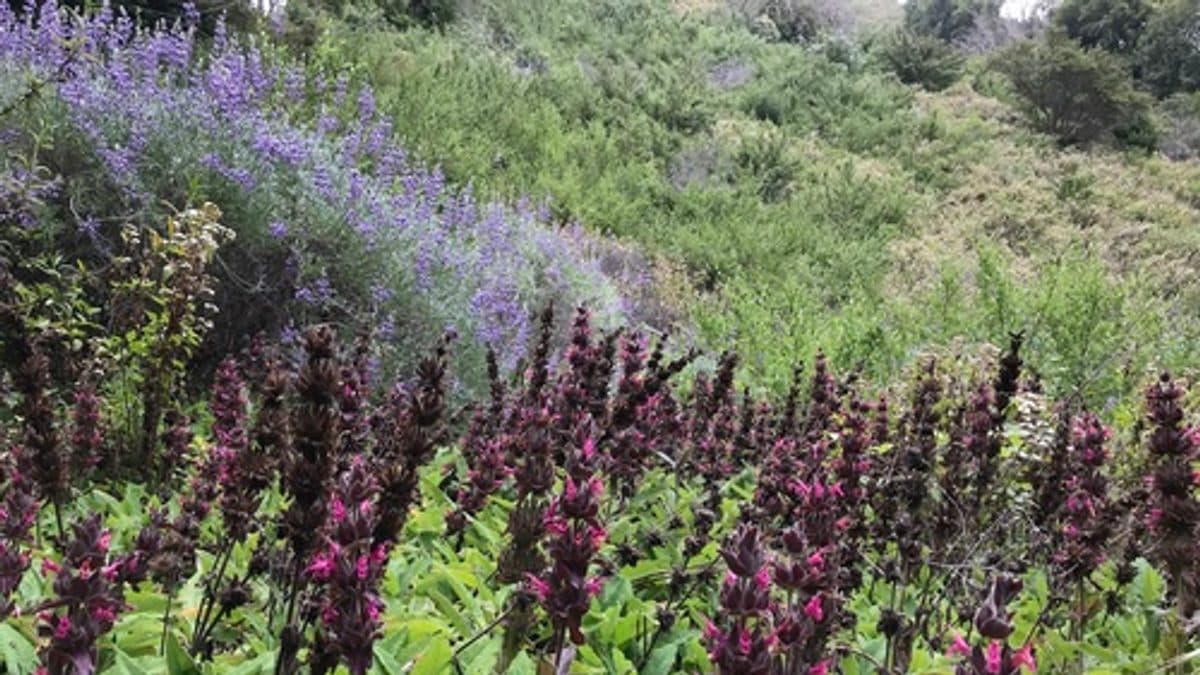
This is also powdery mildew country rather than black spot country, for the reason Clemson gives: humid nights and dry days is a description of the marine layer. Free help: the UC Master Gardener Program of Los Angeles County runs a free helpline for LA County home gardeners. In the pot: hummingbird sage (Salvia spathacea), native here and listed for containers by the Theodore Payne Foundation.
Chicago, Central Corn Belt Plains
For once the internet advice was written for you. The August 15 cutoff comes from Illinois Extension. Your normal first freeze at O'Hare is October 19, and six weeks back from that lands in early September, so either version of the rule puts your last feeding at right about now. Deep black prairie soil holds moisture, but your container does not, and Chicago wind dries a pot faster than most people expect.
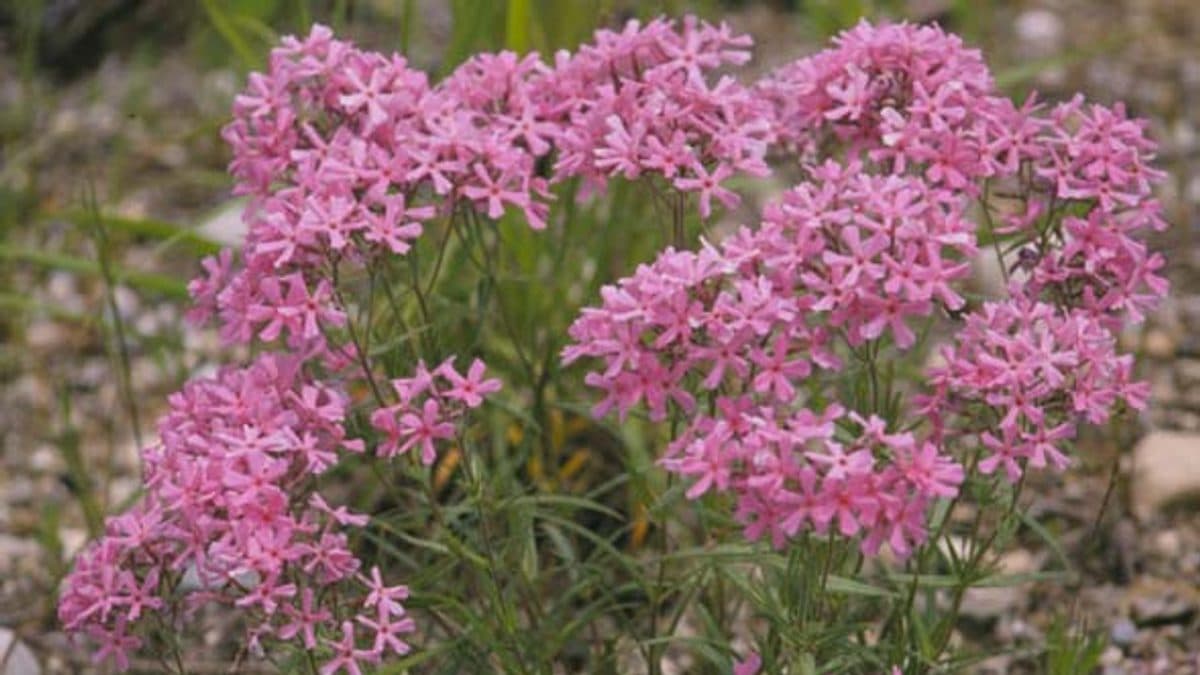
Free help: Cook County Master Gardeners staff a year-round volunteer answer desk. Note that the University of Illinois statewide Plant Clinic is a separate fee-based diagnostic service, so use the county desk for a free question. There is no rose society in the Chicago metro. In the pot: prairie phlox (Phlox pilosa), native here and listed for containers by the Lady Bird Johnson Wildflower Center.
Phoenix, Sonoran Basin and Range
Your August problem is almost certainly the pot rather than the rose. Rocky alkaline soils, three to twelve inches of rain a year, and the hottest summers in the country mean a dark container in full sun is sitting in exactly the conditions UC IPM describes. Root injury above 105F is common in containers and uncommon in the ground. Shade the sides of the pot, move it off a west-facing wall, or nest it inside a larger one.
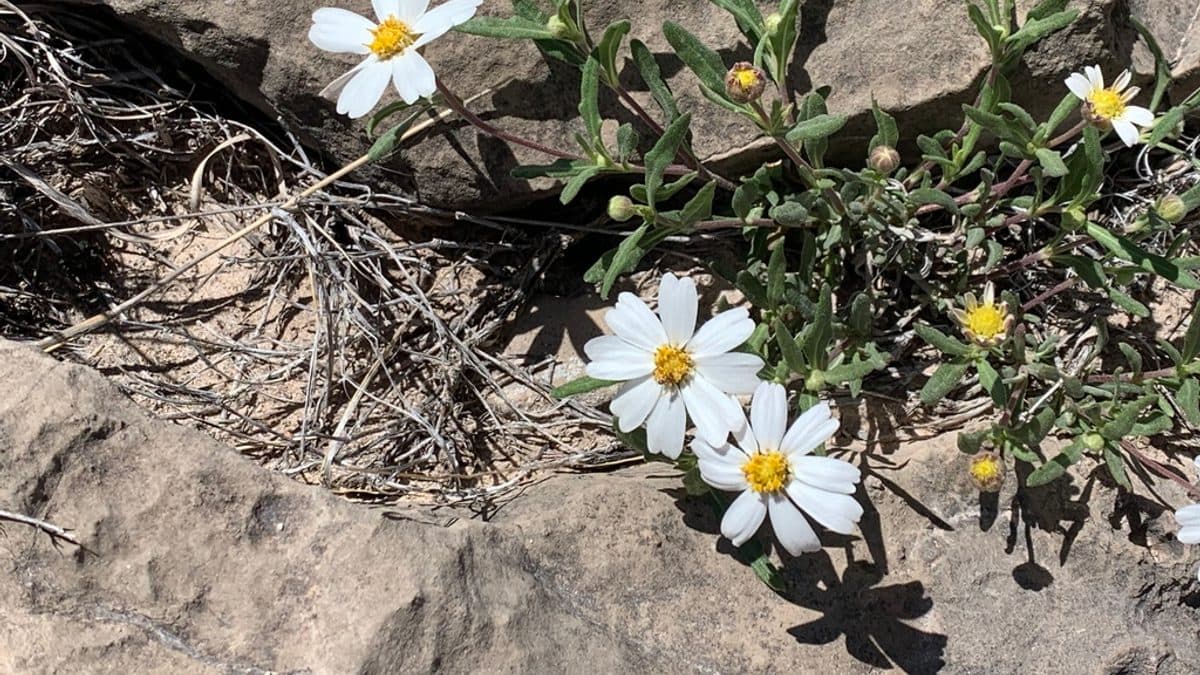
Free help: the Maricopa County Master Gardener Program runs a free Plant Help Desk by phone, email, or walk-in at 602-827-8201, plus free twice-monthly online sessions. In the pot: blackfoot daisy (Melampodium leucanthum), native here, blooming June through September, and listed for containers by the Lady Bird Johnson Wildflower Center.
Atlanta, Piedmont
Deep red clay and 45 to 50 inches of rain spread through the year make this black spot country. Clemson's cultural controls are the whole answer and none of them involve a spray: water at the soil rather than over the leaves, give the pot enough room for air to move around it, and clear fallen leaves instead of letting them sit on the soil surface.
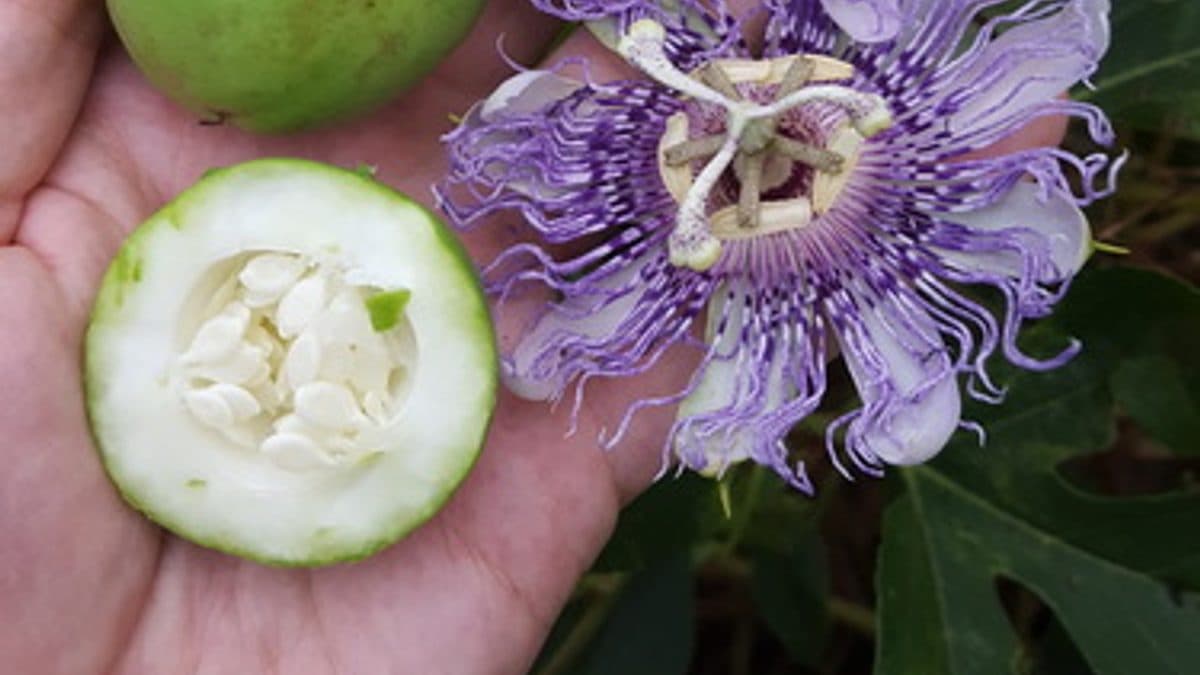
Free help: the Greater Atlanta Rose Society has ARS-certified Consulting Rosarians who will help people who are not members, and UGA Extension in DeKalb County staffs a help desk on weekdays at 404-298-4080. In the pot: purple passionflower (Passiflora incarnata), native here, blooming June through September, and listed for containers by Plant NOVA Natives.
Dallas and Fort Worth, Texas Blackland Prairies
Heat and evaporation, not frost. A first freeze around late November means the feeding question is still weeks away, and the August job is keeping the root zone from cooking and flushing accumulated salts out of the pot.
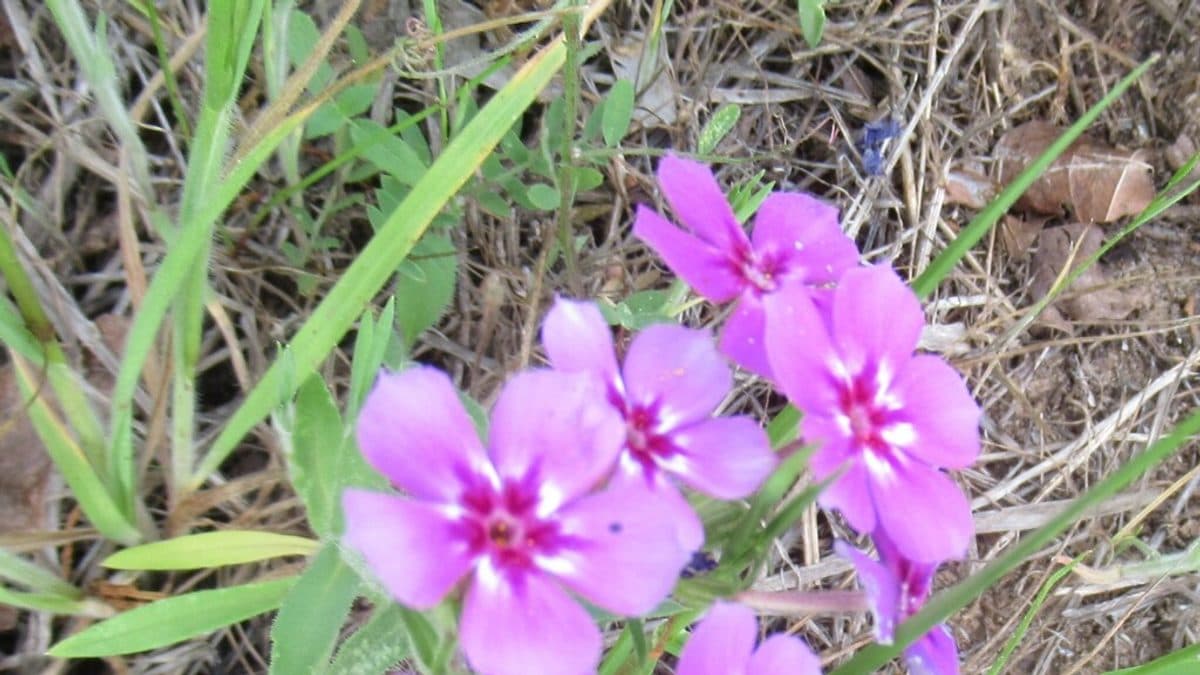
Free help: the Dallas County Master Gardener help desk answers lawn and garden questions from the public by email, and the Dallas Rose Society takes rose questions. In the pot: Drummond's phlox (Phlox drummondii), native here and listed for containers by the Lady Bird Johnson Wildflower Center.
Houston, Western Gulf Coastal Plain
Humidity does two things to a container at once. It supplies the long wet leaf periods black spot needs, and it hides how much water the pot is actually losing. Drainage matters more here than almost anywhere. A saucer holding standing water after a Gulf downpour is its own problem.
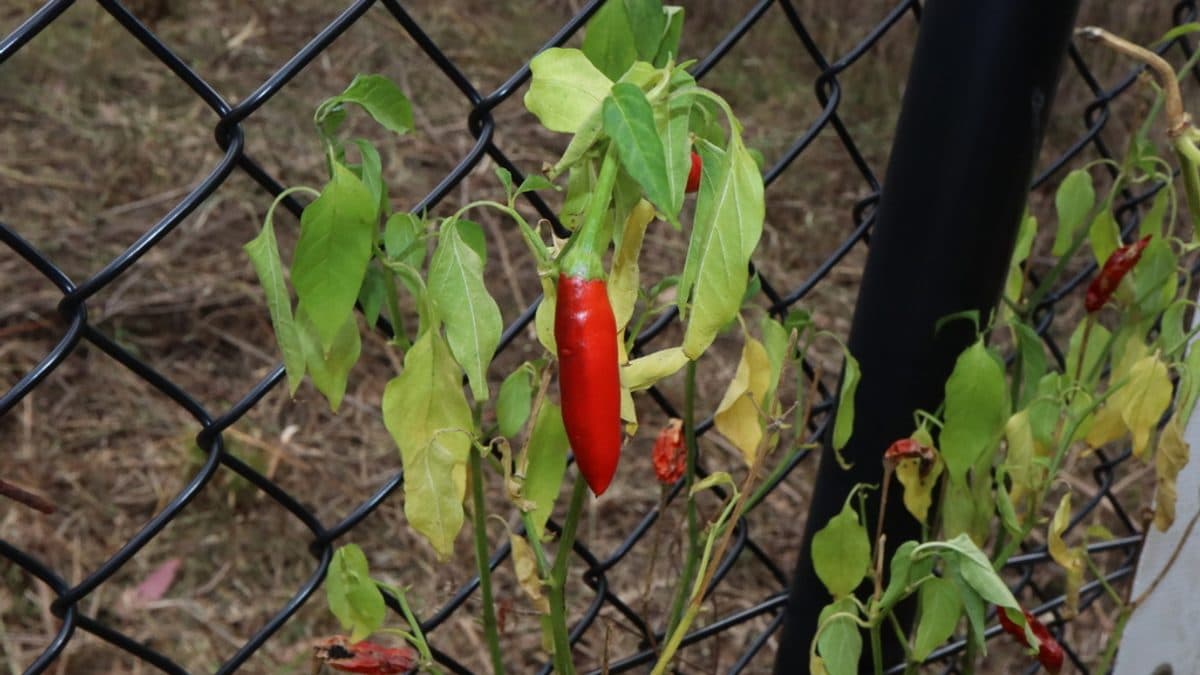
Free help: Harris County Master Gardeners answer home gardening questions through an online form, typically within 24 to 48 hours, at 713-274-0950. The Houston Rose Society has Consulting and Master Rosarians available for the cost of a phone call. In the pot: chile pequin (Capsicum annuum), native here and listed for containers by the Lady Bird Johnson Wildflower Center.
Washington DC, Southeastern Plains
A late first frost puts the feeding cutoff well into October, so mid-August is not a deadline here either. Humid summers keep black spot pressure up, and the cultural controls are the same ones Clemson lists.
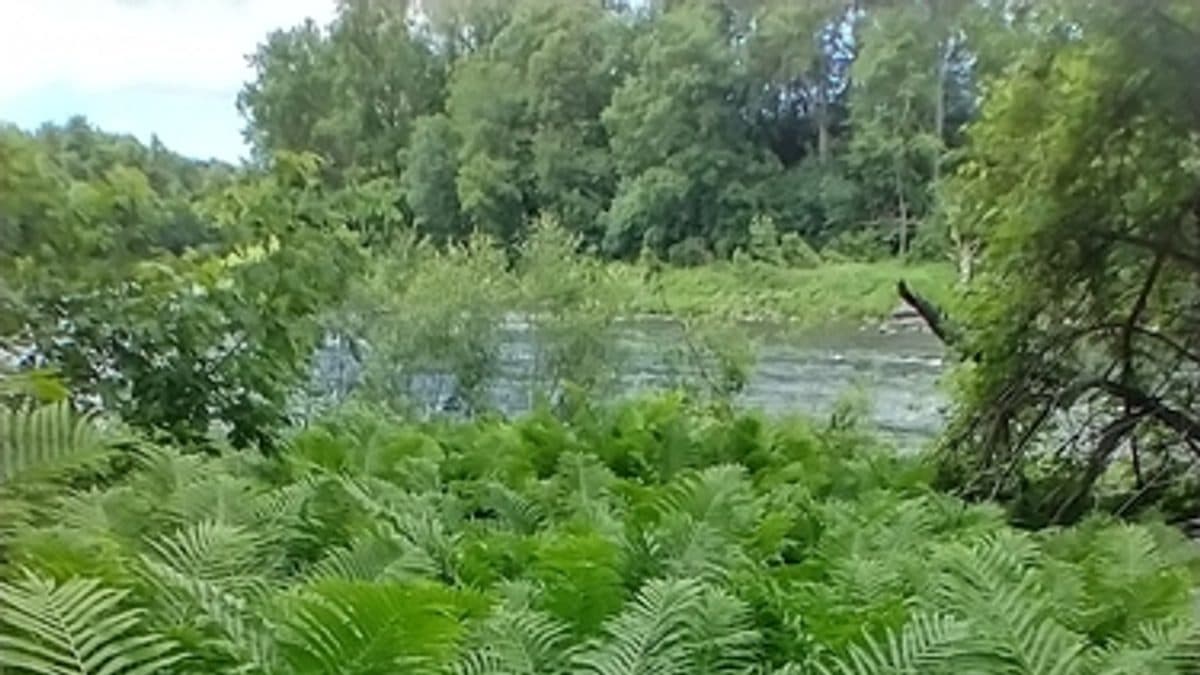
Free help: the Potomac Rose Society has regional Consulting Rosarians and has programs posted through late 2026. The UDC Master Gardener program also takes questions from DC residents through an online form, though it is volunteer-answered rather than a staffed helpline. In the pot: ostrich fern (Matteuccia struthiopteris), native here and listed for containers by Plant NOVA Natives.
Philadelphia, Middle Atlantic Coastal Plain
Flat sandy soils over a high water table, humid summers, and a first frost later than the Midwest. Your feeding cutoff sits in early October rather than mid-August, and the sandy profile means containers here dry from the bottom faster than the surface suggests.
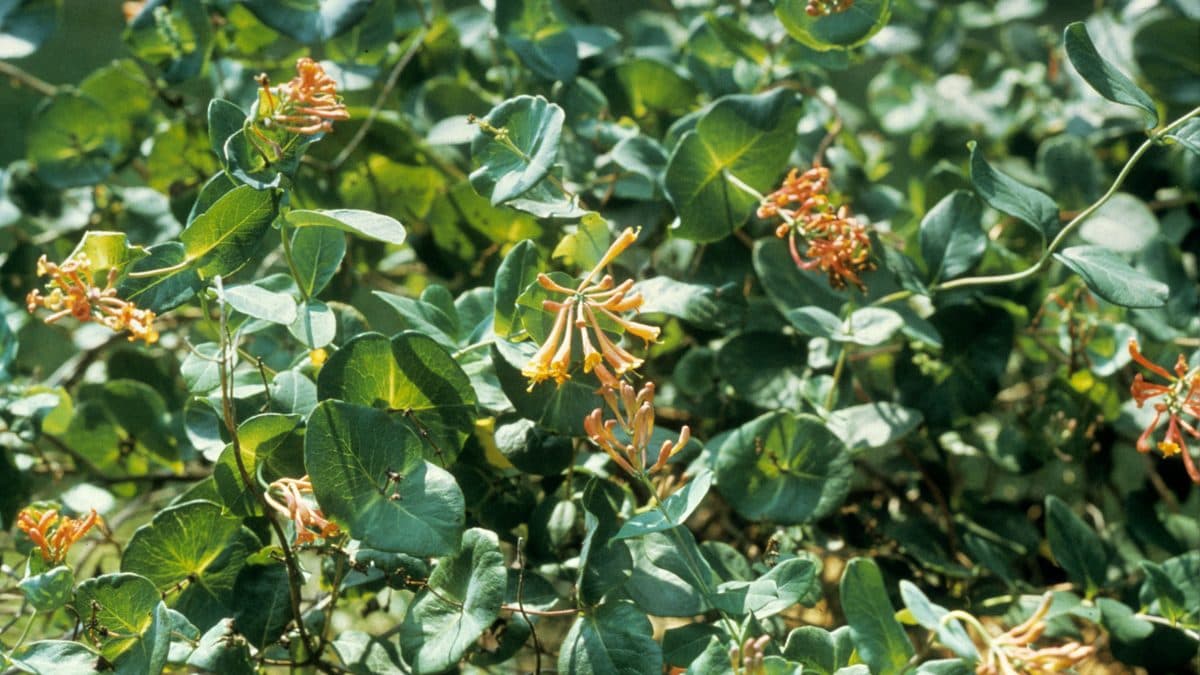
Free help: the Penn State Extension Garden Hotline for Philadelphia County is a free service for resident gardening questions at 267-314-8711, and The Philadelphia Rose Society, now in its 79th year, has Consulting Rosarians. In the pot: coral honeysuckle (Lonicera sempervirens), native here and listed for containers by Plant NOVA Natives.
Miami, Southern Florida Coastal Plain
No frost at all, which removes the entire fertilizer-timing question that the rest of this page is organized around. That is the clearest possible demonstration of the point. Your constraints are year-round fungal pressure, 50 to 65 inches of rain concentrated May through October, and sand and limestone that drain hard and hold little.
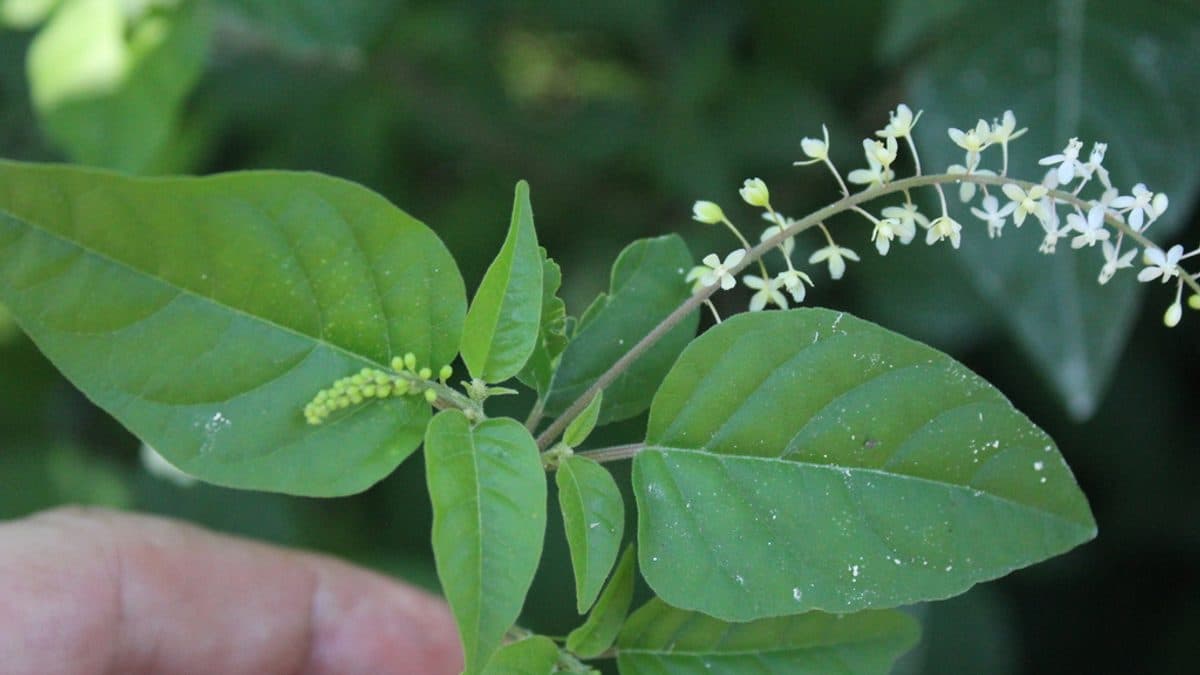
Free help: UF/IFAS Extension Miami-Dade Master Gardeners answer homeowner questions on gardening and pest or disease identification at 305-679-0222. We could not find a South Florida rose society with a working website, so the extension office is the one to use. In the pot: pigeonberry (Rivina humilis), native here and listed for containers by the Lady Bird Johnson Wildflower Center.
What this actually means
The rules were never wrong. They were local, and then they got repeated until the local part wore off. August 15 is a real cutoff in Illinois. Six weeks before your first frost is the same rule with its context still attached, and it is the one to carry with you.
We build plans around plants native to your ecoregion, because those are the ones that stop needing this kind of intervention. But if you have a rose in a pot right now, you have a rose in a pot, and it deserves an answer written for your city.
Want the version of this written for your ZIP code?
Pollinator Patch works out your ecoregion from your ZIP code and builds a plan around plants native to it, then sends care reminders on your local calendar rather than a national one. You can also ask about a plant you already own, including the ones that are not native.