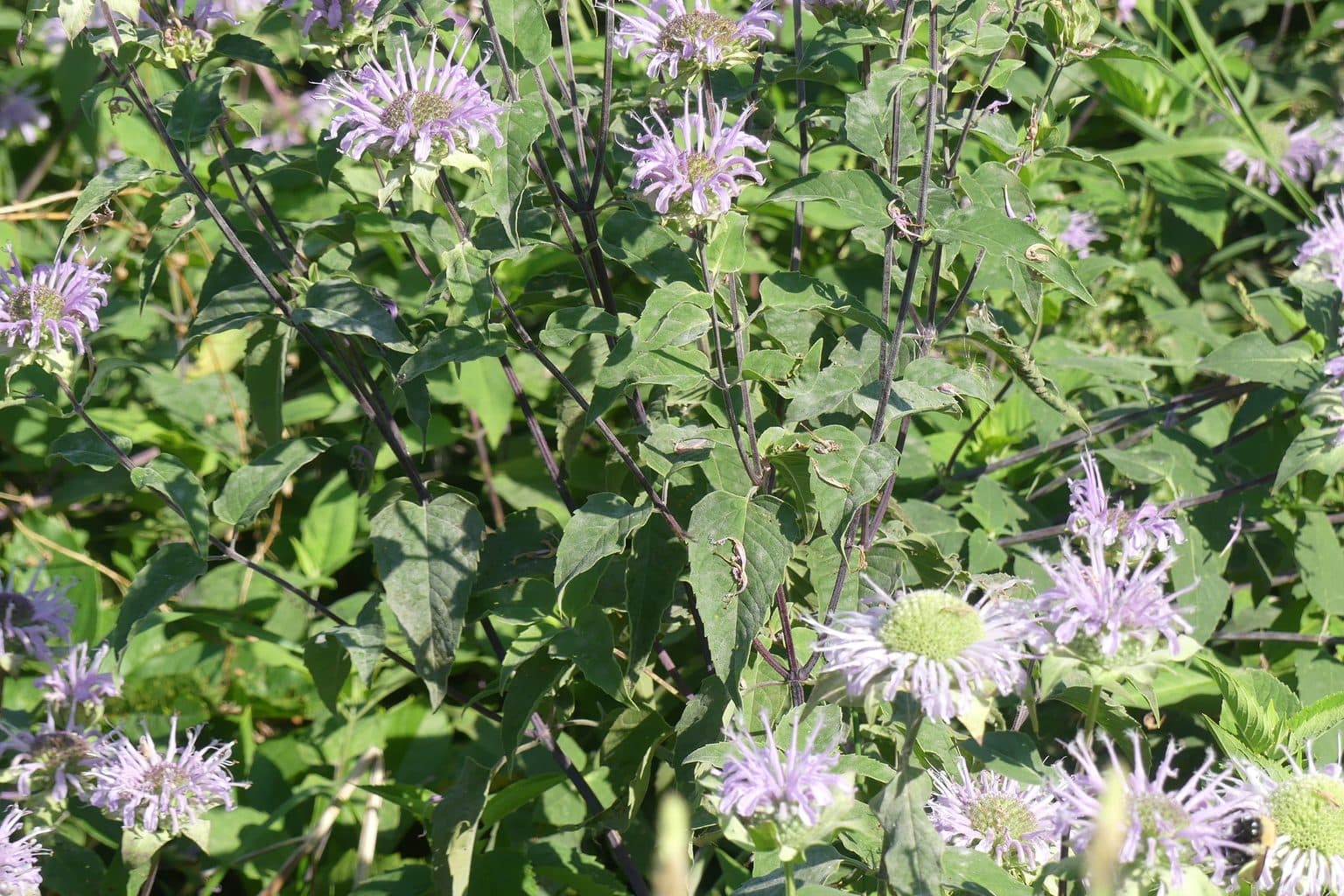
Quick answer: Bee Balm (Monarda species, also called wild bergamot or horsemint) is not on the ASPCA Animal Poison Control Center toxic plant list for dogs, cats, or horses. It is not considered toxic to pets. It is an aromatic mint-family plant, so the strong scent usually keeps dogs from eating much of it in the first place.
Bee Balm is a hummingbird and bee favorite that shows up in pollinator gardens nationwide, and the name alone makes some owners pause. The answer is straightforward. Here is the detail and the one mild caveat worth knowing.
What the ASPCA says
Bee Balm (Monarda) does not appear on the ASPCA Animal Poison Control Center toxic plant list for dogs, cats, or horses. That standard means there is no documented systemic toxin for those species. You can verify at aspca.org/pet-care/animal-poison-control/toxic-and-non-toxic-plants.
Bee Balm is in the mint family and its foliage is high in aromatic oils, including thymol, the same compound that gives thyme its scent. Those oils are why the plant smells so strongly when brushed and why most dogs are not interested in eating it. As with any aromatic plant, a dog that does eat a lot of the leaves could get mild stomach upset from the volume and the oils, but it is not a toxic-list plant. If your dog eats a lot and shows symptoms, call the ASPCA Animal Poison Control Center at (888) 426-4435.
Bee Balm in a pollinator bed
Bee Balm is usually planted alongside the other non-toxic pollinator staples, so a bed built around it tends to be dog-friendly top to bottom. None of these are on the ASPCA toxic plant list:
| Plant | Dog Safe? | Notes |
|---|---|---|
| Bee Balm (Monarda spp.) | Yes | Not on ASPCA toxic plant list; aromatic mint-family foliage |
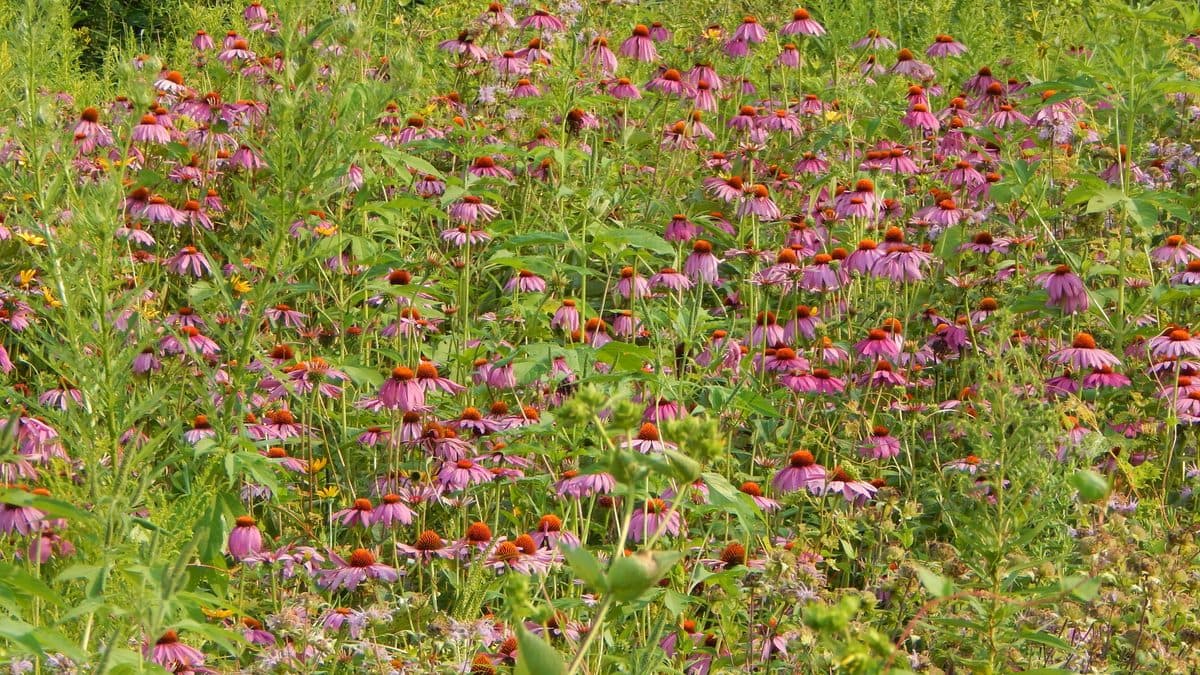
| Purple Coneflower (Echinacea purpurea) | Yes | Not on ASPCA toxic plant list; long summer bloom |
| Autumn Sage (Salvia greggii) | Yes | Not on ASPCA toxic plant list; another hummingbird favorite |
| Coreopsis / Tickseed (Coreopsis spp.) | Yes | Listed non-toxic to dogs, cats, and horses by the ASPCA |
Why Bee Balm earns the spot anyway
Few native perennials pull in hummingbirds, native bees, and butterflies as reliably as Bee Balm in midsummer, and the wild species shrug off heat and humidity. Give it decent airflow to keep powdery mildew down and it returns every year. Non-toxic, deer-resistant from the aromatic oils, and a pollinator powerhouse makes it an easy yes for a yard with dogs.
Pairing it with hummingbird plants? See the best native hummingbird plants for Texas, and build out the rest of the bed with the dog-friendly native backyard guide.
If something goes wrong
ASPCA Animal Poison Control Center: (888) 426-4435 (24/7, fee may apply). Have the plant name ready when you call.