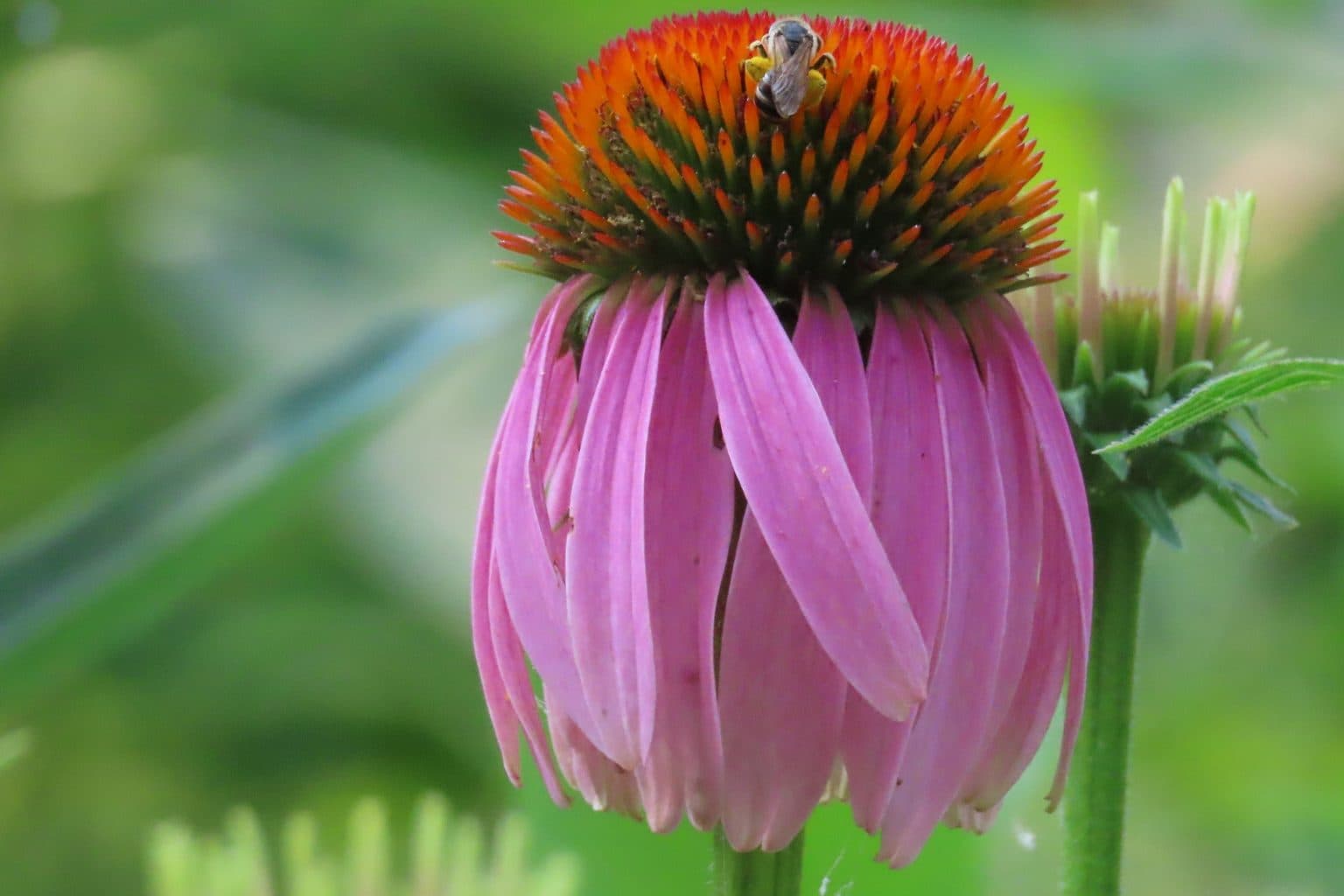
Quick answer: Purple Coneflower (Echinacea purpurea) is not on the ASPCA Animal Poison Control Center toxic plant list for dogs, cats, or horses. It is not considered toxic to pets. Echinacea is so far from toxic that it is sold as an herbal supplement for dogs, though that is a separate question from whether it is safe in the garden, which it is.
Coneflower is a staple of pollinator gardens from Texas to Maine, so it is worth a clear answer for anyone with a dog. The plant in the bed is safe. Here is the detail, plus a note on the supplement angle that muddies the search results.
What the ASPCA says
Purple Coneflower (Echinacea purpurea) does not appear on the ASPCA Animal Poison Control Center toxic plant list for dogs, cats, or horses. That standard means there is no documented systemic toxin for those species. You can verify at aspca.org/pet-care/animal-poison-control/toxic-and-non-toxic-plants.
The standard caveat is all that is left: a dog that eats a large amount of any plant material, including the bristly seed heads, can get mild, short-lived stomach upset. The spiny central cone is firm enough that most dogs are not tempted to eat much of it. If your dog eats a lot and shows symptoms, call the ASPCA Animal Poison Control Center at (888) 426-4435.
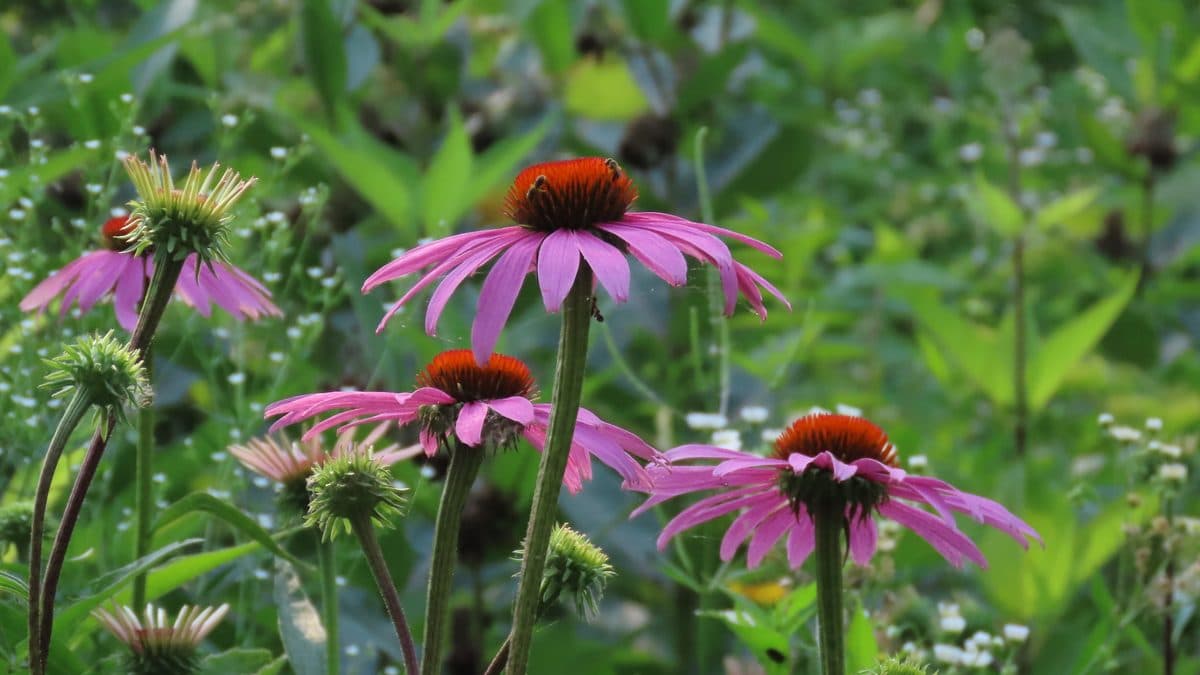
What about echinacea supplements for dogs?
This is where the search gets noisy. Echinacea is a common human immune supplement, and some owners give it to dogs, which makes "is echinacea safe for dogs" pull up dosing pages alongside garden pages. Two things to separate: the garden plant is not toxic to have in a yard with a dog, and giving any supplement to a dog is a dosing decision for your vet, not a landscaping one. For the purpose of planting coneflower in a bed, the answer stays a clean yes.
| Plant | Dog Safe? | Notes |
|---|---|---|
| Purple Coneflower (Echinacea purpurea) | Yes | Not on ASPCA toxic plant list; spiny seed heads are rarely eaten |
| Black-eyed Susan (Rudbeckia hirta) | Yes | Not on ASPCA toxic plant list; the classic coneflower companion |
| Bee Balm (Monarda spp.) | Yes | Not on ASPCA toxic plant list; another pollinator-bed standard |
| Coreopsis / Tickseed (Coreopsis spp.) | Yes | Listed non-toxic to dogs, cats, and horses by the ASPCA |
Why coneflower earns the spot anyway
Echinacea blooms for most of the summer, draws bees and butterflies all season, and feeds goldfinches from its seed heads into fall if you leave them standing. It is drought tough once established and holds an upright, intentional shape that an HOA reviewer reads as a planned garden. Non-toxic, low-care, and good for the pollinators is the trifecta for a dog-friendly yard.
Coneflower and Black-eyed Susan are the standard pairing; see is black-eyed susan toxic to dogs, and build out the rest with the dog-friendly native backyard guide.
If something goes wrong
ASPCA Animal Poison Control Center: (888) 426-4435 (24/7, fee may apply). Have the plant name ready when you call.