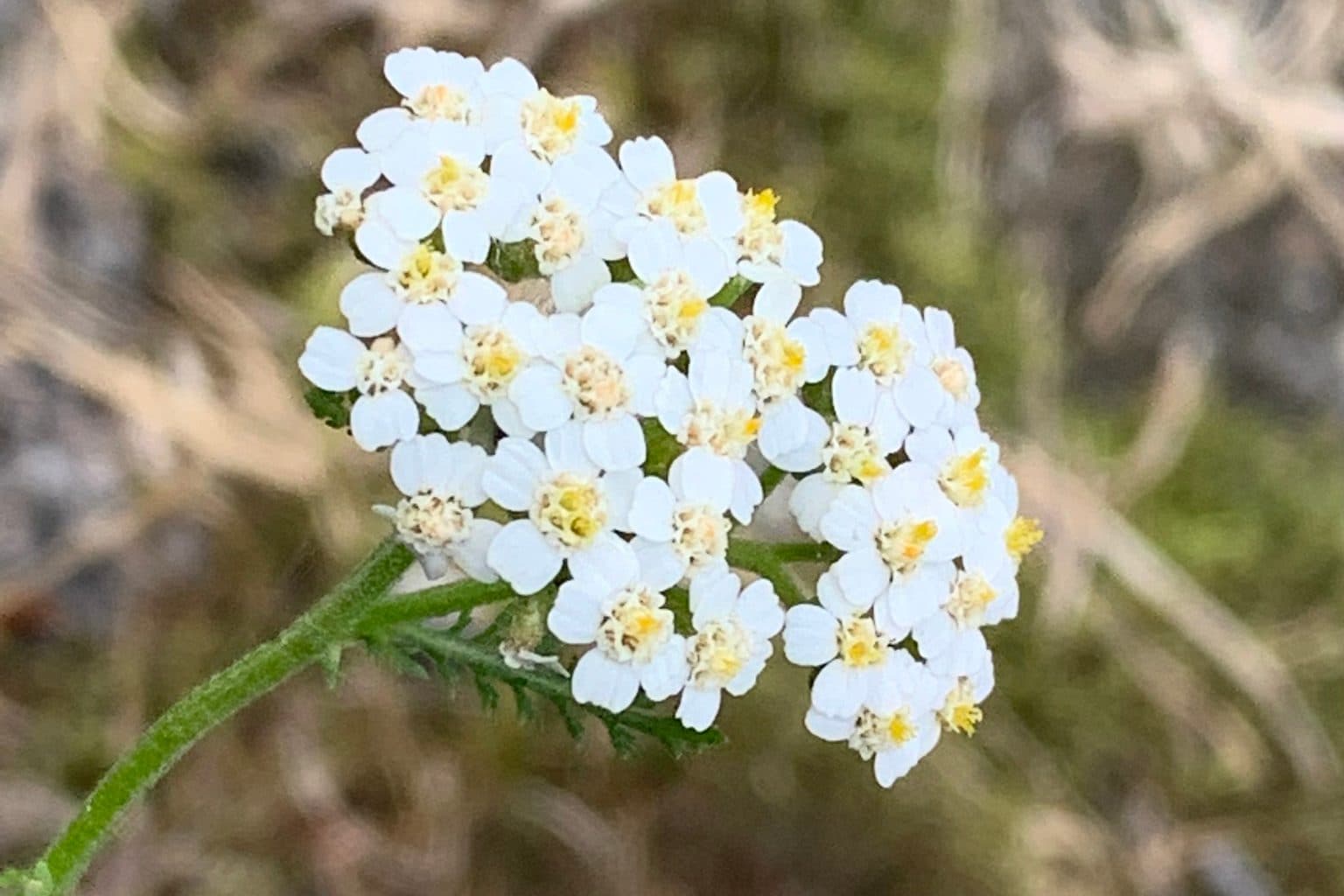
Quick answer: Yes. Yarrow (Achillea millefolium) is listed as toxic to dogs, cats, and horses by the ASPCA Animal Poison Control Center. The toxic compounds include alkaloids and sesquiterpene lactones, and the typical signs in dogs are vomiting, diarrhea, drooling, and loss of appetite. The toxicity is on the mild end, but it is a real listing. If your dog ate a lot of yarrow, call the ASPCA Animal Poison Control Center at (888) 426-4435.
Yarrow surprises people, because it is sold as a tough, low, pet-friendly groundcover and even as an herbal remedy. It is genuinely useful in a pollinator garden, but the ASPCA does list it. Here is how much that matters and what to plant instead if your dog grazes.
What the ASPCA says
The ASPCA Animal Poison Control Center lists Yarrow (Achillea millefolium) as toxic to dogs, cats, and horses. The named toxic principles are alkaloids such as achilleine, monoterpenes, and sesquiterpene lactones. In dogs, the usual signs are vomiting, diarrhea, increased salivation, depression, and loss of appetite. These are gastrointestinal effects rather than the cardiac or neurological emergencies seen with the more dangerous yard plants, so yarrow sits at the milder end of the toxic list.
That milder profile is why yarrow rarely causes a serious problem in practice. A dog would need to eat a fair amount of the ferny foliage to get past mild stomach upset. Still, the listing is real, so if you have a dog that eats greenery by the mouthful, yarrow is worth siting carefully or swapping out.
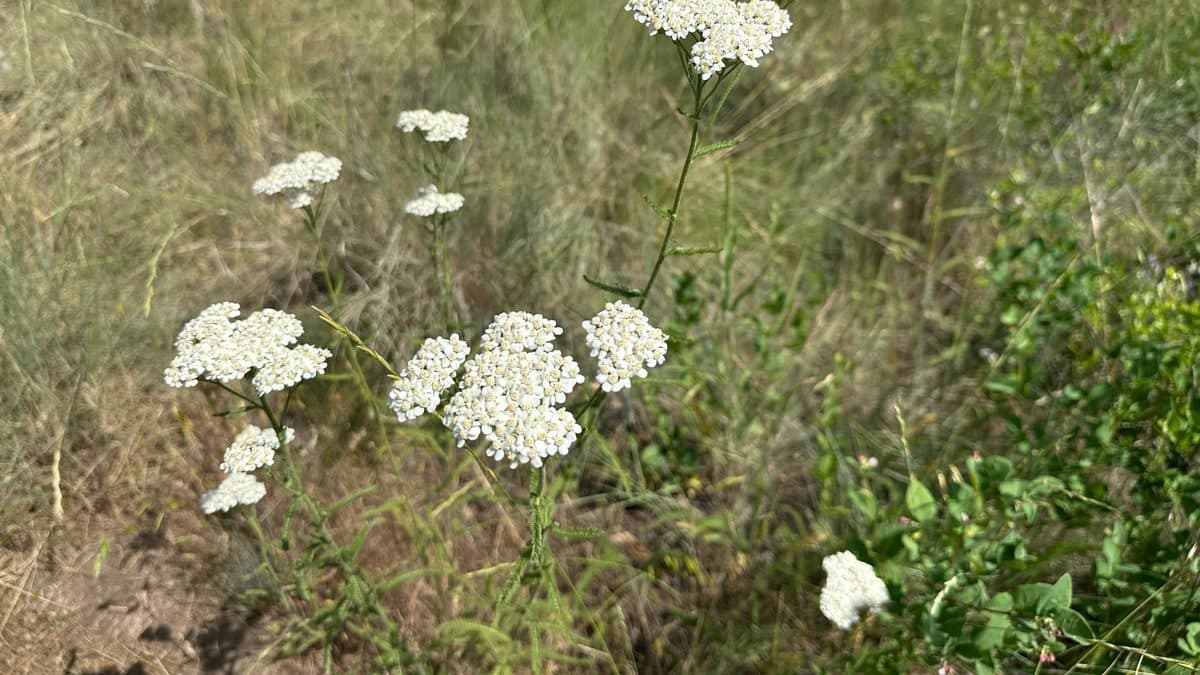
Yarrow is non-toxic in some sources. Which is right?
You will find garden sites that call yarrow pet-safe and herbal sites that recommend it for dogs. The tie-breaker for this site is simple: the ASPCA Animal Poison Control Center plant database lists Achillea millefolium as toxic to dogs, cats, and horses, and that is the source we defer to for pet-safety calls. When a plant appears on the ASPCA list, we treat it as toxic regardless of how often it is sold as harmless.
| Plant | Dog Safe? | Notes |
|---|---|---|
| Yarrow (Achillea millefolium) | No | Toxic to dogs, cats, and horses per the ASPCA; mild GI signs most common |
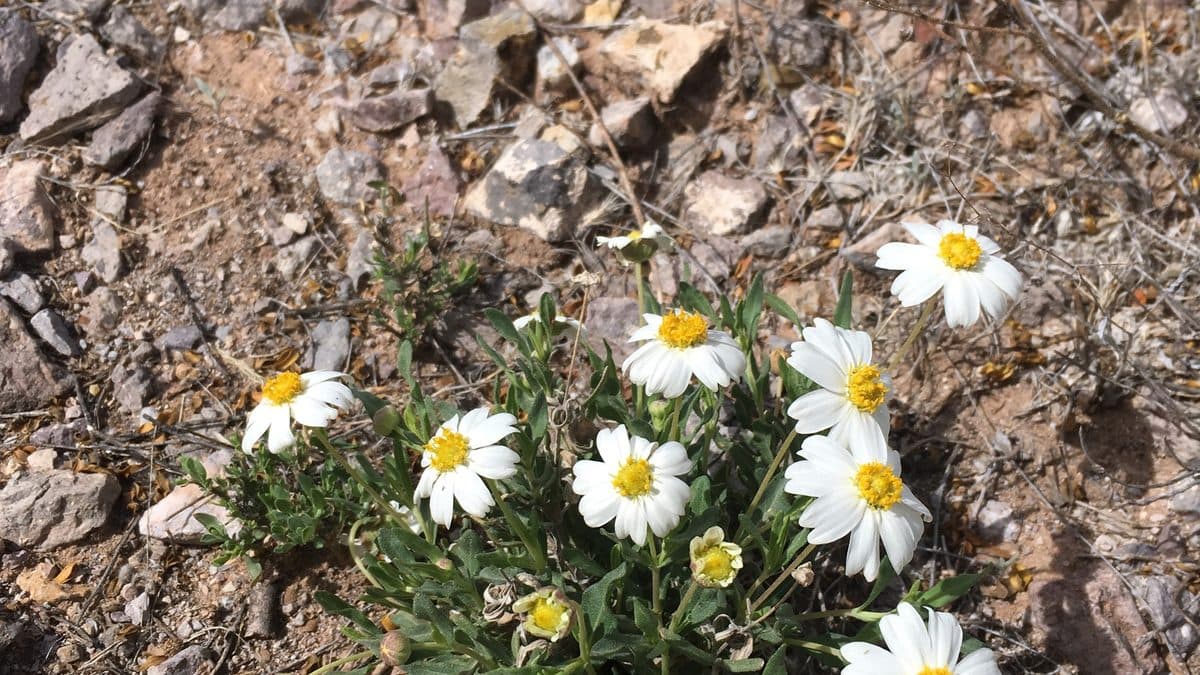
| Blackfoot Daisy (Melampodium leucanthum) | Yes | Not on ASPCA toxic plant list; low white mounds, very drought tough |
| Coreopsis (Coreopsis spp.) | Yes | Listed non-toxic to dogs, cats, and horses by the ASPCA; long yellow bloom |
| Autumn Sage (Salvia greggii) | Yes | Not on ASPCA toxic plant list; low shrub, blooms spring through fall |
All three swaps give you the same low, sun-loving, pollinator-friendly role yarrow fills, without the ASPCA listing. Native ranges per the Lady Bird Johnson Wildflower Center. Blackfoot Daisy in particular is the closest match for the low white-flowered look.
What to do if your dog ate yarrow
- Note roughly how much was eaten. A few leaves is low risk; a mouthful of foliage is worth a call.
- Call the ASPCA Animal Poison Control Center at (888) 426-4435 or your vet if you are unsure.
- Watch for vomiting, diarrhea, drooling, or a skipped meal and mention them on the call.
- Do not induce vomiting unless a vet tells you to.
For non-toxic plants to build around instead, see the dog-friendly native backyard guide, and to vet the rest of the yard, the six Texas yard plants most toxic to dogs.
If something goes wrong
ASPCA Animal Poison Control Center: (888) 426-4435 (24/7, fee may apply). Have the plant name ready when you call.