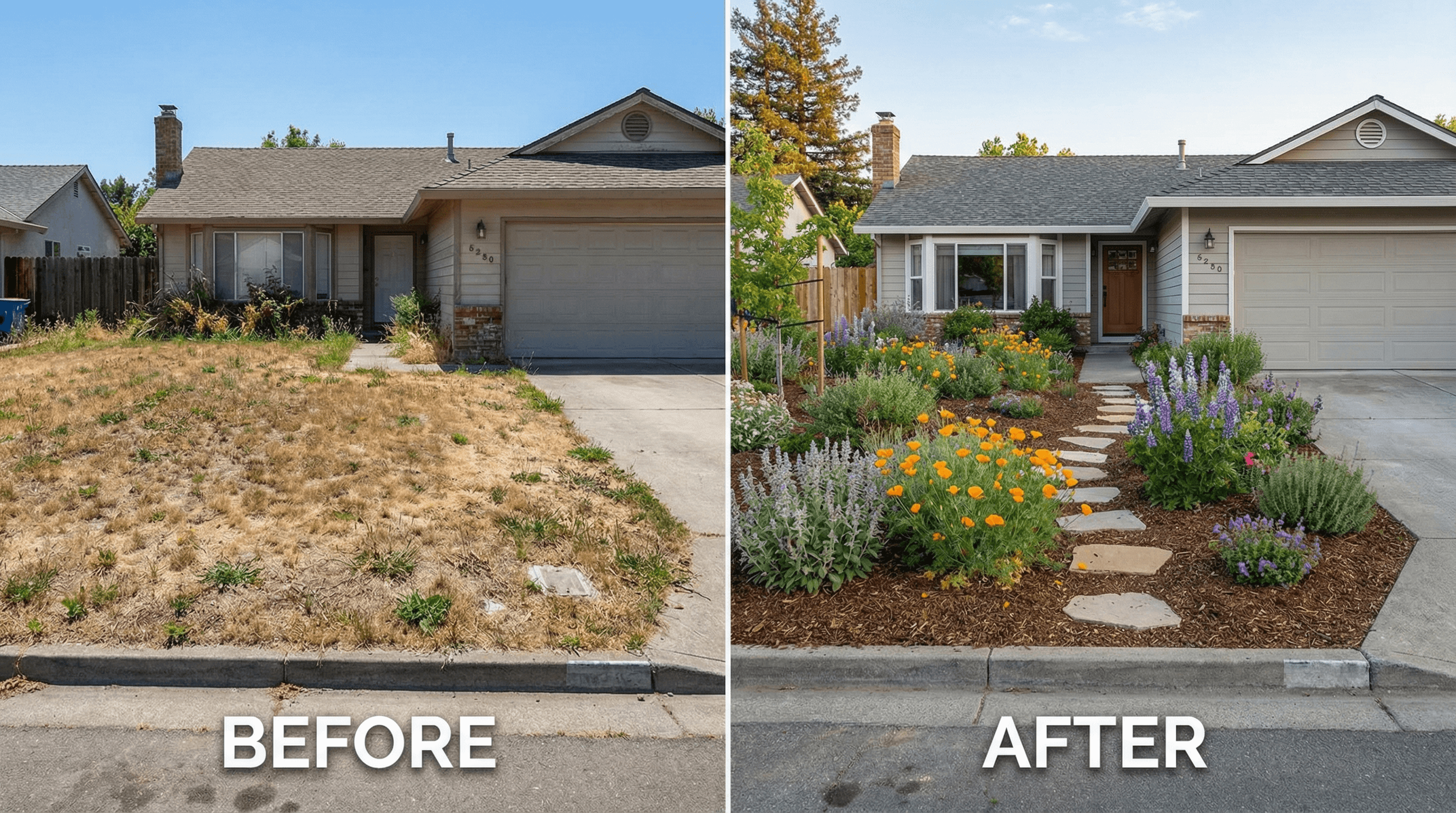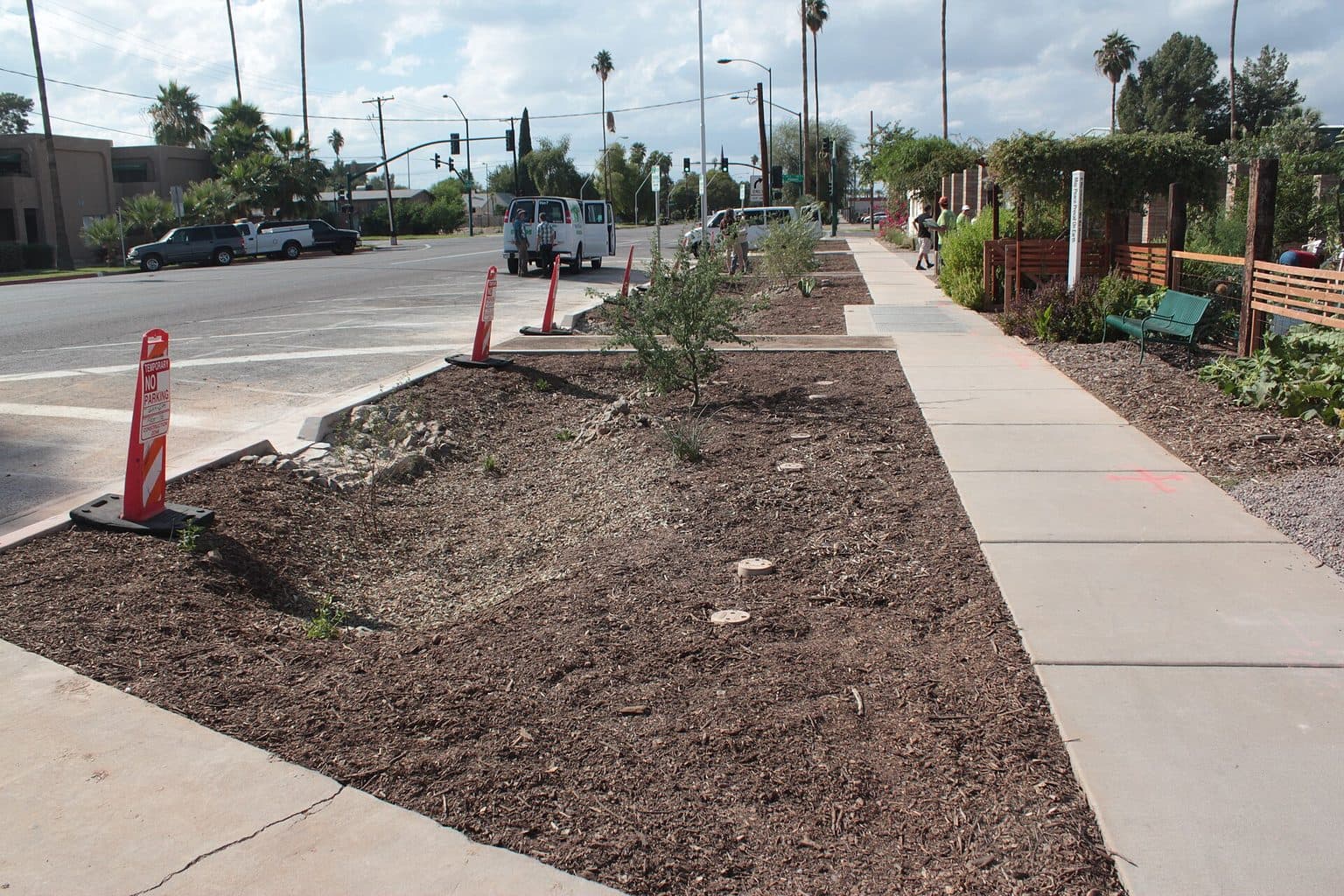
Quick answer: Yes, almost always. Of the 458 lawn replacement, native landscaping, and rain garden rebate programs in our national directory, 421 (92 percent) require approval before any work starts. If you remove your grass first and apply afterward, most programs will turn you down, even if the finished yard meets every other rule.
This is one of the easiest ways to lose a rebate you would otherwise have qualified for. And it rarely comes up when people tell you to rip out your lawn.
What we counted
We keep a directory of residential rebate, cost-share, and fee-credit programs that pay homeowners to replace turf, plant native or water-wise landscaping, or build rain gardens. Each entry is checked against the agency's own page and carries a source link and the date we last checked it. We published the full directory as open data under a CC BY 4.0 license, so every number below can be checked: the 2026-09-21 release on Zenodo (opens in new tab).
That release covers:
- 458 local programs, run under 336 distinct program names
- 45 states and jurisdictions (44 states plus the District of Columbia)
- 221 programs run by cities, 201 by regional water or conservation districts, and 36 by utilities
Every entry records whether the program requires approval before work begins. It is a yes or no field, read from the agency's terms.
The number: 421 of 458
421 of the 458 programs require approval first. That is 92 percent. The pattern holds regardless of who runs the program:
- City programs: 203 of 221 require approval first
- Regional water and conservation districts: 188 of 201
- Utilities: 30 of 36
If you set aside the 22 entries that are paused or expired, the share stays the same: 401 of the 436 active programs require approval before work starts.
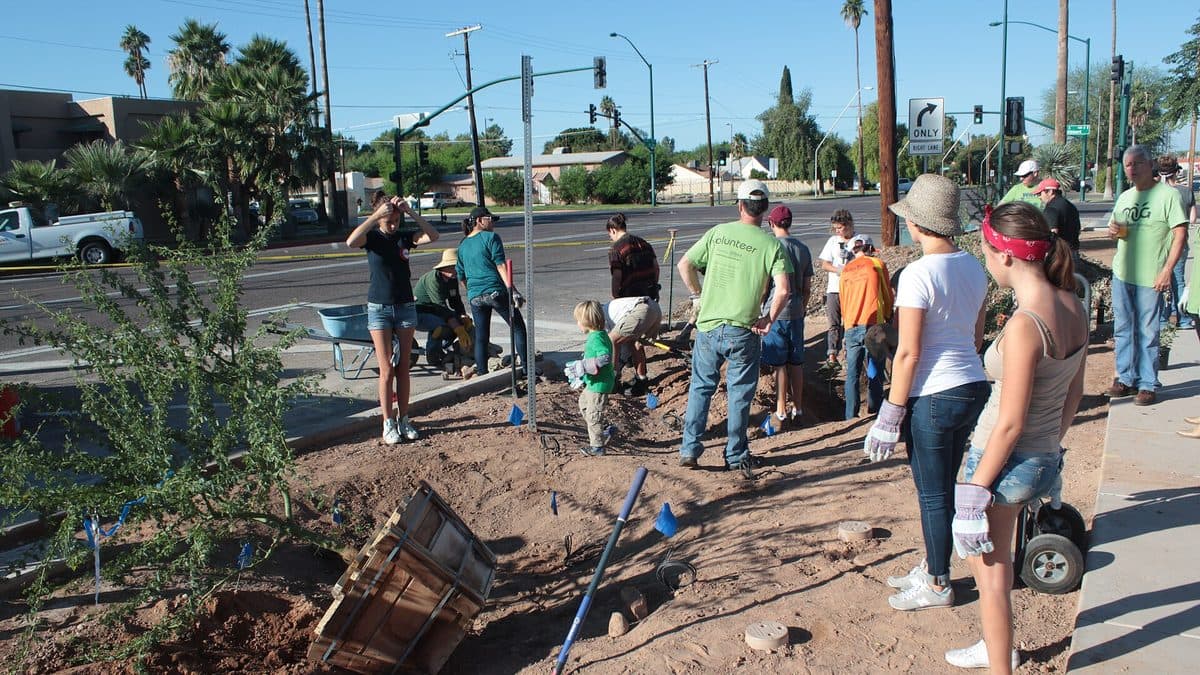
For some programs, approval means more than a form. 107 of the 421 entries mention a site visit or inspection somewhere in their requirements or notes. The agency wants to see the grass before it is gone, because the rebate is often paid by the square foot of lawn removed. Once the lawn is gone, they have nothing to measure.
What the agencies actually say
Here is how four programs in different parts of the country put it. We read each of these on the agency's own page on 2026-09-22.
Southern Nevada Water Authority, Water Smart Landscapes. Applicants must take part in a pre-conversion site visit, and the program page (opens in new tab) is blunt about it: "Removing your lawn without our approval will make your conversion ineligible."

Metropolitan Water District of Southern California, SoCal Water$mart Turf Replacement. The program page (opens in new tab) says you must apply to reserve rebate funds before starting your project. After the reservation, you have 180 days to finish the work and request the rebate.
Aurora Water, Colorado, Grass Replacement Incentive Program. The city's rebate page (opens in new tab) states: "Aurora Water must approve all projects before installation. Rebates are not retroactive."
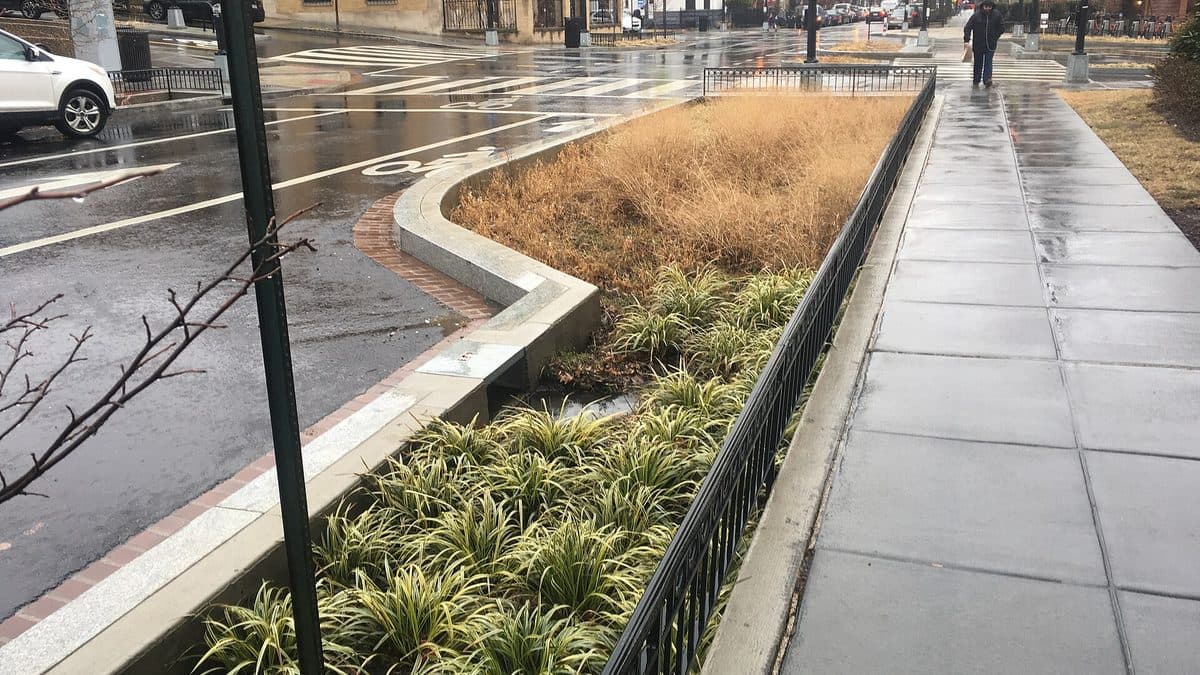
District of Columbia, RiverSmart Rain Garden Rebate. This program is about stormwater, not water use, but it works the same way. The program page (opens in new tab) says you need approval before installation begins, which requires a pre-construction inspection unless you have already had a DOEE stormwater audit.
The 37 that do not require it
37 entries in the directory do not require approval first. They are a mixed group. Some are stormwater fee credits that reward a feature after it exists. Others are plant sales and kit programs where the discount applies at purchase. A handful are ordinary rebates with a paperwork-after model.
Do not assume your program is one of them. Read the terms before you touch the lawn. When the page is unclear, call or email the program and ask whether you can start before approval. Get the answer in writing.
The money can run out, too
The order that keeps your rebate
- Find your program and read its current terms on the agency's own site. Our rebate directory links the source page for every entry.
- Take dated photos of the lawn as it is today, from several angles.
- Apply and wait for written approval, including any site visit.
- If you have an HOA, get its approval too. This is a separate step and does not replace the rebate approval. Our guide to what to include in an HOA pre-approval request covers it.
- Then remove the grass, inside the deadline your approval letter sets.
When you are ready to plan the replacement itself, our step-by-step guide to replacing a lawn with native plants picks up from there.
For reporters and researchers
The full directory is free to use under CC BY 4.0 (opens in new tab). Download it from Zenodo (doi:10.5281/zenodo.22878933) (opens in new tab). How we verify entries is on our methodology page. Two cautions if you work with the file. Rebate amounts are stored as the agency words them, often per square foot or as a percentage, so they cannot be averaged or totaled. And a state with no entries means we have not verified a program there, not that none exists.
People also ask
Can I get a turf rebate after I already removed my lawn?
Usually not. In our directory of 458 programs, 421 require approval before work starts, and some say plainly that removing the lawn first makes the project ineligible. A small number of programs, including some stormwater fee credits and plant sales, work after the fact. Check your program's own terms before assuming either way.Why do lawn replacement rebates need approval first?
Many programs pay by the square foot of grass removed, so the agency needs to see and measure the lawn before it is gone. 107 of the 421 programs that require approval mention a site visit or inspection in their requirements or notes. Applying first also reserves funds in programs that pay first come, first served.Does HOA approval count as rebate approval?
No. HOA approval and rebate approval are separate. If you live in an HOA, you usually need both before you start, and neither one substitutes for the other.Where does this data come from?
From Pollinator Patch's directory of residential turf replacement, native landscaping, and rain garden rebate programs, published as open data under CC BY 4.0 on Zenodo (doi:10.5281/zenodo.22878933). Every entry links to the agency page it was read from and carries the date it was last checked.Plan the yard, then apply
Pollinator Patch helps you plan a native yard matched to your ZIP code and find the rebate programs near you, so the approval comes before the shovel.