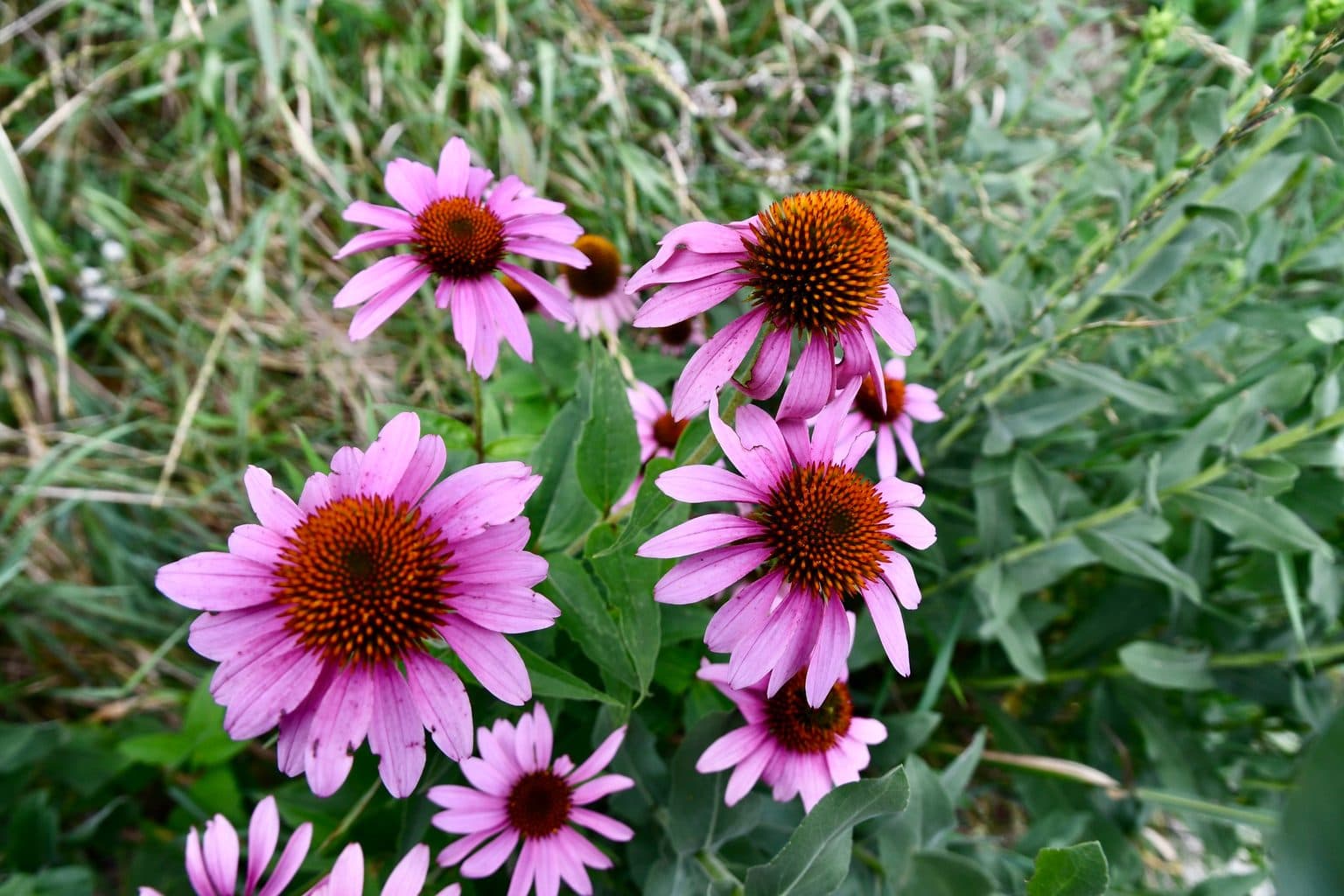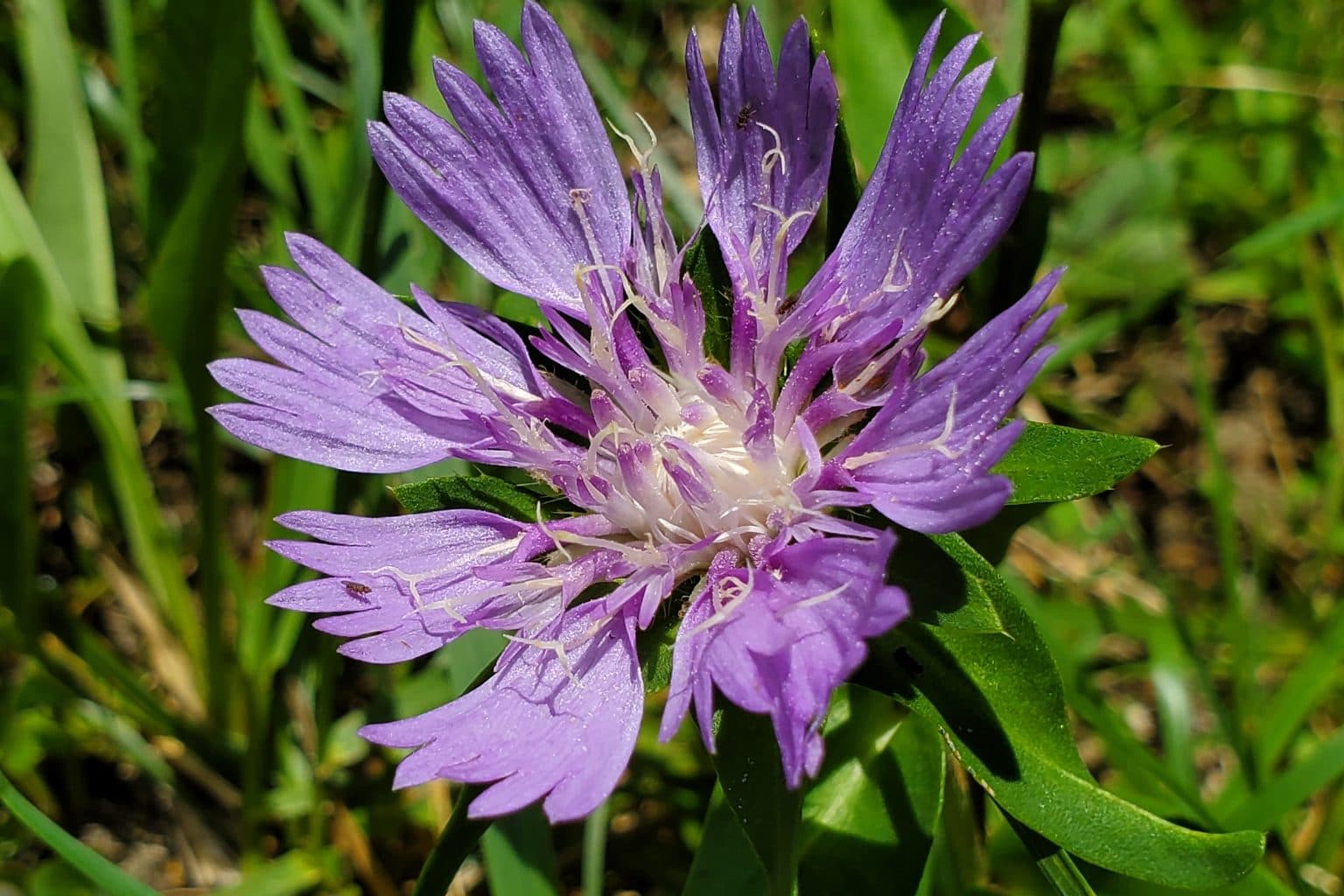
Quick answer: A native swap replaces one common non-native yard plant with a native that fills the same role in the same spot. A Callery pear becomes a serviceberry, a privet hedge becomes yaupon, a bed of vinca becomes wild ginger. You keep the shape and the job. You change the species. Below are fifteen pairs, three each for five regions (Atlanta, San Antonio, Indianapolis, Los Angeles and Portland). Every native's range was checked against the Lady Bird Johnson Wildflower Center and USDA PLANTS, and every non-native's introduced status against USDA PLANTS.
Most yard plants are there to do a job. The pear shades the driveway, the privet hides the neighbor's fence, the liriope covers the ground under the oak where grass gave up. A native swap is the smallest change you can make: find the native that does that job in your part of the country and put it in the same hole. Nobody has to notice except the birds.
This is not a list of plants to rip out this weekend. It is a list of pairs to keep for the next time one of these dies, outgrows its spot, or comes up at the architectural review committee. One swap at a time, in the same footprint, with the same edge, is how a yard turns native without ever looking like a project.
What a native swap is, and what it is not
The pair has to match on function first. A hedge that screens at six feet gets a native that screens at six feet. A groundcover that takes dry shade gets a native that takes dry shade. Flower color and berry color come second. If the native cannot do the job, it is a different plant rather than a swap, and it will come out the first year it looks wrong.
The native also has to be native where you live, not somewhere else in the same state. Every plant below is listed native to its state by the Lady Bird Johnson Wildflower Center and USDA PLANTS, and the five regions are EPA Level III ecoregions with an anchor city, so you can tell at a glance whether a list is yours. If your region is not one of the five, the last section tells you how to build your own pairs.
One more thing a swap is not: a claim that the plant you are removing is a weed. Several of the non-natives below spread into wild land and are listed as invasive by their state. Crape myrtle and oleander are not, and they are here because the native beside them feeds something. The reason to swap is written into each pair.
Piedmont (Atlanta area): three swaps for the red clay belt
The Georgia Piedmont runs from the fall line north to the mountains, with Atlanta in the middle of it. Most of its yards were planted from the same handful of nursery flats, which is why the same three plants keep coming out of them.
Instead of Callery pear, plant serviceberry
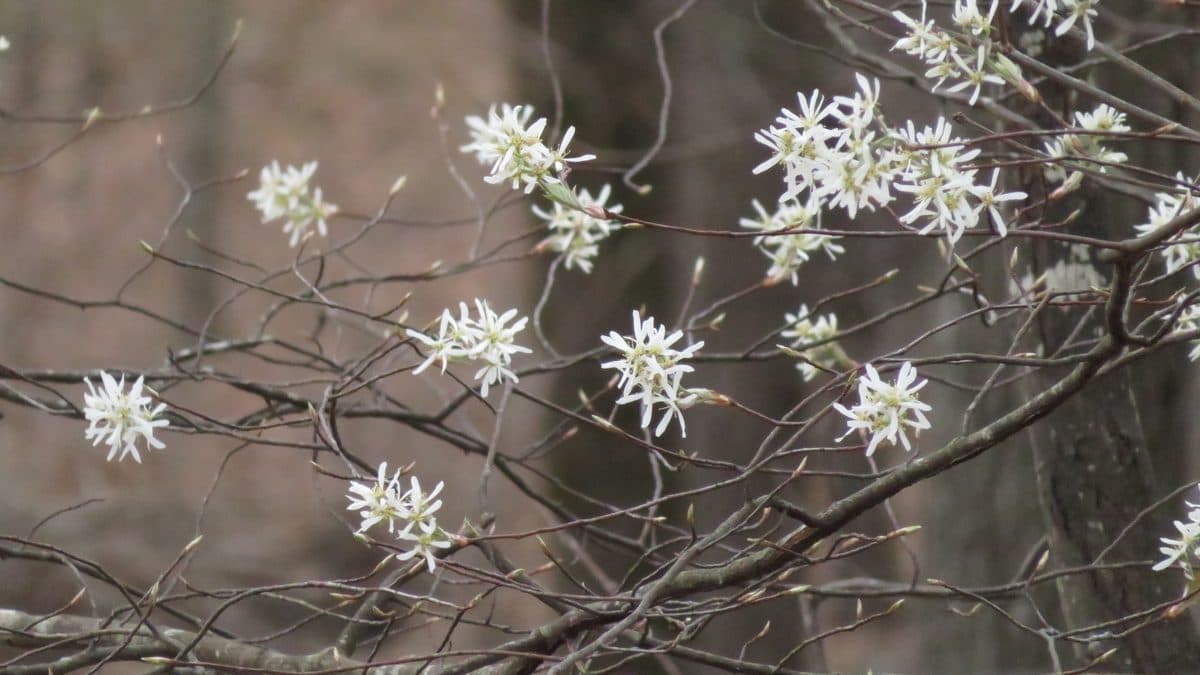
Callery pear (Pyrus calleryana, usually sold as Bradford) is native to China, Vietnam, Japan and Taiwan, and USDA PLANTS lists it as introduced across the lower 48. It was planted as a tidy white-flowering street tree, and its branches meet at weak crotches that break with age, wind and ice (NC State Extension). Downy serviceberry (Amelanchier arborea) gives you the same white bloom in April on a small tree. The Wildflower Center lists it native to Georgia, records birds in the fruit, and carries the Xerces Society's note that it has special value to native bees. It takes sun to part shade on open rocky slopes and wood edges, which describes a Piedmont front yard once the clay is broken up.
Instead of nandina, plant American beautyberry
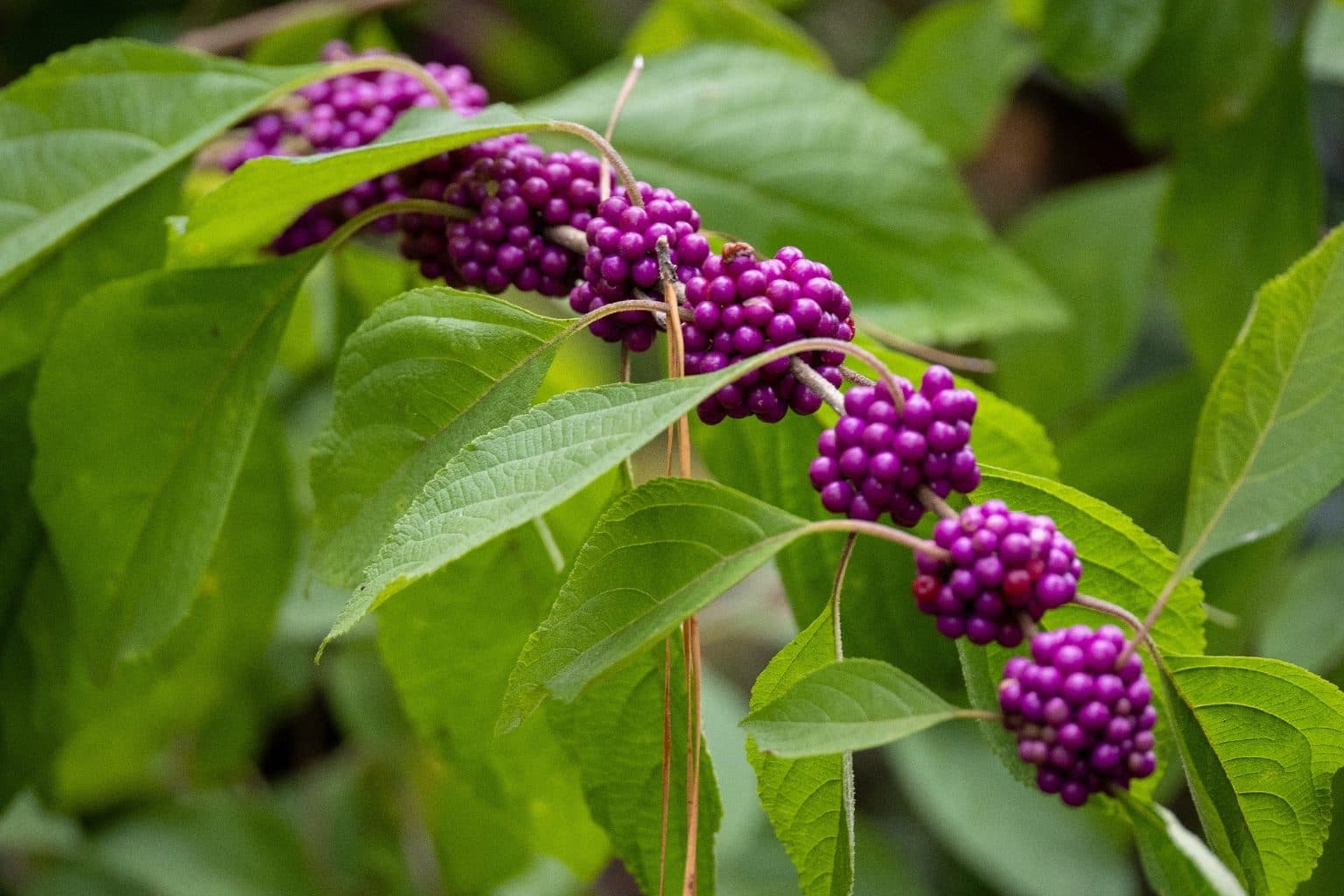
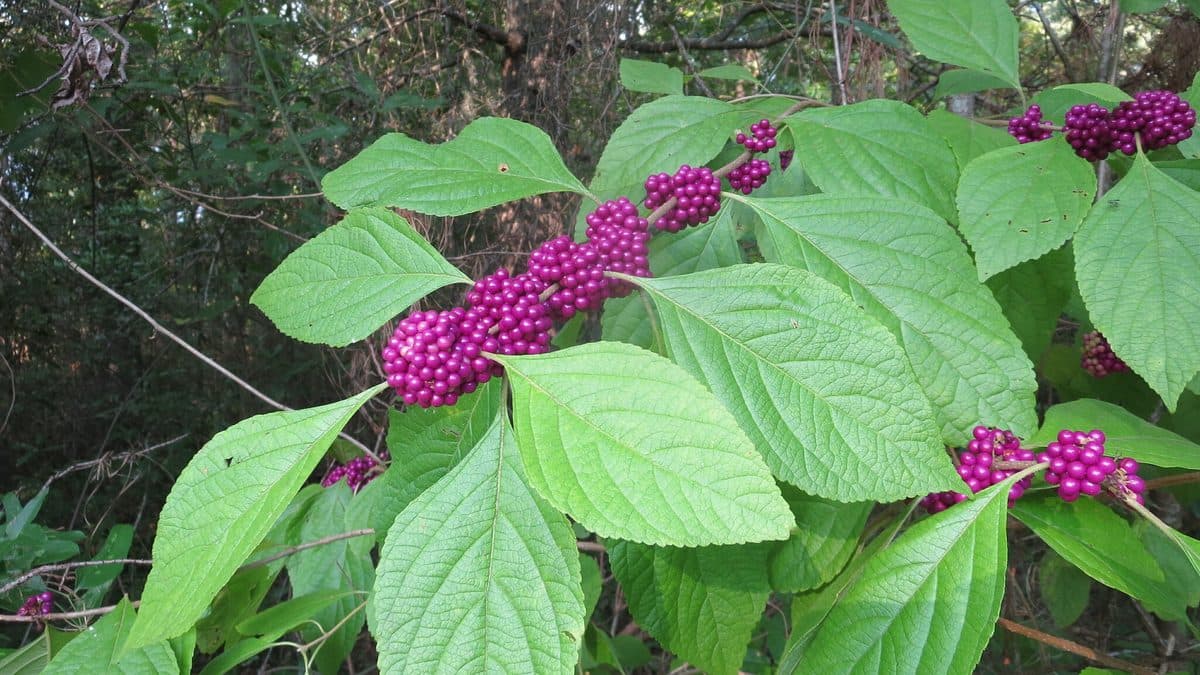
Nandina (Nandina domestica) comes from central and southern China and Japan (NC State Extension) and is listed introduced by USDA PLANTS. It sits in half the foundation beds in Atlanta for its red winter berries. American beautyberry (Callicarpa americana) is listed native to Georgia by the Wildflower Center. It grows three to six feet high and wide, takes part shade and low water, and carries clusters of purple berries along its stems after the early-summer bloom, with birds in them (Wildflower Center). It drops its leaves where nandina holds them, so plant it in front of something evergreen, or take the bare winter stems as the price of the berries.
Instead of liriope, plant Cherokee sedge
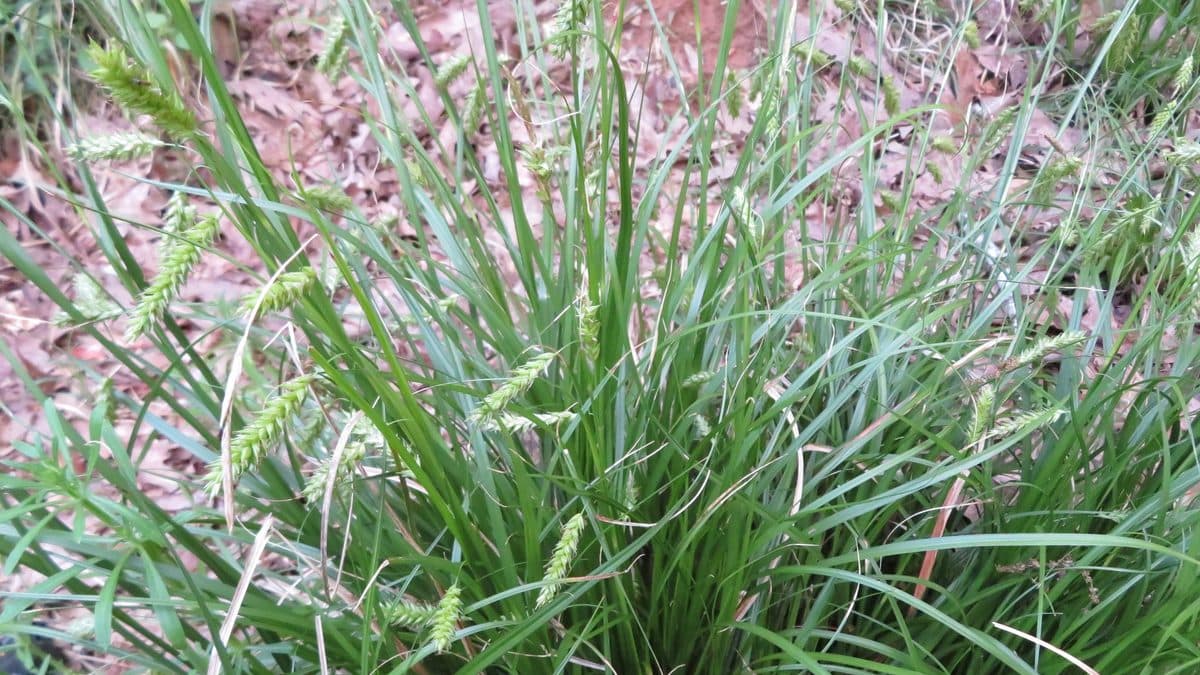
Liriope (Liriope muscari, the plant most people call monkey grass) comes from China, Taiwan and Japan (NC State Extension), and it edges more Atlanta walkways than anything else. Cherokee sedge (Carex cherokeensis) is listed native to Georgia by the Wildflower Center: evergreen, about a foot tall when not flowering, part shade, abundant in sandy loam woodlands (Wildflower Center). Massed at liriope spacing it reads as the same soft green edge, and it skips the late-winter cutback.
Edwards Plateau (San Antonio area): three swaps for limestone and heat
Hill Country yards around San Antonio sit on thin soil over limestone with a long dry summer. The non-natives here were chosen because they survive that. The natives below were shaped by it.
Instead of Japanese privet, plant yaupon holly
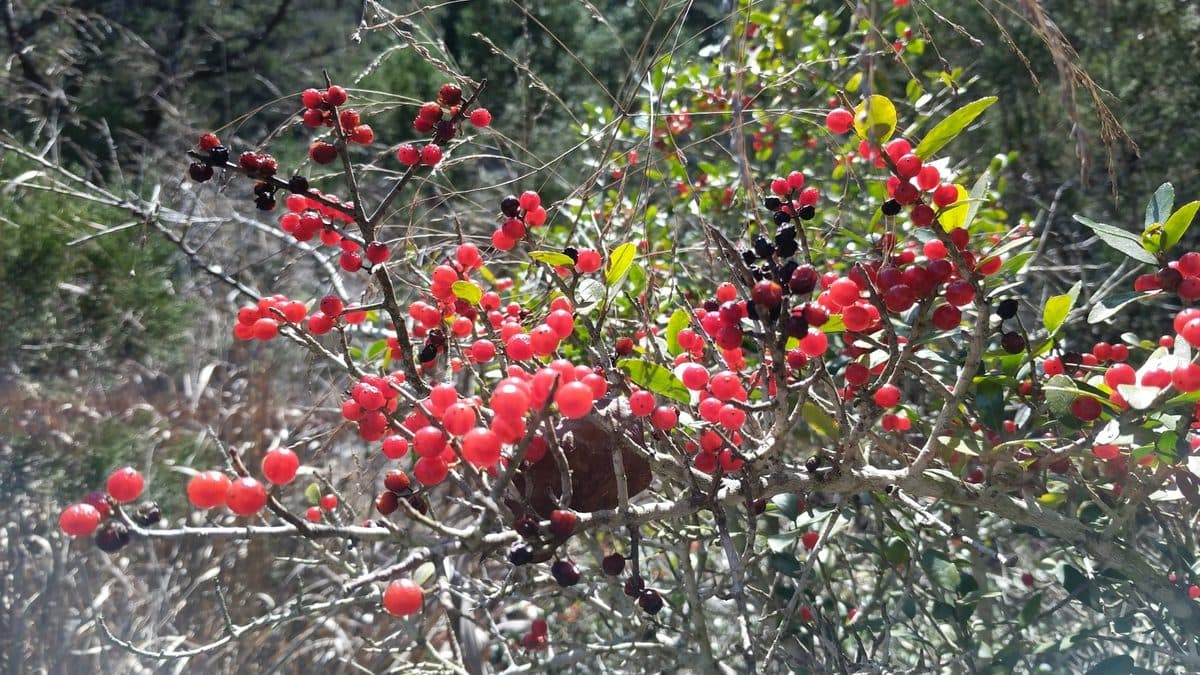
Japanese privet (Ligustrum japonicum) comes from southeast China (NC State Extension), is listed introduced by USDA PLANTS, and is carried in the Texas Invasives plant database. It gets planted as a fast evergreen screen. Yaupon holly (Ilex vomitoria) is listed native to Texas by the Wildflower Center: evergreen, usually under 25 feet, sun or shade, at home on limestone uplands, low water. Female plants carry bright red berries that persist through winter, you need a male nearby for them, and nursery plants are usually female (Wildflower Center). It is also a larval host for Henry's elfin butterfly (Wildflower Center). It shears into a hedge as cleanly as privet does.
Instead of Asian jasmine, plant frogfruit
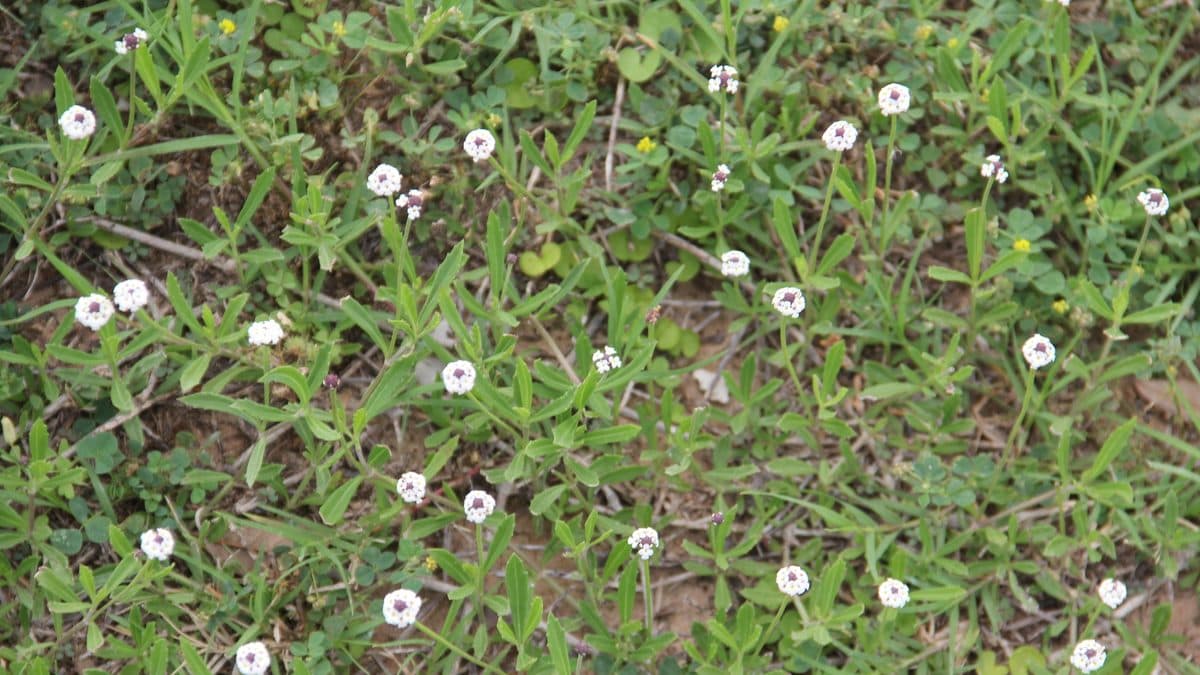
Asian jasmine (Trachelospermum asiaticum) comes from China, India, Japan and Korea (NC State Extension), and it covers the ground under half the live oaks in San Antonio. Frogfruit (Phyla nodiflora) is listed native to Texas by the Wildflower Center: semi-evergreen, about six inches tall, full sun, low water, growing anywhere from ditches to fields. It carries small white flowers from May to October and is a larval host for the phaon crescent, buckeye and white peacock butterflies (Wildflower Center, with BAMONA). It stays at the height of a mown lawn, which jasmine does not.
Instead of crape myrtle, plant Texas redbud
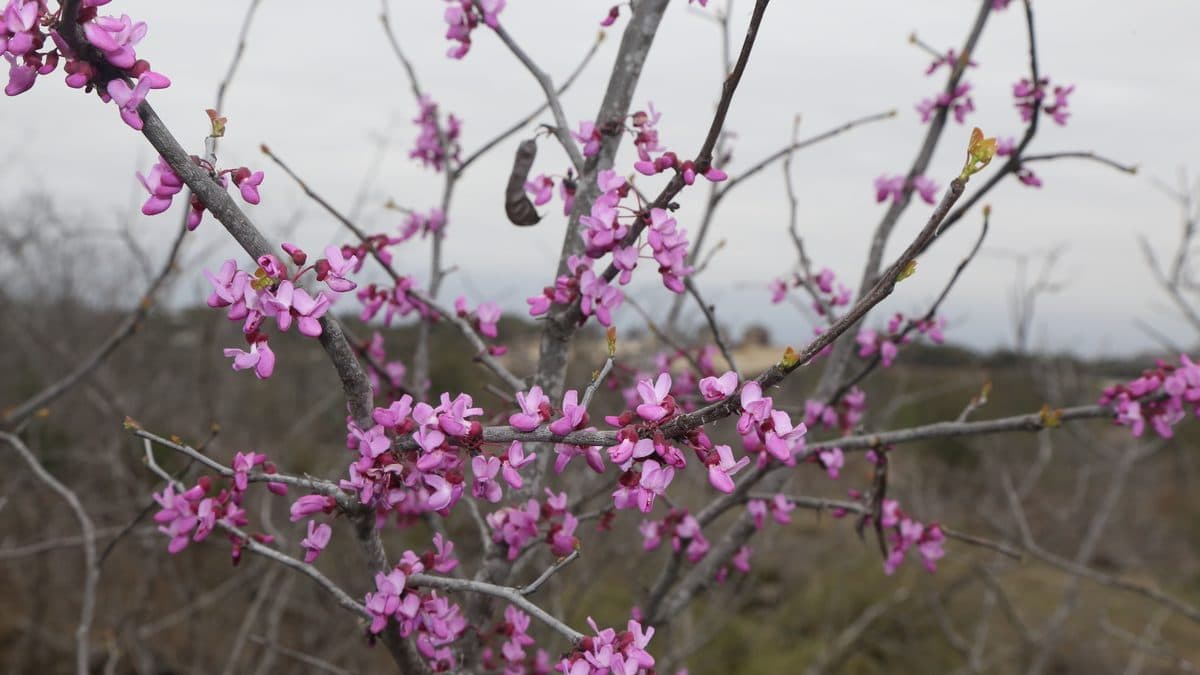
Crape myrtle (Lagerstroemia indica) is listed introduced by USDA PLANTS. It is not invasive, and it is on this list for the tree beside it. Texas redbud (Cercis canadensis var. texensis) is the Wildflower Center's own example of an Edwards Plateau tree: native to dry canyon slopes and the limestone soils of central Texas, up to about 20 feet, full sun, low water, pink flowers on bare wood in March, and a larval host for Henry's elfin (Wildflower Center). The glossy rounded leaves take the summer without complaint.
Eastern Corn Belt Plains (Indianapolis area): three swaps for deep soil and cold winters
Central Indiana yards sit on some of the deepest soil in the country, with winters that kill anything marginal. The non-natives below were chosen for hardiness and fall color. The natives give up neither.
Instead of burning bush, plant black chokeberry
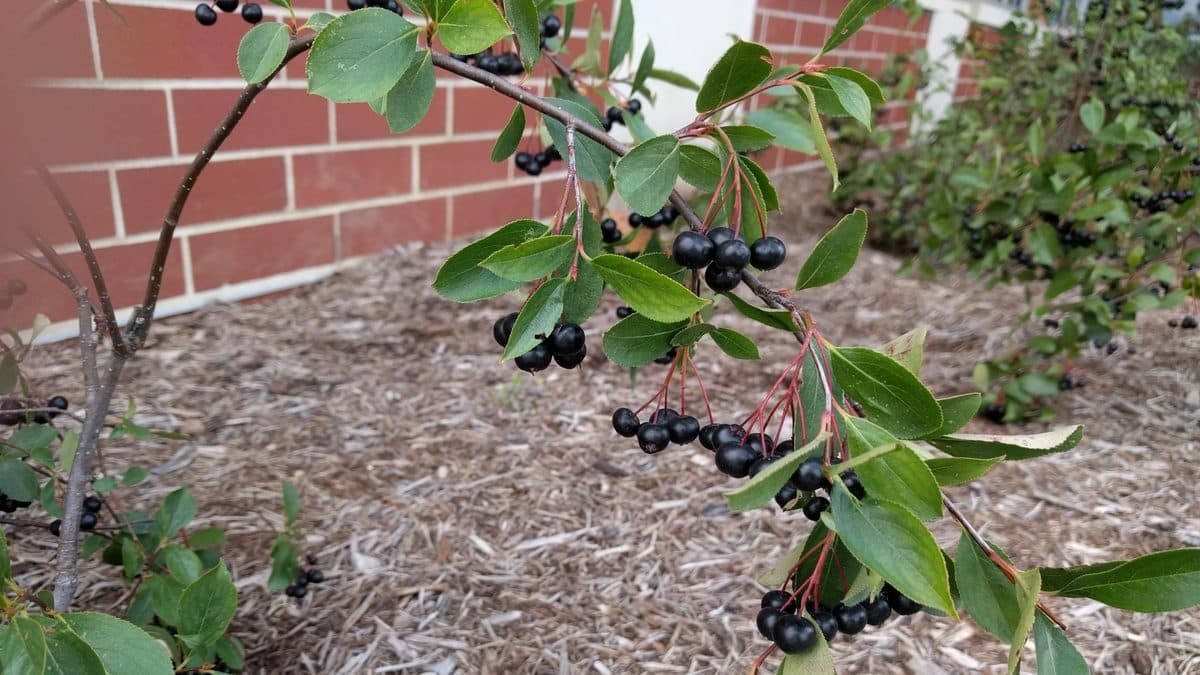
Burning bush (Euonymus alatus) comes from south Siberia, east Asia, Japan and China (NC State Extension) and is listed introduced by USDA PLANTS. It was planted for one week of red leaves in October. Black chokeberry (Aronia melanocarpa) is listed native to Indiana by the Wildflower Center: up to about six feet, white flowers in May, part shade, and birds take the black fruit (Wildflower Center). The fall leaves turn red too, and the fruit is the part burning bush never offered.
Instead of Japanese barberry, plant ninebark
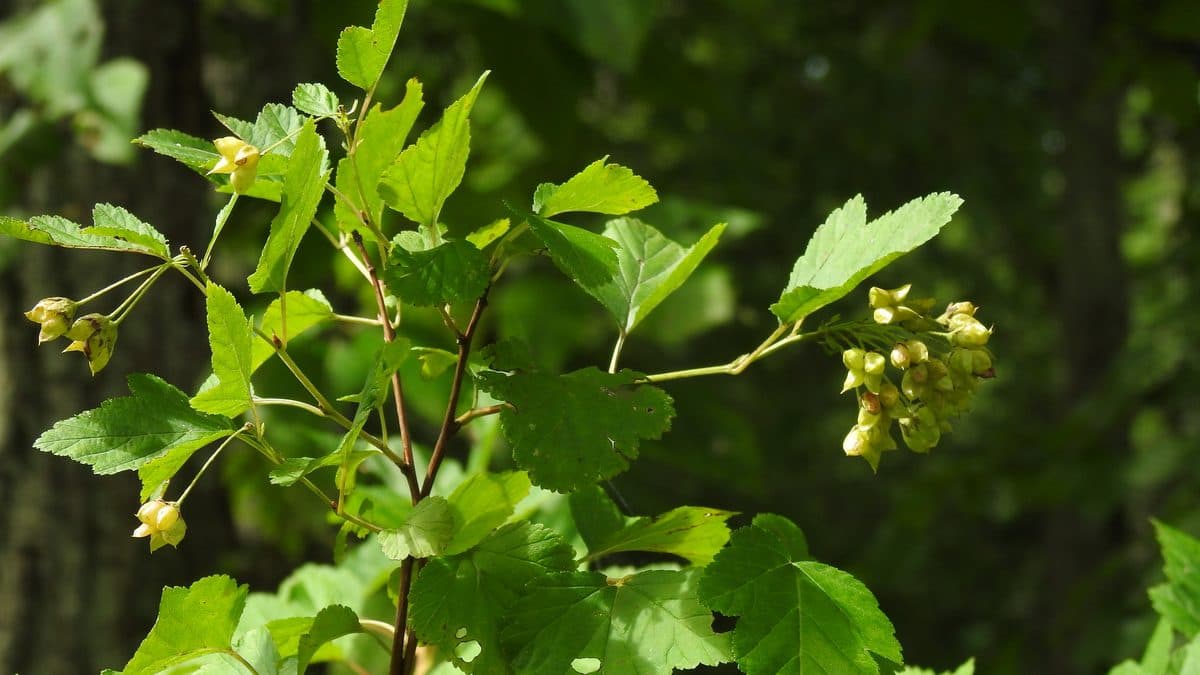
Japanese barberry (Berberis thunbergii) comes from Japan (NC State Extension) and is listed introduced by USDA PLANTS. It is a thorny foundation shrub sold in red and gold leaf forms. Common ninebark (Physocarpus opulifolius) is listed native to Indiana by the Wildflower Center: up to about ten feet, sun to part shade, low water, white flower clusters in May, birds in the fruit, and the Xerces Society's note of special value to native bees (Wildflower Center). Nurseries sell dark-leaved selections if the barberry's color was the point.
Instead of vinca, plant wild ginger
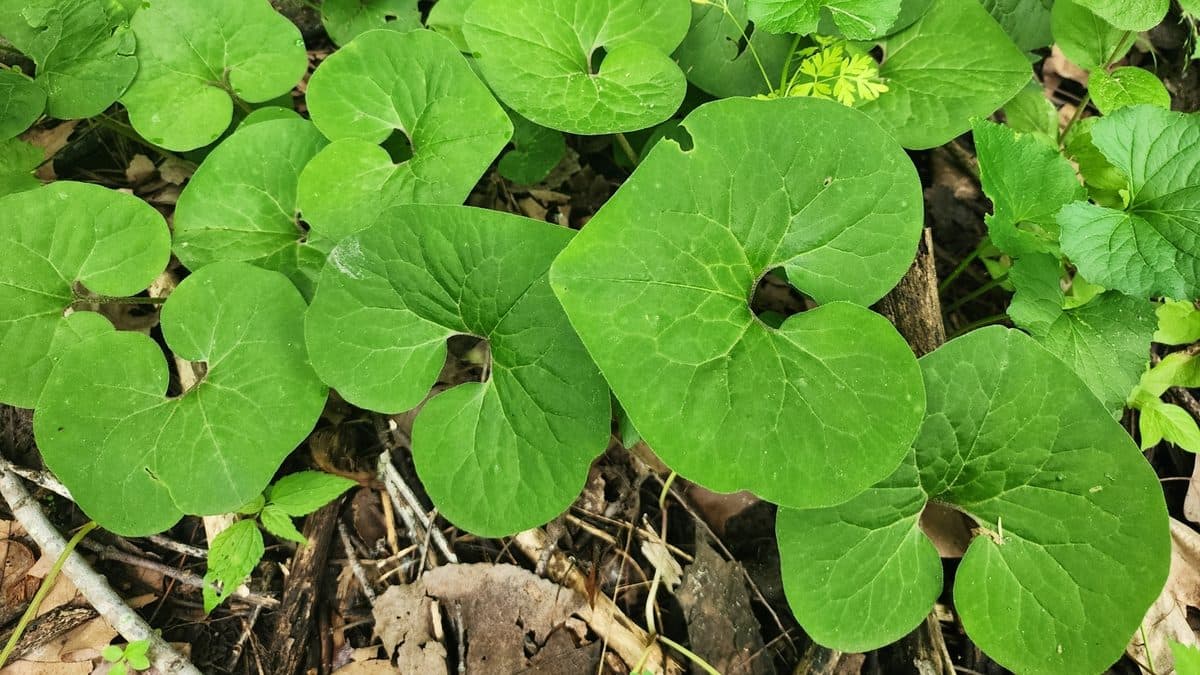
Vinca (Vinca minor, periwinkle) comes from Europe and the Caucasus (NC State Extension) and is listed introduced by USDA PLANTS. It is the default groundcover for dry shade under maples. Wild ginger (Asarum canadense) is listed native to Indiana by the Wildflower Center: about eight inches tall, part shade, medium water, a woodland plant, and a larval host for the pipevine swallowtail (Wildflower Center). The heart-shaped leaves knit into a mat by the second summer. Give it a year of water to establish under a maple, which vinca never asked for, and which is why vinca is still there.
Southern California coast (Los Angeles area): three swaps for a dry summer
The EPA calls the strip from Santa Barbara to the border the Southern California/Northern Baja Coast ecoregion. Its yards were planted from catalogs written for somewhere wetter, and watered to match. The swaps below are plants the hills already grow.
Instead of pampas grass, plant deergrass
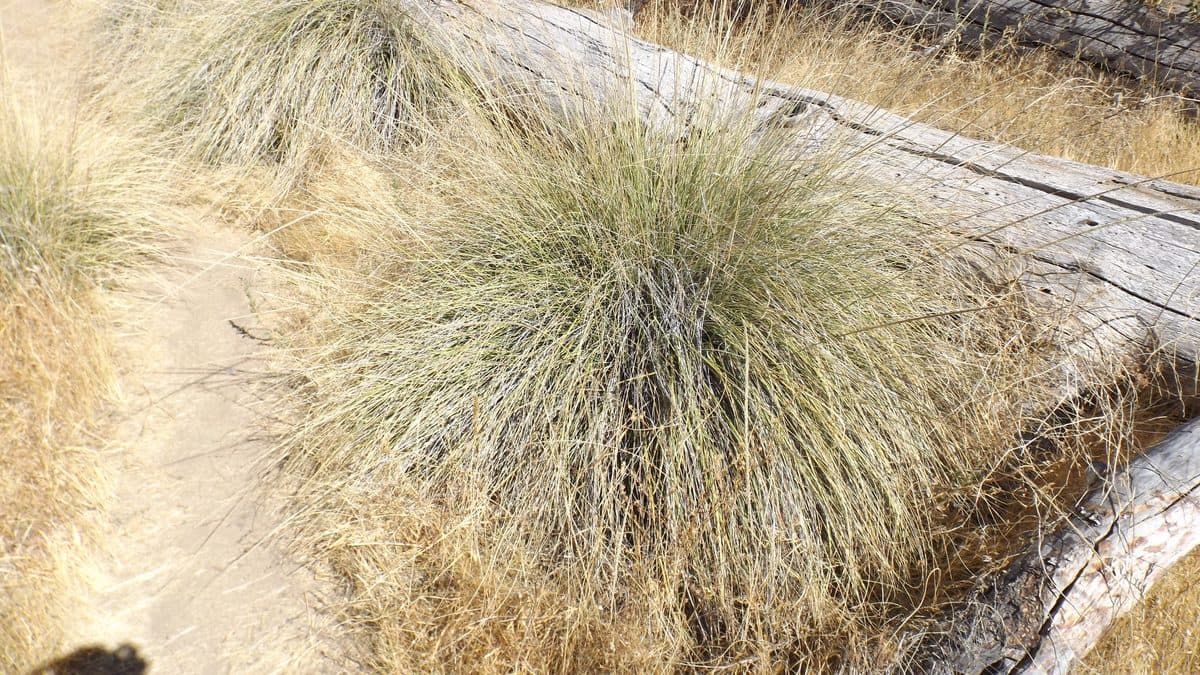
Pampas grass (Cortaderia selloana) comes from South America (NC State Extension), is listed introduced by USDA PLANTS, and is rated High on the California Invasive Plant Council inventory, the council's top category for ecological impact. Deergrass (Muhlenbergia rigens) is listed native to California by the Wildflower Center: up to about five feet, full sun, low water, flower stalks from April through August, highly deer resistant, and valued by the Xerces Society for the nesting material and structure it gives native bees (Wildflower Center). It is the same fountain shape at two thirds the height, and it stays where you put it.
Instead of oleander, plant toyon
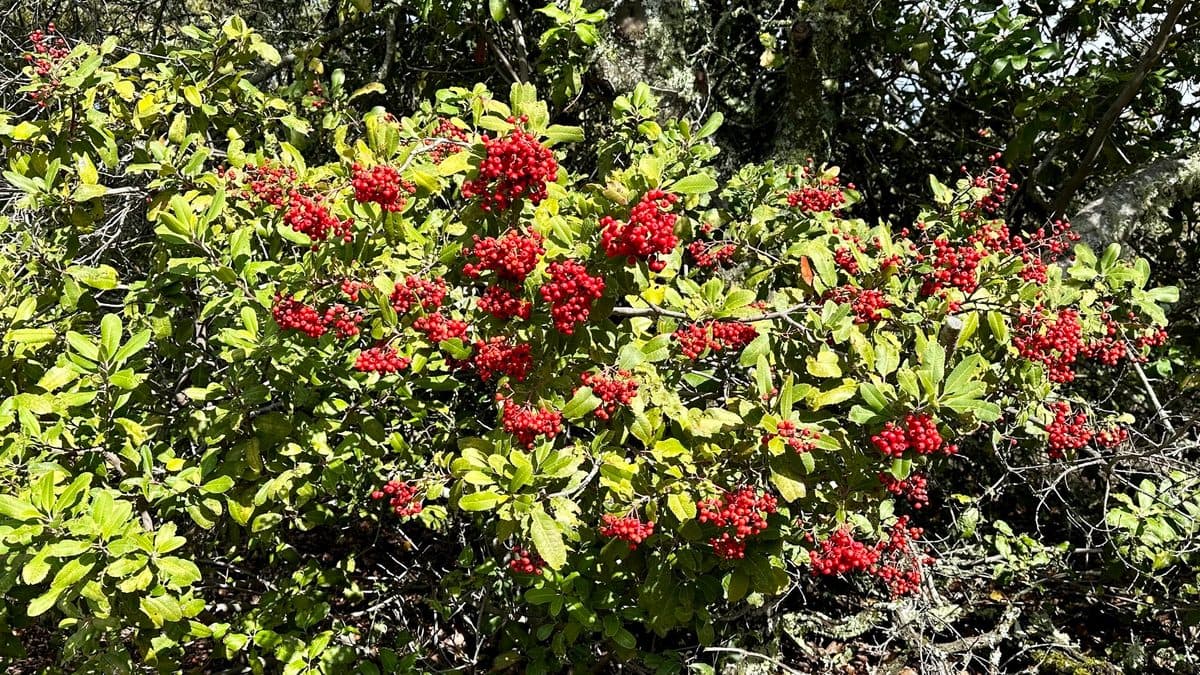
Oleander (Nerium oleander) comes from Europe and Asia (NC State Extension) and is listed introduced by USDA PLANTS. It is the freeway hedge of Southern California, and it is on the ASPCA toxic plant list for dogs, cats and horses, with cardiac glycosides as the toxic principle. If a dog has eaten any part of one, call the ASPCA Animal Poison Control Center at (888) 426-4435. Toyon (Heteromeles arbutifolia) is listed native to California by the Wildflower Center: evergreen, usually well under its 30-foot maximum, sun to part shade on dry brushy slopes and canyons, white flowers from April to August, and red berries that bring birds (Wildflower Center). It screens a fence as well as oleander does.
Instead of ice plant, plant coyote brush
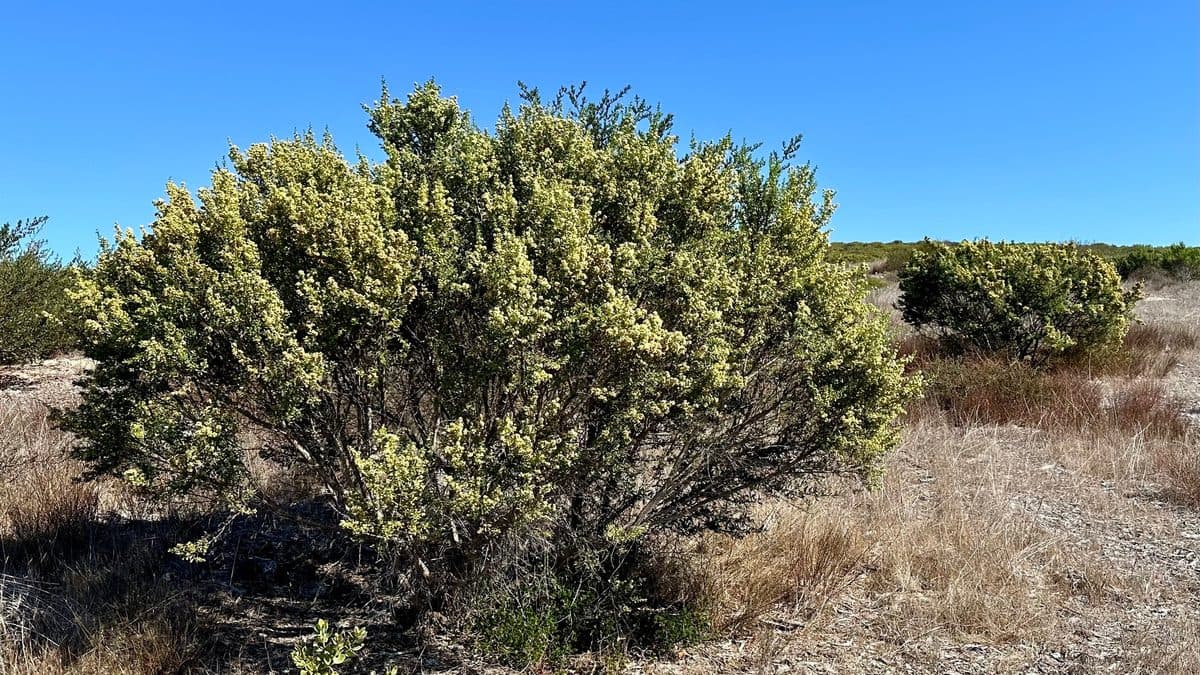
Ice plant (Carpobrotus edulis) comes from South Africa (California Invasive Plant Council), is listed introduced by USDA PLANTS, and is rated High on the Cal-IPC inventory. It was planted on slopes to hold them. Coyote brush (Baccharis pilularis) is listed native to California by the Wildflower Center: native to coastal hillsides and canyons below 2,000 feet, evergreen, full sun, low water, white flowers from July to September (Wildflower Center). Nurseries sell prostrate forms that stay under two feet for the same bank-cover job.
Willamette Valley (Portland area): three swaps for wet winters and dry summers
Portland yards get a wet winter and a dry summer, and the non-natives below handle both. Two of them handle it so well the state lists them as noxious weeds.
Instead of English laurel, plant tall Oregon grape
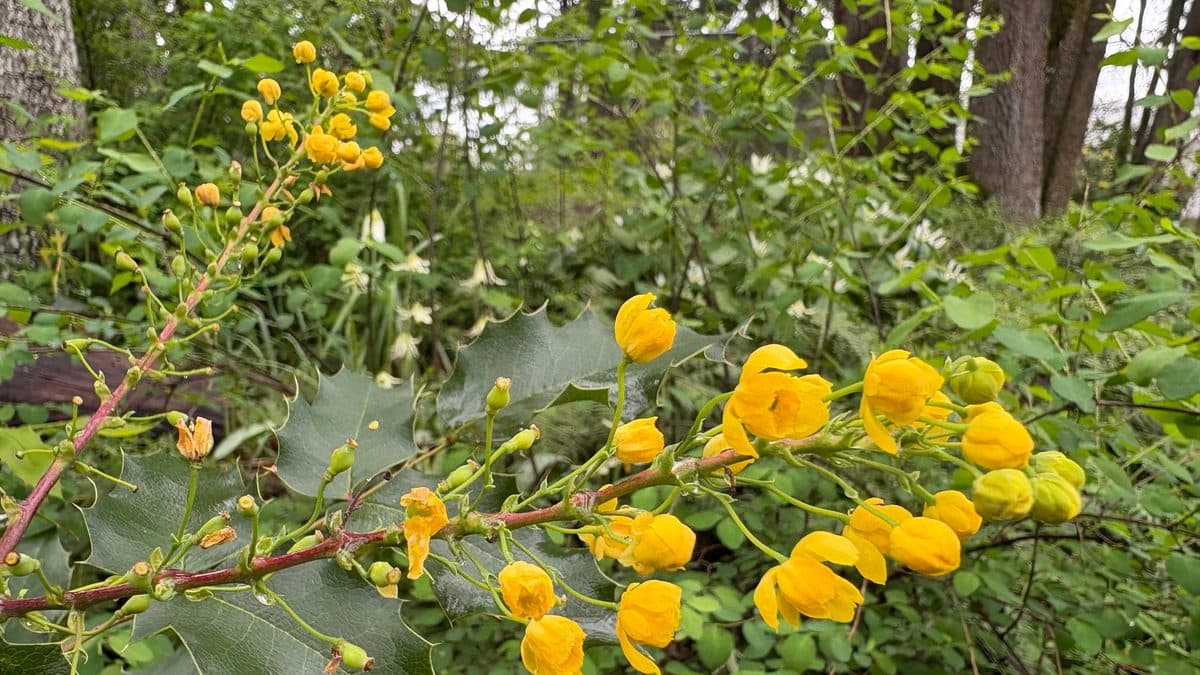
English laurel (Prunus laurocerasus) comes from Europe (NC State Extension) and is listed introduced by USDA PLANTS. It is the twelve-foot evergreen hedge on every other Portland property line, pruned twice a year to stay there. Tall Oregon grape (Mahonia aquifolium) is listed native to Oregon by the Wildflower Center: evergreen, up to about 15 feet and often shorter, part shade, low water, yellow flowers in March and April (Wildflower Center). It holds a property line with one pruning, and the holly-shaped leaves go bronze in winter.
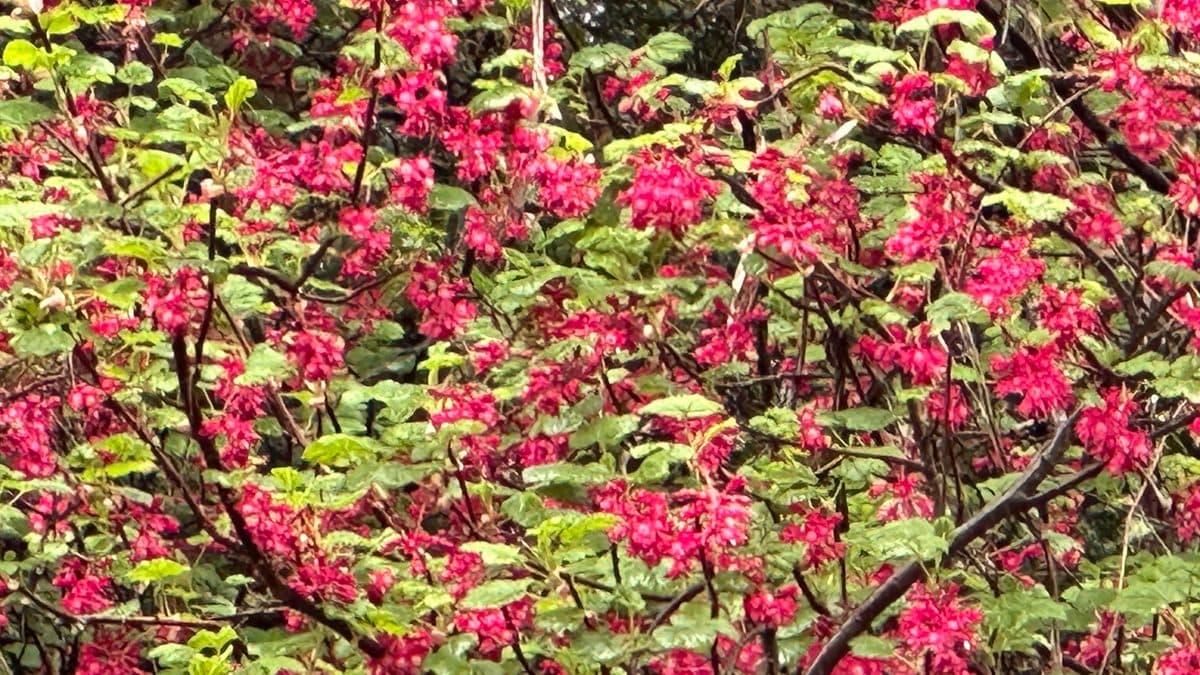
Instead of butterfly bush, plant red-flowering currant
Butterfly bush (Buddleja davidii) comes from Tibet and central and south China (NC State Extension), is listed introduced by USDA PLANTS, and is a List B noxious weed in Oregon (Oregon Department of Agriculture). It feeds adult butterflies and feeds their caterpillars nothing. Red-flowering currant (Ribes sanguineum) is listed native to Oregon by the Wildflower Center: deciduous, up to about 12 feet, sun to part shade, medium water, red flowers in March that bring hummingbirds, and the Xerces Society's note of special value to native bees (Wildflower Center). It blooms in March, when the butterfly bush is still a stick.
Instead of English ivy, plant salal
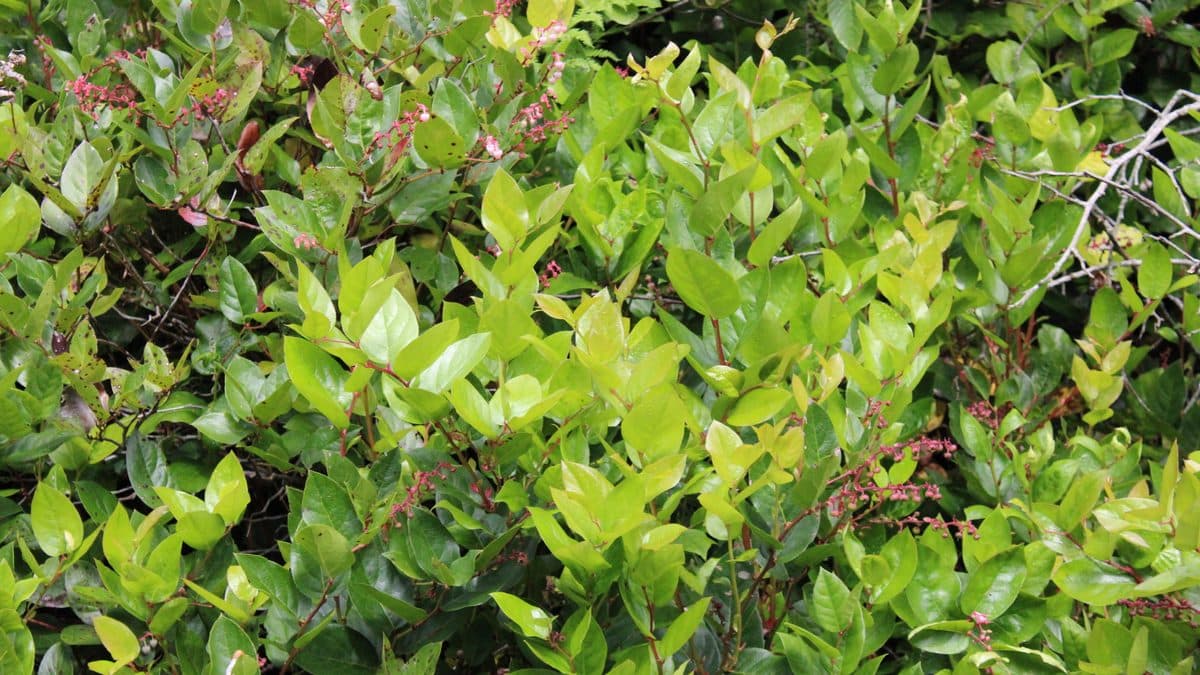
English ivy (Hedera helix) comes from Europe (NC State Extension), is listed introduced by USDA PLANTS, and is a List B noxious weed in Oregon (Oregon Department of Agriculture). It is the groundcover that climbed the tree and then pulled it over. Salal (Gaultheria shallon) is listed native to Oregon by the Wildflower Center: evergreen, up to about six feet and often shorter, sun to part shade, a plant of coastal woods, white flowers from April to June, birds and butterflies in the fruit, and a larval host for the brown elfin (Wildflower Center). It wants more water than ivy in a dry August, and it never climbs.
If your region is not one of the five
The pairs travel. The plants do not. The rule for building your own is the one used above. Name the job the plant is doing. Find a native in your own ecoregion that does it at the same size. Check that native's range on the Wildflower Center or USDA PLANTS before you buy, because a nursery tag that says native can mean native to the continent. Plant it in the same footprint with the same edge, and tell the architectural review committee, if you have one, exactly that.
Pollinator Patch does the first two steps for you: enter a ZIP and the plant list is already filtered to your ecoregion. For the HOA side, our 50-state guide to unenforceable HOA rules says which states limit what an association can require about drought-tolerant or native landscaping, and our step-by-step lawn replacement guide covers the bigger project when one swap at a time is not enough.
People also ask
What is a native swap?
A native swap is replacing one non-native yard plant with a native plant that does the same job in the same spot: the same height, the same light, the same role as hedge, shade tree, groundcover or screen. The shape of the yard stays the same. Only the species changes.
Do I have to remove the non-native plant first?
No. The easiest swap is the one you make when the old plant dies, outgrows its space, or fails in a storm. Plant the native in the same footprint and keep the same edge, and the bed never looks unfinished.
Will my HOA allow a native swap?
Read your declaration first, and ask the architectural review committee in writing if there is any doubt. Many associations treat a like-for-like replacement inside an existing bed differently from a new bed, but the recorded documents decide. Ten states, among them Texas, Florida, California and Colorado, have statutes that limit what an association can require about drought-tolerant or native landscaping. Our 50-state guide to unenforceable HOA rules covers which applies to you.
Are these plants native everywhere in the United States?
No. Each pair above is native to one ecoregion, named with its anchor city. A plant listed native to Georgia may be listed introduced in Oregon. Check the range on the Lady Bird Johnson Wildflower Center or USDA PLANTS for your own state before buying.
Want the swap list for your own ZIP?
Pollinator Patch matches native plants to your ZIP and ecoregion, then builds a front-yard plan with the right five to ten species, a layout, and a maintenance schedule you can hand to an HOA.