Quick answer: Arizona has no statute that protects native or desert-adapted landscaping from HOA rules. What it does protect is narrower: a planned community that allows natural grass cannot ban artificial turf on your lot (A.R.S. §33-1819), and an association cannot prohibit a solar energy device (A.R.S. §33-1816). Living plants, including agave, cactus, and drought-tolerant natives, still run through your HOA's architectural review.
A lot of Arizona homeowners believe there is a state law that forces HOAs to allow xeriscaping. There isn't. The most common version of this myth points to A.R.S. §33-1808 (opens in new tab), but that statute covers flags and political signs, not landscaping. If you are planning a low-water front yard, it helps to know exactly where Arizona law gives you leverage and where it does not.
This page separates the two things Arizona actually protects from the much larger area your HOA still controls. It is not a script for fighting your board. In most cases, knowing the real rules is enough to submit a plan that gets approved.
What Arizona law actually protects
Two provisions in the Arizona Planned Communities Act give homeowners real, specific rights. Neither one is about native plants.
Artificial turf: A.R.S. §33-1819
If your planned community permits natural grass on a lot, it cannot ban artificial turf on that same lot. The association may set reasonable rules on installation quality and appearance, but only to the extent those rules do not prevent turf "in the same manner natural grass would be allowed." Rules about where turf can go or how much of the lot it covers can only match the limits placed on natural grass.
"A community document shall not prohibit the use of artificial grass or turf... on a lot on which natural grass or turf is permitted."
This applies to planned communities, not condominiums. So this is the clearest lever a homeowner has: if grass is allowed on your lot, so is artificial turf. (Read the full text at A.R.S. §33-1819 on azleg.gov (opens in new tab).)
Solar devices: A.R.S. §33-1816
An association cannot prohibit you from installing or using a solar energy device. It may adopt reasonable placement rules, but only if those rules do not prevent the installation, impair its function, or adversely affect its cost or efficiency.
"Notwithstanding any provision in the community documents, an association shall not prohibit the installation or use of a solar energy device as defined in section 44-1761."
This matters for low-water yards more than it looks. Solar screens, panels, and shade structures often pair with a landscaping conversion, and this statute keeps the HOA from blocking the solar side of the project. (Read the full text at A.R.S. §33-1816 on azleg.gov (opens in new tab).)
What Arizona does NOT protect
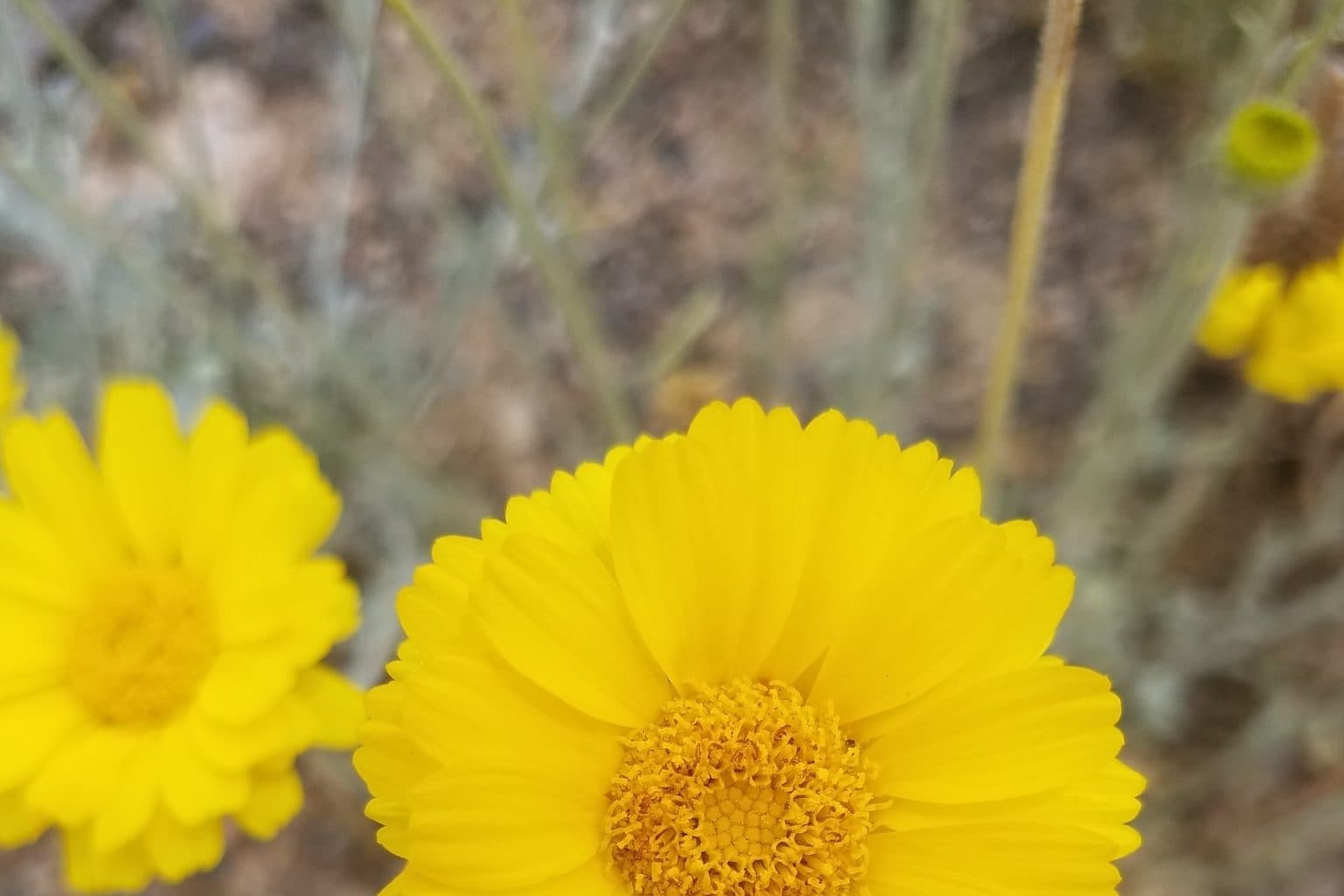
This is where the myth does real damage. There is no Arizona statute that shields living native or drought-tolerant plants from HOA aesthetic rules. Agave, ocotillo, desert marigold, a mesquite tree, a gravel-and-cactus front yard: none of these have statutory protection from your covenants the way artificial turf and solar do.
Living-plant landscaping in Arizona runs through two general provisions instead:
- A.R.S. §33-1817 (opens in new tab) lets an association require design and architectural review for changes to a lot. Your HOA can require you to submit a landscaping plan and get it approved before you plant.
- A.R.S. §33-1803 (opens in new tab) and general Arizona covenant law require that an association's rules and enforcement be reasonable. A board cannot enforce arbitrarily or single you out, but "reasonable" still leaves plenty of room to require a conventional-looking yard.
So the honest picture is this. Arizona protects your right to rip out grass for artificial turf and your right to install solar. It does not hand you a right to a native or desert-adapted living-plant yard. That still needs HOA approval, and a well-documented plan is how you get it. For the deeper version of this question, see can an Arizona HOA ban xeriscaping?
What your HOA can still require
Even for the things Arizona does protect, oversight does not disappear. Your HOA can still enforce:
- Architectural review and pre-approval of landscaping plans under A.R.S. §33-1817
- General maintenance standards (no dead plants, no overgrown or neglected areas)
- Reasonable installation and appearance rules for artificial turf, within the limits of §33-1819
- Reasonable placement of solar devices, within the limits of §33-1816
- Plant height limits near sidewalks, streets, or sight lines
- Rules about gravel type, edging, borders, and hardscape
- Setback requirements from property lines
The distinction that matters: Arizona law protects specific things (turf, solar) and a general standard (reasonableness). It does not carve out native plants. Your best path is a plan that looks intentional and maintained, not a claim that the state forces your HOA to accept any desert planting.
There is also money on the table. Several Arizona water providers pay homeowners to replace grass with low-water landscaping. See current Arizona rebate programs by city before you plan your conversion.
How to respond when cited for a landscaping rule
Most of these situations resolve before they become a real dispute. Four steps, in order:
- 1Ask for the rule in writing.Request the specific covenant or community-document section your HOA is citing. If the citation is about artificial turf or solar, A.R.S. §33-1819 or §33-1816 may limit what the board can enforce. If it is about living plants, you are in architectural-review territory instead.
- 2Match your claim to the right statute.For an artificial-turf denial, cite A.R.S. §33-1819 and note that grass is permitted on your lot. For solar, cite A.R.S. §33-1816. Do not claim a native-plant right that does not exist. Overclaiming a nonexistent statute weakens your credibility with the board.
- 3Submit a plan proactively.For living-plant landscaping, architectural review under A.R.S. §33-1817 is the real gate. Submitting a detailed plan before you start removes most friction. A plant list, a simple layout, and a maintenance schedule give the committee something to approve rather than something to question.
- 4Make the yard look maintained.HOAs have more room to push back if a yard looks neglected, regardless of what is planted. Clean gravel, defined bed edges, and healthy, upright plants reduce the visual ammunition for complaints and make a desert-adapted design read as intentional.
When to involve a lawyer
Most of these situations do not require legal help. Consider talking to an attorney if:
- Your HOA is denying artificial turf after you have cited A.R.S. §33-1819 in writing and grass is permitted on your lot
- They are blocking a solar device in a way that appears to violate A.R.S. §33-1816
- They are threatening a fine or a lien on your property
- You submitted a landscaping plan, addressed visual concerns, and they are still rejecting it without citing a specific enforceable provision
A real estate attorney who handles Arizona HOA disputes can usually resolve a turf or solar denial with one letter. It is worth one consultation before assuming you have to comply.
This is not legal advice.
We are a gardening app, not lawyers. This post summarizes publicly available Arizona law as of 2026. Your HOA's specific community documents, your city's ordinances, and your situation are all unique. If you are facing fines or legal threats, talk to a real estate attorney in your area.
People also ask
Does Arizona have a law protecting xeriscaping from HOAs?
No. This is a common myth, often attributed to A.R.S. §33-1808, but that statute covers flags and political signs, not landscaping. Arizona has no statute that protects native or drought-tolerant living plants from HOA aesthetic rules. What it does protect is artificial turf on a lot where grass is allowed (A.R.S. §33-1819) and solar energy devices (A.R.S. §33-1816). Living-plant landscaping still goes through the HOA's architectural review under A.R.S. §33-1817.
Can an Arizona HOA ban artificial turf?
Not if the community permits natural grass on that lot. A.R.S. §33-1819 says a community document cannot prohibit artificial turf on a lot where natural grass is allowed. The HOA can set reasonable installation and appearance rules, but only to the extent that they do not prevent turf the same way natural grass would be permitted. This applies to planned communities, not condominiums.
Can an Arizona HOA stop me from installing solar panels?
No. A.R.S. §33-1816 says an association cannot prohibit the installation or use of a solar energy device. It may adopt reasonable placement rules, but only if those rules do not prevent the installation, impair its function, or adversely affect its cost or efficiency. An HOA cannot use general architectural-review authority as a backdoor ban on solar.
Can an Arizona HOA make me keep a grass lawn?
Possibly, for living plants. Arizona has no statute forcing HOAs to accept a native or low-water living-plant yard, so a covenant requiring grass can be enforceable. But you have a separate right under A.R.S. §33-1819 to replace that grass with artificial turf on a lot where grass is permitted. If you want a living desert-adapted yard instead, that runs through architectural review under A.R.S. §33-1817, where a documented plan is your best tool.
What is A.R.S. §33-1808 and does it protect landscaping?
A.R.S. §33-1808 is the Arizona Planned Communities Act provision on the display of flags, political signs, and related items. It does not mention xeriscaping, native plants, or landscaping of any kind. If someone tells you §33-1808 protects your right to a desert yard, they are citing the wrong statute. The landscaping-adjacent protections are A.R.S. §33-1819 (artificial turf) and A.R.S. §33-1816 (solar).
Do Arizona HOA rules apply to the backyard too?
Usually the enforcement that matters is what is visible from the street, but the covenants and architectural review under A.R.S. §33-1817 can apply to the whole lot. Many community documents apply looser standards behind a fence. If your backyard is visible from a street, alley, or common area, expect similar scrutiny to the front. Check your specific community documents for how they define the regulated area.
Planning a low-water yard in Arizona?
Pollinator Patch helps you build a desert-adapted plant plan with the documentation HOA architectural review committees respond to. Plant list, layout, and maintenance schedule, all printable.