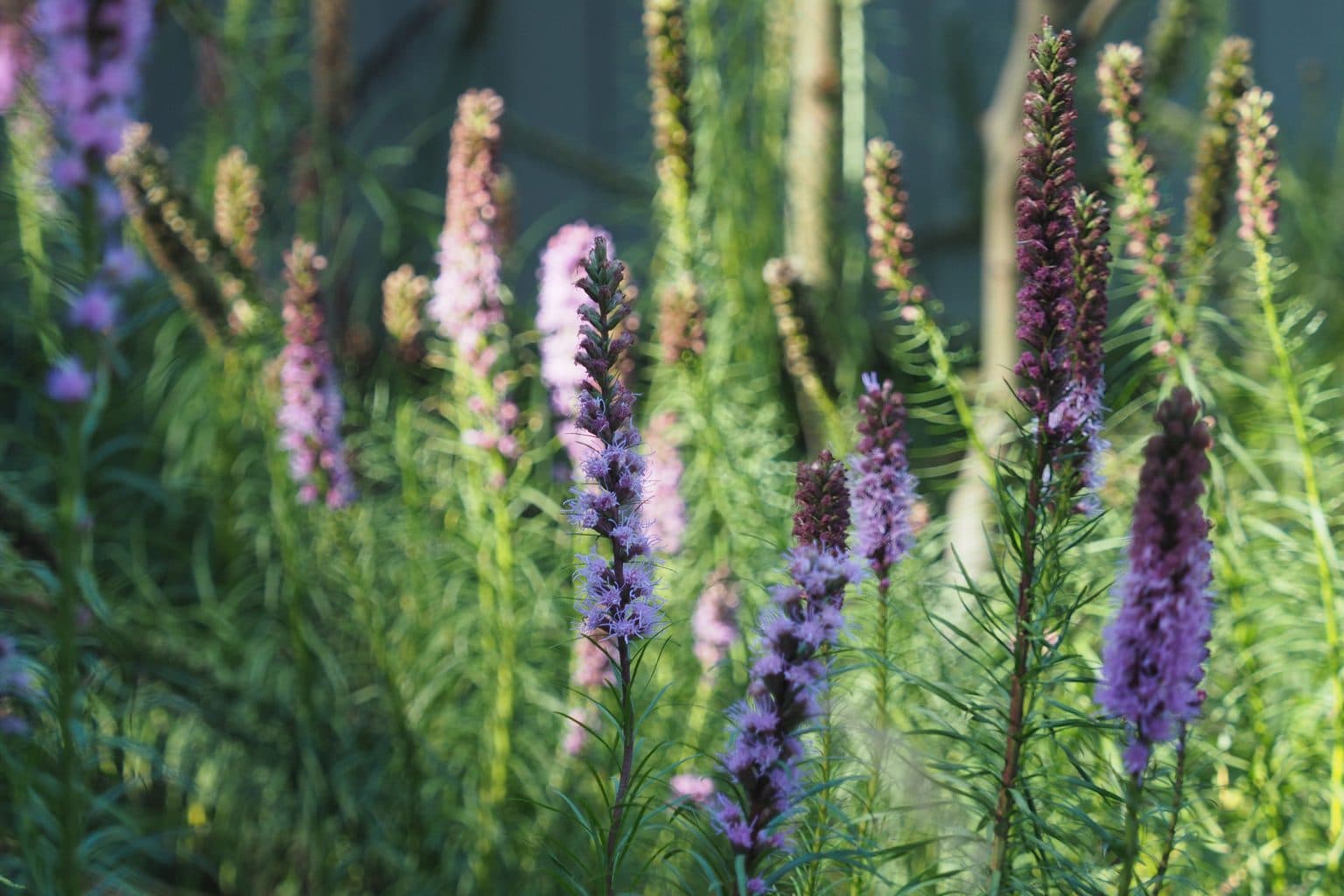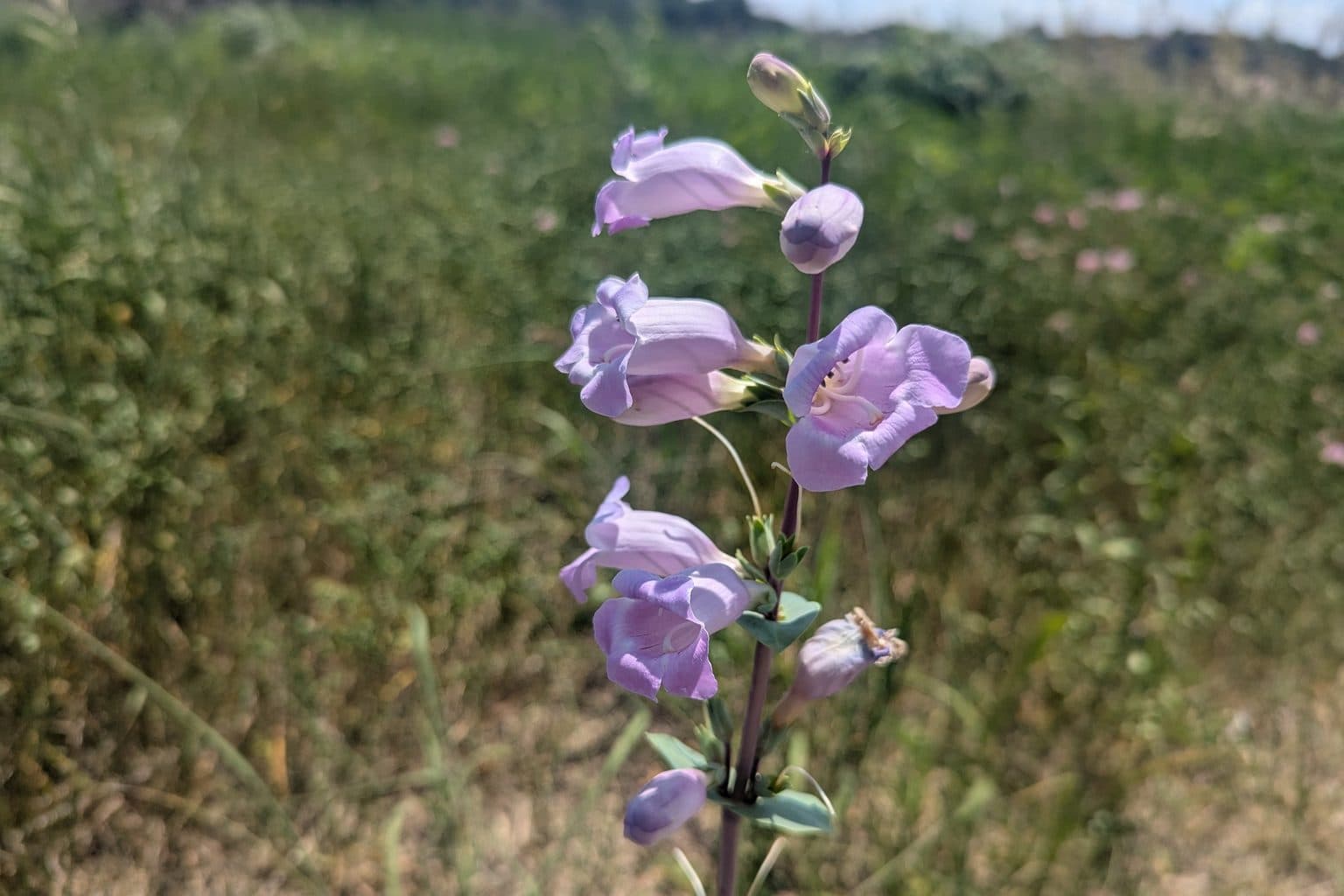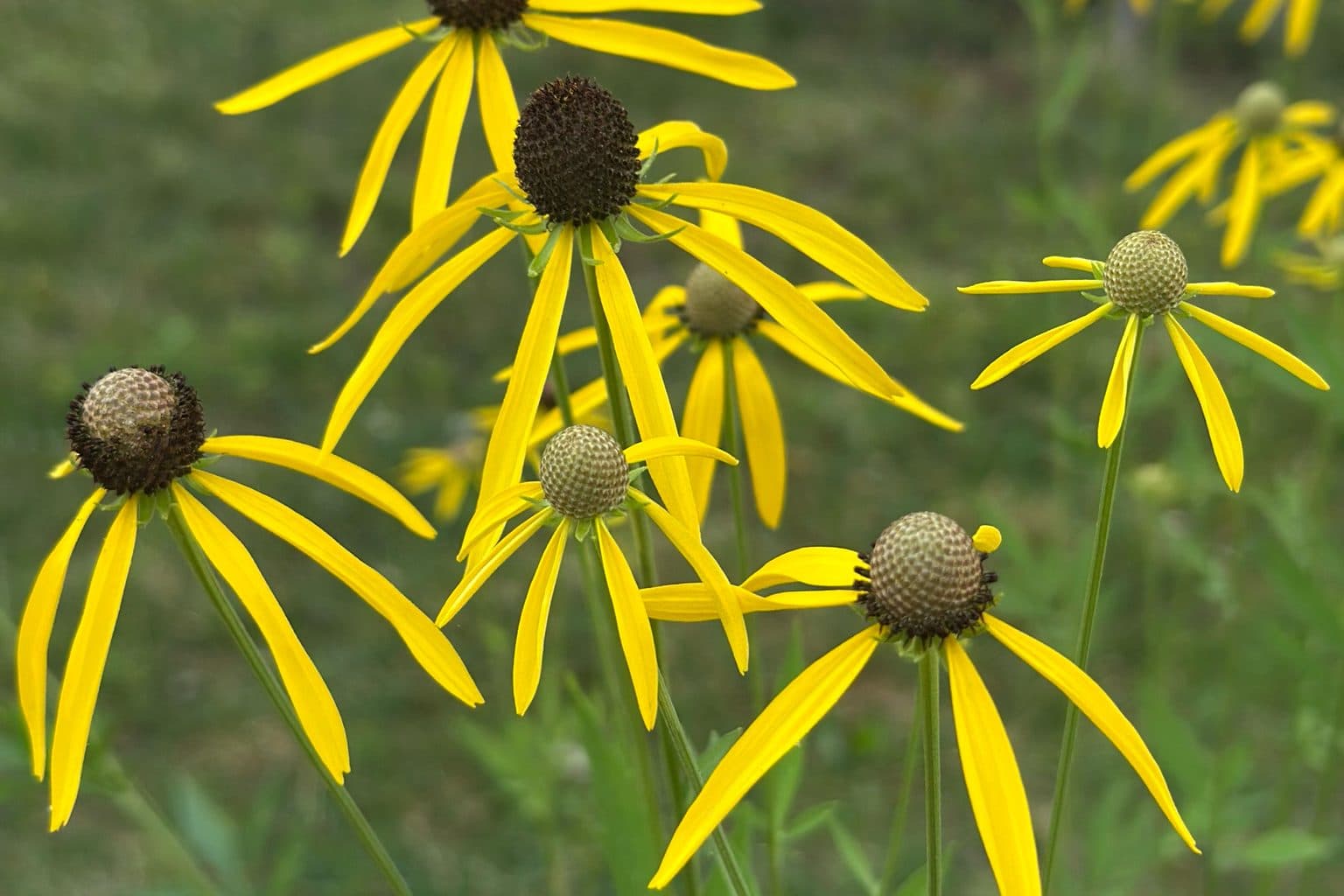
Quick answer: The main unenforceable Illinois HOA landscaping rule is a complete ban on native plants. The Illinois Homeowner's Native Landscaping Act (765 ILCS 167/ (opens in new tab)), effective July 2024, bars community associations from completely prohibiting residents from planting Illinois native species, as long as the area is maintained and kept free of weeds, invasive species, and trash, and does not extend onto neighboring or common property.
An HOA letter can feel final. It cites a line in your covenants and it seems like the only option is to pull out the native bed. But Illinois passed a native-landscaping protection law in 2024, and most homeowners have never heard of it. State law overrides certain covenant provisions, regardless of when your association's documents were recorded.
This page covers what Illinois law protects, and the real limits on that protection, because this statute is narrower than the xeriscape laws in some other states. It is not an invitation to fight your HOA. Most of these situations resolve without conflict once homeowners understand what the statute actually says.
The law that matters most
765 ILCS 167/ (Homeowner's Native Landscaping Act)
Effective July 19, 2024. It makes it unlawful for an Illinois community association to completely prohibit a resident or owner from planting or growing Illinois native species. The protection is conditional: the native landscape must be intentionally maintained, kept predominantly free of weeds, invasive species, and trash, and must not extend onto neighboring lots or public and common areas.
A "native landscape" is defined as an intentionally maintained area of trees, shrubs, vines, ferns, flowers, forbs, sedges, grasses, and other plants composed mainly of Illinois native species.
The key word is "completely." The Act stops a blanket ban on native plants. It does not strip an HOA of the power to regulate landscaping in reasonable ways, which is why the limits below matter as much as the protection.
Specific rules with legal limits
A complete ban on native plants
A covenant or rule that flatly prohibits native species, or treats any native planting as a violation, is unenforceable under 765 ILCS 167/. This is the core of the law. An HOA cannot tell you that natives are simply not allowed.
Rejecting natives purely because they are "not turf"
Because a complete prohibition is barred, an HOA cannot deny a native landscape solely on the grounds that it is not a conventional lawn. The plants being native is not, by itself, a valid reason for rejection.
Covenants recorded before 2024
The Act applies regardless of when your covenants were recorded. If your documents predate the law and completely prohibit native landscaping, that prohibition is unenforceable. State law overrides the older document.
What your HOA can still require
This is where the Illinois law is narrower than the xeriscape statutes in some other states. The Act protects native plants from a complete ban, but it explicitly preserves the HOA's right to regulate. Your HOA can still enforce:
- That the native landscape is intentionally maintained and kept predominantly free of weeds, invasive species, and trash
- That vegetation does not extend onto neighboring lots, sidewalks, streets, or common areas
- That plantings do not interfere with traffic sight lines or utilities
- Reasonable design and placement standards short of a complete prohibition
- Pre-approval for landscaping changes through architectural review
- Edging, borders, and general neatness
The distinction matters more here than almost anywhere. Your HOA cannot ban natives. It can absolutely require that your native garden look intentional and tended, and a neglected-looking bed is the one most likely to draw an enforceable complaint.
On top of that, several Illinois programs help fund native and rain-garden plantings. See current Illinois rebate programs before you start planning, and for the pollinator angle the law was written around, see how to attract monarchs with native plants.
How to respond when cited for an unenforceable rule
Most situations like this resolve before they become a real dispute. Four steps, in order:
- 1Ask for the rule in writing.Request the specific covenant section your HOA is citing. Vague verbal warnings are not violations. With the exact provision in hand, you can check whether it amounts to a complete ban on natives.
- 2Cite the Act politely and in writing.A short written response noting that your planting is an Illinois native landscape protected under 765 ILCS 167/ puts your position on record. Many boards are unaware of the law and back down once it is cited directly.
- 3Show that you meet the conditions.The protection depends on the bed being tended, weed and invasive free, and contained on your lot. A simple plant list and maintenance plan demonstrates you meet the statute's conditions. See our HOA landscape plan template.
- 4Keep the garden tidy and contained.Because the HOA can still enforce maintenance and containment, clean edges, no spillover onto sidewalks, and no weeds are what keep your protection solid. Our guide on responding to HOA violation letters covers the full approach.
When to involve a lawyer
Most of these situations do not require legal help. Consider talking to an attorney if:
- Your HOA is fining you for native plants after you have cited 765 ILCS 167/ in writing and met the maintenance conditions
- They are threatening a lien on your property
- They are using a maintenance pretext to enforce what is really a complete ban on natives
An Illinois real estate attorney who handles HOA disputes can usually resolve this with one letter. It is worth one consultation before assuming you have to comply.
This is not legal advice.
We are a gardening app, not lawyers. This post summarizes publicly available Illinois law as of 2026. Your HOA's specific covenants, your local ordinances, and your situation are all unique. If you are facing fines or legal threats, talk to a real estate attorney in your area.
People also ask
What HOA landscaping rules are unenforceable in Illinois?
Under the Homeowner's Native Landscaping Act (765 ILCS 167/), a community association cannot completely prohibit a resident from planting Illinois native species, as long as the native landscape is maintained, kept free of weeds, invasive species, and trash, and does not extend onto neighboring or common property.
Can an Illinois HOA still regulate my native garden?
Yes. The Act bars a complete prohibition on natives, but it preserves the HOA's right to require that the garden be tended, weed and invasive free, contained on your lot, and not interfere with traffic or utilities. It is narrower than the xeriscape laws in some other states.
When did the Illinois Homeowner's Native Landscaping Act take effect?
It took effect July 19, 2024. It applies to Illinois community associations regardless of when their governing documents were recorded.
What counts as a native landscape under Illinois law?
The Act defines a native landscape as an intentionally maintained area of trees, shrubs, vines, ferns, flowers, forbs, sedges, grasses, and other plants composed mainly of Illinois native species.
Planning a native garden in Illinois?
Pollinator Patch helps you build an Illinois native plant plan with the documentation HOA boards respond to. Plant list, layout, and maintenance schedule, all printable.