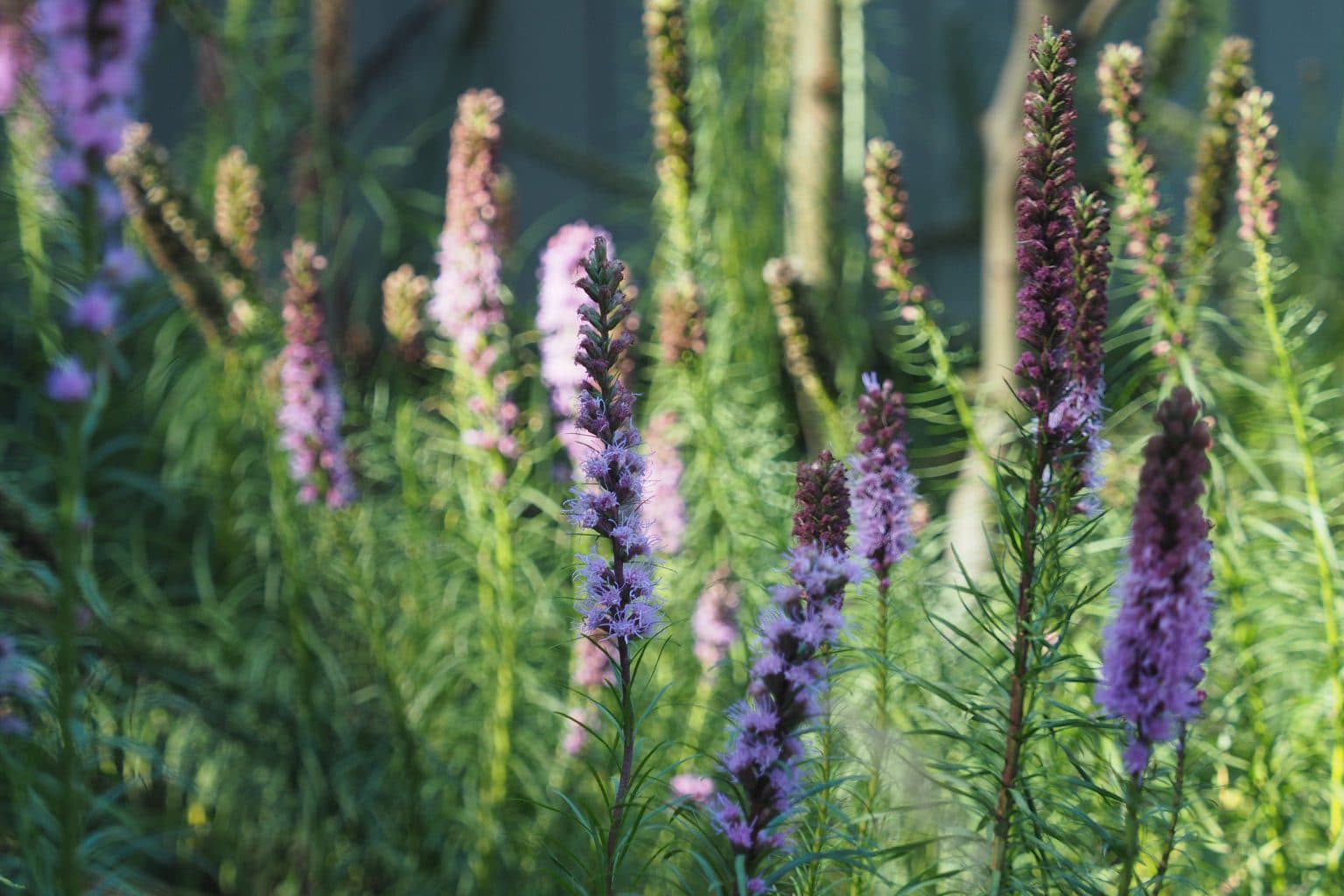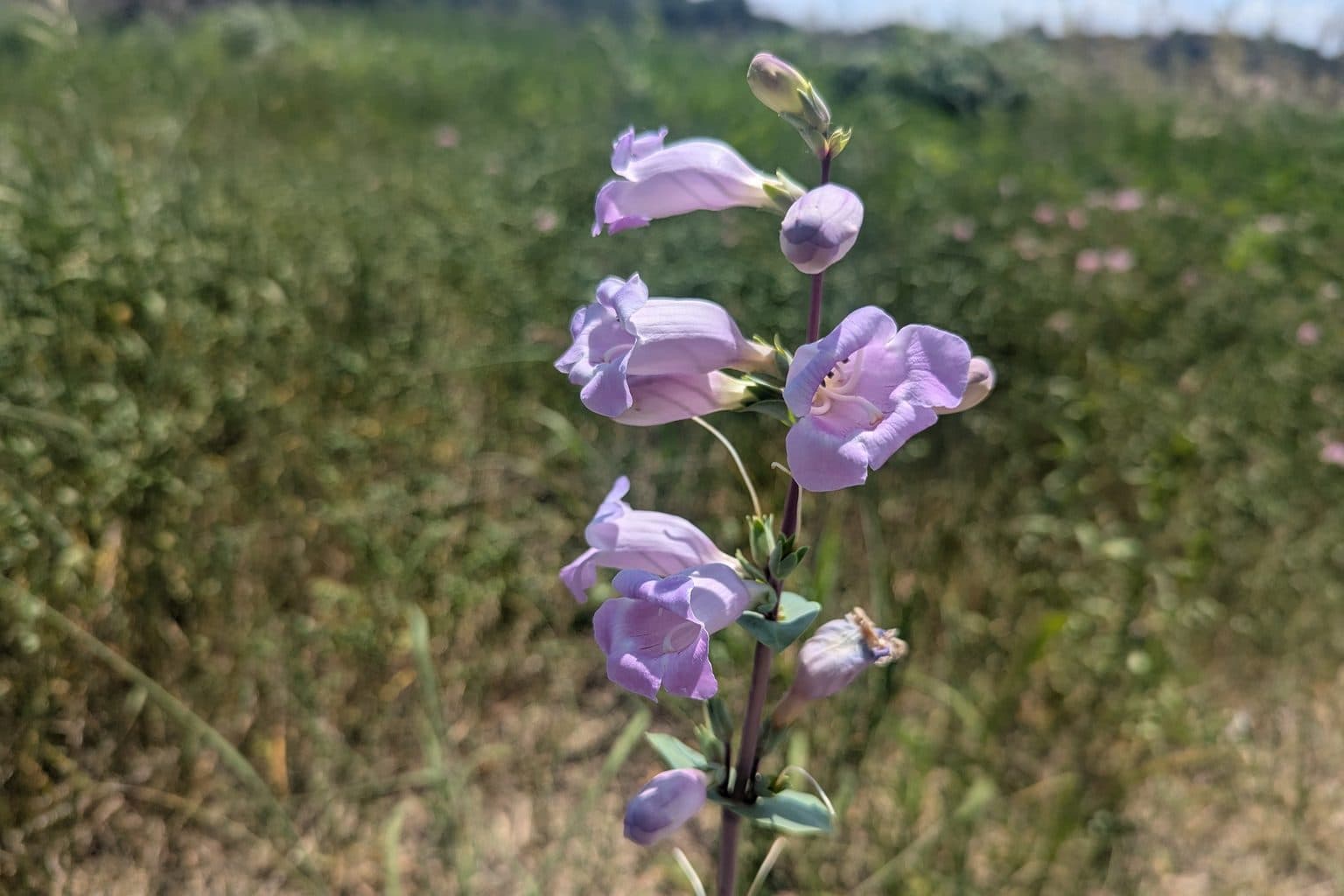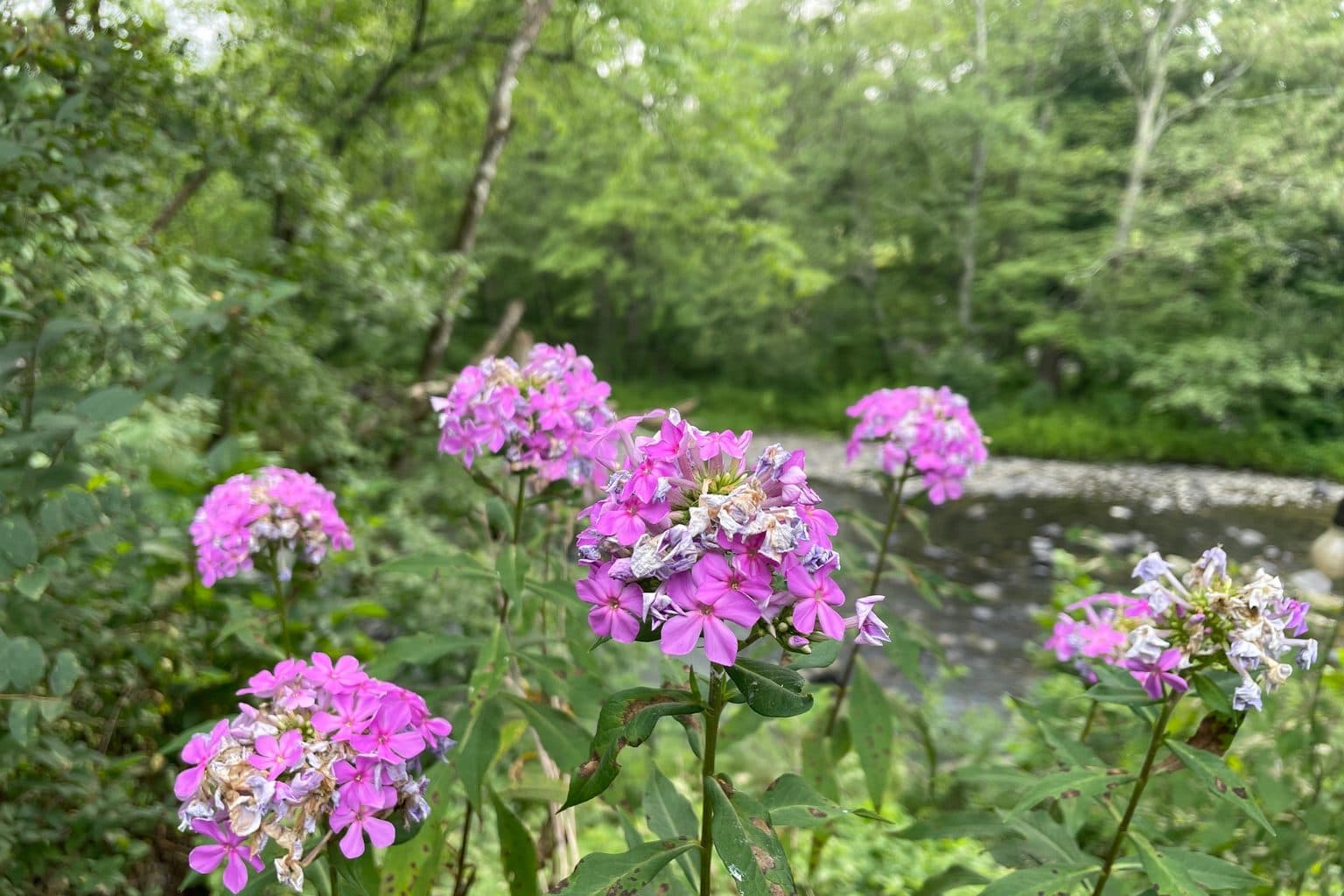
Quick answer: The most commonly unenforceable Maryland HOA landscaping rules are: requiring turf grass, banning pollinator gardens or rain gardens, and placing unreasonable limits on xeriscaping. Maryland's low-impact landscaping law (HB 322, 2021), codified at Real Property §2-125 (opens in new tab), bars HOAs from imposing unreasonable limitations on low-impact landscaping or from requiring that cultivated vegetation consist of turf grass.
An HOA letter can feel final. It cites a line in your covenants and it seems like the only option is to tear out the pollinator bed and lay sod. But Maryland passed one of the strongest homeowner-landscaping laws in the country, and most homeowners have never heard of it. State law overrides certain covenant provisions, regardless of when your HOA's documents were recorded.
This page covers the specific landscaping rules that Maryland law limits or prohibits. It is not an invitation to fight your HOA. Most of these situations resolve without conflict once homeowners understand what the statute actually says.
The law that matters most
Maryland Real Property §2-125 (HB 322, 2021)
The low-impact landscaping law, enacted as Chapter 368 and effective October 1, 2021. It prohibits a recorded covenant or HOA rule from imposing unreasonable limitations on low-impact landscaping, and it specifically bars a requirement that cultivated vegetation consist in whole or in part of turf grass. It passed the Maryland Senate unanimously.
The law defines low-impact landscaping as techniques that conserve water, lower maintenance costs, provide pollution prevention, and create wildlife habitat, including rain gardens, pollinator gardens, and xeriscaping.
"Unreasonable limitations" is defined to include restrictions that significantly increase the cost of low-impact landscaping or decrease its efficiency, as well as any rule requiring turf grass. That is a broad protection: it reaches not just outright bans but also rules designed to make a native or pollinator garden impractical.
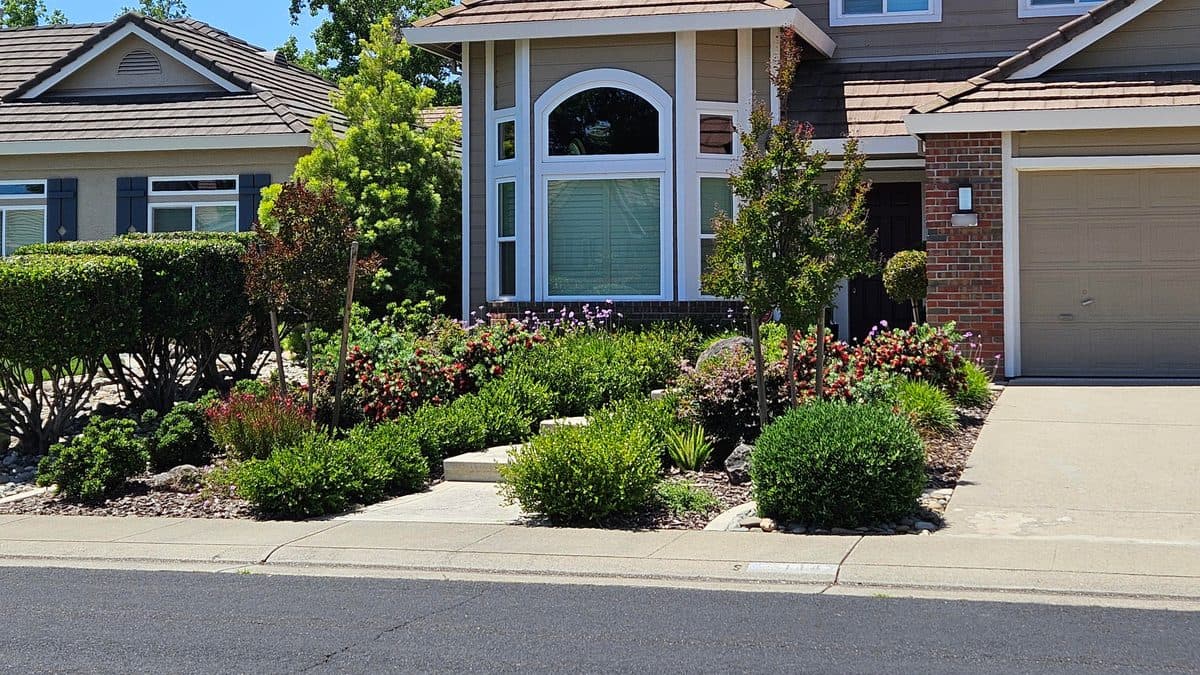
Specific rules with legal limits
Requiring turf grass
If your covenants say your yard must be turf grass, that requirement is unenforceable under §2-125. The statute names turf-grass mandates directly as the kind of unreasonable limitation it prohibits. This is the clearest case in the law.
Banning pollinator gardens or rain gardens
Pollinator gardens and rain gardens are named examples of protected low-impact landscaping. A covenant that prohibits them, or treats a maintained pollinator bed as a violation, runs into §2-125 directly.
Unreasonable limits on xeriscaping
Xeriscaping is also a named technique. An HOA cannot impose conditions that significantly raise the cost or reduce the efficiency of a xeriscape conversion, because that is the definition of an unreasonable limitation under the statute.
Rules that make low-impact landscaping impractical
Because the law reaches limitations that "significantly increase the cost or decrease the efficiency" of low-impact landscaping, an HOA cannot use indirect rules, such as requiring expensive materials or designs only turf could avoid, to make a native conversion unworkable. The substance of the rule matters, not just its label.
Covenants recorded before 2021
Section 2-125 applies regardless of when your covenants were recorded. If your documents predate the law and include a provision requiring turf grass or banning low-impact landscaping, that provision is unenforceable. State law overrides the older document.
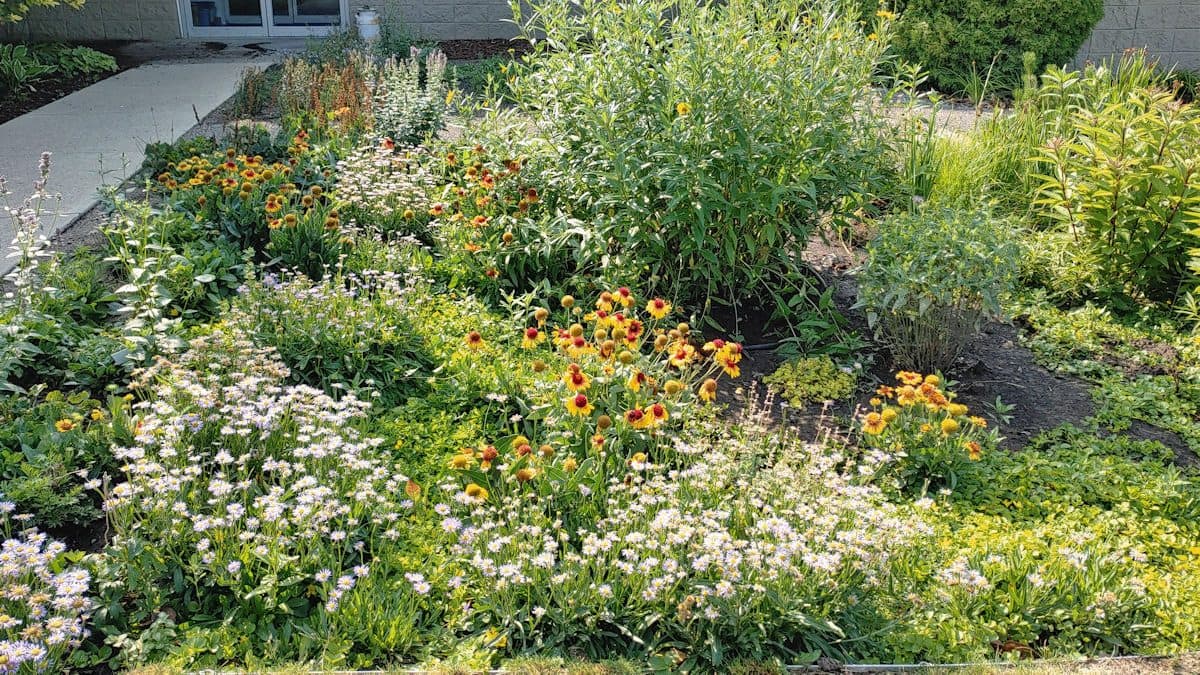
What your HOA can still require
The statute protects low-impact landscaping. It does not remove HOA oversight, and it specifically conditions the protection on the homeowner maintaining the landscaping. Your HOA can still enforce:
- Regular maintenance of the low-impact landscaping (the statute requires the owner to tend it)
- General neatness standards (no dead plants, no overgrown or weedy areas)
- Reasonable aesthetic and design review
- Edging, borders, and clean separation between beds and hardscape
- Plant height limits near sidewalks, streets, or sight lines
- Setback requirements from property lines
The distinction matters. Your HOA can require your pollinator garden to look tended and intentional. It cannot require that you replace it with a lawn.
On top of that, Maryland and several counties offer rebates and credits that help pay for rain gardens and conservation landscaping. See current Maryland rebate programs before you start planning.
How to respond when cited for an unenforceable rule
Most situations like this resolve before they become a real dispute. Four steps, in order:
- 1Ask for the rule in writing.Request the specific covenant section your HOA is citing. Vague verbal warnings are not violations. With the exact provision in hand, you can check whether it conflicts with §2-125.
- 2Cite §2-125 politely and in writing.A short written response noting that your landscaping is low-impact and protected under Maryland Real Property §2-125 puts your position on record. Many boards are unaware of the law and back down once it is cited directly.
- 3Submit a plan proactively.If you are planning a conversion and your HOA requires pre-approval, submitting a detailed plan first removes most friction. A plant list, simple layout, and maintenance schedule gives the committee something to approve rather than question. See our HOA landscape plan template.
- 4Keep the garden tended.The statute protects low-impact landscaping only when the owner maintains it. Clean edges, mulched beds, and upright, cared-for plants both satisfy the law and reduce the visual ammunition for complaints. Our guide on responding to HOA violation letters covers the full approach.
When to involve a lawyer
Most of these situations do not require legal help. Consider talking to an attorney if:
- Your HOA is fining you after you have cited §2-125 in writing
- They are threatening a lien on your property
- You submitted a plan, addressed maintenance concerns, and they are still rejecting it without citing a specific enforceable provision
A Maryland real estate attorney who handles HOA disputes can usually resolve this with one letter. It is worth one consultation before assuming you have to comply.
This is not legal advice.
We are a gardening app, not lawyers. This post summarizes publicly available Maryland law as of 2026. Your HOA's specific covenants, your local ordinances, and your situation are all unique. If you are facing fines or legal threats, talk to a real estate attorney in your area.
People also ask
What HOA landscaping rules are unenforceable in Maryland?
Under Maryland Real Property §2-125 (HB 322, 2021), HOAs cannot require turf grass, ban pollinator gardens or rain gardens, or place unreasonable limitations, including cost or efficiency burdens, on low-impact landscaping such as xeriscaping.
Can a Maryland HOA require a turf grass lawn?
No. Section 2-125 specifically bars a requirement that cultivated vegetation consist in whole or in part of turf grass. A covenant mandating a grass lawn is unenforceable under the low-impact landscaping law.
Does Maryland protect pollinator gardens from HOAs?
Yes. Pollinator gardens and rain gardens are named examples of low-impact landscaping protected by §2-125. An HOA cannot prohibit a maintained pollinator garden, though it can require that you keep it tended.
What is Maryland HB 322?
HB 322 (2021) is Maryland's low-impact landscaping law, enacted as Chapter 368 and codified at Real Property §2-125, effective October 1, 2021. It prohibits HOAs from imposing unreasonable limitations on low-impact landscaping or requiring turf grass.
Does the law apply to covenants written before 2021?
Yes. Real Property §2-125 applies regardless of when your covenants were recorded. A pre-2021 provision that requires turf grass or bans low-impact landscaping is unenforceable, because state law overrides the older document.
Planning a pollinator or rain garden in Maryland?
Pollinator Patch helps you build a Maryland native plant plan with the documentation HOA boards respond to. Plant list, layout, and maintenance schedule, all printable.