Quick answer: North Carolina does not have a native-plant or xeriscape law that overrides HOA landscaping rules. It does have two narrow statutes worth knowing: N.C.G.S. §22B-20 makes any covenant that prohibits a solar collector "void and unenforceable," and N.C.G.S. §47F-3-122 blocks an HOA from forcing you to irrigate during a declared drought unless the covenant specifically requires it. Living native and pollinator plantings themselves are not protected by statute in North Carolina; they run through the Planned Community Act (N.C.G.S. Chapter 47F) and your covenants.
A lot of what circulates online about North Carolina HOA rights is either wrong or borrowed from another state's law. Texas and California both have statutes that protect water-conserving and native landscaping from HOA bans. North Carolina does not. Being clear about that is more useful than repeating a protection that does not exist, because it points you at the leverage you actually have.
This page covers what North Carolina law does and does not limit for HOA landscaping, the two real statutes that give you leverage, and how to respond when your HOA cites a rule.
The honest starting point: no native-plant statute
There is no North Carolina law that says an HOA cannot ban native plants, pollinator gardens, or drought-tolerant landscaping. If your covenants require turf grass or restrict what you can plant in the front yard, those provisions are generally enforceable under the North Carolina Planned Community Act (N.C.G.S. Chapter 47F), which governs planned communities created on or after January 1, 1999.
That does not mean you have no room to work. It means your leverage comes from the covenants themselves, from how the architectural review committee applies them, and from the two narrow statutes below, rather than from a blanket state protection for native plants.
The two North Carolina statutes that do limit HOAs
North Carolina has protected solar and blocked forced irrigation during droughts. Both are narrow, but both are real and both are in the General Statutes.
N.C.G.S. §22B-20 (solar collectors)
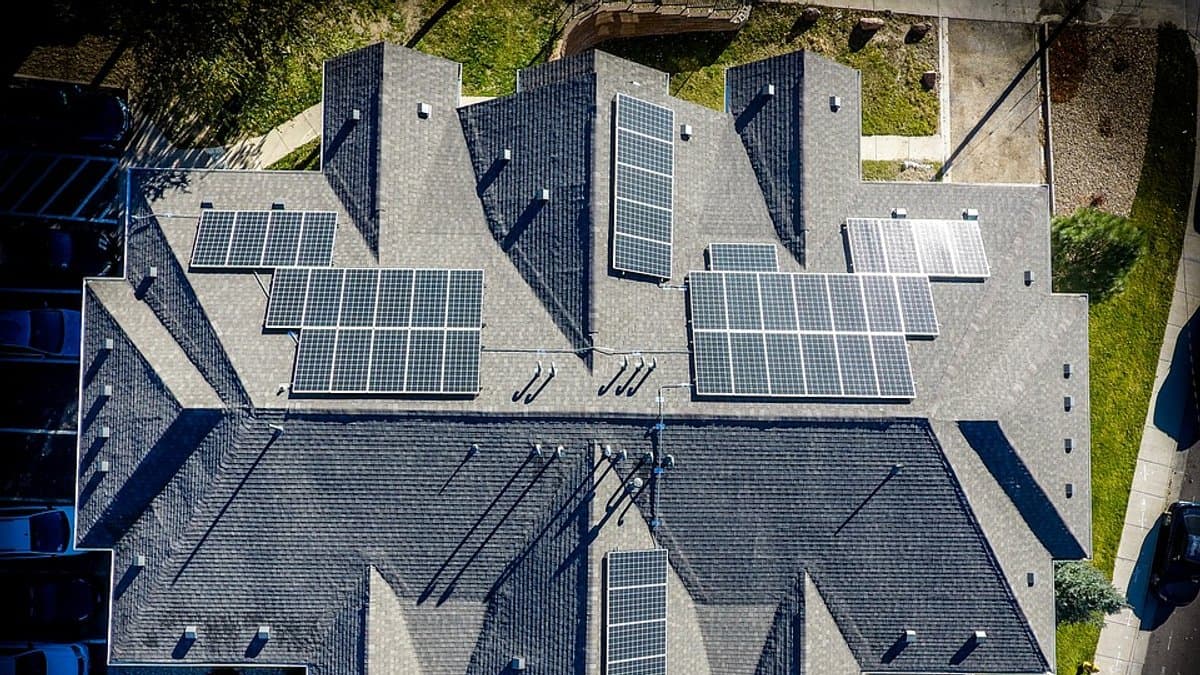
Subsection (b) makes any deed restriction, covenant, or similar agreement that prohibits, or has the effect of prohibiting, the installation of a solar collector "void and unenforceable." An HOA cannot simply ban rooftop solar.
The statute is not unlimited. Subsection (c) lets an HOA regulate the location or screening of a collector as long as the rules do not increase installation cost by more than 5 percent or reduce production by more than 10 percent. Subsection (d) is the exception homeowners miss: the protection does not apply to a collector visible from a street or common area if the covenant addresses that placement, which in practice can allow rules for a street-facing roof or facade.
"Any deed restriction, covenant, or similar binding agreement that runs with the land that would prohibit, or have the effect of prohibiting, the installation of a solar collector... is void and unenforceable."
The North Carolina Supreme Court reinforced this in Belmont Association, Inc. v. Farwig (2022). The court held that an HOA cannot use its general architectural-review authority as a workaround to reject solar panels that §22B-20 protects. A board saying "we're denying this on aesthetic grounds" does not get around the statute.
N.C.G.S. §47F-3-122 (irrigation during drought)
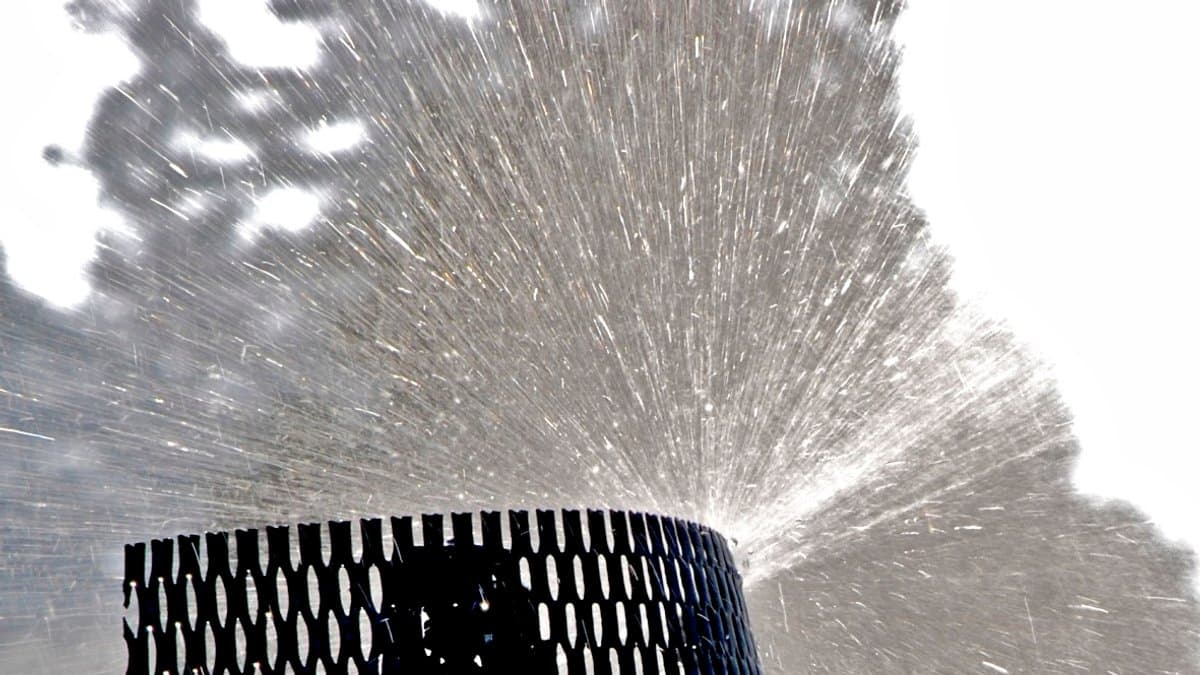
This provision limits when an HOA can force you to water. An association cannot require irrigation of landscaping during a period when the U.S. Drought Monitor has designated your area as being in a severe, extreme, or exceptional drought and a government body has imposed water-conservation measures, unless the covenant specifically requires irrigation during those periods.
For covenants recorded on or after October 1, 2008, the statute requires that they state the irrigation requirement is suspended during those declared-drought periods, and any authorization to penalize an owner for not irrigating must appear in boldface capital letters on the first page.
The statute defines landscaping as "lawns, trees, shrubbery, and other ornamental or decorative plants."
Neither statute protects native plantings directly. But if your HOA is fining you for a "dead" or "dry" lawn during a declared drought while a water restriction is in effect, §47F-3-122 is worth reading closely, and if you want to pair a lower-water landscape with rooftop solar, §22B-20 protects the panels even when the covenants are silent or hostile.
What your HOA can still require
Because North Carolina has no native-plant carve-out, the architectural review committee keeps broad authority over how your yard looks. Under Chapter 47F and your covenants, an HOA can generally still enforce:
- Turf-grass or lawn-coverage requirements written into the covenants
- Pre-approval for landscaping changes through architectural review
- General maintenance standards (no dead plants, no overgrown or weedy beds)
- Approved plant lists and restrictions on specific species
- Edging, borders, and clean separation between beds and hardscape
- Plant height limits near sidewalks, streets, and sight lines
- Setback and structure rules for raised beds, trellises, and decorative elements
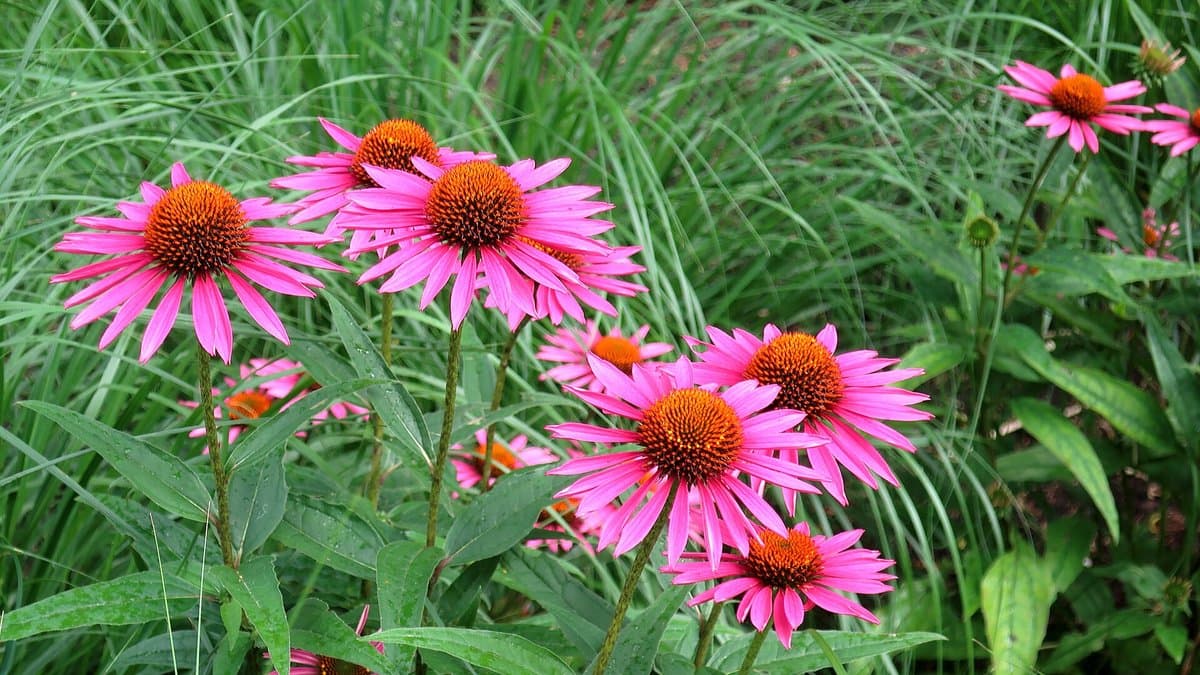
The practical takeaway is that presentation carries most of the weight in North Carolina. A native planting that reads as intentional and maintained is far easier to get approved than one that reads as neglected, because the covenants give the board room to judge appearance.
How to respond when your HOA cites a rule
Most of these situations resolve without a fight. Because you do not have a native-plant statute to lean on, the approach in North Carolina leans harder on process and presentation. Four steps, in order:
- 1Ask for the rule in writing.Request the exact covenant or design-guideline section your HOA is citing. A vague verbal warning is not a violation. Once you have the specific provision, you can check whether the board is applying it consistently and whether it even applies to what you did.
- 2Check the two statutes first.If the citation involves solar, N.C.G.S. §22B-20 likely voids it. If it involves forced watering during a declared drought, read N.C.G.S. §47F-3-122. For a living-plant complaint, there is no statute to cite, so move to the design side.
- 3Submit a plan proactively.North Carolina rewards pre-approval more than most states because appearance is the deciding factor. A plant list, a simple layout, and a maintenance schedule give the review committee something concrete to approve instead of something vague to reject. See our HOA landscape plan template for a starting point.
- 4Make the yard look maintained.Clean edges, mulched beds, and upright, cared-for plants remove most of the visual ammunition a board needs to enforce an appearance standard. Our guide on responding to HOA violation letters covers the full approach.
When to involve a lawyer
Most of these situations do not need legal help. Because North Carolina landscaping disputes usually turn on covenant interpretation rather than a bright-line statute, a consultation can be worth it sooner here than in a state with a clear native-plant law. Consider talking to an attorney if:
- Your HOA is denying a solar installation despite N.C.G.S. §22B-20
- They are fining you for not irrigating during a declared drought with water restrictions in place
- They are threatening a lien or continued fines after you submitted a plan and addressed the appearance concerns
A North Carolina real estate attorney who handles HOA disputes can usually tell you quickly whether a covenant is enforceable as applied to your situation.
This is not legal advice.
We are a gardening app, not lawyers. This post summarizes publicly available North Carolina law as of 2026. Your HOA's specific covenants, your city's ordinances, and your situation are all unique. If you are facing fines or legal threats, talk to a real estate attorney in your area. Primary sources: N.C.G.S. §22B-20 (opens in new tab), N.C.G.S. §47F-3-122 (opens in new tab), and the North Carolina Planned Community Act (Chapter 47F) (opens in new tab).
People also ask
Does North Carolina have a law protecting native plants from HOA rules?
No. Unlike Texas Property Code §202.007 or California Civil Code §4735, North Carolina has no statute that protects native, pollinator, or water-conserving plantings from HOA landscaping rules. Those rules are generally enforceable under the North Carolina Planned Community Act (N.C.G.S. Chapter 47F) and your covenants. Your leverage comes from consistent enforcement, the architectural-review process, and presentation, not from a state native-plant law.
Can a North Carolina HOA ban solar panels?
Generally no. N.C.G.S. §22B-20 makes any covenant that prohibits, or has the effect of prohibiting, a solar collector "void and unenforceable." The HOA can regulate location and screening within limits, and there is a narrow exception for a collector visible from a street or common area if the covenant addresses it. The North Carolina Supreme Court held in Belmont Association v. Farwig (2022) that an HOA cannot use architectural review to get around the statute.
Can a North Carolina HOA make me water my lawn during a drought?
Not automatically. N.C.G.S. §47F-3-122 prevents an HOA from requiring irrigation during a period when the U.S. Drought Monitor designates your area as severe, extreme, or exceptional drought and a government body has imposed water-conservation measures, unless the covenant specifically requires it. For covenants recorded on or after October 1, 2008, the suspension must be stated and any penalty authorization must appear in boldface capital letters on the first page.
What law governs HOAs in North Carolina?
The North Carolina Planned Community Act, N.C.G.S. Chapter 47F, governs planned communities created on or after January 1, 1999. It covers governance, assessments, and enforcement, but it does not include a landscaping or native-plant carve-out. Solar (§22B-20) and drought irrigation (§47F-3-122) are the two narrow landscaping-adjacent protections in North Carolina law.
Can I convert my Raleigh-area front yard to natives if my HOA requires grass?
You can, but you should treat it as an approval process rather than an assertion of a legal right, because North Carolina has no native-plant statute to override the covenant. Submit a plan to your architectural review committee with a plant list, layout, and maintenance schedule, keep the design reading as intentional and maintained, and pair it with rooftop solar if you want the one clear statutory protection on your side. See our Raleigh native landscaping guide for regional plant choices.
Planning a native yard in North Carolina?
Pollinator Patch helps you build a native plant plan with the documentation HOA boards respond to. Plant list, layout, and maintenance schedule, all printable, and any rebates your city offers are on our rebate directory.