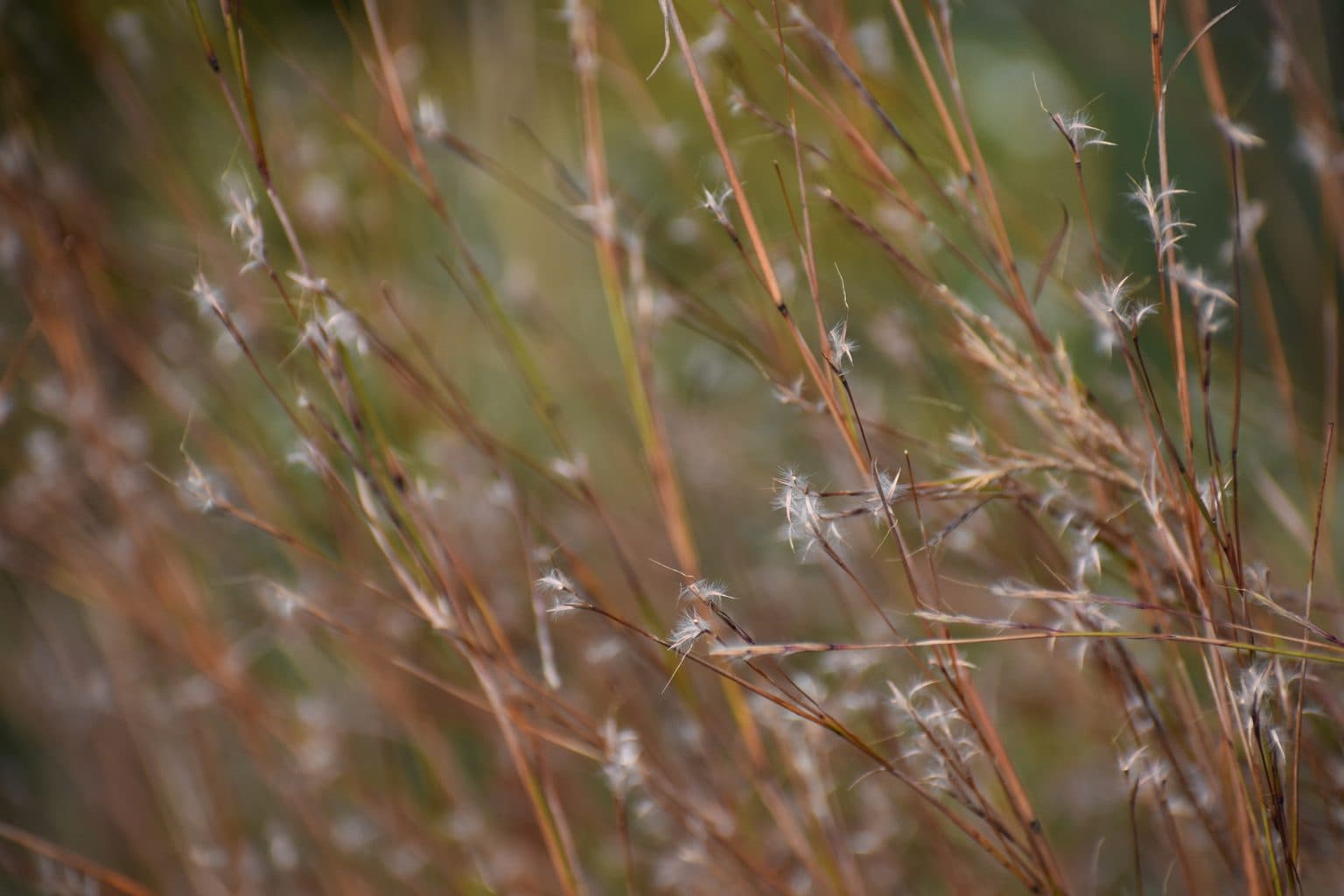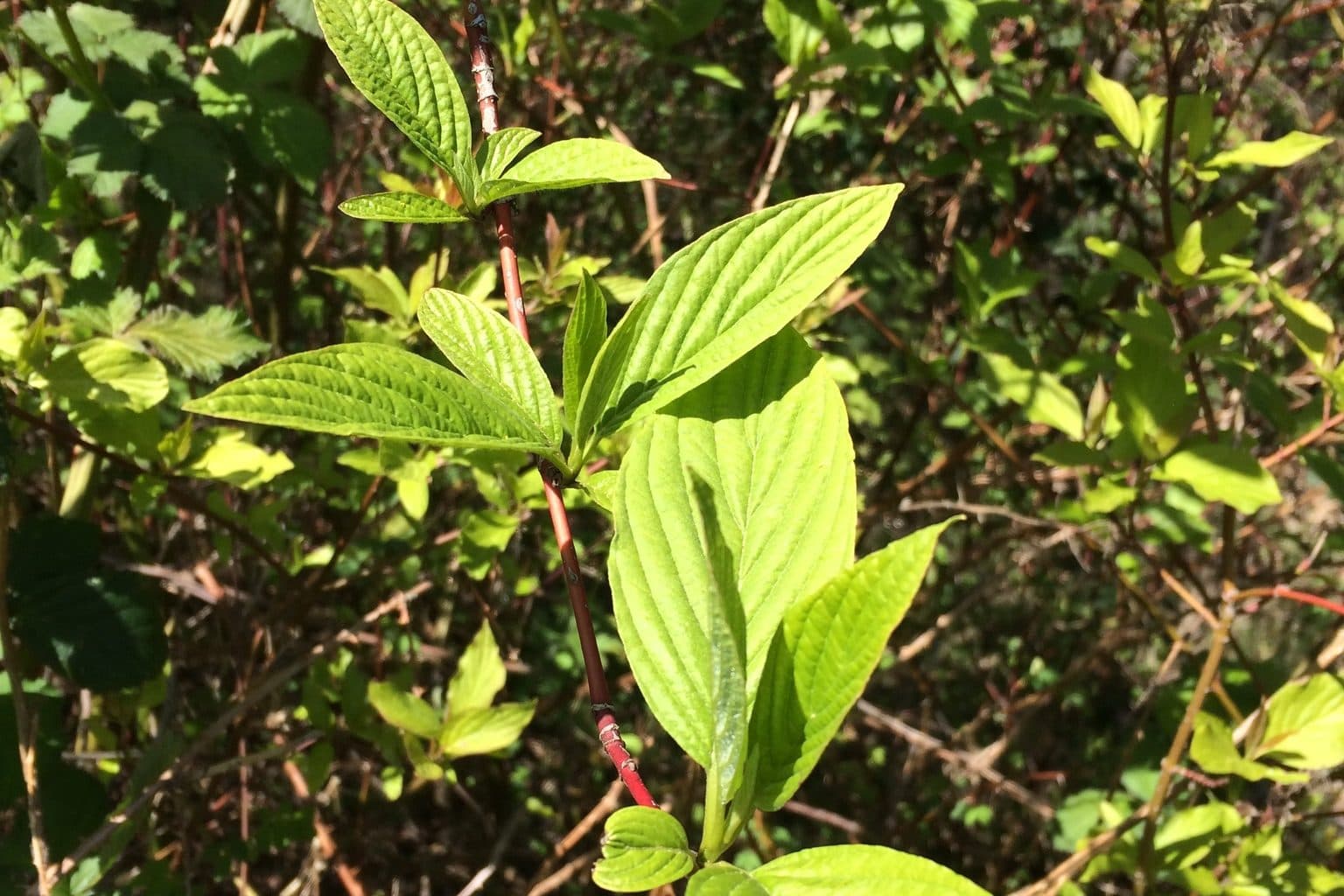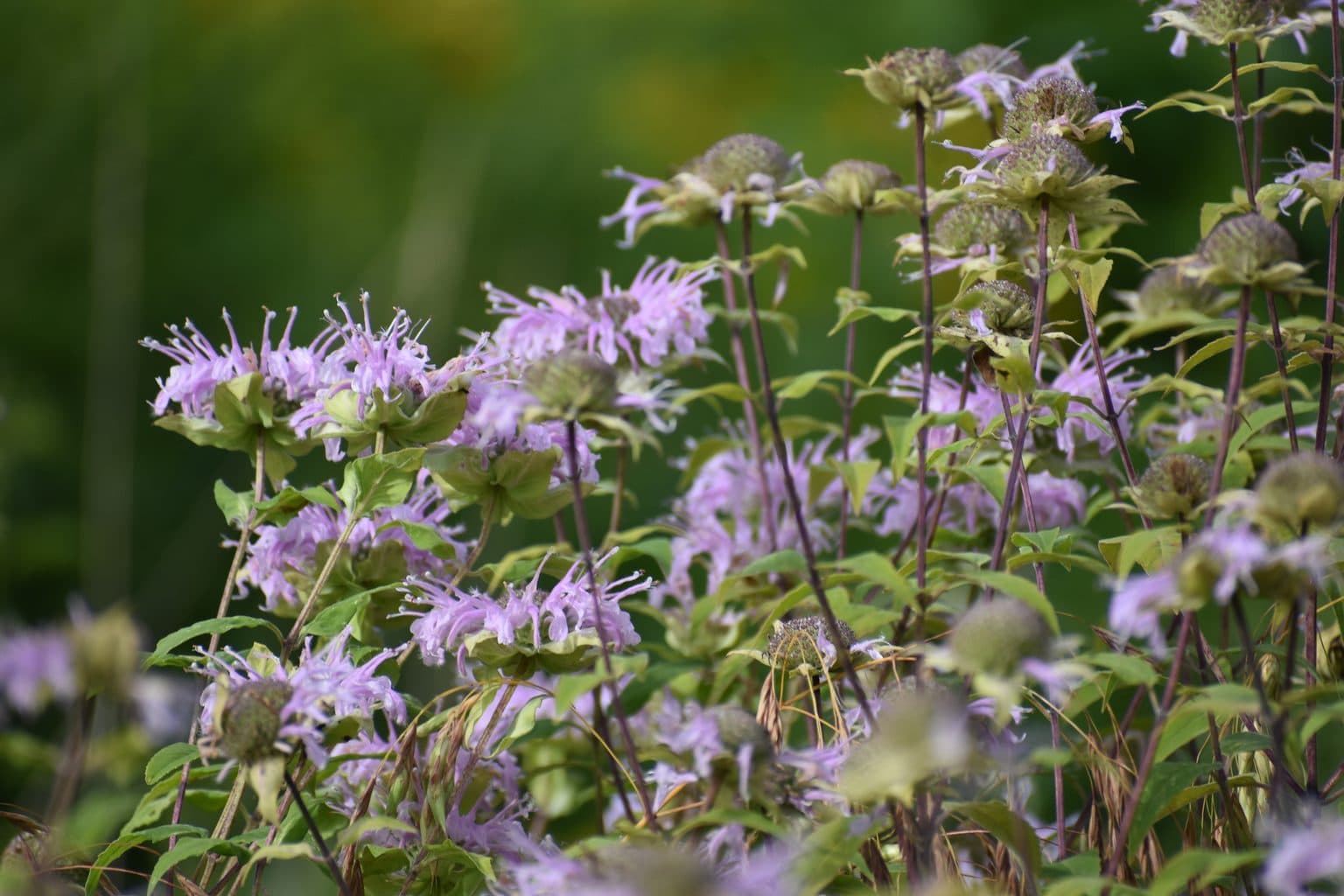
A perennial that has sat in the same spot for four or five years starts sending signals. The middle of the clump goes bare while the edges keep growing. The flowers come in smaller than last year. The stems fall open after a storm and never stand back up. All three mean the same thing. The plant has outgrown its own center and wants splitting. Late summer and fall are the window for most perennials, but the right week is not a date on a calendar, and a few of the native perennials people love most should not be divided at all.
Key takeaways
- Divide spring and summer blooming perennials in late summer or fall, and fall bloomers in spring instead (University of Minnesota Extension).
- The national timing rule is a countdown, not a date: allow at least four to six weeks before your ground freezes for the divisions to get established (Iowa State Extension, and the same four to six weeks from University of Minnesota Extension).
- Three signs a clump is ready: smaller blooms, a bald spot at the center of the crown, and stems that need staking (University of Minnesota Extension).
- Ornamental grasses should only be divided in the spring (Illinois Extension).
- Butterfly weed has a long taproot and Iowa State Extension calls division "difficult and not recommended". Blue false indigo, balloon flower, baby's breath and Carolina lupine are on the same difficult list.
Three signs a clump is ready
You do not need to divide a perennial on a schedule. You divide it when it asks.
University of Minnesota Extension puts the signals plainly: "After a few years in the garden, perennials may start to produce smaller blooms, develop a bald spot at the center of their crown, or require staking to prevent their stems from falling over."
Illinois Extension describes the same plant from the outside in. If a vigorous perennial has been in the garden more than a few years, "or it has started to choke out other plants and no longer looks healthy (dead centers, floppy and unable to support healthy foliage and flowers), then it may be time to divide."
Iowa State Extension adds the version you notice a season too late: performance declines after several years, overcrowding leads to poor bloom and growth, and some species "will develop dead centers in their crowns as they age."
The bald middle is the clearest of the three. A clump grows outward from its own edge, and the oldest tissue at the center runs out of room, light and root space first.
The timing rule that works in every state
Here is where most fall advice goes wrong. It gives you a month.
The rule that actually travels is a countdown from your own first hard freeze. Iowa State Extension: "Allow at least 4 to 6 weeks before the ground freezes for the plants to become established." University of Minnesota Extension gives the same number for fall division, "time it for four to six weeks before the ground freezes for the plant's roots to become established."
That one rule reads completely differently depending on where you garden. If your ground freezes in early October, late August is already the back edge of your window. If it freezes in December, you have most of the fall in front of you and no reason to rush a clump into hot soil.
State extension pages are written for their own state, and it shows. Iowa State calls mid-August through September a good time to divide some perennials in Iowa. Illinois Extension says that dividing in September and October "gives the roots enough time to establish before winter", which is true at Illinois latitudes. Both are written at roughly 41 to 42 degrees north. Carry either one to Dallas or Atlanta and you are dividing plants six to eight weeks before you need to, in soil that is still hot. Take the four to six week countdown, apply it to your own freeze date, and ignore the month.
Fall for spring bloomers, spring for fall bloomers
The second rule is about when the plant blooms, not when you have a free weekend.
University of Minnesota Extension: divide spring and summer blooming perennials in the fall, and divide fall blooming perennials in the spring, because "Plants divided in spring have the entire growing season to recover before winter." Illinois Extension puts it the same way: in fall, focus on dividing spring and summer bloomers and "leave the fall bloomers for spring division."
The logic is simple. You do not want to dig a plant that is currently putting everything it has into flowering. Split it in the season opposite its bloom and it spends its energy on roots instead.
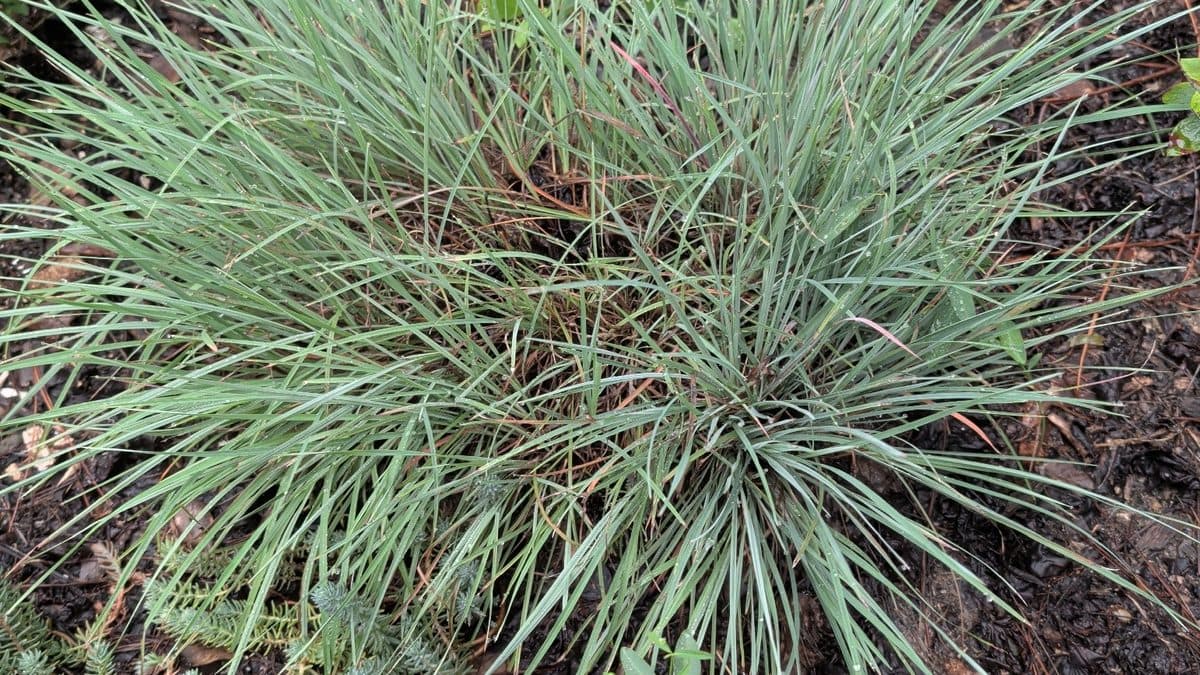
One clear exception, and it is worth writing down because it catches people every year: "Ornamental grasses should only be divided in the spring" (Illinois Extension). Little bluestem, switchgrass and the rest go back on the list for April, not this weekend.
The natives that should not be divided at all
Some plants do not grow in clumps. They grow down.
Butterfly weed is the one most likely to be in a pollinator garden. Iowa State Extension is direct about it: "The butterfly weed possesses a long taproot", and "Because of its long taproot, division is difficult and not recommended." It is typically propagated by seed instead.
Iowa State's division guide flags four more on the same grounds. Blue false indigo: "division is difficult because of its long taproot." Balloon flower: "division is difficult because of its long taproot." Carolina lupine: "division is difficult due to deep roots." Baby's breath: division is difficult, and any attempt belongs in spring or late summer and fall.
A taproot is a single deep anchor rather than a spreading mat of fibrous roots. You cannot lift it without breaking it, and what you break is the whole plant. If you want more of one of these, collect seed from it in fall and sow it rather than digging the plant you already have.
How to split a clump
The mechanics are the easy part.
Lift the whole plant first. University of Minnesota Extension: "Dig up the parent plant using a spade or fork. Gently lift the plant out of the ground and remove any loose dirt around the roots." Penn State Extension's Chester County Master Gardener brochure says the same, "lift the plant with a spade or fork, being careful not to damage the roots. Shake off the soil and tease the sections of the clump apart."
Then separate it. Minnesota gives three escalating methods: "Gently pull or tease the roots apart with your hands. Cut them with a sharp knife or spade. Put two forks in the center of the clump, back to back, and pull the forks apart." Penn State's brochure is blunter about stubborn clumps, "use an old butcher knife, an ax, or a sharp spade to cut the clump into pieces."
Every piece you keep needs both roots and growth. A wedge of root with no buds will not come back, and a fan of leaves with no roots will not either.
While you work, keep the pieces out of the sun. Minnesota: "Keep these divisions shaded and moist until they are replanted." Roots dry out faster than leaves do, and the damage does not show until weeks later.
The first season after a division
A division is a new plant, and it needs to be treated like one.
Iowa State Extension's aftercare is short. Apply a layer of mulch to help conserve soil moisture, and keep the newly divided perennials well watered through the entire first growing season. That is the same establishment watering any new planting gets, not a one-time soak.
For fall divisions specifically, Iowa State also recommends a loose winter cover, a 4 to 6 inch layer of straw placed over the plants, which it times to November in Iowa. The purpose is not warmth. It is to stop the alternating freeze and thaw that lifts a shallow new root system out of the ground, so the right time in your garden is after the ground has actually frozen, not before.
The short version
Look at your oldest clumps. If one has a bald middle, smaller flowers, or stems that flop, split it. Count back four to six weeks from when your ground freezes to find your window. Divide spring and summer bloomers now and save fall bloomers and ornamental grasses for spring. And if the plant is butterfly weed, blue false indigo, balloon flower, baby's breath or Carolina lupine, leave it where it is and collect seed instead.
Not sure if it is a clump or a taproot?
The plant that stalls this job is the one you cannot place: is it a clump you can split, or a taproot you should leave alone? Pollinator Patch can answer that for a plant you name, and its freeze alerts watch the forecast for your ZIP so a new division is never caught uncovered by the first hard freeze.
Open the app