If you planted or divided anything this fall, it needs one more thing before winter: a loose layer of mulch over the crown. The catch is timing. Winter mulch goes on after the ground freezes, not before, because its job is to keep the cold in.
Why winter mulch matters: frost heaving
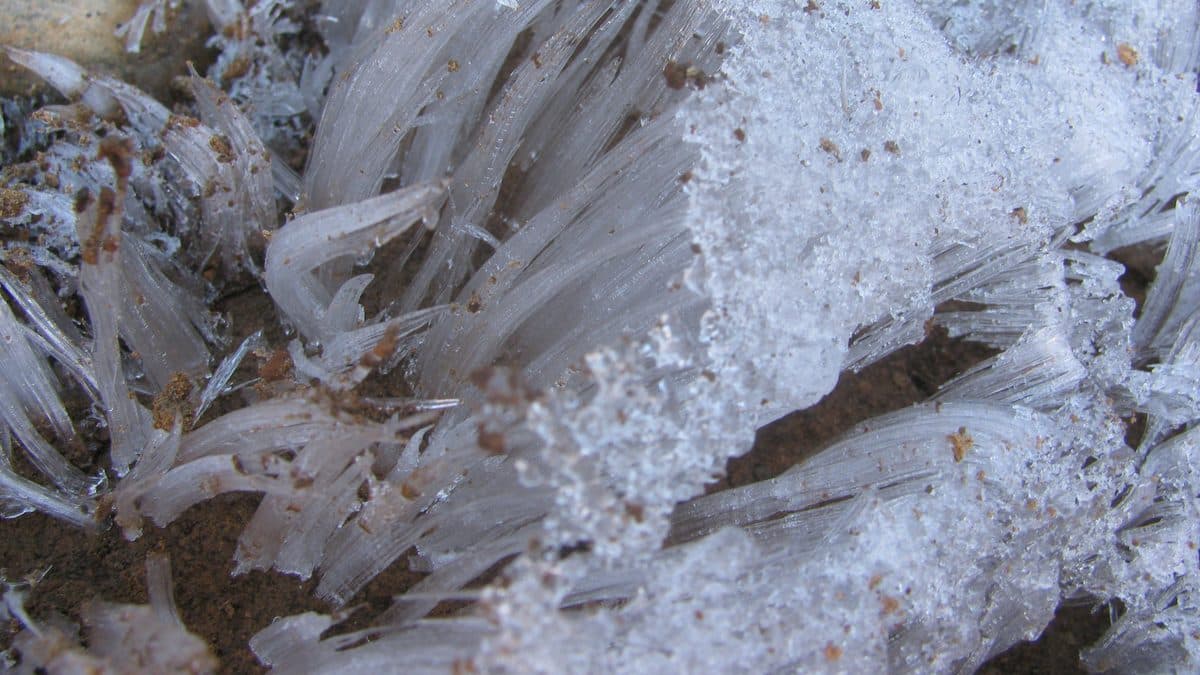
Most winter damage to young perennials is not the cold itself. It is frost heaving. "Frost heaving occurs when the soil alternately freezes and thaws," and each swing can push shallow roots up out of the ground (Nebraska Extension). Once exposed, the roots dry out, and the plant is killed or badly weakened (University of Missouri Extension).
Plants handle soil that stays cold or frozen far better than soil that keeps thawing (Nebraska Extension). So the goal of winter mulch is to keep plants dormant rather than warm (Purdue Extension), and to smooth out the temperature swings at the base of the plant (University of Missouri Extension).
When to put it on
Wait until the ground freezes and the plants are fully dormant, with temperatures staying below freezing (Iowa State Extension, Purdue Extension). In much of Iowa that is typically by late November (Iowa State Extension). Use your own first hard freezes as the cue, not that date.
Too early does harm. Mulch that goes on early can delay dormancy and leave plants more open to cold damage (Iowa State Extension), and it can smother them and encourage disease (Purdue Extension).
Not every source agrees. Nebraska Extension says ordinary mulch can go down anytime in fall without harm (Nebraska Extension). That is fine for a regular mulch layer around plants. For the deeper protective layer over the crowns of new plants, this post follows the frozen-ground rule from Iowa State, Purdue and Missouri.
Where your ground never freezes, you can skip this. Heaving is most common in heavy clay that has not been improved with organic matter and is normally not a problem in loose, sandy soil (University of Missouri Extension).
Which plants need it
- Anything planted this summer or divided this fall (Nebraska Extension).
- Shallow-rooted plants, and new plants of any kind that have not yet had a chance to develop solid footing (Purdue Extension).
- Not established, durable perennials. They survive without a winter cover, though mulch still helps with moisture and weeds (University of Missouri Extension).
What to use, and how deep
- Depth. 2 to 4 inches of loose organic material covers most plants (Purdue Extension), and Iowa State Extension suggests about four inches over the crown. For perennials planted in late summer or early fall, Iowa State goes deeper: a 6 to 8 inch layer (Iowa State Extension).
- Good materials. Straw, pine needles, evergreen boughs, and stiff oak leaves, which break down slowly (University of Missouri Extension, Purdue Extension).
- Skip. Hay, which often carries weed seed, and soft maple or ash leaves, which turn soggy and can suffocate small shoots (University of Missouri Extension). Also skip foam cones (Iowa State Extension).
- Plants that stay green all winter. Cover them only with straw or evergreen boughs, which let light and air through (University of Missouri Extension).
Leave the old stems standing
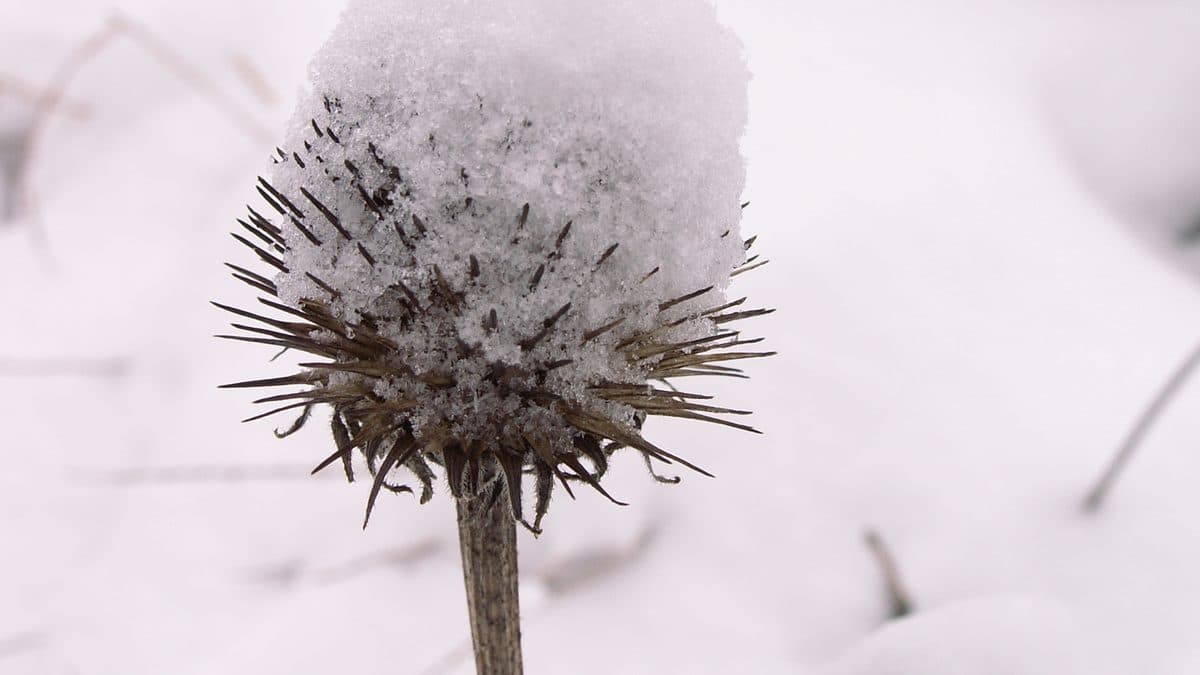
Cutting back is optional. Leaving the stems and leaves in place through winter helps protect the crown and roots and gives shallow-rooted plants extra help against heaving (Iowa State Extension). Snow does the same job when it comes: snow cover and mulch both act as insulators (University of Minnesota Extension).
Taking it off in spring
When perennials start to wake up, pull the mulch back so the crown gets sun, and leave it around the base of the plant for weeds and moisture (University of Missouri Extension). In much of Iowa that is typically around mid-March, once the top layer of soil thaws (Iowa State Extension).
Missed the window? University of Missouri Extension says it is not too late, even after the holidays, to lay leftover holiday greens over tender plants (University of Missouri Extension).
Where the app fits
Pollinator Patch sends freeze alerts by email as well as in the app, once your account has a garden saved with your location, so you know when the hard freezes are starting. That is the week to have the straw on hand. And if something you planted this fall looks lifted in March, ask Patch what to do about a heaved plant.