Is Autumn Crocus Toxic to Dogs?
Colchicum autumnale
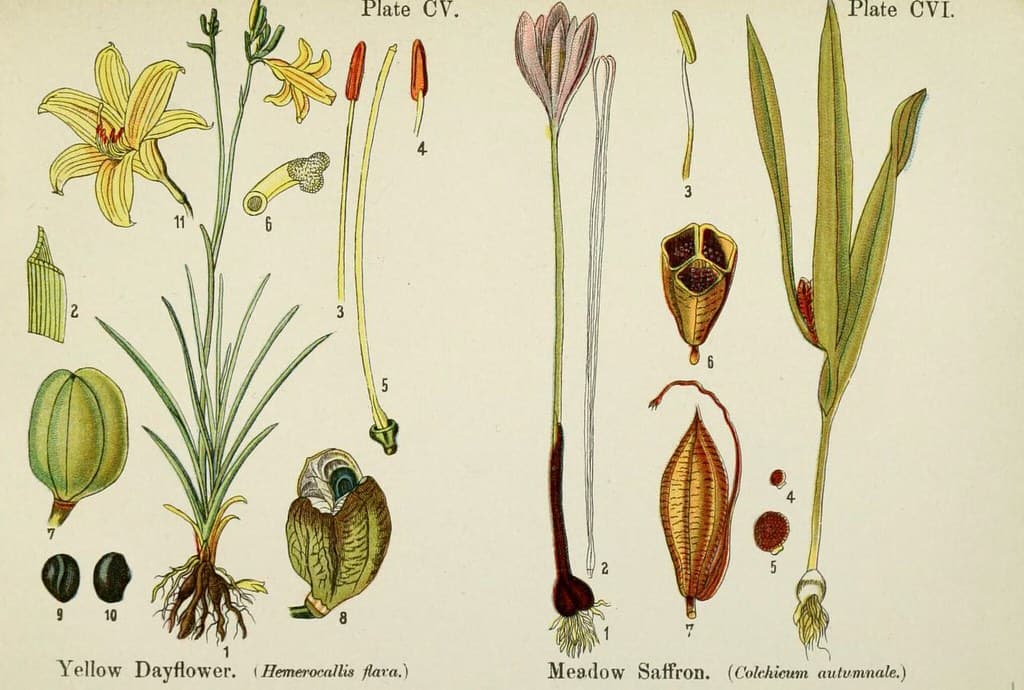
/images/plants/autumn-crocus/attribution.json.Yes. Autumn Crocus is toxic to dogs and cats.
Severity: severe. If your pet has been exposed, call the ASPCA Animal Poison Control Center at (888) 426-4435. Your veterinarian's emergency line is the other call to make.
Safe native alternative: Rain Lily. See the full list of swaps in our toxic plants for dogs in Texas guide.
Light
part sun
Water
medium
Size
4"–8" H × 4"–6" W
Bloom
Sep, Oct, Nov
Autumn Crocus (Colchicum autumnale) is severely toxic to dogs, cats, and horses according to the ASPCA Animal Poison Control Center plant database. The toxic compound, colchicine, is present in every part of the plant (bulb, leaves, flowers) and is the same compound used in human medicine for gout, where it has a narrow therapeutic margin. The Merck Veterinary Manual lists Autumn Crocus alongside Lily of the Valley and Foxglove as one of the most dangerous garden bulbs.
Symptoms of Autumn Crocus ingestion in dogs can be delayed by 2-3 days, which makes the plant especially dangerous. Initial symptoms: vomiting, bloody diarrhea, drooling. Later symptoms: bone marrow suppression, organ failure, and shock. The fatality rate is high, and there is no specific antidote. If your dog has any exposure, call the ASPCA at (888) 426-4435 even if the dog seems fine right away. Delayed onset is the rule, not the exception.
Autumn Crocus is not actually a crocus despite the name. True crocus (Crocus species, the common spring bulb) is in a different family and is far less toxic. Autumn Crocus is sometimes confused with the safer fall-blooming Saffron Crocus (Crocus sativus). Read the scientific name on the bulb package; Colchicum is the genus to avoid.
Safe native alternative: Rain Lily (Zephyranthes drummondii). Pops up after summer rains with white star-shaped flowers, native to Texas prairies, and is not on the ASPCA toxic plant list. Low maintenance, Zones 7-10. If you have Autumn Crocus bulbs in a yard with pets, dig them up. Dispose of the bulbs in the trash, not the compost; bulbs remain toxic for years.
Before you buy
Your city may pay you to plant this
Cities and water utilities offer rebates for replacing lawn with native and water-wise plants. We track 452 programs across 44 states, each with a link to the provider and the date we last checked it.
Find rebates in your areaIf something looks wrong
Common plant problems, and what to check first
These come up on almost any plant. Each guide lists the likely causes in the order they are worth ruling out, with one thing to check before you act on any of them, and links to the source it came from.
- It is dying right after planting
- Leaves turning yellow
- Wilting even though I watered it
- Brown crispy leaf tips
- Bugs on the plant
Pollinator Patch flags toxic plants like Autumn Crocus so you can find a dog and cat-safe native alternative for your yard.
Planning a bed around it? Start a free plan with this plant
Not sure where to start? Take the 2-minute yard quiz