Blue fescue
Festuca glauca
Last reviewed: October 2026
Toxicity unknown
Blue fescue (Festuca glauca) is not listed by the ASPCA Animal Poison Control Center (opens in new tab) or the other sources we check, so we have no verdict for it either way. Absence from those lists is not a clearance. If your pet shows symptoms after eating any plant, call the ASPCA at (888) 426-4435.
Light
full sun
Water
low
Size
6"–12" H × 8"–12" W
Bloom
May, Jun
Native alternatives to Blue fescue
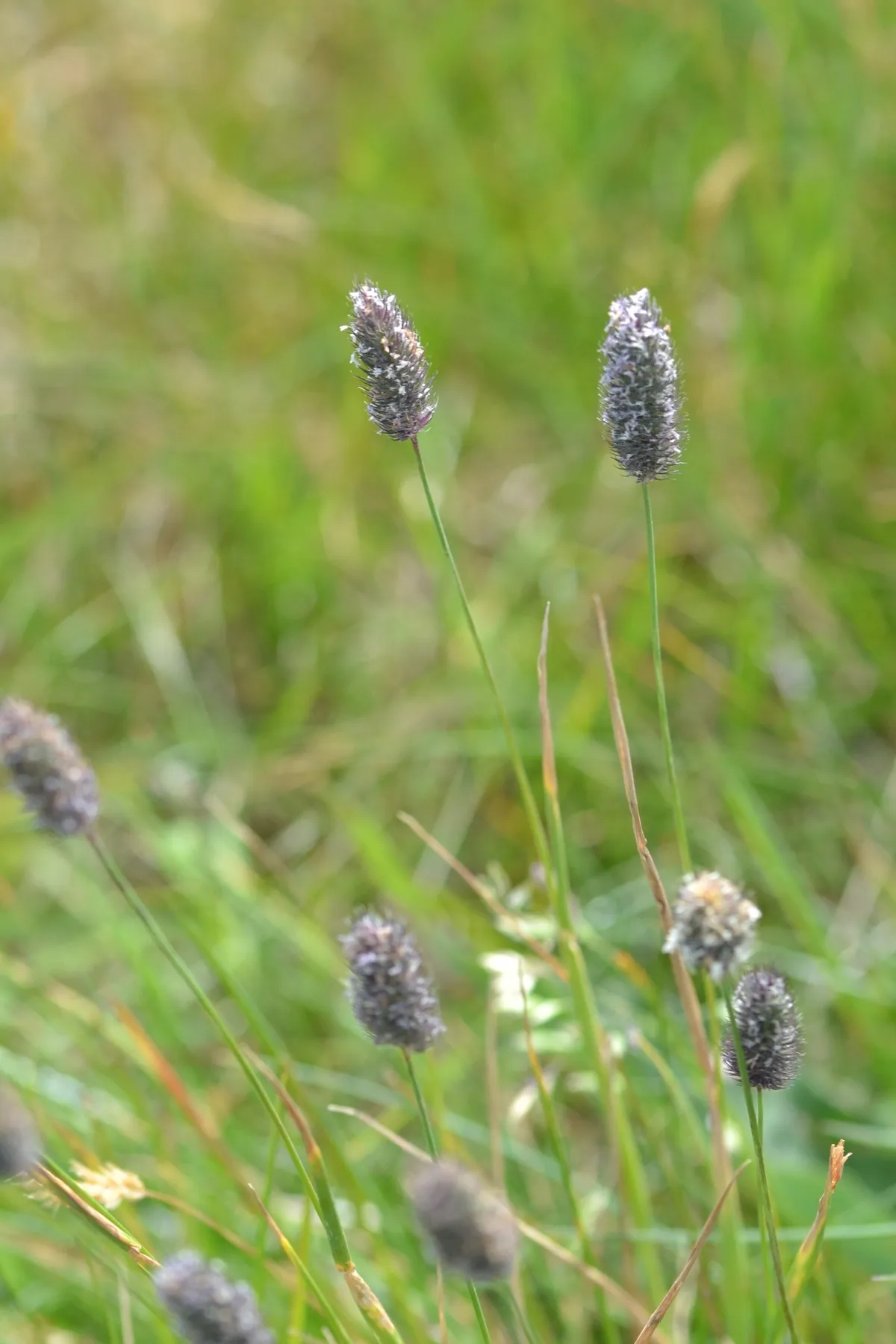
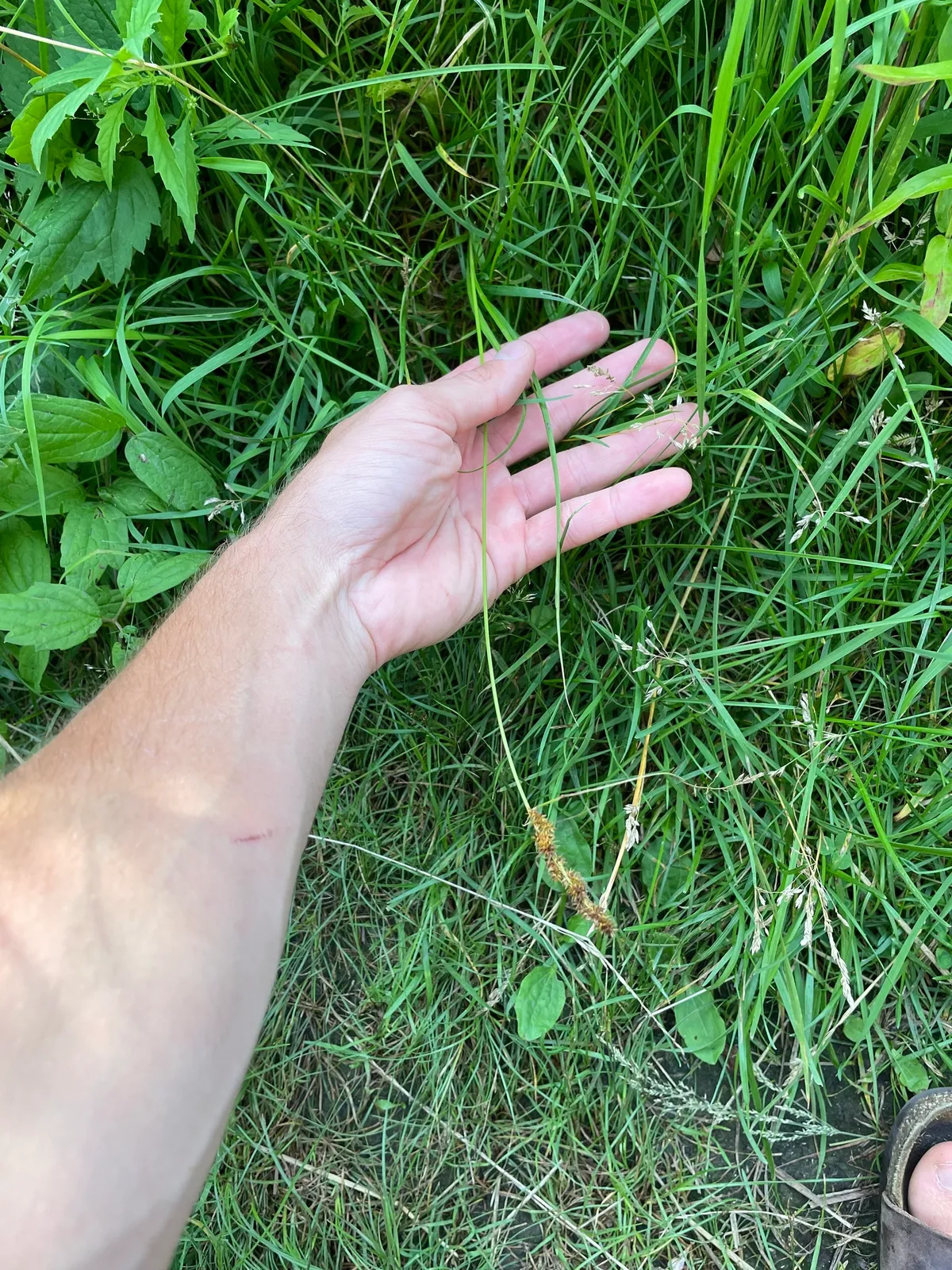
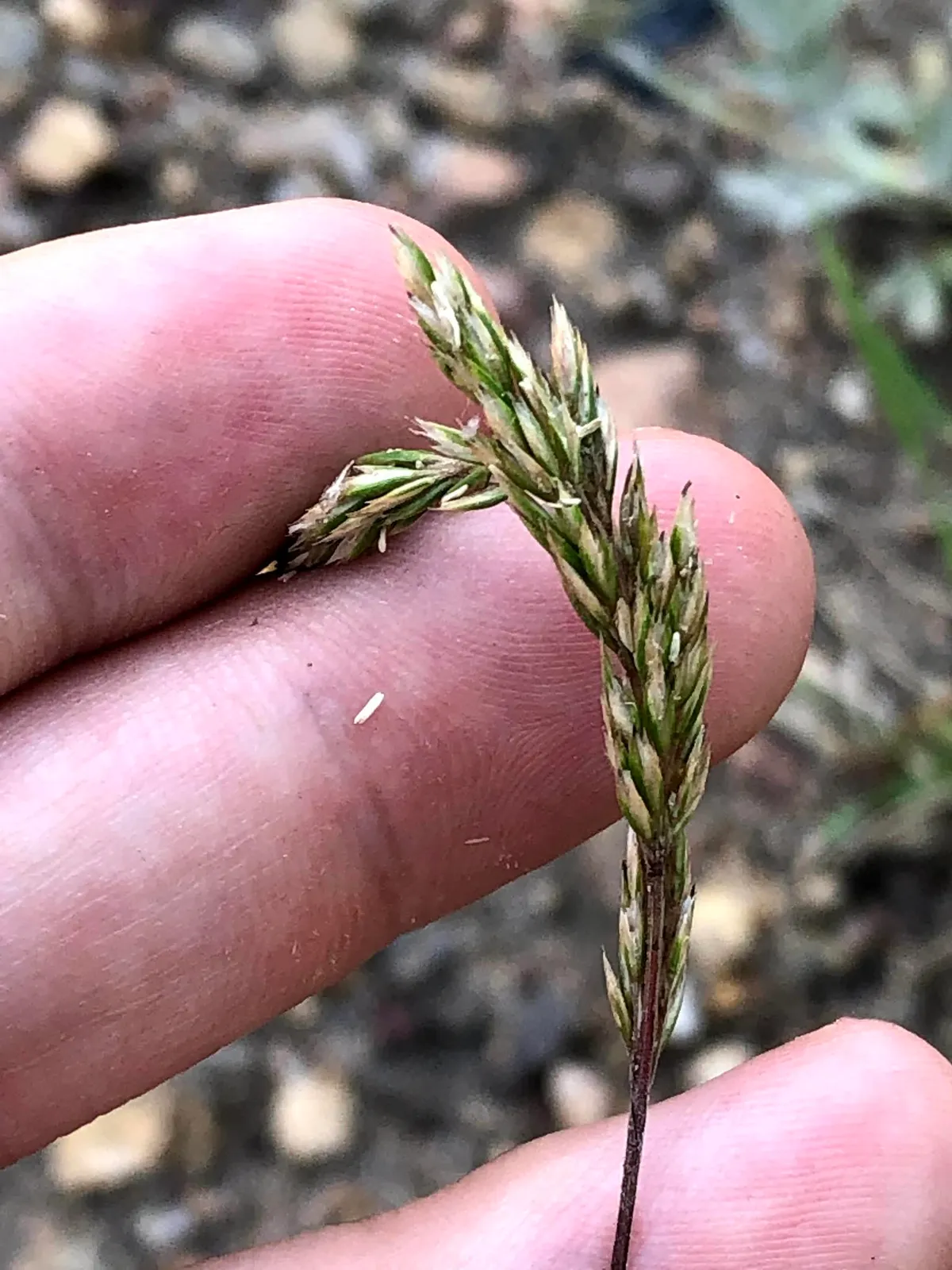
Blue fescue is not native to the United States. These natives fill a similar role in a planting, matched on bloom season, bloom color and mature size.
Before you buy
Your city may pay you to plant this
Cities and water utilities offer rebates for replacing lawn with native and water-wise plants. We track 458 programs across 44 states, each with a link to the provider and the date we last checked it.
Find rebates in your areaPicture natives in your own yard
Wondering what could grow where Blue fescue is now? Upload a photo of the spot and Patch Vision shows a rendering of it replanted with natives for your region.


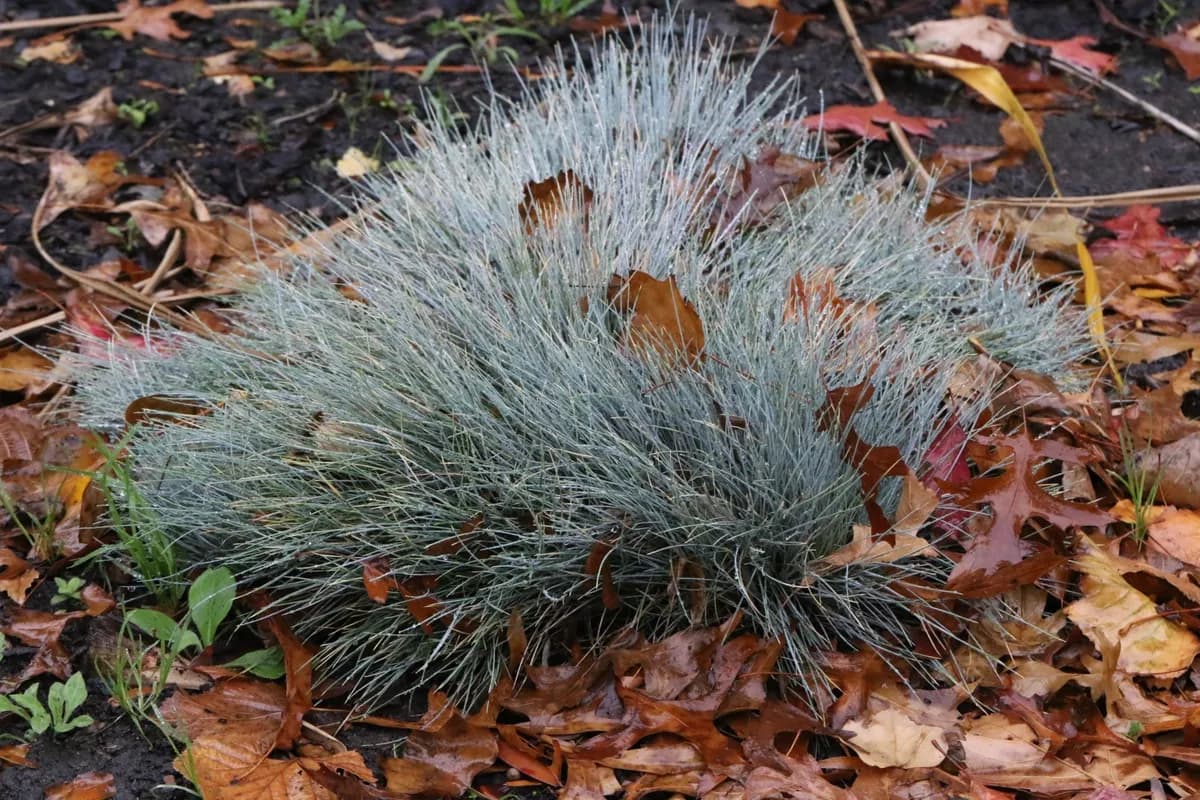
A compact, clumping ornamental grass with fine silvery-blue evergreen foliage forming tidy mounds. Does best in full sun with sharp drainage and tends to decline in heavy, wet soil. Often divided every few years to stay vigorous.
How to care for Blue fescue, by region
How to care for Blue fescue where it is actually grown: year-round basics plus what to do each season, region by region, with the sources for each.
Care guidance last updated: October 2026
Central California Foothills and Coastal Mountains (includes San Francisco, CA)
Year-round
Blue fescue is a compact, clumping ornamental grass from southern Europe, so it is an introduced plant here rather than a native one. It stays about 9 to 12 inches tall with silvery-blue evergreen foliage, and is hardy in zones 4a through 8b.
- Give it full sun, or up to a few hours of shade, and poor to average soil with sharp drainage.
- Water sparingly once established. It tolerates dry soil but not wet or poorly drained ground.
- Divide the clumps every 2 to 3 years when the centers decline.
- It is short-lived and does not like hot, humid conditions, so site it where air moves freely.
Its small, tidy mounds suit front-yard edging and borders with very little upkeep.
Fall
Fall is a good time to plant or divide blue fescue while the soil is still warm.
- Plant in very well-drained soil.
- Keep new plants lightly moist until established.
- Skip heavy fertilizer, since poor soil suits it.
Winter
Blue fescue keeps its foliage through winter and needs little care.
- Hold back on watering when the ground is wet.
- Make sure drainage is good so crowns do not sit in water.
- Leave the evergreen foliage in place.
Spring
Spring is the time to tidy and divide blue fescue before flowers form.
- Comb out dead leaves from the clump.
- Divide and replant tired clumps now if the centers have thinned.
- Water new divisions until they root, then ease off.
Summer
Late spring to early summer brings green, purple-tinted flower panicles.
- Water only when the soil has been dry for an extended stretch.
- Avoid overhead watering and wet mulch against the crowns.
- Shear off spent flower stalks if you prefer a tidy mound.
In an HOA neighborhood
Blue fescue takes more care to keep looking intentional in a front yard. Maintenance level: low. Consider it for backyard or mid-zone beds rather than the street edge.
Works well in: front yard edging, rock garden, container.
Wildlife value
Limited wildlife value. Wind-pollinated, with seed heads offering minor food for small birds.
Common questions
- How much sun does Blue fescue need?
- Blue fescue grows best in full sun conditions.
- When does Blue fescue bloom?
- Blue fescue blooms in May and June.
- Is Blue fescue HOA-friendly?
- Blue fescue takes more care to look intentional in a front yard. Consider it for backyard or mid-zone beds rather than the street edge.
Pollinator and host plant associations compiled from GBIF, iNaturalist, and published ecological literature.
If something looks wrong
Common plant problems, and what to check first
These come up on almost any plant. Each guide lists the likely causes in the order they are worth ruling out, with one thing to check before you act on any of them, and links to the source it came from.
- It is dying right after planting
- Leaves turning yellow
- Wilting even though I watered it
- Brown crispy leaf tips
- Bugs on the plant
Ready to grow Blue fescue? Add it to your garden in Pollinator Patch to track it and get season-by-season care guidance.