Camellia
Camellia japonica
Last reviewed: September 2026
Camellia (Camellia japonica) is a perennial shrub. It blooms in January, February, March, and December.
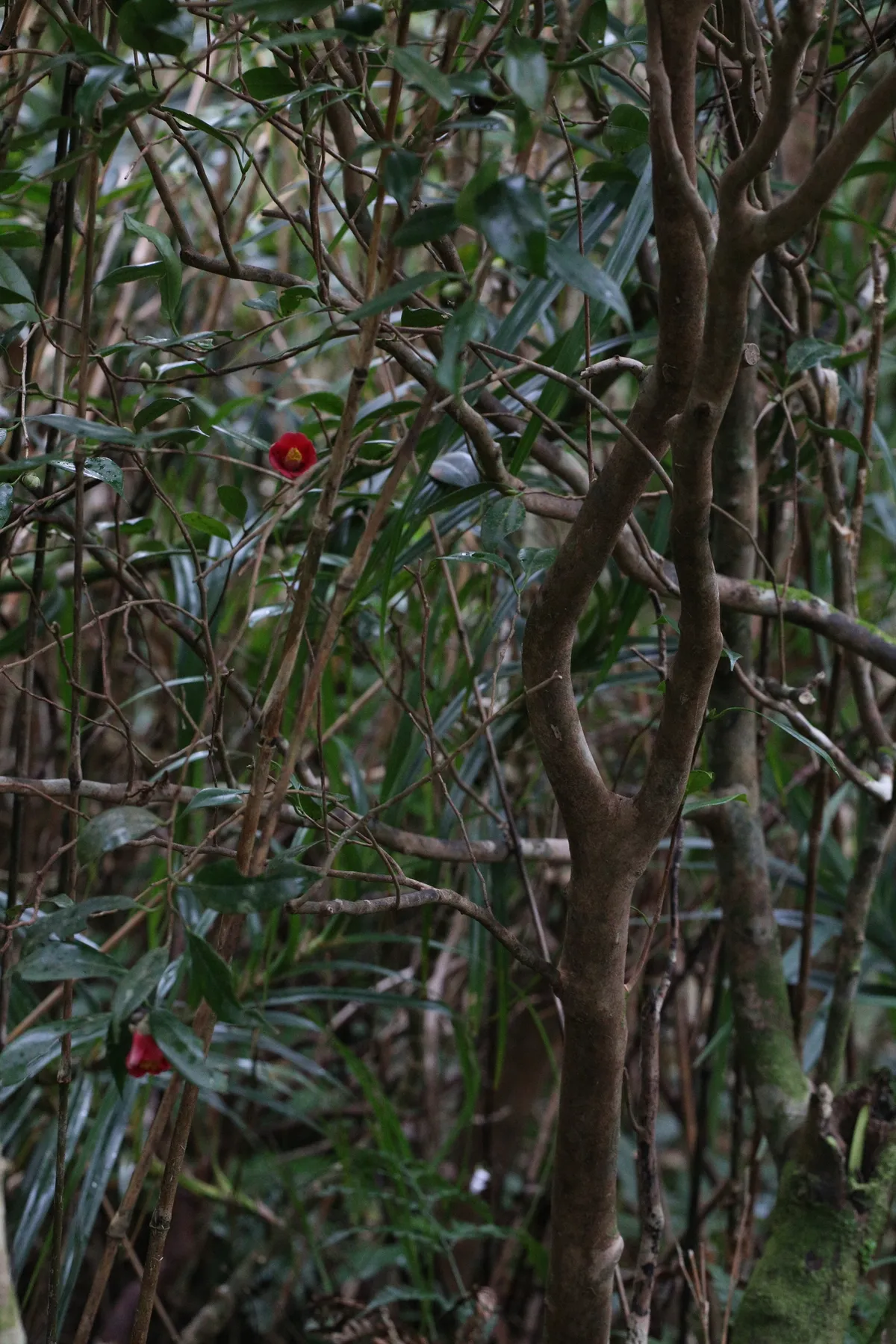
Camellia (Camellia japonica) is not on the ASPCA Animal Poison Control Center toxic plant list for dogs or cats (aspca.org (opens in new tab), last reviewed 2026-08-15). If your pet shows symptoms after eating any plant, call the ASPCA at (888) 426-4435.
Light
part shade
Water
medium
Size
72"–180" H × 60"–120" W
Bloom
Jan, Feb, Mar, Dec
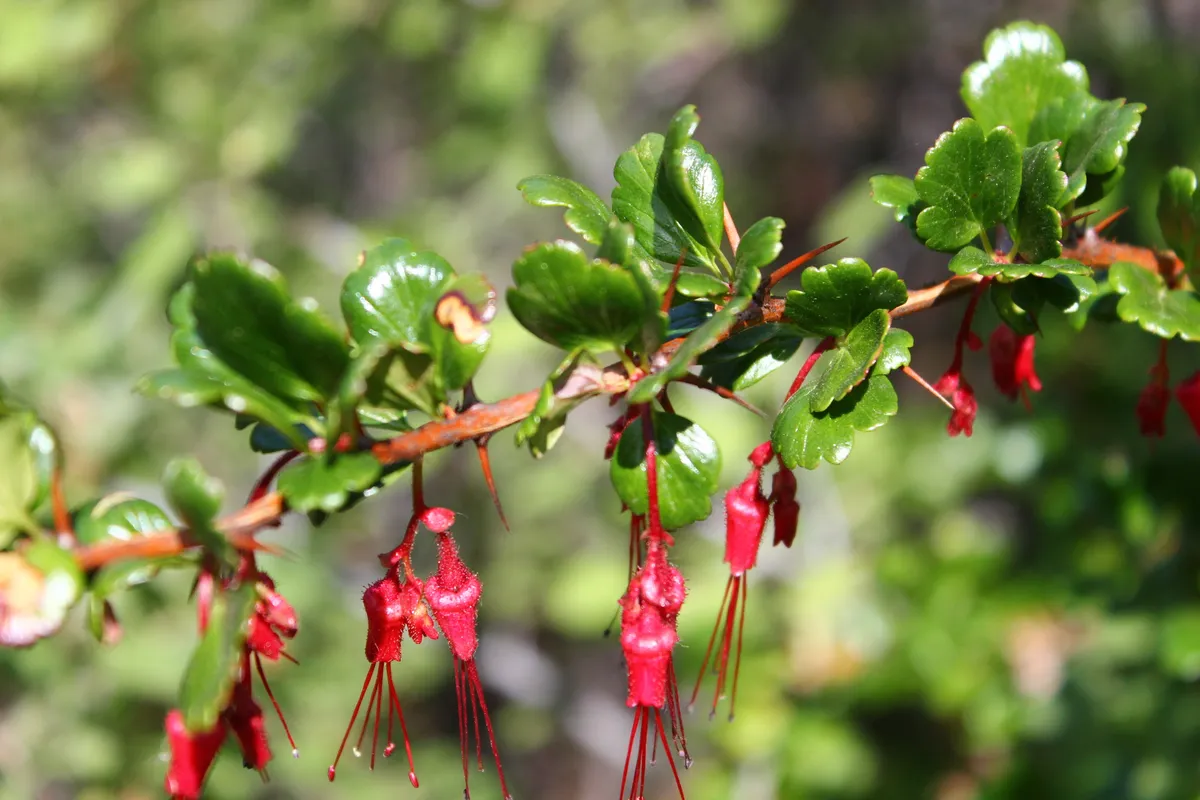
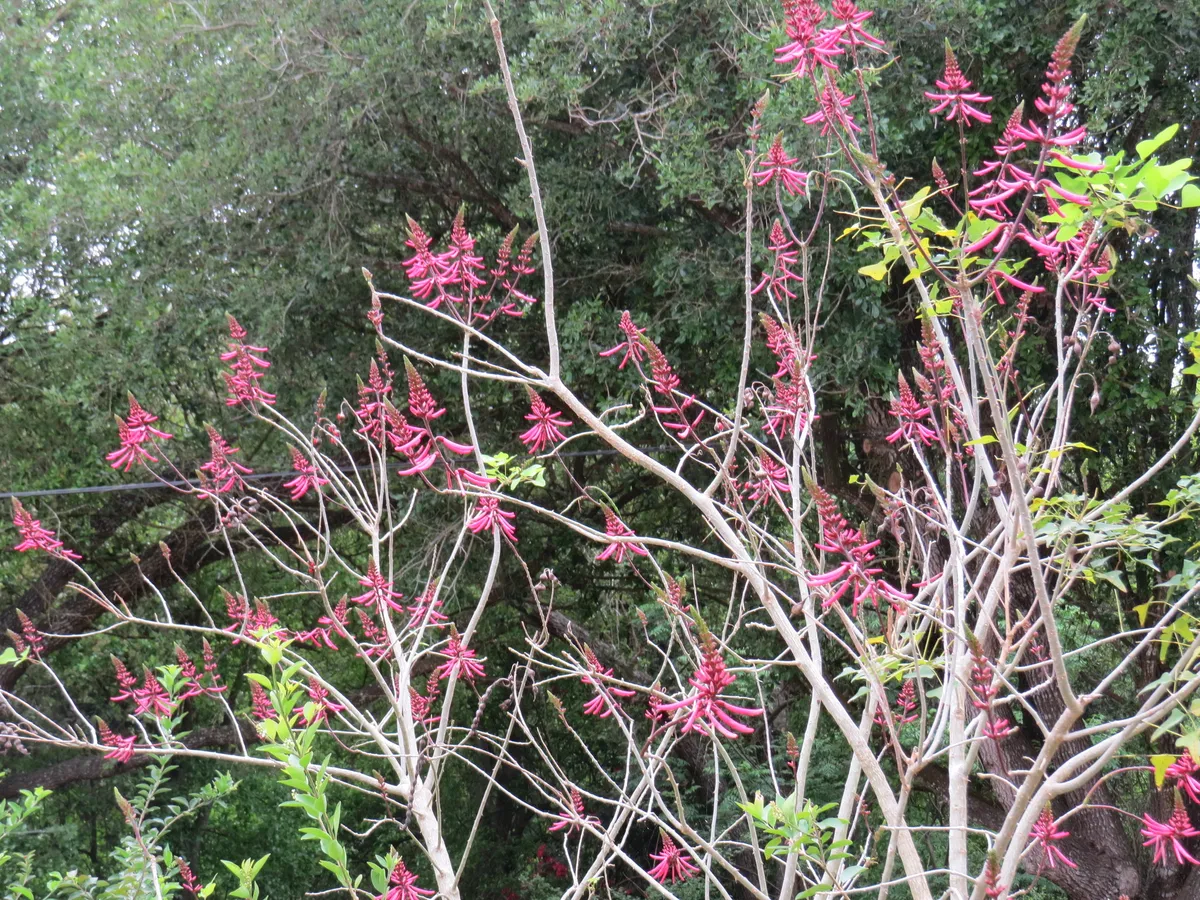
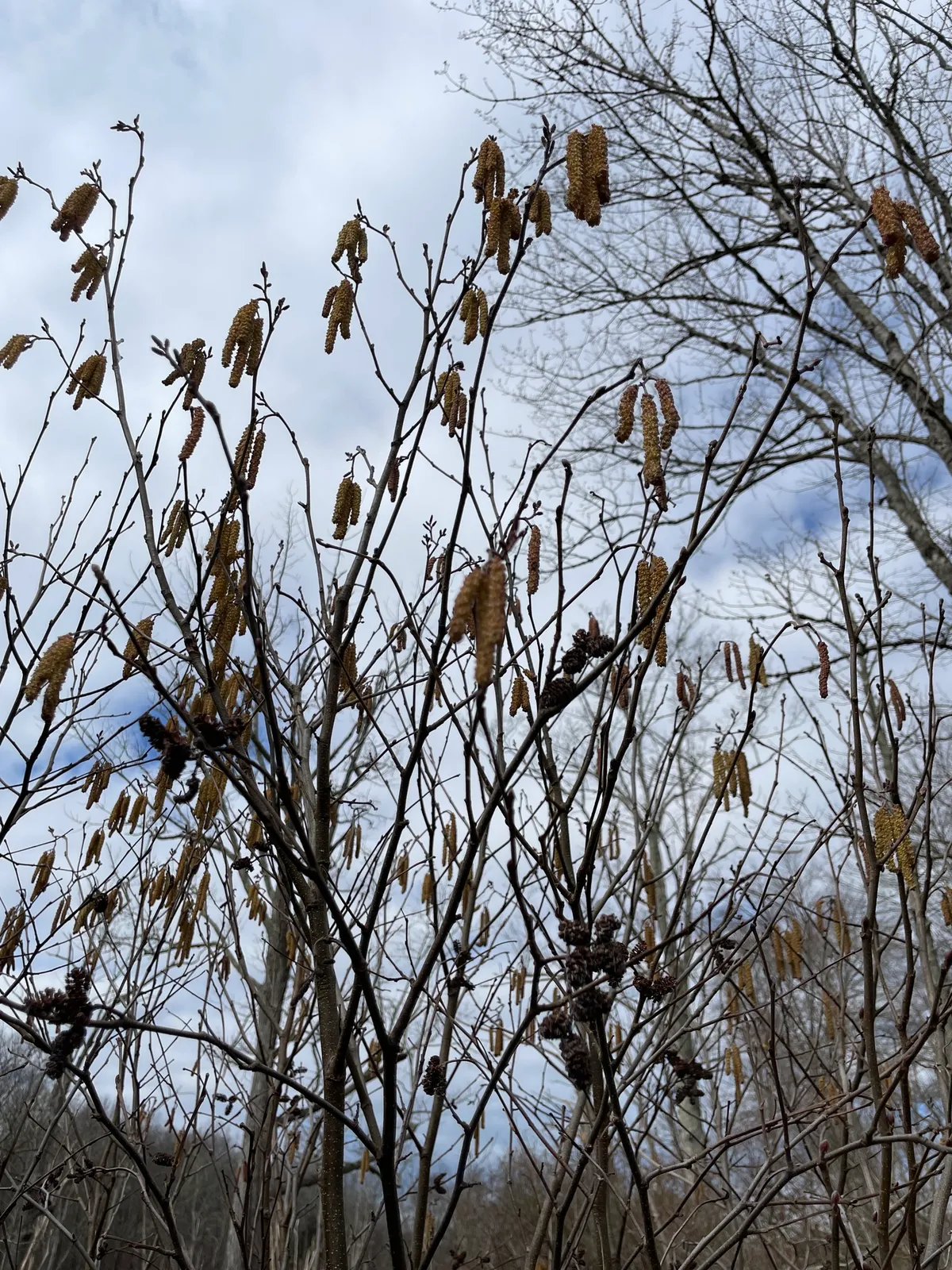
Native alternatives to Camellia
Camellia is not native to the United States. These natives fill a similar role in a planting, matched on bloom season, bloom color and mature size.
Before you buy
Your city may pay you to plant this
Cities and water utilities offer rebates for replacing lawn with native and water-wise plants. We track 458 programs across 44 states, each with a link to the provider and the date we last checked it.
Find rebates in your areaA broadleaf evergreen shrub with dark glossy leaves and large rose like flowers in late winter and early spring, when almost nothing else blooms. It wants acid soil, part shade, and shelter from harsh afternoon sun and drying wind.
Growing Camellia
Grow Camellia in part shade and medium water. Mature plants reach 72 to 180 inches tall and spread 60 to 120 inches wide. Expect moderate maintenance to keep it looking intentional in a front yard.
How to care for Camellia, by region
How to care for Camellia where it is actually grown: year-round basics plus what to do each season, region by region, with the sources for each.
Care guidance last updated: August 2026
Middle Atlantic Coastal Plain (includes Philadelphia, PA)
Year-round
Camellia japonica is a broadleaf evergreen shrub grown for its glossy leaves and its late winter through spring flowers. It is an Asian ornamental with no wild range in North America, so no nativity claim applies here. In the Philadelphia area it sits near the cold edge of where it reliably survives, so siting matters more than it would farther south.
- Give it part shade with shelter from harsh winter wind and strong afternoon sun. Exposed leaves can scorch in cold, windy weather.
- Plant in acidic, well drained soil with plenty of organic matter worked in. Camellias struggle in soggy or alkaline ground.
- A spot near a house wall or fence that blocks winter wind gives it a warmer microclimate, which helps a lot in a zone 7 area like Philadelphia.
- Camellia is not on the ASPCA list of toxic plants for dogs, cats, or horses.
Fall
Fall is a quiet season for camellia. The plant is holding onto the flower buds it set over the summer, getting ready to open them in late winter or early spring.
- Skip pruning now. Any cuts at this point would remove the buds that are about to bloom.
- Water through dry fall stretches so the plant goes into winter well hydrated.
- Refresh mulch around the base before the ground freezes to protect the roots through winter.
Winter
Winter is the biggest test for camellia in the Philadelphia area, since the region sits near the cold edge of where this plant reliably survives outdoors.
- A sheltered spot out of direct winter wind and harsh afternoon sun helps prevent leaf scorch and bud loss.
- Sudden hard freezes, especially readings near 0 degrees Fahrenheit, can damage or kill flower buds even on an established plant.
- Flower buds may start opening in late winter. A late cold snap can brown the blooms that are already out. That is normal winter weather damage, not a sign the plant is failing.
- Mulching the root zone before winter helps buffer the shallow roots from freeze and thaw cycles.
Spring
Spring is when camellia finishes its main flowering and pushes new growth, which makes it the best window for pruning and feeding.
- Prune right after flowering ends to shape the shrub. This timing matters because next year's flower buds form over the summer, so pruning later removes next year's blooms.
- Feed with an acid loving plant fertilizer once flowering wraps up and new growth starts.
- Check for any winter damage on leaves and stems and trim out parts that did not make it through the cold.
A tidy post bloom prune keeps the shrub's shape neat for a front yard, and doing it right after flowering avoids cutting off next year's buds.
Summer
Summer heat means camellia needs steady moisture and protection from the harshest afternoon sun, while next year's flower buds are quietly forming.
- Water deeply about once a week during hot, dry stretches. Shallow, frequent watering does not reach the roots as well as a slower deep soak.
- Keep a few inches of mulch around the base to protect the shallow root system and hold in moisture.
- Avoid heavy pruning now. This is when next year's flower buds are setting, and cutting them off means fewer blooms next spring.
- Watch leaves for scorch, meaning brown crispy edges, if the plant is getting more direct afternoon sun than it can handle.
Sources: Virginia Cooperative Extension, Japanese Camellia (Camellia japonica), Missouri Botanical Garden Plant Finder, Camellia japonica, ASPCA Toxic and Non-Toxic Plants, Camellia, Wilson Bros Gardens, Most Cold Tolerant Camellia Plants for Zones 6-7
In an HOA neighborhood
Camellia is an HOA-friendly choice. Maintenance level: moderate. Tidiness: 4 out of 5.
Works well in: front yard, foundation bed, border.
Wildlife value
Grown as an ornamental. Non-native plants support far fewer local insects than a native of similar size, so treat this as garden interest rather than habitat.
Common questions
- How much sun does Camellia need?
- Camellia grows best in part shade conditions.
- When does Camellia bloom?
- Camellia blooms in January, February, March, and December.
- Is Camellia toxic to dogs?
- Camellia is not on the ASPCA Animal Poison Control Center toxic plant list for dogs (aspca.org).
- Is Camellia toxic to cats?
- Camellia is not on the ASPCA Animal Poison Control Center toxic plant list for cats (aspca.org).
- Is Camellia HOA-friendly?
- Camellia is generally an HOA-friendly choice in the right placement, with moderate maintenance.
Pollinator and host plant associations compiled from GBIF, iNaturalist, and published ecological literature.
If something looks wrong
Common plant problems, and what to check first
These come up on almost any plant. Each guide lists the likely causes in the order they are worth ruling out, with one thing to check before you act on any of them, and links to the source it came from.
- It is dying right after planting
- Leaves turning yellow
- Wilting even though I watered it
- Brown crispy leaf tips
- Bugs on the plant
Ready to grow Camellia? Add it to your garden in Pollinator Patch to track it and get season-by-season care guidance.