Is Chinaberry Toxic to Dogs?
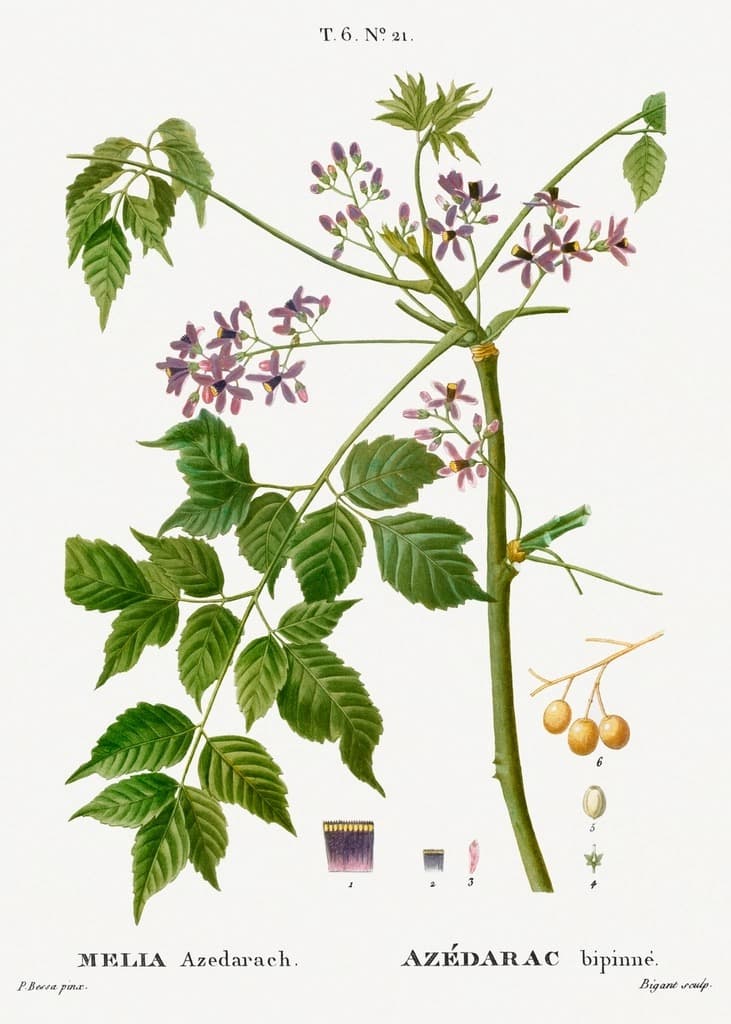
Melia azedarach
/images/plants/chinaberry/attribution.json.Yes. Chinaberry is toxic to dogs and cats.
Severity: severe. If your pet has been exposed, call the ASPCA Animal Poison Control Center at (888) 426-4435. Your veterinarian's emergency line is the other call to make.
Safe native alternative: Mexican Plum. See the full list of swaps in our toxic plants for dogs in Texas guide.
Light
full sun
Water
low
Size
240"–600" H × 240"–480" W
Bloom
Apr, May
Chinaberry (Melia azedarach) is an invasive non-native tree common in older Texas neighborhoods and abandoned lots, and the ASPCA Animal Poison Control Center plant database lists it as toxic to dogs, cats, and livestock. The fruit (small yellow berries that ripen in late fall and persist into winter) is the most concentrated source of the toxic compounds (meliatoxins, tetranortriterpenes).
Symptoms of Chinaberry ingestion: vomiting, diarrhea (sometimes bloody), weakness, seizures, and respiratory failure in severe cases. The Merck Veterinary Manual cites cases where as few as 6-8 berries caused fatal poisoning in small dogs. Symptoms can be delayed several hours, which makes ingestion easy to miss. Call the ASPCA at (888) 426-4435 if your dog may have eaten the berries.
Chinaberry is also classified as an invasive species by the Texas Invasive Species Institute, so removing it serves both pet safety and ecological purposes. The tree drops large quantities of berries in fall and winter, and dogs find them while sniffing around the yard. The berries are also attractive to children.
Safe native alternative: Mexican Plum (Prunus mexicana). White spring blooms, small edible fruit (safe for humans and birds), great fall color, native to most of Texas, and not on the ASPCA toxic plant list. If you have a Chinaberry tree in a yard with pets, removal is the recommended path. While the tree is in place, rake fallen berries weekly during the fall and winter drop season.
Before you buy
Your city may pay you to plant this
Cities and water utilities offer rebates for replacing lawn with native and water-wise plants. We track 452 programs across 44 states, each with a link to the provider and the date we last checked it.
Find rebates in your areaIf something looks wrong
Common plant problems, and what to check first
These come up on almost any plant. Each guide lists the likely causes in the order they are worth ruling out, with one thing to check before you act on any of them, and links to the source it came from.
- It is dying right after planting
- Leaves turning yellow
- Wilting even though I watered it
- Brown crispy leaf tips
- Bugs on the plant
Pollinator Patch flags toxic plants like Chinaberry so you can find a dog and cat-safe native alternative for your yard.
Planning a bed around it? Start a free plan with this plant
Not sure where to start? Take the 2-minute yard quiz