Climbing euonymus
Euonymus fortunei
Last reviewed: October 2026
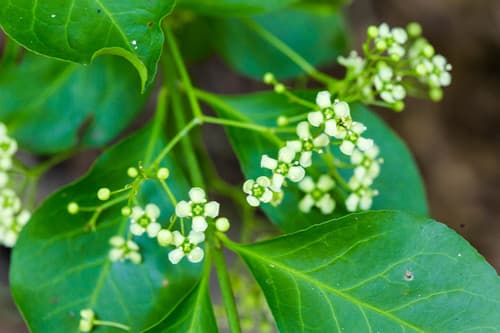
Climbing euonymus (Euonymus fortunei) is a perennial vine. It blooms in June and July. The flowers draw bees.
Toxicity unknown
Climbing euonymus (Euonymus fortunei) is not listed by the ASPCA Animal Poison Control Center (opens in new tab) or the other sources we check, so we have no verdict for it either way. Absence from those lists is not a clearance. If your pet shows symptoms after eating any plant, call the ASPCA at (888) 426-4435.
Light
part sun
Water
medium
Size
6"–240" H × 24"–96" W
Bloom
Jun, Jul
Pollinators
bees
Native alternatives to Climbing euonymus
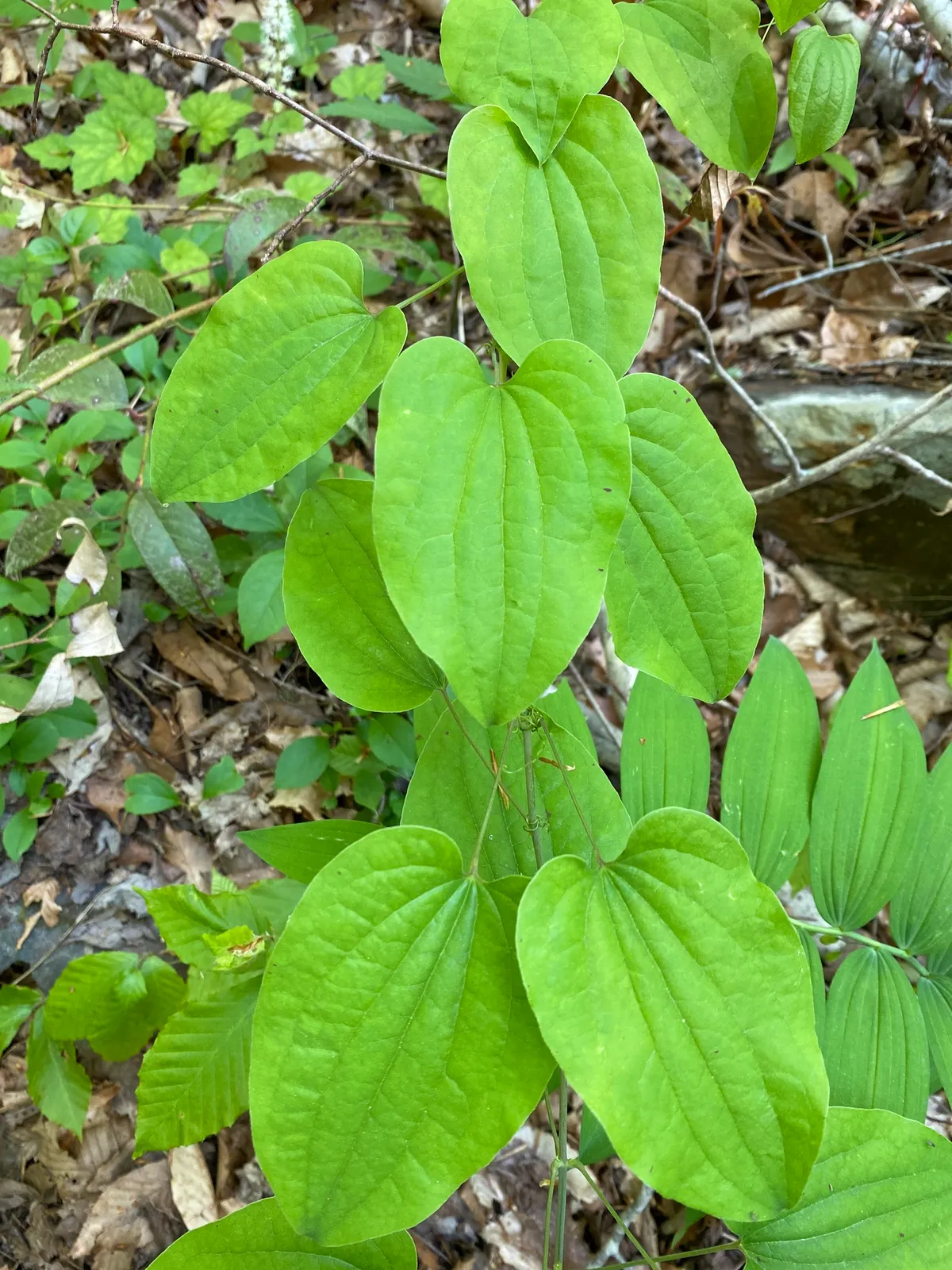
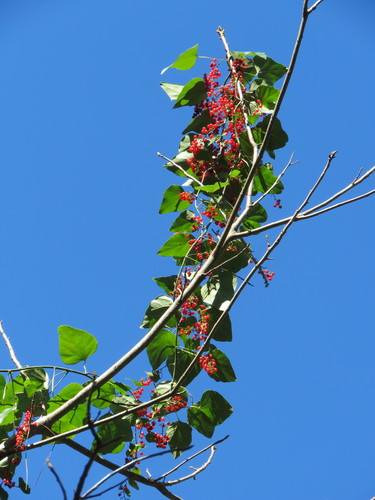
Climbing euonymus is not native to the United States. These natives fill a similar role in a planting, matched on bloom season, bloom color and mature size.

Before you buy
Your city may pay you to plant this
Cities and water utilities offer rebates for replacing lawn with native and water-wise plants. We track 459 programs across 44 states, each with a link to the provider and the date we last checked it.
Find rebates in your areaPicture natives in your own yard
Wondering what could grow where Climbing euonymus is now? Upload a photo of the spot and Patch Vision shows a rendering of it replanted with natives for your region.


A woody evergreen groundcover or climbing vine grown for its glossy foliage. Spreads by rooting stems along the ground and can climb trees or structures using aerial roots once established.
Growing Climbing euonymus
Grow Climbing euonymus in part sun and medium water. Mature plants reach 6 to 240 inches tall and spread 24 to 96 inches wide. Expect low maintenance to keep it looking intentional in a front yard.
How to care for Climbing euonymus, by region
How to care for Climbing euonymus where it is actually grown: year-round basics plus what to do each season, region by region, with the sources for each.
Care guidance last updated: September 2026
Western Corn Belt Plains (includes Des Moines, IA)
Year-round
Climbing euonymus (wintercreeper) is an evergreen groundcover or climbing vine originally from East Asia, not a Midwest native, and Iowa State University Extension lists it among landscape plants worth replacing with native groundcovers because it spreads aggressively by rooting runners. In the Des Moines area it tolerates full sun to fairly deep shade and adapts to most garden soils, but it does poorly anywhere the ground stays wet.
- Grows low as a groundcover on its own, but sends out long climbing stems with aerial roots if it reaches a fence, wall, or tree trunk
- Handles full sun to heavy shade and most soil types except consistently wet ground
- Watch for euonymus scale, a hard shelled insect pest that can build up on stems and weaken or kill sections of the planting
- Because it roots as it spreads and can climb into trees, keep it away from wooded edges and check the bed edges periodically
- The ASPCA lists related Euonymus species sold as spindle tree, wahoo, and burning bush as toxic to dogs, cats, and horses (alkaloids and cardenolides, causing vomiting, diarrhea, and in large amounts heart rhythm changes). There is no ASPCA listing specific to this exact species, but since it shares the genus, it is worth keeping pets and grazing animals from eating the leaves or berries
Fall
Fall is the best time in central Iowa to do the yearly cutback and edge on climbing euonymus, both for plant health and for a tidy look going into winter. It is also when the pinkish red seed capsules split open, and since birds and other wildlife carry the seeds into wild areas, cutting off fruiting stems limits how far this non-native plant can spread on its own.
- Trim the planting back to a clean edge along walkways, driveways, and lawn lines before the first hard frost
- Cut off stems carrying the small pink to red seed capsules if you want to limit self seeding into nearby wild or wooded areas
- Remove any stems that climbed a tree, fence, or wall this season, since older climbing growth gets woodier and harder to pull free the longer it is left
- Rework the bed edge now if runners crept into the lawn or a neighboring bed over the summer
A clean fall cutback and edge along walkways and lawn lines reads as intentional care, not neglect, heading into winter.
Winter
Climbing euonymus stays evergreen through central Iowa winters, which means its leaves are exposed to cold, drying wind and bright winter sun that most other perennials never have to deal with. This can cause winter burn, a bronze or brown scorched look on the leaves, especially on plants in open, windy spots or against a south facing wall or driveway.
- Expect some leaf bronzing or browning after a hard winter. This is usually just cosmetic winter burn, not a sign the plant is dead
- Water the plant well in late fall before the ground freezes, since a well hydrated root system handles winter wind better
- When choosing a planting spot, avoid full winter wind exposure or reflected sun off a south facing wall, fence, or driveway if you can help it
- Hold off cutting out winter burned leaves until spring, once new growth shows which stems are still alive
Spring
Spring is when to check climbing euonymus for winter damage and get ahead of pests before the growing season takes off. In central Iowa, evergreen euonymus can look ragged after a hard winter and still leaf out fine, so wait until new growth appears before deciding a stem is dead.
- Cut back brown, bare, or scorched stems only after new growth shows you which wood is still alive
- Trim back any runners that crept past the bed edge the previous season, before they root down again
- Start checking new leaves and stems for euonymus scale, small white or brown bumps, so a light infestation does not turn into a heavy one by summer
- If you divide or transplant a section, water it in and keep the soil evenly moist while it establishes, but do not let it sit waterlogged
Summer
Once established, climbing euonymus in the Des Moines area handles summer heat and short dry spells without much attention, since it is more likely to struggle from wet roots than from drought. Summer is the main window to watch for euonymus scale buildup and to keep climbing stems from reaching structures or trees you do not want covered.
- Water only during extended dry stretches. One deep soaking beats several light waterings
- Check stems through the summer for euonymus scale, a fuzzy looking white or brown crust. Prune out and dispose of the worst sections if you find it
- Walk the bed a few times this season and redirect or cut back any stem that has started climbing a fence, tree trunk, or wall
- Small greenish white flowers appear in early summer but are easy to miss and not a feature most homeowners notice
Sources: Global Invasive Species Database: Euonymus fortunei species profile, Iowa State University Extension: Alternatives to Common or Invasive Landscape Plants, ASPCA Toxic and Non-Toxic Plants: Spindle Tree (Euonymus atropurpurea), NC State Extension Gardener Plant Toolbox: Euonymus fortunei, Iowa State University Extension: Broadleaf Evergreen Shrubs for Iowa
In an HOA neighborhood
Climbing euonymus takes more care to keep looking intentional in a front yard. Maintenance level: low. Consider it for backyard or mid-zone beds rather than the street edge.
Works well in: foundation planting, groundcover bed, trellis or wall cover.
- Classified as invasive in parts of the eastern and midwestern US; can escape cultivation and climb into tree canopies if left unmanaged
Wildlife value
Offers limited resources for native pollinators compared with regional native plants; its small flowers draw occasional bees during a brief early-summer bloom.
Common questions
- How much sun does Climbing euonymus need?
- Climbing euonymus grows best in part sun conditions.
- When does Climbing euonymus bloom?
- Climbing euonymus blooms in June and July.
- What pollinators does Climbing euonymus attract?
- Climbing euonymus draws bees.
- Is Climbing euonymus HOA-friendly?
- Climbing euonymus takes more care to look intentional in a front yard. Consider it for backyard or mid-zone beds rather than the street edge.
Pollinator and host plant associations compiled from GBIF, iNaturalist, and published ecological literature.
If something looks wrong
Common plant problems, and what to check first
These come up on almost any plant. Each guide lists the likely causes in the order they are worth ruling out, with one thing to check before you act on any of them, and links to the source it came from.
- It is dying right after planting
- Leaves turning yellow
- Wilting even though I watered it
- Brown crispy leaf tips
- Bugs on the plant
Ready to grow Climbing euonymus? Add it to your garden in Pollinator Patch to track it and get season-by-season care guidance.