Common periwinkle
Vinca minor
Last reviewed: October 2026
Common periwinkle (Vinca minor) is a perennial vine. It blooms in March, April, and May. The flowers draw bees.
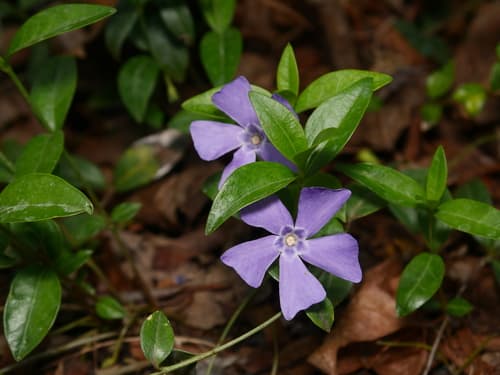
Toxicity unknown
Common periwinkle (Vinca minor) is not listed by the ASPCA Animal Poison Control Center (opens in new tab) or the other sources we check, so we have no verdict for it either way. Absence from those lists is not a clearance. If your pet shows symptoms after eating any plant, call the ASPCA at (888) 426-4435.
Light
part shade
Water
medium
Size
3"–6" H × 12"–24" W
Bloom
Mar, Apr, May
Pollinators
bees
Native alternatives to Common periwinkle
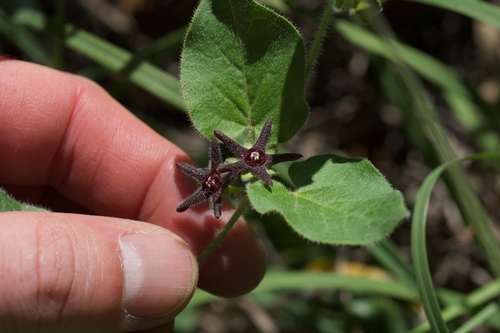
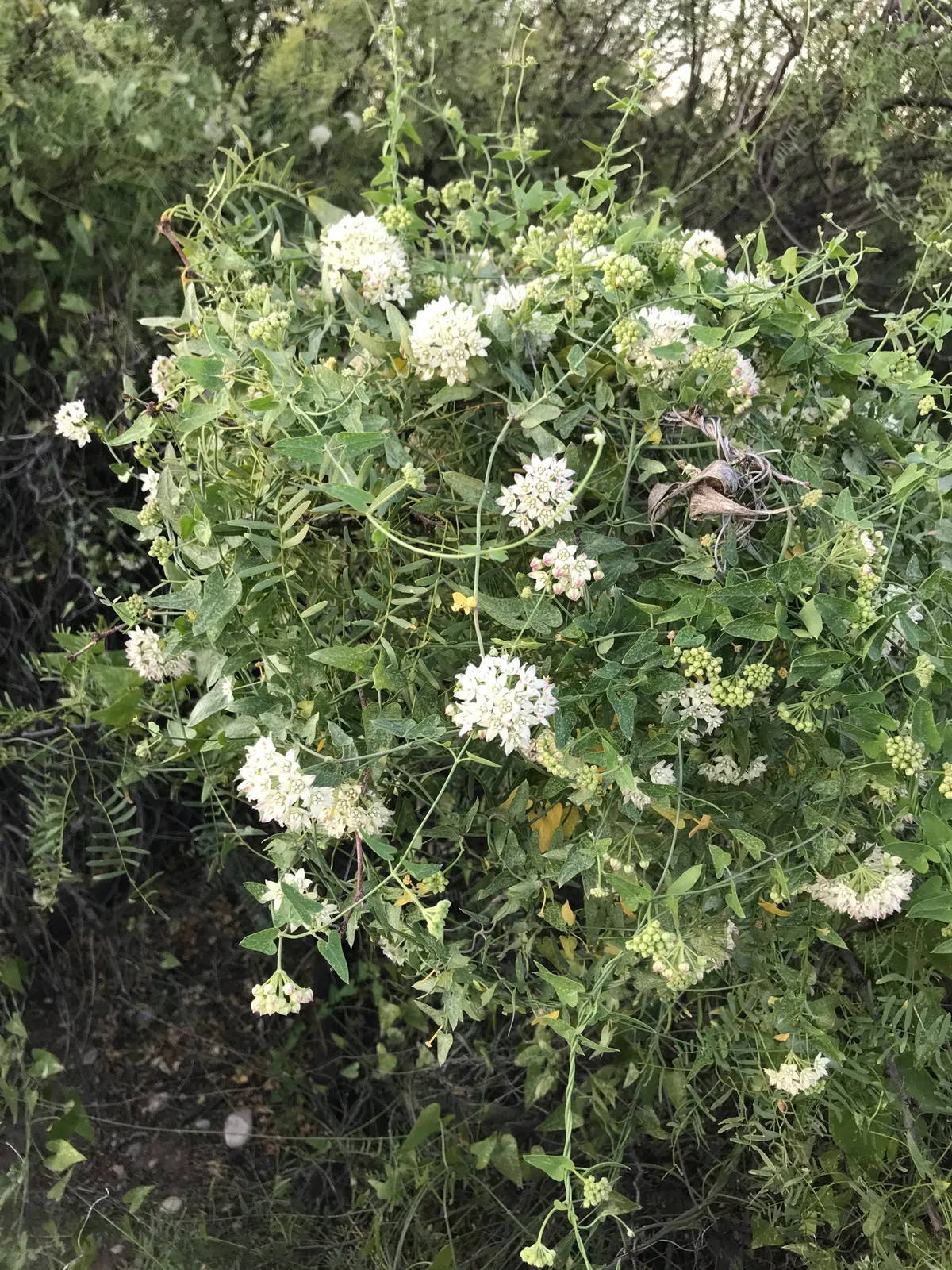
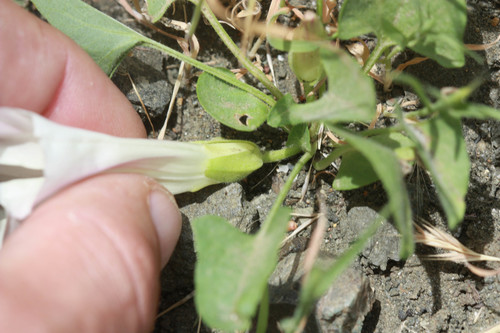
Common periwinkle is not native to the United States. These natives fill a similar role in a planting, matched on bloom season, bloom color and mature size.
Before you buy
Your city may pay you to plant this
Cities and water utilities offer rebates for replacing lawn with native and water-wise plants. We track 459 programs across 44 states, each with a link to the provider and the date we last checked it.
Find rebates in your areaPicture natives in your own yard
Wondering what could grow where Common periwinkle is now? Upload a photo of the spot and Patch Vision shows a rendering of it replanted with natives for your region.


A low, trailing evergreen groundcover vine that spreads by rooting stems to form a dense mat of glossy foliage.
Growing Common periwinkle
Grow Common periwinkle in part shade and medium water. Mature plants reach 3 to 6 inches tall and spread 12 to 24 inches wide. Expect low maintenance to keep it looking intentional in a front yard.
How to care for Common periwinkle, by region
How to care for Common periwinkle where it is actually grown: year-round basics plus what to do each season, region by region, with the sources for each.
Care guidance last updated: September 2026
Piedmont (includes Atlanta, GA)
Year-round
Common periwinkle is a low, trailing evergreen groundcover from Europe that you already have in your garden. In Georgia it is listed as a moderate invasive plant problem, so the goal is managing and containing what you have rather than letting it spread.
- Keep it inside a defined bed edge, trailing stems root wherever they touch soil and can creep well past where you planted it
- Edge or trim the perimeter regularly so it does not cross into lawn, mulch beds, or nearby wooded or natural areas
- Never dump pulled clippings in a natural area or compost pile that touches open ground, rooted stems can start new patches
- If you have dogs or cats that spend time in this bed, know that vinca contains vinca alkaloids and is listed as toxic to dogs, cats, and horses
- Bag and trash (not compost near a natural edge) any large volume of trimmings removed during containment work
A well-edged periwinkle bed reads as tidy and HOA-friendly groundcover, but an unchecked patch spreading past its border can look unkempt and is worth keeping trimmed back.
Fall
Fall is a good window for a thorough containment pass in Atlanta, before the first frost in mid-November slows growth for the year.
- Rake fallen leaves off the groundcover so it does not mat down and hold moisture against the foliage
- Do one more edging pass to catch runners that spread during the growing season
- Fall is also fine timing for dividing or relocating a small patch if you want it in a more contained spot
- Dispose of any removed runners in the trash, not a curbside yard-waste pile that could re-root
Winter
This groundcover stays evergreen through Atlanta's mild winters, so it needs little upkeep, but it is a low-effort time to do one more check for stray runners.
- No winter protection is needed, it holds up fine through Atlanta's zone 7b/8a winters
- A slow season is a good time to walk the bed edge and pull any runners that have escaped since fall
- If dogs or cats have outdoor access to this bed, keep in mind vinca is listed as toxic to dogs, cats, and horses
- Skip fertilizing, this plant does not need extra encouragement to grow
Spring
Spring brings a flush of new growth and small blue-violet flowers, and it is the best time of year in Atlanta to get ahead of this plant's spreading habit before summer growth takes off.
- After Atlanta's last frost in late March, trim back runners that crept past the bed edge over winter
- Check for stems that have rooted into the lawn or adjacent beds and pull those before they establish
- A light spring feeding is not necessary, this groundcover grows vigorously on its own
- Good time to install a physical edge (metal or plastic edging, a mowed strip) if the bed does not already have one
Summer
Atlanta's hot, humid summers are exactly the conditions this groundcover thrives in, which means containment work needs to happen more often, not less.
- Trim the perimeter every few weeks during peak summer growth to keep it from creeping into lawn or nearby beds
- Watch for leaf spot in prolonged humid, wet stretches, thin dense patches for better airflow if you see spotting
- Water is rarely needed once established, this plant tolerates Georgia's summer heat well on its own
- Avoid letting mowed or trimmed stems sit in a pile touching bare soil near a wooded edge, they can root there
Sources: Georgia Exotic Pest Plant Council: List of Non-native Invasive Plants in Georgia (Vinca minor, Category 2), ASPCA: Toxic and Non-Toxic Plants - Vinca
Western Gulf Coastal Plain (includes Houston, TX)
Year-round
Lesser periwinkle is a low, trailing evergreen groundcover that spreads by rooting stems; in the Houston area it does best in shaded to part-shade beds where summer heat is less intense.
- Plant in part shade to full shade; Houston's hot, humid summer sun can scorch the foliage.
- Water regularly through the first growing season to establish; once rooted it tolerates dry spells.
- Shear or mow lightly once a year to keep growth dense and manage its spread.
- Reported toxic to dogs, cats, and horses if ingested, per the ASPCA, so keep pets that chew on foliage away from the bed.
Kept edged and mowed low, it reads as a tidy shaded groundcover rather than an unmanaged spread, which keeps it HOA-friendly.
Fall
Growth slows as temperatures cool; fall is a good window for a light trim and new plantings.
- Cooler, milder fall weather is a good window for planting new periwinkle divisions.
- Reduce watering as the weather cools and rainfall picks up.
- Clear fallen leaves off the bed so they don't smother the low foliage.
Winter
In the Houston area periwinkle stays evergreen through winter with only occasional frost damage during hard freezes.
- Foliage may brown after a hard freeze but typically resprouts as temperatures warm.
- Hold off on major pruning until freeze risk has passed for the season.
- Keep the bed on the drier side while growth is slow through winter.
A frost-browned patch can look ragged; a light shearing once freeze risk passes restores a tidy appearance.
Spring
Spring is bloom season and a good time to tidy up winter-tattered foliage and expand plantings.
- Shear back any winter-tattered foliage in late winter to early spring to make room for fresh growth.
- Watch for violet-blue flowers appearing through the foliage in March and April.
- Divide and replant crowded sections if you want to expand coverage elsewhere in the bed.
Summer
Houston's summer heat and humidity are the toughest stretch for periwinkle; consistent shade and moisture keep it from scorching.
- Water during dry stretches, especially in beds that get any afternoon sun.
- Watch for fungal leaf spot in humid weather; thin dense mats to improve airflow if it appears.
- Keep it edged back from walkways and turf so it doesn't spread past the bed.
Sources: Texas A&M AgriLife Extension (Aggie Horticulture), Periwinkle (Vinca), ASPCA Toxic and Non-Toxic Plant List
In an HOA neighborhood
Common periwinkle takes more care to keep looking intentional in a front yard. Maintenance level: low. Consider it for backyard or mid-zone beds rather than the street edge.
Works well in: shaded foundation beds, under trees, slope erosion control.
- spreads by rooting stems and can be aggressive without edging
- reported toxic to dogs and cats if ingested
Wildlife value
Spring flowers are visited by early-season bees, but this plant offers limited ecological value compared to native groundcovers and is reported toxic to dogs and cats if ingested.
Common questions
- How much sun does Common periwinkle need?
- Common periwinkle grows best in part shade conditions.
- When does Common periwinkle bloom?
- Common periwinkle blooms in March, April, and May.
- What pollinators does Common periwinkle attract?
- Common periwinkle draws bees.
- Is Common periwinkle HOA-friendly?
- Common periwinkle takes more care to look intentional in a front yard. Consider it for backyard or mid-zone beds rather than the street edge.
Pollinator and host plant associations compiled from GBIF, iNaturalist, and published ecological literature.
If something looks wrong
Common plant problems, and what to check first
These come up on almost any plant. Each guide lists the likely causes in the order they are worth ruling out, with one thing to check before you act on any of them, and links to the source it came from.
- It is dying right after planting
- Leaves turning yellow
- Wilting even though I watered it
- Brown crispy leaf tips
- Bugs on the plant
Ready to grow Common periwinkle? Add it to your garden in Pollinator Patch to track it and get season-by-season care guidance.