Fig
Ficus carica
Last reviewed: October 2026
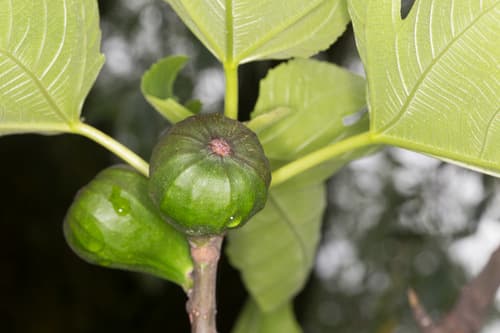
Fig (Ficus carica) is a perennial tree. It blooms in May and June.
Toxicity unknown
Fig (Ficus carica) is not listed by the ASPCA Animal Poison Control Center (opens in new tab) or the other sources we check, so we have no verdict for it either way. Absence from those lists is not a clearance. If your pet shows symptoms after eating any plant, call the ASPCA at (888) 426-4435.
Light
full sun
Water
medium
Size
120"–300" H × 120"–300" W
Bloom
May, Jun
Native alternatives to Fig
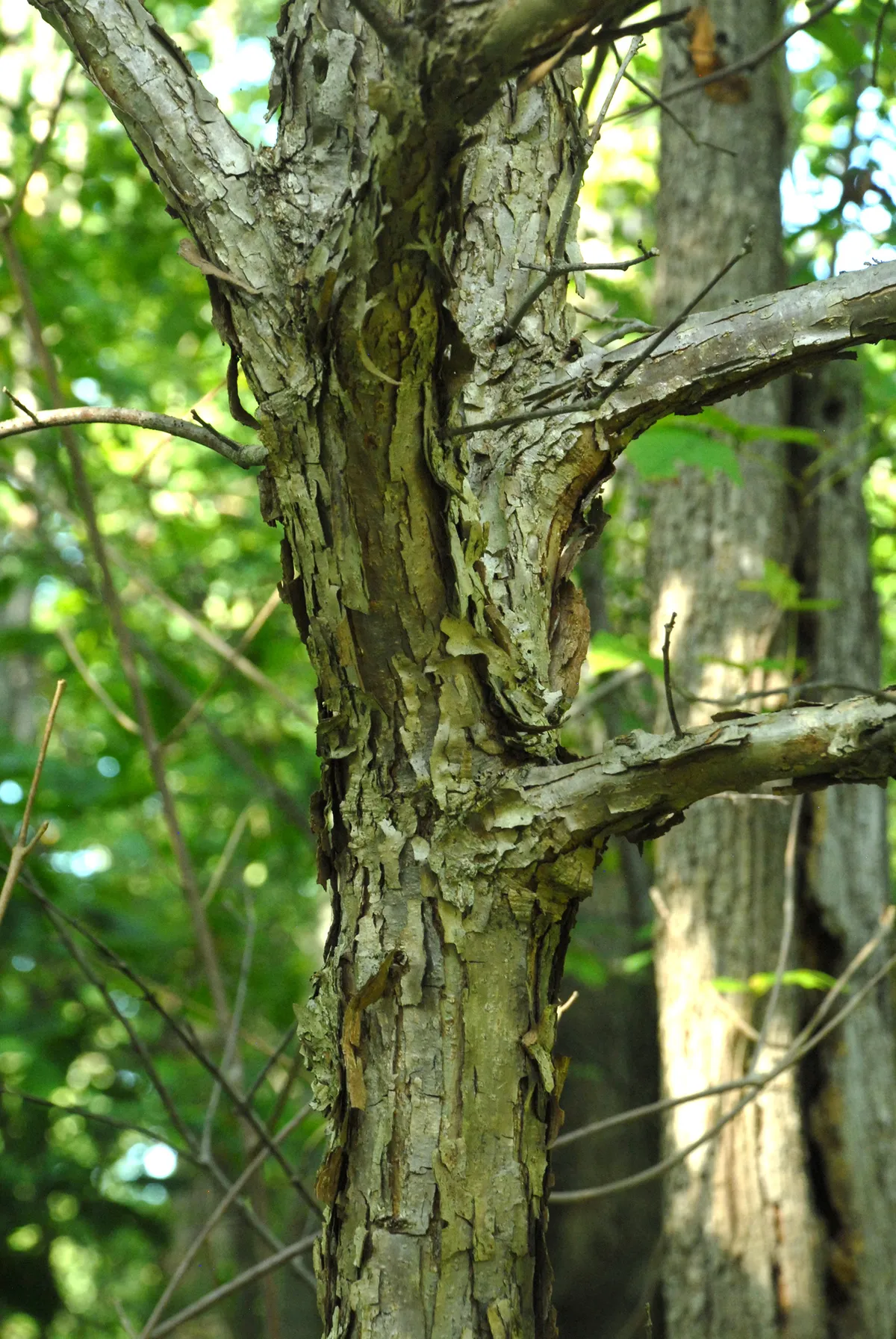
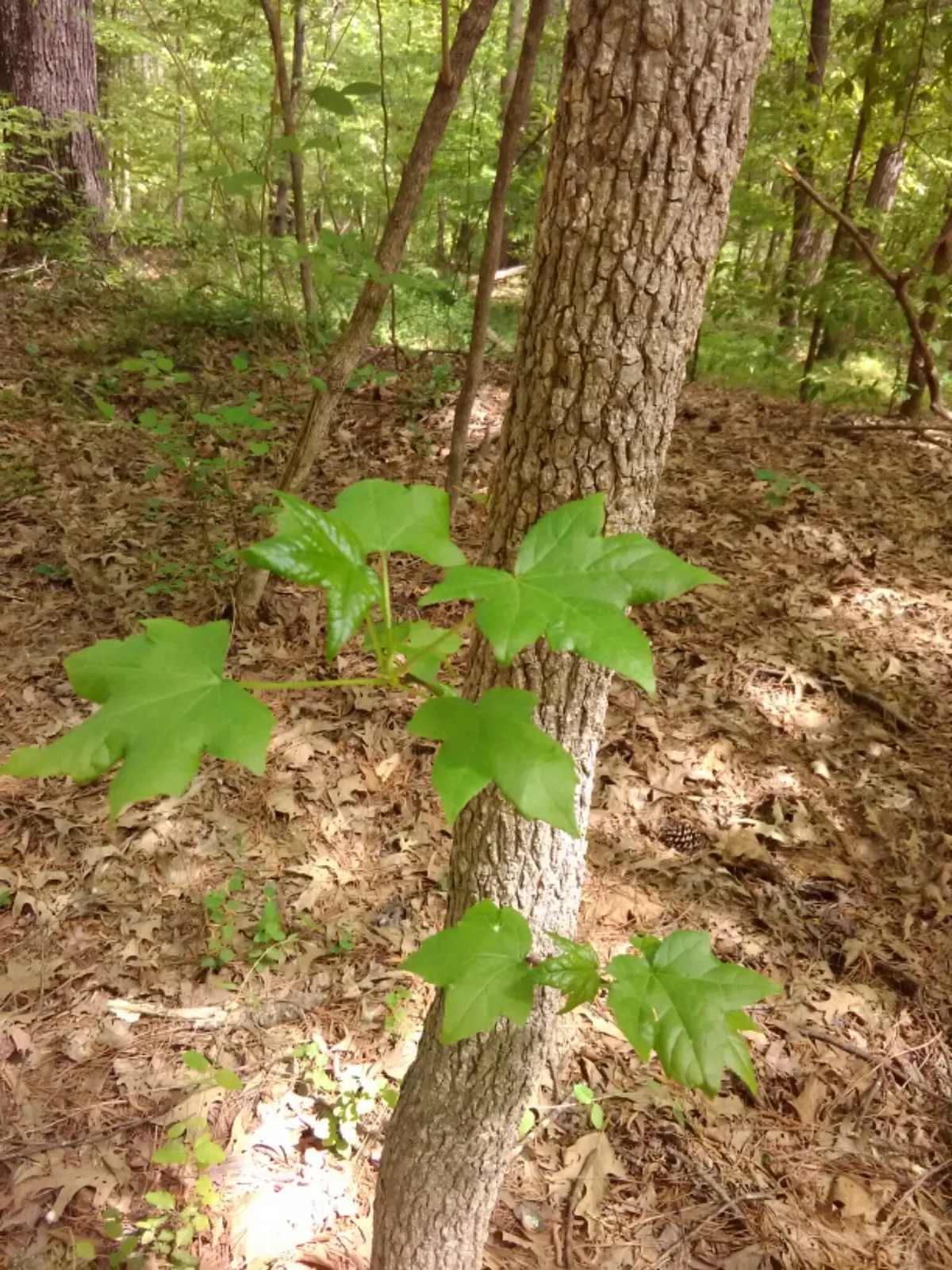
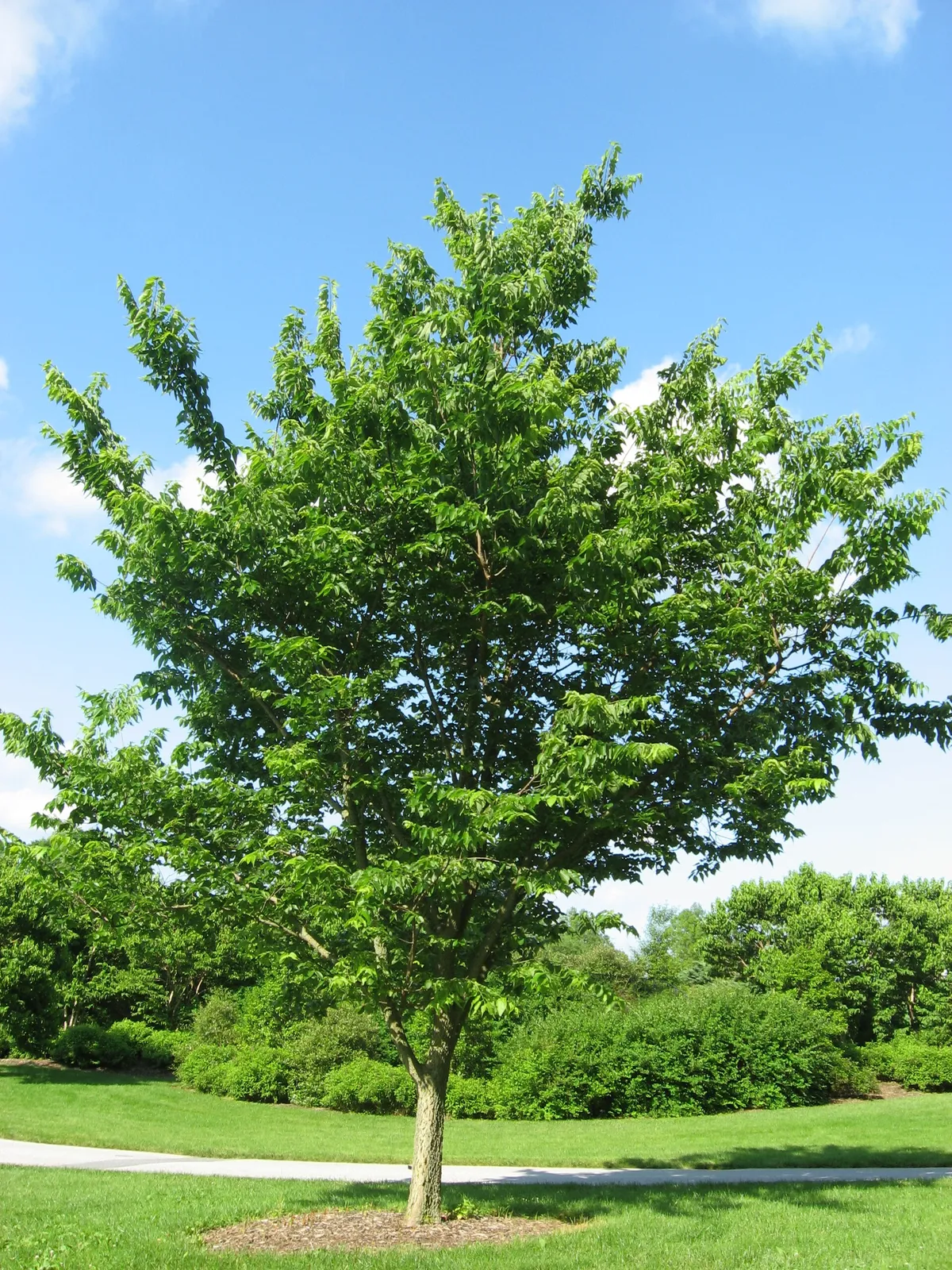
Fig is not native to the United States. These natives fill a similar role in a planting, matched on bloom season, bloom color and mature size.
Before you buy
Your city may pay you to plant this
Cities and water utilities offer rebates for replacing lawn with native and water-wise plants. We track 460 programs across 44 states, each with a link to the provider and the date we last checked it.
Find rebates in your areaPicture natives in your own yard
Wondering what could grow where Fig is now? Upload a photo of the spot and Patch Vision shows a rendering of it replanted with natives for your region.


A large deciduous shrub or small tree with bold lobed leaves and soft sweet fruit in late summer. Common garden varieties set fruit without a pollinator. Roots are aggressive, so give it room away from foundations and pipes.
Growing Fig
Grow Fig in full sun and medium water. Mature plants reach 120 to 300 inches tall and spread 120 to 300 inches wide. Expect moderate maintenance to keep it looking intentional in a front yard.
How to care for Fig, by region
How to care for Fig where it is actually grown: year-round basics plus what to do each season, region by region, with the sources for each.
Care guidance last updated: September 2026
Piedmont (includes Atlanta, GA)
Year-round
Fig trees do best in full sun with steady moisture and light feeding, and the plant's sap needs a bit of caution when you prune or pick.
- Plant in full sun, at least 8 hours a day, in well drained soil. Give it room since an unpruned fig can spread 10 to 15 feet wide as a multi stemmed bush.
- Water about 1 to 1.5 inches per week during the growing season and add extra during hot, dry stretches. Steady moisture helps the fruit ripen instead of drying out on the branch.
- Keep fertilizer light. Heavy feeding pushes fast, tender growth that is more likely to freeze back the following winter.
- Pick a planting spot that has not grown vegetables or fruit trees before, if you can. Fig roots are sensitive to root knot nematodes that build up in old garden soil, and there is no cure once a plant is infested.
- Pruning or picking releases a milky plant sap that can cause a sunburn like skin reaction if it gets on skin that is then exposed to sunlight. Wear gloves and long sleeves when you cut into the plant, and wash any exposed skin afterward.
Fall
Fall is cleanup and cold prep time, tapering off feeding and getting the root zone ready for winter.
- Rake up and dispose of fallen leaves promptly, especially if fig rust caused yellowing over the summer. This cuts down on the fungus spores that overwinter in leaf litter.
- Stop fertilizing for the season. Feeding this late encourages tender new growth that will not have time to harden off before frost.
- Add a fresh layer of mulch over the root zone as nights start turning consistently cold. This buffers roots against the freezing and thawing that causes the most cold damage.
- If the tree is young or a less hardy variety, wrap the trunk with burlap or frost cloth once hard freezes are expected.
Raking fallen leaves and refreshing mulch by late fall keeps the bed looking tended through the dormant months, especially if rust caused early leaf drop.
Winter
Winter is pruning time and the season when Atlanta's cold most often knocks a fig back to the ground.
- Prune in late winter, after the coldest weather has passed but before new growth starts. Remove dead, damaged, or crossing branches to keep an open shape.
- Expect some branch dieback from winter cold in the Atlanta area. Wait until new growth appears in spring to see how far back a stem actually died before cutting further.
- Keep mulch in place over the root zone through the coldest months. Roots and the lower trunk need the most protection, since figs can often resprout from the base even after a hard freeze kills the top growth.
- For a young or small tree, wrapping the trunk with burlap or frost cloth during hard freezes gives more protection than mulch alone.
A fig frozen back to bare stems can look dead all winter to a passerby. Leaving it unpruned until spring growth appears is normal for this climate, not neglect.
Spring
Spring is planting and regrowth season for figs in Atlanta, and it is when you find out how much winter cold took back.
- In the Atlanta area, plant new bare root fig trees in spring once the risk of a hard freeze has passed, while the tree is still dormant.
- If winter cold killed back last year's growth, wait for new shoots to appear at the base before deciding what to prune. Piedmont area figs are commonly frozen to the ground and regrow as a bush rather than a tree.
- Train young growth into a bush form with 3 to 8 well spaced main stems instead of a single trunk. This makes the plant easier to protect from cold later and keeps fruit within reach.
- Resume light fertilizing once new leaves are fully out, and stop again well before late summer so growth has time to harden off before the next cold season.
Summer
Summer is when figs need the most water and when fruit problems and leaf disease show up in Atlanta's heat and humidity.
- Keep watering at about 1 to 1.5 inches per week and add more during hot, dry spells. Atlanta summers can go two or three weeks with little rain even though the season overall is humid.
- Mulch around the base to hold soil moisture and moderate root temperature. This helps prevent fruit from dropping early before it ripens.
- Figs with a loose or open eye are more prone to splitting and souring when insects get inside the fruit. Picking ripe fruit promptly and choosing tighter eyed varieties both help.
- Yellowing and leaf drop in late summer is usually fig rust, a fungus that overwinters in fallen leaves. Raking up and disposing of dropped leaves through the season limits how much carries over.
- Wear gloves when harvesting in full sun. The milky sap at the fruit's stem can cause a skin reaction similar to a bad sunburn if it gets on skin in sunlight.
Split or dropped fruit can stain a walkway and draw wasps within a day. A quick daily pickup during the peak of harvest keeps the front yard looking tended.
Sources: UGA Extension, Home Garden Figs (C945), Clemson HGIC, Figs Factsheet (HGIC 1353), Fig Tree-Induced Phytophotodermatitis, case report
In an HOA neighborhood
Fig takes more care to keep looking intentional in a front yard. Maintenance level: moderate. Consider it for backyard or mid-zone beds rather than the street edge.
Works well in: front yard, foundation bed, border.
- Aggressive roots; keep well away from foundations and pipes.
Wildlife value
Grown as an ornamental. Non-native plants support far fewer local insects than a native of similar size, so treat this as garden interest rather than habitat.
Common questions
- How much sun does Fig need?
- Fig grows best in full sun conditions.
- When does Fig bloom?
- Fig blooms in May and June.
- Is Fig HOA-friendly?
- Fig takes more care to look intentional in a front yard. Consider it for backyard or mid-zone beds rather than the street edge.
Pollinator and host plant associations compiled from GBIF, iNaturalist, and published ecological literature.
If something looks wrong
Common plant problems, and what to check first
These come up on almost any plant. Each guide lists the likely causes in the order they are worth ruling out, with one thing to check before you act on any of them, and links to the source it came from.
- It is dying right after planting
- Leaves turning yellow
- Wilting even though I watered it
- Brown crispy leaf tips
- Bugs on the plant
Ready to grow Fig? Add it to your garden in Pollinator Patch to track it and get season-by-season care guidance.