Gregg Dalea
Dalea greggii
Last reviewed: September 2026
Gregg dalea is a low, spreading shrub that thrives in hot, dry sites across New Mexico and Texas, producing purple flower spikes from March through August that attract bees and butterflies.
Toxicity unknown
Gregg Dalea (Dalea greggii) is not listed by the ASPCA Animal Poison Control Center (opens in new tab) or the other sources we check, so we have no verdict for it either way. Absence from those lists is not a clearance. If your pet shows symptoms after eating any plant, call the ASPCA at (888) 426-4435.
Light
full sun
Water
low
Size
4"–9" H × 24"–48" W
Bloom
Mar, Apr, May, Jun, Jul, Aug
Native to
NM, TX
Pollinators
butterflies, bees
Before you buy
Your city may pay you to plant this
Cities and water utilities offer rebates for replacing lawn with native and water-wise plants. We track 452 programs across 44 states, each with a link to the provider and the date we last checked it.
Find rebates in your areaBrowse plants for this ecoregion
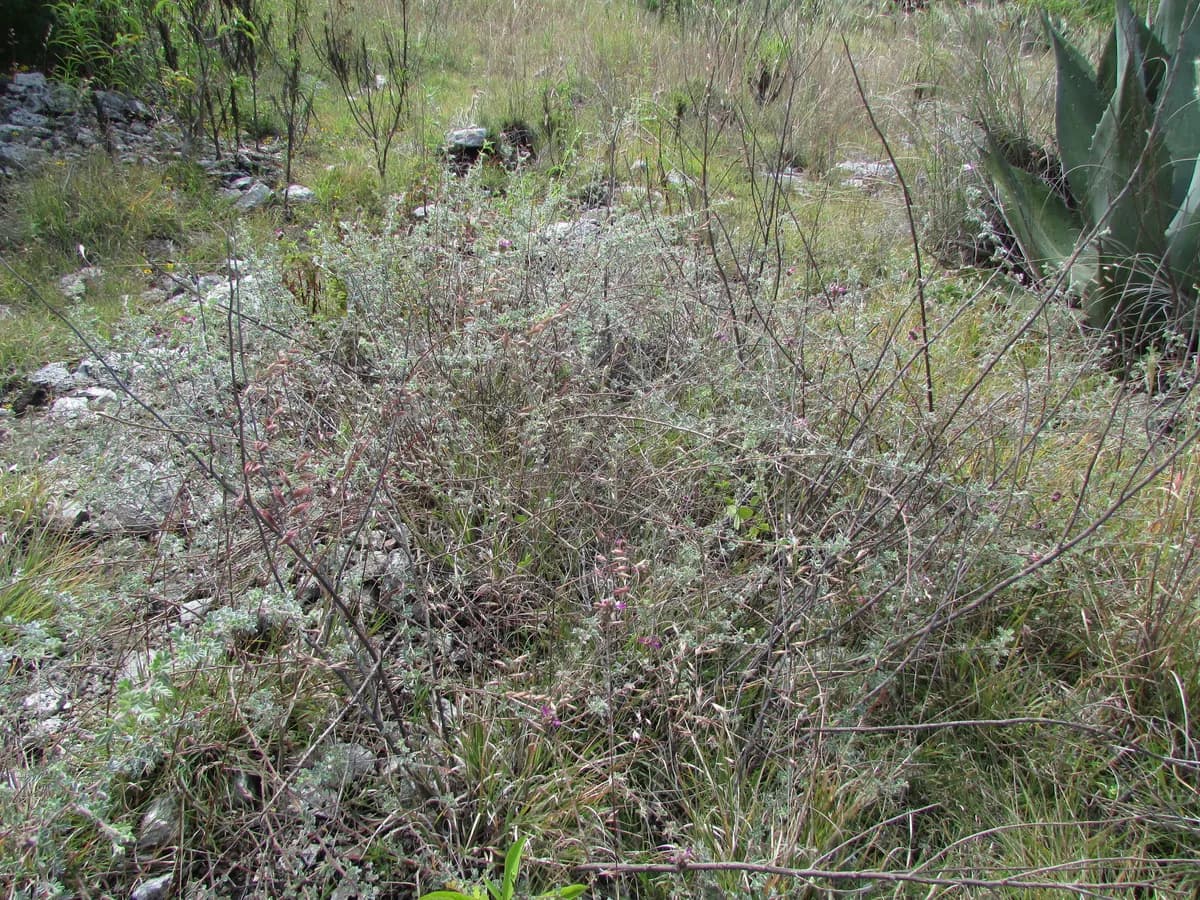
Gregg Dalea is a low-growing native perennial that forms attractive spreading mats of fine-textured foliage. It produces abundant small purple flower spikes from spring through summer, creating colorful ground-level displays in sunny, dry areas.
Growing Gregg Dalea
Grow Gregg Dalea in full sun and low water. Mature plants reach 4 to 9 inches tall and spread 24 to 48 inches wide. Expect low maintenance to keep it looking intentional in a front yard.
How to care for Gregg Dalea, by region
How to care for Gregg Dalea where it is actually grown: year-round basics plus what to do each season, region by region, with the sources for each.
Care guidance last updated: August 2026
Cross Timbers (includes Fort Worth, TX)
Year-round
Trailing indigo bush (Dalea greggii) is a low mounding, low water groundcover popular in Dallas-Fort Worth yards for slopes, hot parking strips, and xeriscape beds. It comes from the Trans-Pecos region of far West Texas, not from North Texas, so the trade off for its drought tolerance is that it needs excellent drainage to handle DFW's clay soils and humid summers.
- Give it full sun, at least six hours a day, for the tightest mounded form and best bloom.
- Good drainage matters more than anything else here. In Fort Worth's sandier Cross Timbers soils that usually just means avoiding low spots, in Dallas's heavier Blackland clay it often means planting on a slope or mounding the bed and mixing in expanded shale or coarse sand.
- Once established, water deeply about once a week in hot weather and let the soil dry out between waterings. Overwatering, not underwatering, is the most common way this plant fails here.
- It spreads four to six feet wide and mounds twelve to eighteen inches tall, so give it eight to ten feet of open bed. It is not a good fit for small planting strips.
- Its purple flower spikes draw bees and butterflies, and it serves as a larval host plant for several butterfly species.
Fall
Fall in DFW means cooling temperatures through the average first freeze around November 22, and trailing indigo bush should be winding down growth by then, not putting out new growth.
- Cut back on watering as temperatures drop. The plant needs much less water once daytime highs fall out of the 90s.
- Do not shear or prune in fall. New growth stimulated this late does not harden off before frost and is usually what gets damaged first.
- Fall is also a good planting window in DFW, since cooler air and still warm soil help new roots establish before winter.
- Check that the mound has good airflow against the soil. Wet foliage sitting on heavy clay through fall is a common source of crown rot.
Leaving the mound unpruned through fall keeps its shape and silhouette intact for the front yard. Save any shaping for spring.
Winter
Winters in DFW are generally mild but bring occasional hard freezes. Trailing indigo bush is evergreen in a typical winter and can die back or brown after a harder one.
- Hold off on pruning any winter damaged or browned stems until spring, once new growth low on the plant shows you what is actually alive. Cutting too early risks removing live wood.
- Water sparingly in winter, only during extended dry spells. Wet clay soil combined with a hard freeze raises the risk of root rot.
- If a hard freeze or ice event is forecast, a light frost cloth over the mound gives extra protection, since this plant is grown well outside its native West Texas range here.
- A harder freeze can leave the mound looking brown and ragged. That is usually cosmetic, and it typically resprouts from the base in spring.
A browned mound after a freeze can look neglected from the street. It is normal winter dieback here and usually fills back in by late spring, not a sign to remove the plant.
Spring
Spring, after DFW's average last freeze around March 12, is when trailing indigo bush pushes new growth and starts its main bloom flush.
- Wait until you see new growth low on the stems before judging winter damage, then trim back any dead or bare wood.
- If the mound needs shaping, do it now with a light shearing before new growth hardens off. It blooms on new growth, so avoid heavy pruning later in the season.
- Purple flower spikes typically begin in April and run into early summer, drawing in bees and butterflies.
- Spring is a good window to plant new specimens, since roots get a full growing season to establish before summer heat arrives. Wait until frost risk has passed, and mix in expanded shale or sand at planting time if you are in Dallas's heavier clay.
A light spring shearing keeps the mound tidy and low along a front walk or slope, which reads as tended rather than overgrown.
Summer
Summer is peak bloom and peak heat tolerance for this plant. Established trailing indigo bush handles DFW's hot, humid July and August well once it is settled in.
- Water deeply about once every seven to ten days during hot stretches, and skip watering after a heavy rain.
- Established plants tolerate full sun and reflected heat from streets, driveways, or south facing walls.
- Yellowing or wilting after a heavy summer rain usually points to standing water in heavy clay, not heat stress. Check drainage before adding more water.
- Deadheading spent flower spikes is optional. It keeps the bed looking neat but does not change how much the plant reblooms.
- Skip the fertilizer. Extra feeding pushes soft growth that struggles in DFW's summer heat and humidity.
Sources: Lady Bird Johnson Wildflower Center, Native Plant Database: Dalea greggii, Native Plant Society of Texas: Dalea greggii (Gregg's dalea) native range and care, National Weather Service Fort Worth: average freeze dates for Dallas-Fort Worth
Texas Blackland Prairies (includes Dallas, TX)
Year-round
Trailing indigo bush (Dalea greggii) is a low mounding, low water groundcover popular in Dallas-Fort Worth yards for slopes, hot parking strips, and xeriscape beds. It comes from the Trans-Pecos region of far West Texas, not from North Texas, so the trade off for its drought tolerance is that it needs excellent drainage to handle DFW's clay soils and humid summers.
- Give it full sun, at least six hours a day, for the tightest mounded form and best bloom.
- Good drainage matters more than anything else here. In Fort Worth's sandier Cross Timbers soils that usually just means avoiding low spots, in Dallas's heavier Blackland clay it often means planting on a slope or mounding the bed and mixing in expanded shale or coarse sand.
- Once established, water deeply about once a week in hot weather and let the soil dry out between waterings. Overwatering, not underwatering, is the most common way this plant fails here.
- It spreads four to six feet wide and mounds twelve to eighteen inches tall, so give it eight to ten feet of open bed. It is not a good fit for small planting strips.
- Its purple flower spikes draw bees and butterflies, and it serves as a larval host plant for several butterfly species.
Fall
Fall in DFW means cooling temperatures through the average first freeze around November 22, and trailing indigo bush should be winding down growth by then, not putting out new growth.
- Cut back on watering as temperatures drop. The plant needs much less water once daytime highs fall out of the 90s.
- Do not shear or prune in fall. New growth stimulated this late does not harden off before frost and is usually what gets damaged first.
- Fall is also a good planting window in DFW, since cooler air and still warm soil help new roots establish before winter.
- Check that the mound has good airflow against the soil. Wet foliage sitting on heavy clay through fall is a common source of crown rot.
Leaving the mound unpruned through fall keeps its shape and silhouette intact for the front yard. Save any shaping for spring.
Winter
Winters in DFW are generally mild but bring occasional hard freezes. Trailing indigo bush is evergreen in a typical winter and can die back or brown after a harder one.
- Hold off on pruning any winter damaged or browned stems until spring, once new growth low on the plant shows you what is actually alive. Cutting too early risks removing live wood.
- Water sparingly in winter, only during extended dry spells. Wet clay soil combined with a hard freeze raises the risk of root rot.
- If a hard freeze or ice event is forecast, a light frost cloth over the mound gives extra protection, since this plant is grown well outside its native West Texas range here.
- A harder freeze can leave the mound looking brown and ragged. That is usually cosmetic, and it typically resprouts from the base in spring.
A browned mound after a freeze can look neglected from the street. It is normal winter dieback here and usually fills back in by late spring, not a sign to remove the plant.
Spring
Spring, after DFW's average last freeze around March 12, is when trailing indigo bush pushes new growth and starts its main bloom flush.
- Wait until you see new growth low on the stems before judging winter damage, then trim back any dead or bare wood.
- If the mound needs shaping, do it now with a light shearing before new growth hardens off. It blooms on new growth, so avoid heavy pruning later in the season.
- Purple flower spikes typically begin in April and run into early summer, drawing in bees and butterflies.
- Spring is a good window to plant new specimens, since roots get a full growing season to establish before summer heat arrives. Wait until frost risk has passed, and mix in expanded shale or sand at planting time if you are in Dallas's heavier clay.
A light spring shearing keeps the mound tidy and low along a front walk or slope, which reads as tended rather than overgrown.
Summer
Summer is peak bloom and peak heat tolerance for this plant. Established trailing indigo bush handles DFW's hot, humid July and August well once it is settled in.
- Water deeply about once every seven to ten days during hot stretches, and skip watering after a heavy rain.
- Established plants tolerate full sun and reflected heat from streets, driveways, or south facing walls.
- Yellowing or wilting after a heavy summer rain usually points to standing water in heavy clay, not heat stress. Check drainage before adding more water.
- Deadheading spent flower spikes is optional. It keeps the bed looking neat but does not change how much the plant reblooms.
- Skip the fertilizer. Extra feeding pushes soft growth that struggles in DFW's summer heat and humidity.
Sources: Lady Bird Johnson Wildflower Center, Native Plant Database: Dalea greggii, Native Plant Society of Texas: Dalea greggii (Gregg's dalea) native range and care, National Weather Service Fort Worth: average freeze dates for Dallas-Fort Worth
Want these tasks as reminders timed to your yard? Pollinator Patch turns this guidance into a season-by-season care plan for the plants you actually grow.
In an HOA neighborhood
Gregg Dalea takes more care to keep looking intentional in a front yard. Maintenance level: low. Consider it for backyard or mid-zone beds rather than the street edge.
Works well in: backyard only.
- Insufficient data for HOA assessment
Wildlife value
The long blooming period provides nectar for butterflies and native bees throughout much of the growing season. Its dense, low growth habit also offers shelter for small beneficial insects.
Common questions
- When does Gregg dalea bloom?
- Gregg dalea typically flowers from March through August, with small purple blooms clustered along its trailing stems.
- What pollinators visit Gregg dalea?
- Bees and butterflies regularly visit the flowers of Gregg dalea for nectar during its spring and summer bloom period.
- How much water does Gregg dalea need?
- Gregg dalea is adapted to low water conditions and does best in well drained soil that dries out between waterings.
- How much sun does Gregg dalea require?
- Gregg dalea grows best in full sun to part sun and holds up well in hot, exposed landscape sites.
- Is Gregg Dalea HOA-friendly?
- Gregg Dalea takes more care to look intentional in a front yard. Consider it for backyard or mid-zone beds rather than the street edge.
These answers were drafted with an AI model from this plant's data. Verify care details with a local expert.
Native range data from vouchered herbarium specimen records and regional native plant society lists. Pollinator and host plant associations compiled from GBIF, iNaturalist, and published ecological literature.
If something looks wrong
Common plant problems, and what to check first
These come up on almost any plant. Each guide lists the likely causes in the order they are worth ruling out, with one thing to check before you act on any of them, and links to the source it came from.
- It is dying right after planting
- Leaves turning yellow
- Wilting even though I watered it
- Brown crispy leaf tips
- Bugs on the plant
Ready to grow Gregg Dalea? Add it to your garden in Pollinator Patch to track it and get season-by-season care guidance.
Planning a bed around it? Start a free plan with this plant
Not sure where to start? Take the 2-minute yard quiz