Lenten-rose
Helleborus orientalis
Last reviewed: October 2026
Toxicity unknown
Lenten-rose (Helleborus orientalis) is not listed by the ASPCA Animal Poison Control Center (opens in new tab) or the other sources we check, so we have no verdict for it either way. Absence from those lists is not a clearance. If your pet shows symptoms after eating any plant, call the ASPCA at (888) 426-4435.
Light
part shade
Water
medium
Size
12"–18" H × 18"–24" W
Bloom
Jan, Feb, Mar
Pollinators
bees
Native alternatives to Lenten-rose
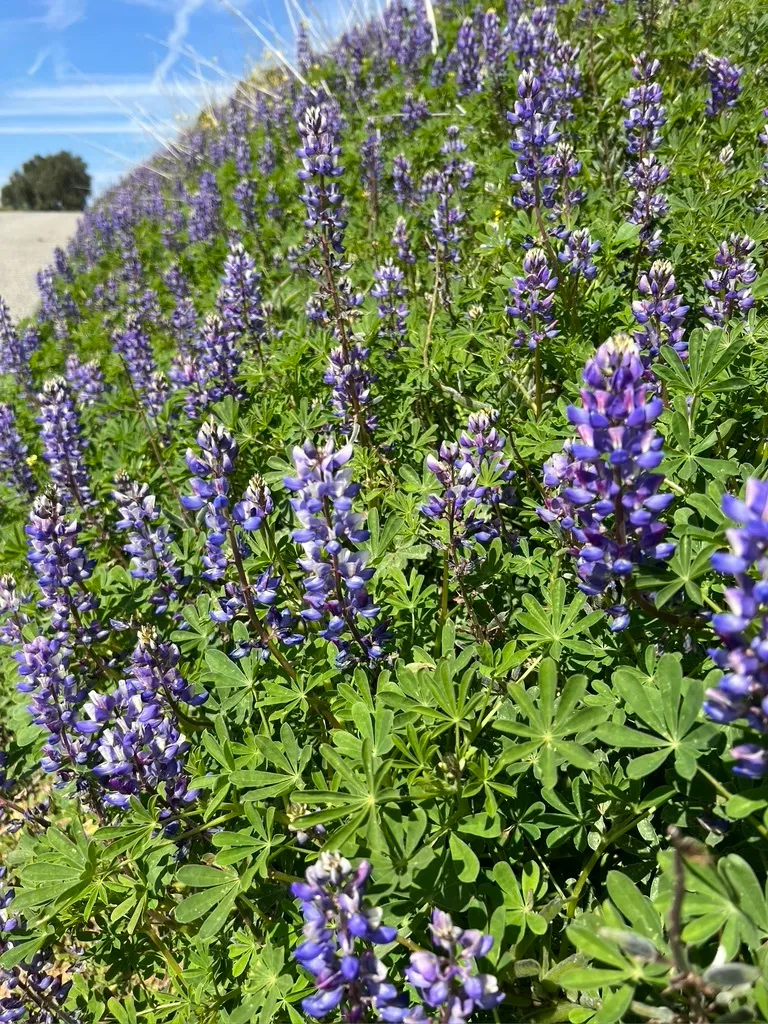
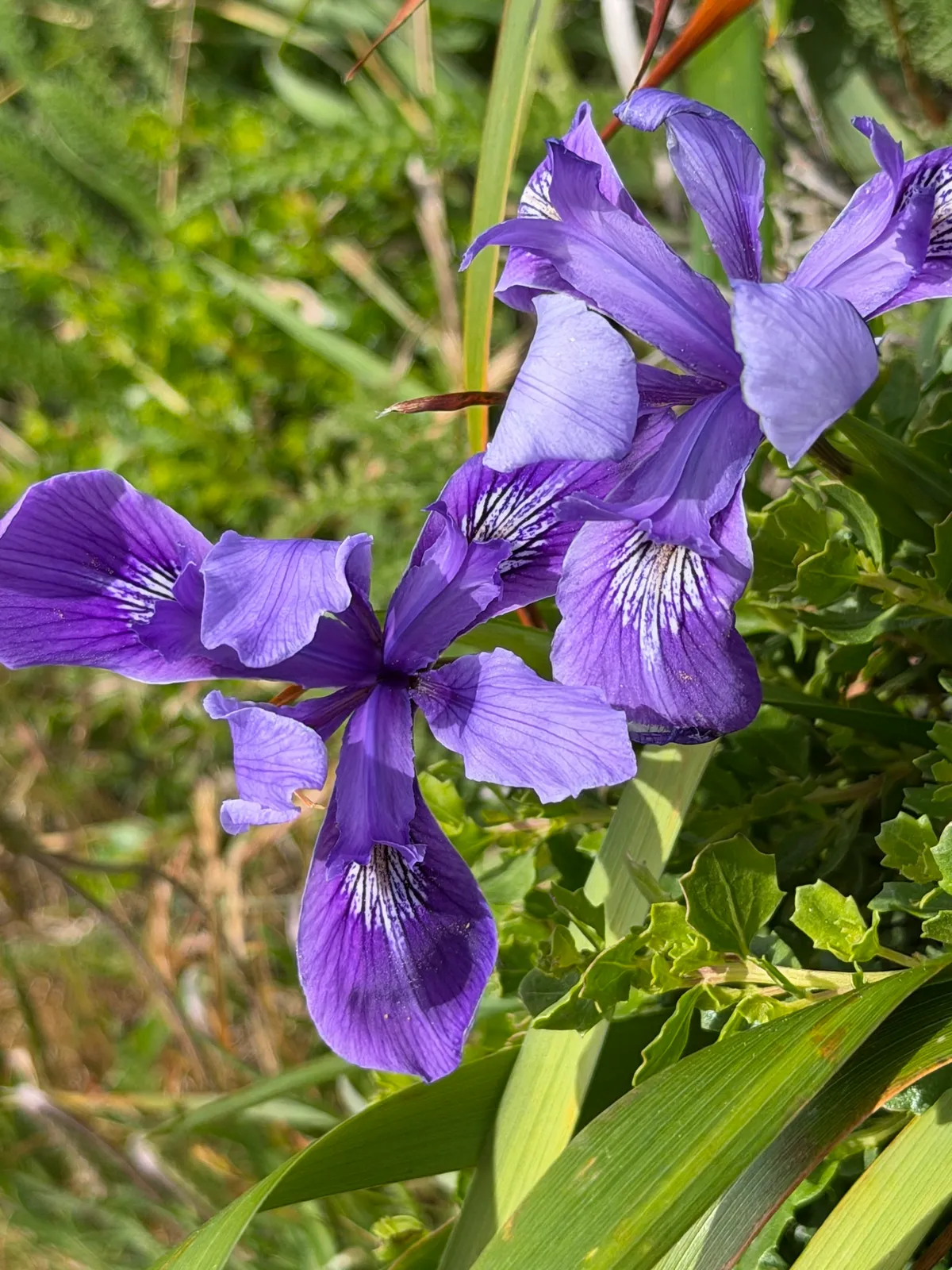
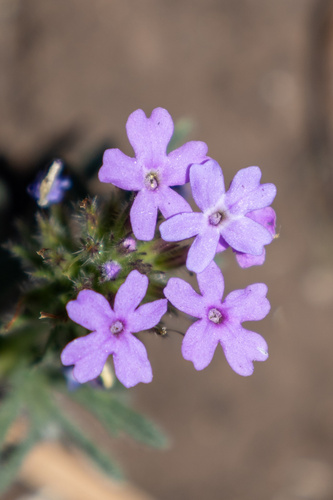
Lenten-rose is not native to the United States. These natives fill a similar role in a planting, matched on bloom season, bloom color and mature size.
Before you buy
Your city may pay you to plant this
Cities and water utilities offer rebates for replacing lawn with native and water-wise plants. We track 459 programs across 44 states, each with a link to the provider and the date we last checked it.
Find rebates in your areaPicture natives in your own yard
Wondering what could grow where Lenten-rose is now? Upload a photo of the spot and Patch Vision shows a rendering of it replanted with natives for your region.


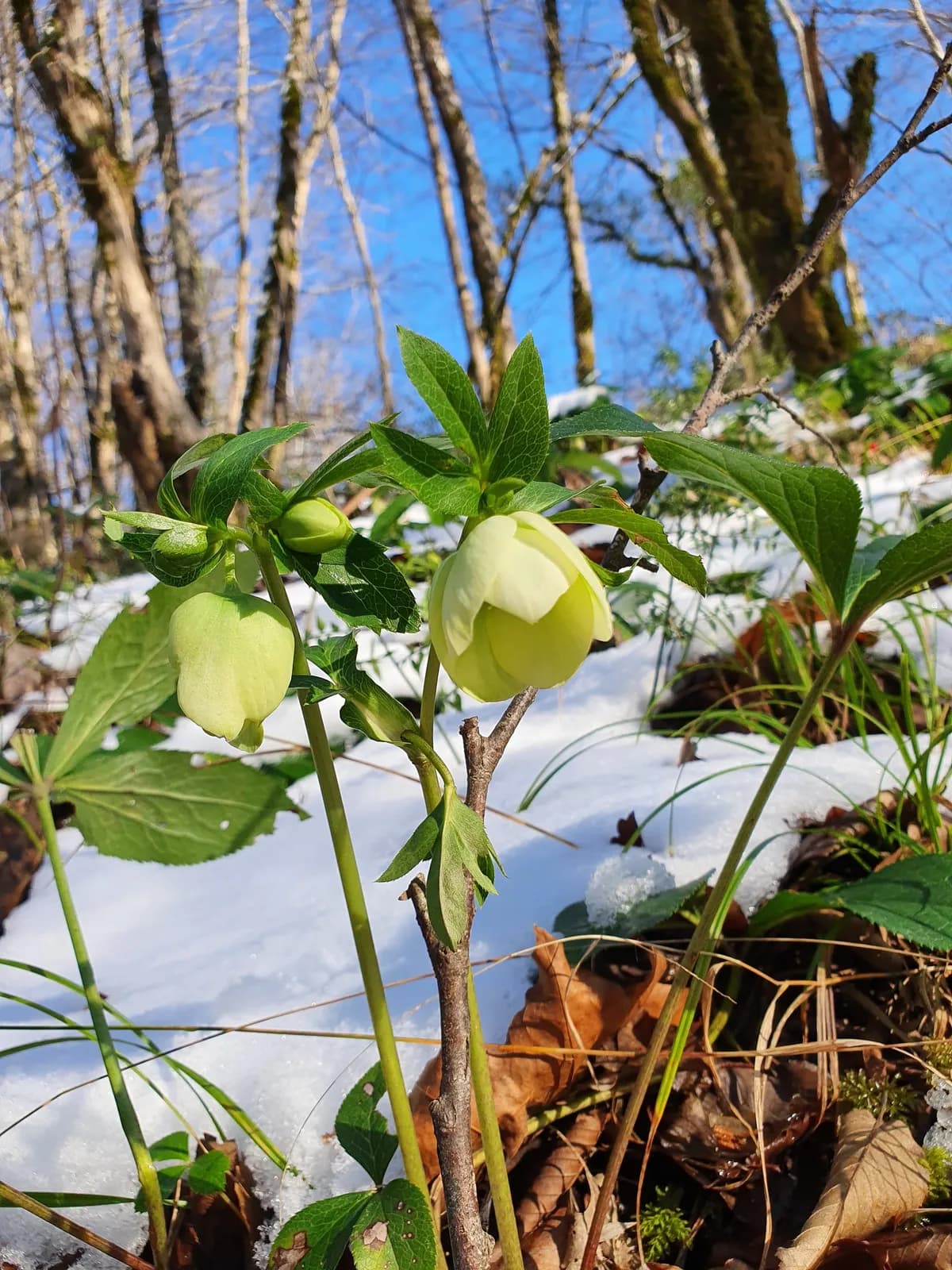
Lenten rose is a clump-forming evergreen perennial valued for its nodding, cup-shaped flowers that open in late winter, well before most other perennials break dormancy. Its leathery, deeply lobed leaves persist through the year, providing structure in shaded beds even when the plant is not in bloom.
How to care for Lenten-rose, by region
How to care for Lenten-rose where it is actually grown: year-round basics plus what to do each season, region by region, with the sources for each.
Care guidance last updated: September 2026
Eastern Corn Belt Plains (includes Columbus, OH)
Year-round
Lenten Rose is a shade-loving evergreen perennial that's a popular low-fuss choice for shady garden beds and foundation plantings around Columbus. It blooms in late winter into early spring, often pushing up through snow, and then holds attractive leathery leaves through the rest of the year. It's toxic to pets if eaten, so plant it somewhere a dog or cat won't be tempted to chew on it.
- Give it part to full shade, especially afternoon shade once summer heat picks up.
- Plant in well drained soil with some compost worked in. It doesn't like sitting in soggy soil.
- Once it's established after the first year or two, it handles dry spells well and needs little extra watering.
- It's on the ASPCA toxic plant list for dogs, cats, and horses, so keep it away from pets that like to chew on leaves.
Fall
Fall is a good tidy up window in Columbus before winter sets in. Lenten Rose stays evergreen through the season, so it's one of the few beds that still looks kept up once everything else has died back.
- Rake up fallen tree leaves so they don't smother the evergreen foliage underneath.
- Add a light layer of mulch around the base ahead of Columbus's average first frost in mid October.
- Fall works for dividing or moving plants, but the window right after spring bloom is usually easier for this one.
- Cut back any leaves that look ragged from summer heat so the plant heads into winter with cleaner foliage.
Staying full and evergreen through fall tidy up season makes a well kept Lenten Rose bed an HOA-friendly choice for a front yard that needs to look cared for as everything else nearby dies back.
Winter
Winter is when Lenten Rose does its signature trick in Columbus. It often starts flowering in late winter, sometimes as early as February, with blooms pushing up right through snow and cold snaps.
- Leave the evergreen leaves alone through winter. They protect the crown and keep some structure in the bed.
- Don't be surprised to see flower buds forming under snow cover. This plant blooms earlier than almost anything else in an Ohio garden.
- A layer of mulch helps protect the roots through Columbus's coldest stretch, usually January into February.
- Avoid walking on the crown when the ground is frozen or waterlogged. It can damage the roots.
Spring
In the Columbus area, Lenten Rose is usually already blooming by the time real spring arrives. It often starts flowering in late winter and keeps going into April, sometimes overlapping with a late season snow.
- Once the old flower stalks fade, usually by late April, cut them back to keep the bed looking tidy.
- This is a good window to divide crowded clumps, right after bloom and before the ground warms up much more.
- Trim off any tattered winter leaves now so the fresh new leaves coming up get full light.
- Columbus's average last frost lands in mid to late April, so a late cold snap after a warm stretch can still nip young new growth.
Summer
Once Columbus summer heat and humidity settle in, Lenten Rose mostly just holds its leathery green leaves and rests. It isn't a summer bloomer, and it doesn't need much fussing this time of year.
- Keep it in a shady spot. Hot afternoon sun in July and August can scorch the leaves.
- Water during long dry stretches, especially for plants that went in within the last year or two.
- Skip heavy feeding in summer. A light feeding in spring is usually enough for this plant.
- Leave the evergreen leaves in place. They're feeding the roots that push out next winter's blooms.
Northeastern Coastal Zone (includes New York, NY)
Year-round
Lenten-rose is an easy shade perennial for New York area yards that blooms in late winter and holds leathery evergreen leaves the rest of the year.
- Plant it in part shade to full shade, under deciduous trees or on the shady side of the house. Full afternoon sun in a zone 7 summer will scorch the leaves.
- Give it rich, humusy, well drained soil. Missouri Botanical Garden rates it for zones 4 to 9, so New York winters are no problem.
- Water at a medium, steady rate. It handles dry shade once established, but it looks much better with even moisture.
- The whole plant is poisonous. ASPCA lists hellebore as toxic to dogs, cats, and horses, so keep it out of beds where a pet chews on things.
- Wear gloves when you cut leaves or divide clumps, since leaves, stems, and roots are all poisonous.
- Flowers nod downward by design. Site it on a slope, in a raised bed, or beside a walkway so you actually see the faces.
Fall
Fall is the best planting and dividing window here, and the falling tree leaves are free mulch.
- Plant new clumps in early to mid fall so roots settle before the ground freezes. Give each plant about 18 inches of room.
- Leave a layer of shredded fall leaves over the bed. It is exactly the humusy soil this plant wants and it buffers the freeze and thaw cycle.
- Do not bury the crown. Rake the leaf litter so the center of the plant stays exposed.
- Keep watering into November if fall is dry. Evergreen leaves keep losing moisture after the flower show is long over.
- Now is the time to dig up self sown seedlings and move them, or pot them for a neighbor.
- Do not cut the foliage back in fall. Those leaves protect the crown through winter, the cutback comes in late winter.
Keep the leaf mulch inside a crisp bed edge so it reads as intentional mulch rather than leaves that never got raked.
Winter
Winter is when this plant earns its spot, blooming in late winter while everything else in the yard is bare.
- Expect flower buds from roughly late winter onward, sometimes with snow still on the ground. Bloom can run 8 to 10 weeks into spring.
- Leaves may look battered by February after New York freeze and thaw swings. That is normal, not disease.
- Late winter is the cutback moment. Once buds appear, remove the old leaves at the base so the flowers are visible.
- A spot sheltered from cold winter wind holds the foliage in better shape.
- A slow release fertilizer in late winter supports flowering. Skip anything high in nitrogen.
- Deer and rabbits rarely browse it, which matters in winter when they eat almost anything else.
A tidy late winter cutback turns a scruffy looking bed into the only thing blooming on the block, which is a strong curb appeal moment.
Spring
Spring is bloom season and cleanup season, so cut the old tattered leaves off and let the flowers show.
- Cut last year's dried, spotted leaves off at ground level as the flower buds push up, usually late February into March around New York City. NC Cooperative Extension recommends this to improve air flow and reduce fungus.
- Cut carefully at the base so you do not slice off the emerging flower buds hiding under the old foliage.
- Wear gloves for that cleanup. All parts of the plant are poisonous, so do not handle cut stems bare handed.
- Cut the spent flower stems back after bloom finishes to push fresh new foliage.
- Watch for seedlings around the base. This plant self seeds heavily, so pull the extras now or move them while they are small.
- Top up compost or leaf mold around the clump once the ground thaws. Skip high nitrogen fertilizer, it makes leaves instead of flowers.
Cutting the old brown leaves off before bloom is the single change that makes this bed read as tended rather than neglected from the sidewalk.
Summer
Summer is the quiet season, the job is keeping the leaves from frying in hot humid weather and dry shade.
- Water deeply during dry stretches. Tree roots pull a lot of moisture, and dry soil in July makes the leaves brown at the edges.
- Aim for medium, even moisture rather than constant soaking. Missouri Botanical Garden notes crown rot as an occasional problem, and soggy soil invites it.
- Keep 2 inches of shredded leaf or bark mulch over the root zone, pulled back an inch from the crown.
- If the plant sits somewhere that gets hot afternoon sun, plan to move it in fall to deeper shade. Do not transplant in summer heat.
- Snip off any badly scorched or spotted leaves so the plant looks clean, but leave most of the foliage on to feed the roots.
- No fertilizer needed now. It is coasting until winter.
Sources: ASPCA Toxic and Non-Toxic Plants: Hellebore, Missouri Botanical Garden Plant Finder: Helleborus orientalis, NC Cooperative Extension: Winter Care for Hellebores, Wisconsin Horticulture: Lenten Rose, Helleborus x hybridus, Clemson HGIC: Lenten Rose
In an HOA neighborhood
Lenten-rose takes more care to keep looking intentional in a front yard. Maintenance level: low. Consider it for backyard or mid-zone beds rather than the street edge.
Works well in: shaded foundation bed, woodland border, planting under trees.
- contains compounds that are toxic if ingested by people or pets
- self-seeds readily in favorable conditions
Wildlife value
Early flowers provide one of the season's first nectar sources for bees active on warm winter days.
Common questions
- How much sun does Lenten-rose need?
- Lenten-rose grows best in part shade conditions.
- When does Lenten-rose bloom?
- Lenten-rose blooms in January, February, and March.
- What pollinators does Lenten-rose attract?
- Lenten-rose draws bees.
- Is Lenten-rose HOA-friendly?
- Lenten-rose takes more care to look intentional in a front yard. Consider it for backyard or mid-zone beds rather than the street edge.
Pollinator and host plant associations compiled from GBIF, iNaturalist, and published ecological literature.
If something looks wrong
Common plant problems, and what to check first
These come up on almost any plant. Each guide lists the likely causes in the order they are worth ruling out, with one thing to check before you act on any of them, and links to the source it came from.
- It is dying right after planting
- Leaves turning yellow
- Wilting even though I watered it
- Brown crispy leaf tips
- Bugs on the plant
Ready to grow Lenten-rose? Add it to your garden in Pollinator Patch to track it and get season-by-season care guidance.