Old-man's-beard
Clematis ligusticifolia
Last reviewed: September 2026
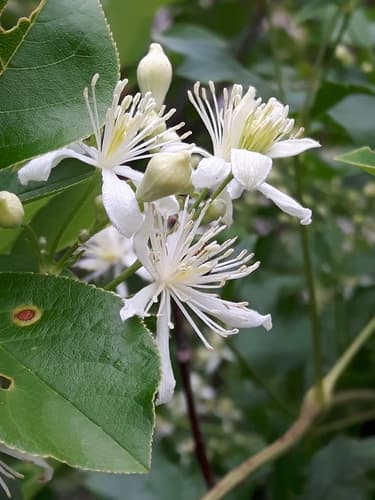
Clematis ligusticifolia is a fast growing vine that blooms from June through August with clusters of small white flowers. It thrives in full sun along streambanks, canyons, and dry western rangeland.
Old-man's-beard is toxic to dogs and cats.
Listed as toxic by the ASPCA Animal Poison Control Center (opens in new tab) (last reviewed 2026-05-21). If your pet has been exposed, call the ASPCA Animal Poison Control Center at (888) 426-4435 and your veterinarian's emergency line.
Pollinator Patch flags toxic plants so you can choose a pet-safe native alternative for your yard.
Native swaps for a yard with pets
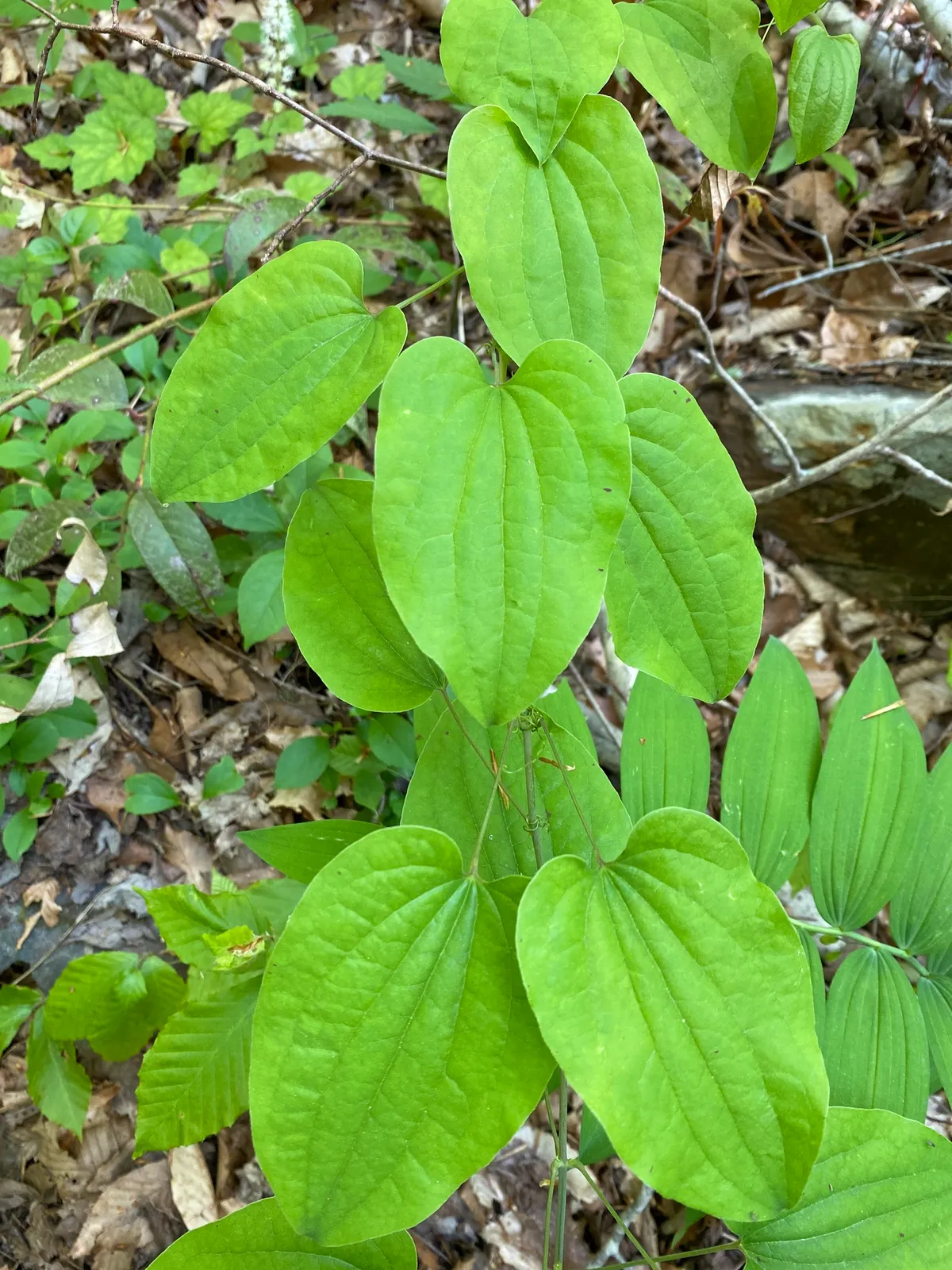
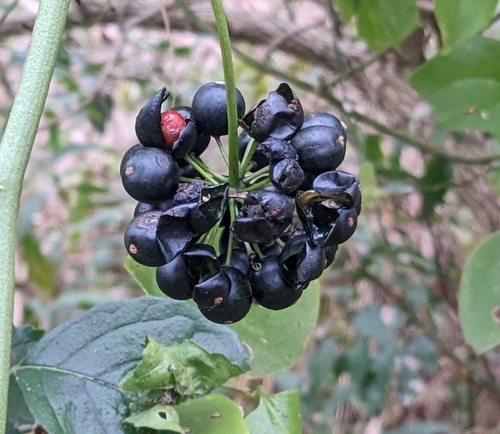
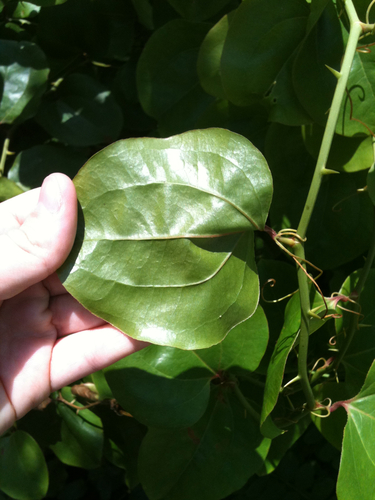
Old-man's-beard is listed as toxic to dogs by the ASPCA Animal Poison Control Center. These natives fill a similar role in a planting and are not on the ASPCA toxic plant list for dogs or cats. Each plant's page carries its dated record.
The USDA PLANTS Database (opens in new tab) does not flag Old-man's-beard as toxic to livestock.
Light
full sun
Water
medium
Size
120"–360" H × 60"–180" W
Bloom
Jun, Jul, Aug
Native to
AZ, CA, CO, ID and 12 more states
Pollinators
bees, beetles
Before you buy
Your city may pay you to plant this
Cities and water utilities offer rebates for replacing lawn with native and water-wise plants. We track 459 programs across 44 states, each with a link to the provider and the date we last checked it.
Find rebates in your areaPicture natives in your own yard
Upload a photo of your yard and Patch Vision shows a rendering of it planted with natives for your region, like Old-man's-beard.


Browse plants for this ecoregion
Old-man's beard is a vigorous native vine that produces masses of small white flowers in summer, followed by fluffy, silvery seed heads that give it its common name. This fast-growing climber can quickly cover fences, arbors, or other structures with its attractive foliage and blooms.
Growing Old-man's-beard
Grow Old-man's-beard in full sun and medium water. Mature plants reach 120 to 360 inches tall and spread 60 to 180 inches wide. Expect high maintenance to keep it looking intentional in a front yard.
How to care for Old-man's-beard, by region
How to care for Old-man's-beard where it is actually grown: year-round basics plus what to do each season, region by region, with the sources for each.
Care guidance last updated: September 2026
High Plains (includes Lubbock, TX)
Year-round
Old-man's-beard is a fast, heavy climbing vine that wants a sturdy structure and steady moisture, and like all Clematis it is not good for pets to chew on.
- Give it full sun to part shade. In Lubbock's hot, dry summers a little afternoon shade helps it hold up.
- Water regularly through the growing season. This vine likes more consistent moisture than a typical tough native and will sulk if the root zone dries out completely.
- It adapts to almost any soil, sandy, loamy, rocky, or heavy clay, as long as it drains and doesn't stay soggy.
- This vine can put on 10 to 15 feet of growth in a single season, so give it its own sturdy trellis, arbor, or fence to climb before it takes off.
- Clematis as a group is not good for dogs, cats, or horses to chew on or eat. It can irritate the mouth and stomach and cause drooling, vomiting, or diarrhea.
Give it its own trellis or fence from day one. Left untrained, this fast grower can climb onto a shared fence line, so staying HOA-conscious here just means keeping it on your own structure.
Fall
Fall is a second good planting window, and the plant starts winding down toward dormancy as the weather cools.
- Fall, after the worst heat breaks but before Lubbock's average first frost around November 11, is a second good window to plant this vine.
- As days shorten and cool, growth slows and the plant heads into dormancy. Ease off watering as that happens.
- The fuzzy white seed plumes that give this vine its old-man's-beard look show up now and often stick around into winter.
The seed plumes can look shaggy on a front-facing or shared fence line by late fall. Trim them back if a neater look matters there, though they're fine to leave for winter interest and for birds.
Winter
Winter is dormant season and the time for the vine's big yearly cutback, before new growth starts up again in spring.
- Anytime from late December through February, before new growth starts, cut all the stems back hard to about 12 to 24 inches above the ground.
- This hard yearly cutback keeps the vine from turning into a tangled mess and helps it bloom well again the following summer.
- When you cut the old woody stems, they may weep a clear fluid. That's normal and nothing to worry about.
- Established plants are hardy through Lubbock's zone 7b winters and don't need extra protection, but a layer of mulch over the root zone helps a newly planted vine through its first winter.
The late-winter hard cutback is also your best yearly chance to keep this fast climber off a neighbor's fence before spring growth takes off again.
Spring
Spring is planting season once the frost risk passes, and this is when the vine's fast regrowth really kicks off after a winter cutback.
- Lubbock's average last frost is around March 24, with mid-April a safer bet in a cooler year. Hold off on new plantings until after that.
- Once it warms up, growth takes off fast. This vine can add 10 to 15 feet in a single season.
- A late cold snap can nip tender new shoots, but established plants usually bounce back and push new growth again.
- This is a good time to check that the trellis, arbor, or fence is sturdy enough before the season's growth spurt starts.
Summer
Summer is bloom season, and it lands right in the middle of Lubbock's hottest, driest stretch, so watering matters more than usual.
- Main bloom runs from around July into September, right through the hottest part of the year here.
- Keep up regular watering through summer. This species wants steadier moisture than a typical drought-tough native and will show stress if it dries out.
- Lubbock summers bring intense heat and wind on top of zone 7 conditions, so afternoon shade or a deep, less frequent watering schedule helps it cope.
- Wilting leaves during the worst 100 degree stretches usually point to a water problem rather than a pest problem.
Sources: Western White Clematis growing guide (PlantNative), Clematis ligusticifolia plant profile (Lady Bird Johnson Wildflower Center), Virgin's Bower toxicity (ASPCA), Frost Dates and Planting Calendar for Lubbock, TX (FrostCal) (community tip), Climate Information (Texas A&M AgriLife Extension, Lubbock County Master Gardeners)
In an HOA neighborhood
Old-man's-beard takes more care to keep looking intentional in a front yard. Maintenance level: high. Consider it for backyard or mid-zone beds rather than the street edge.
Works well in: backyard only.
- Extremely vigorous growth can appear uncontrolled
- Fluffy seed heads may look messy to some
- Large size requires constant management in formal settings
Wildlife value
The abundant summer flowers attract bees and beetles for nectar and pollen. The dense vine provides nesting sites and cover for birds.
Common questions
- When does Old-man's-beard clematis bloom?
- It typically flowers from June through August, producing masses of small, fragrant, creamy white blossoms along its climbing stems.
- What kind of light does this vine need?
- Old-man's-beard grows best in full sun but will also tolerate part sun, especially along stream edges where it gets some afternoon relief.
- How much water does Clematis ligusticifolia need?
- It does well with medium moisture but can handle drier conditions once established, which is why it often shows up along seasonal streambeds and canyon washes.
- What pollinators visit this plant?
- Bees and beetles are the main visitors to its flowers, drawn to the abundant pollen produced by the small blooms.
- Is this vine easy to grow on a trellis or fence?
- Yes, its twining habit and vigorous growth make it well suited to fences, arbors, and trellises where it has room to climb and spread.
- Is Old-man's-beard toxic to dogs?
- Yes. Old-man's-beard is listed as toxic to dogs by the ASPCA Animal Poison Control Center (aspca.org). If your pet has been exposed, call the ASPCA Animal Poison Control Center at (888) 426-4435.
- Is Old-man's-beard toxic to cats?
- Yes. Old-man's-beard is listed as toxic to cats by the ASPCA Animal Poison Control Center (aspca.org). If your cat has been exposed, call the ASPCA Animal Poison Control Center at (888) 426-4435.
- Is Old-man's-beard toxic to livestock?
- The USDA PLANTS Database does not flag Old-man's-beard as toxic to livestock.
- Is Old-man's-beard HOA-friendly?
- Old-man's-beard takes more care to look intentional in a front yard. Consider it for backyard or mid-zone beds rather than the street edge.
These answers were drafted with an AI model from this plant's data. Verify care details with a local expert.
Native range data from the World Checklist of Vascular Plants (Kew). Pollinator and host plant associations compiled from GBIF, iNaturalist, and published ecological literature.
If something looks wrong
Common plant problems, and what to check first
These come up on almost any plant. Each guide lists the likely causes in the order they are worth ruling out, with one thing to check before you act on any of them, and links to the source it came from.
- It is dying right after planting
- Leaves turning yellow
- Wilting even though I watered it
- Brown crispy leaf tips
- Bugs on the plant
Pollinator Patch flags toxic plants like Old-man's-beard and shows pet-safe natives for your ecoregion instead.