pinewoods oxeye
Heliopsis gracilis
Last reviewed: October 2026
Toxicity unknown
pinewoods oxeye (Heliopsis gracilis) is not listed by the ASPCA Animal Poison Control Center (opens in new tab) or the other sources we check, so we have no verdict for it either way. Absence from those lists is not a clearance. If your pet shows symptoms after eating any plant, call the ASPCA at (888) 426-4435.
Light
full sun
Water
medium
Size
18"–32" H × 12"–18" W
Bloom
Jun, Jul, Aug, Sep
Native to
AL, AR, FL, GA and 2 more states
Pollinators
bees, butterflies
Before you buy
Your city may pay you to plant this
Cities and water utilities offer rebates for replacing lawn with native and water-wise plants. We track 459 programs across 44 states, each with a link to the provider and the date we last checked it.
Find rebates in your areaPicture natives in your own yard
Upload a photo of your yard and Patch Vision shows a rendering of it planted with natives for your region, like pinewoods oxeye.


Browse plants for this ecoregion
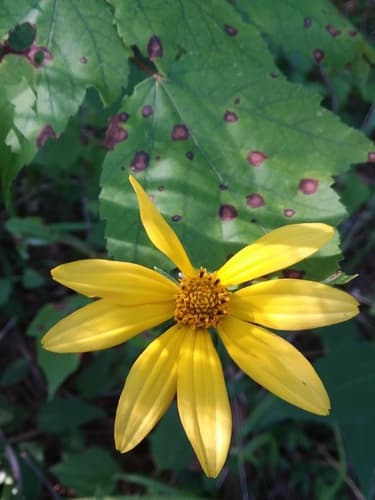
A slender native perennial in the sunflower family that grows in open, sunny pine woodland habitat, producing bright yellow daisy-like flowers on wiry stems through summer. It has a more delicate, airy habit than many of its sunflower-family relatives.
How to care for pinewoods oxeye, by region
How to care for pinewoods oxeye where it is actually grown: year-round basics plus what to do each season, region by region, with the sources for each.
Care guidance last updated: September 2026
Ouachita Mountains (includes Hot Springs, AR)
Year-round
Pinewoods oxeye is a tall, easygoing perennial in the sunflower family that blooms yellow through the Hot Springs summer and fall. In USDA zone 8a it wants full sun to light shade and well drained soil, and it does not ask for much once it settles in.
- Give it full sun to part shade. More sun means sturdier stems and more flowers.
- Plant in well drained soil. It tolerates sandy, clay, or average garden soil and handles dry spells once established.
- Expect blooms from June into September or later, since Hot Springs has a long warm season.
- Plants can reach 3 to 6 feet tall and spread by underground rhizomes, so give it room or plan to divide it every few years.
- It draws bees, butterflies, and other visiting pollinators to the yard.
Fall
Pinewoods oxeye often keeps blooming into fall in Hot Springs' long warm season, then fades once the first frost arrives in early November.
- Blooms can continue into October in a mild fall before the first frost, which typically lands in early November in Hot Springs.
- Leave some seed heads standing. Songbirds eat the seeds through fall.
- For a tidier front yard look, cut spent stems back after the first hard frost instead of leaving them up all winter.
- This is a good time to mark where clumps are so you remember where to divide them in spring.
A few standing seed heads can look messy to a passing neighbor. One clean cutback after the first frost reads as intentional and helps avoid a violation letter.
Winter
Pinewoods oxeye dies back to the ground for winter in Hot Springs and comes back from its roots each spring, so there is little to do but tidy up.
- The above ground growth dies back after frost. The plant rides out winter underground as rhizomes, since Hot Springs sits in USDA zone 8a.
- Cut back the old dead stems any time in late winter, before new growth starts in March.
- No winter mulch is usually needed in Hot Springs' mild zone 8a winters, but a light layer helps through a hard freeze.
- Skip watering while the plant is dormant unless the winter turns unusually dry.
Cutting back the dead stems in late winter, instead of leaving brown stalks up all season, reads as intentional and helps avoid a violation letter.
Spring
Spring is when pinewoods oxeye wakes up and puts out fresh growth. In Hot Springs it is usually clear to plant or divide once the area clears its last frost in late March.
- New shoots emerge from the rhizomes as the soil warms in March and April.
- Hot Springs typically sees its last frost in late March, so wait until then to plant new starts or divide existing clumps.
- Divide crowded clumps now if you want more plants, though the roots can be tough to pull apart.
- Watch new growth for aphids and knock them off with a strong spray of water if you spot them.
- Skip heavy fertilizer. This plant grows fine in average soil without it.
Summer
Summer is peak bloom for pinewoods oxeye, with bright yellow flowers lasting through the Hot Springs heat into early fall.
- Flowers keep coming from June through September if you deadhead spent blooms.
- Once established, the plant handles Hot Springs summer heat and dry stretches without extra watering.
- Tall stems can flop in a hot summer storm. Stake them, or cut plants back by about a third in late May to keep them shorter and sturdier.
- Aphids are the main pest to watch for, but they rarely cause real damage.
- Cut flowers hold up well in a vase if you want to bring some indoors.
Deadheading spent flowers through summer keeps the bed looking tended. It reads as intentional and helps avoid a violation letter over a scraggly looking bed.
Sources: NC State Extension Gardener Plant Toolbox: Heliopsis helianthoides, Lady Bird Johnson Wildflower Center: Heliopsis helianthoides (smooth oxeye), Wikipedia species overview: Heliopsis gracilis (pinewoods oxeye), height and growth habit (community tip), Almanac.com average frost dates for Hot Springs, Arkansas (community tip)
In an HOA neighborhood
pinewoods oxeye is an HOA-friendly choice. Maintenance level: moderate. Tidiness: 3 out of 5.
Works well in: sunny border, naturalized meadow planting.
- spreads by underground rhizomes and can form colonies over time, so give it room or plan to manage its spread in a small bed
- less common in cultivation so mature garden habit is not well documented
Wildlife value
Its long summer bloom period provides nectar and pollen for bees and butterflies, and its seed heads offer food for seed-eating birds after flowering ends.
Common questions
- How much sun does pinewoods oxeye need?
- pinewoods oxeye grows best in full sun conditions.
- When does pinewoods oxeye bloom?
- pinewoods oxeye blooms in June, July, August, and September.
- Where is pinewoods oxeye native?
- pinewoods oxeye (Heliopsis gracilis) is native to AL, AR, FL, GA and 2 more states, per the World Checklist of Vascular Plants (Kew).
- What pollinators does pinewoods oxeye attract?
- pinewoods oxeye draws bees and butterflies.
- Is pinewoods oxeye HOA-friendly?
- pinewoods oxeye is generally an HOA-friendly choice in the right placement, with moderate maintenance.
Native range data from the World Checklist of Vascular Plants (Kew). Pollinator and host plant associations compiled from GBIF, iNaturalist, and published ecological literature.
If something looks wrong
Common plant problems, and what to check first
These come up on almost any plant. Each guide lists the likely causes in the order they are worth ruling out, with one thing to check before you act on any of them, and links to the source it came from.
- It is dying right after planting
- Leaves turning yellow
- Wilting even though I watered it
- Brown crispy leaf tips
- Bugs on the plant
Ready to grow pinewoods oxeye? Add it to your garden in Pollinator Patch to track it and get season-by-season care guidance.