Satsuki azalea
Rhododendron indicum
Last reviewed: October 2026
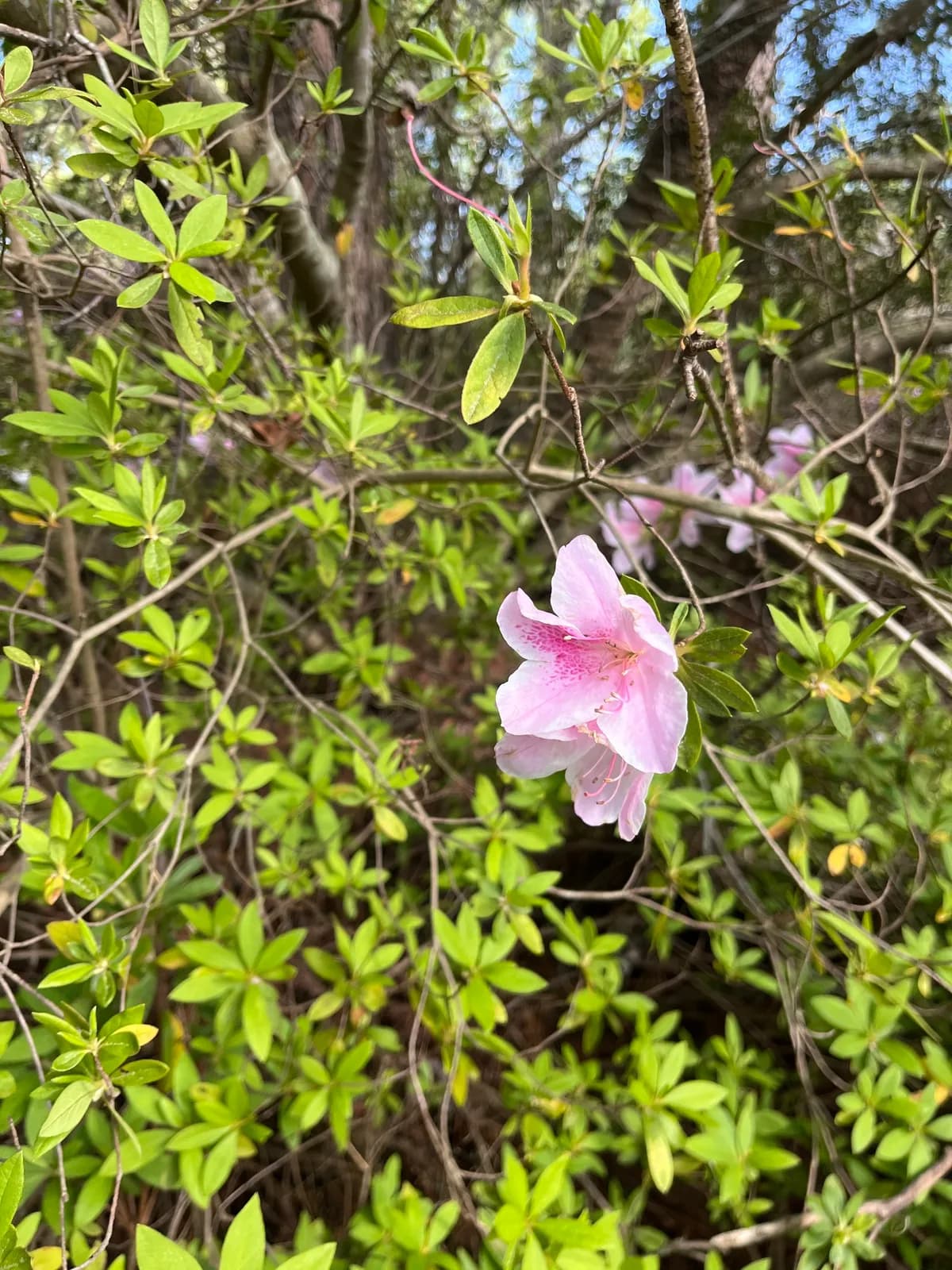
Satsuki azalea is toxic to dogs and cats.
Listed as toxic by the ASPCA Animal Poison Control Center (opens in new tab) (last reviewed 2026-08-15). If your pet has been exposed, call the ASPCA Animal Poison Control Center at (888) 426-4435 and your veterinarian's emergency line.
Pollinator Patch flags toxic plants so you can choose a pet-safe native alternative for your yard.
Light
part shade
Water
medium
Size
24"–72" H × 24"–72" W
Bloom
Apr, May
Native alternatives to Satsuki azalea
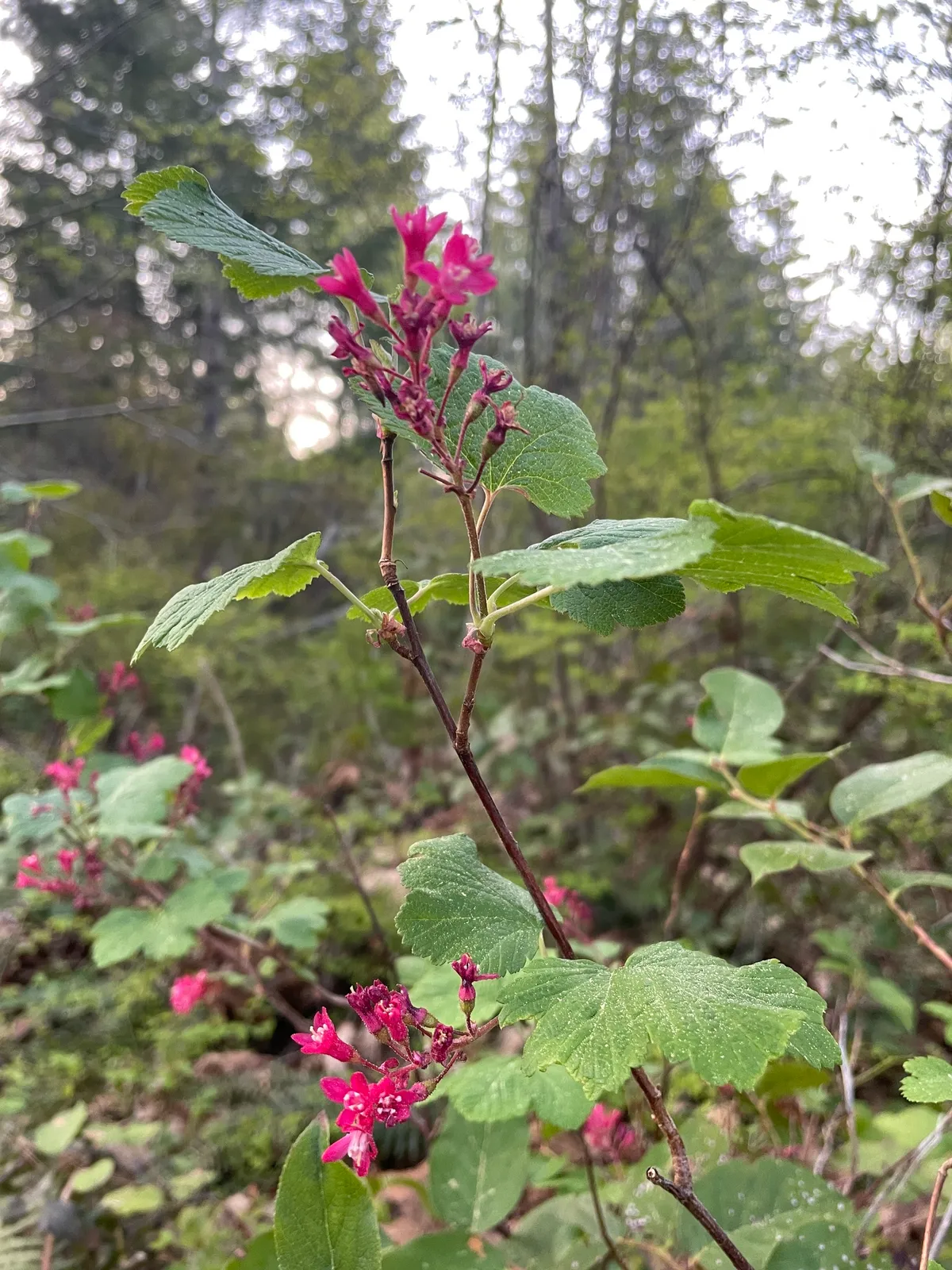
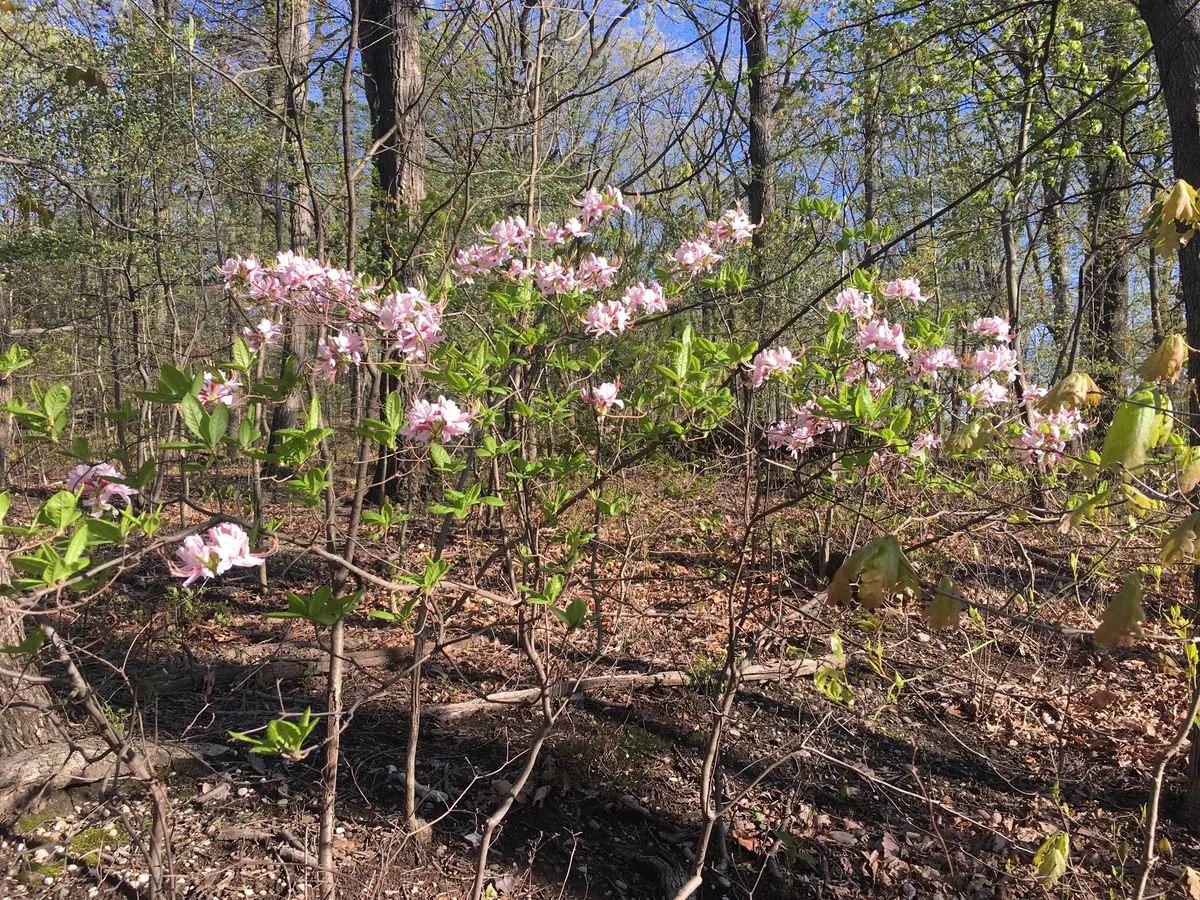
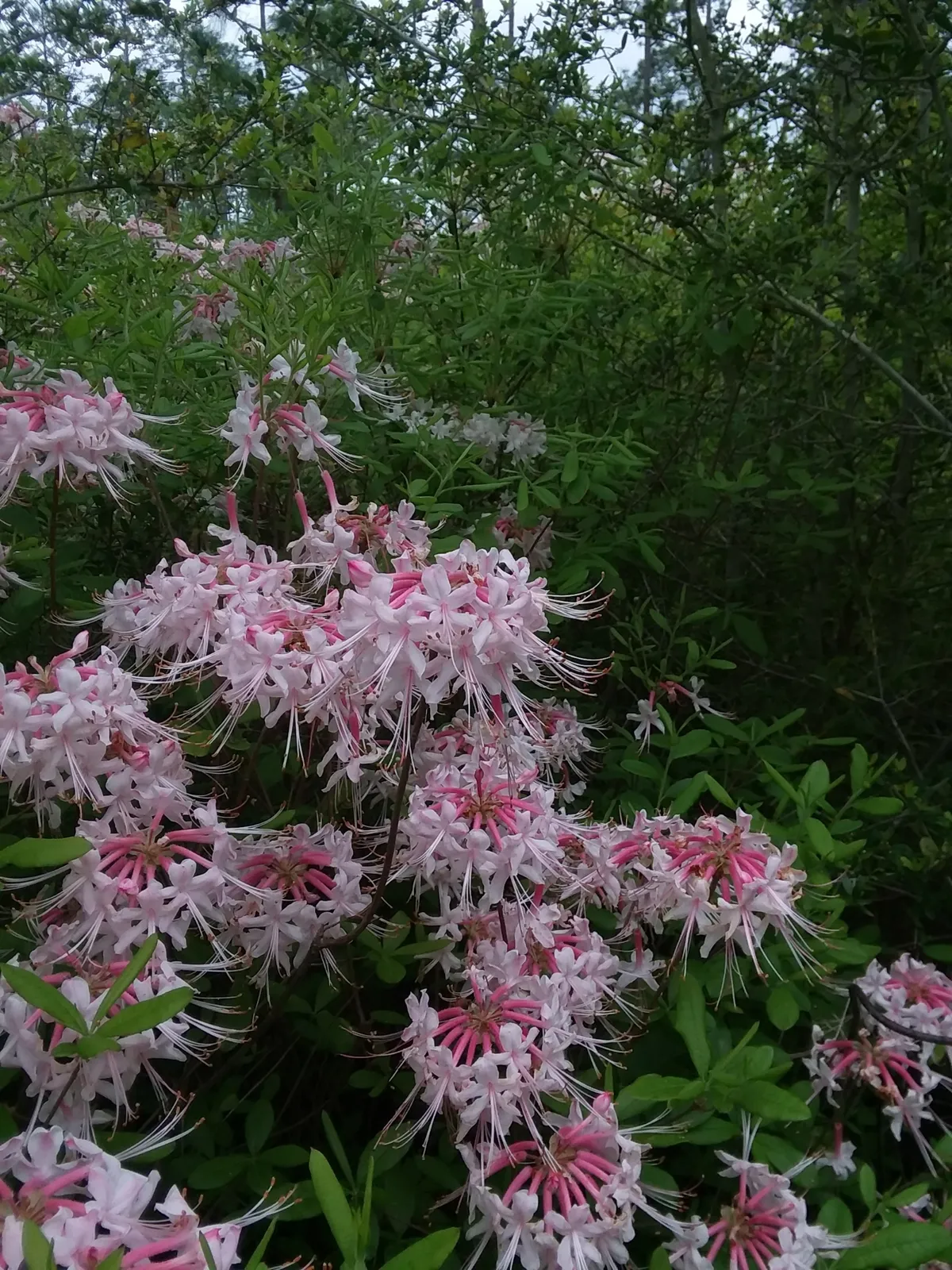
Satsuki azalea is not native to the United States. These natives fill a similar role in a planting, matched on bloom season, bloom color and mature size.
Before you buy
Your city may pay you to plant this
Cities and water utilities offer rebates for replacing lawn with native and water-wise plants. We track 458 programs across 44 states, each with a link to the provider and the date we last checked it.
Find rebates in your areaPicture natives in your own yard
Wondering what could grow where Satsuki azalea is now? Upload a photo of the spot and Patch Vision shows a rendering of it replanted with natives for your region.


An evergreen azalea forming a dense low mound covered in funnel shaped flowers in spring. It needs acid, well drained soil and shallow planting, and resents deep mulch piled over the root zone.
How to care for Satsuki azalea, by region
How to care for Satsuki azalea where it is actually grown: year-round basics plus what to do each season, region by region, with the sources for each.
Care guidance last updated: August 2026
Western Gulf Coastal Plain (includes Houston, TX)
Year-round
Satsuki azalea is a compact evergreen shrub that does well with Houston's humidity, but the area's naturally alkaline clay soils run more acidic-loving than this plant wants, so soil prep matters more than most other care steps. Give it acidic, well-drained soil, light to moderate shade, and a shallow mulch layer kept off the stems, and it settles in as a trouble-free, low front-yard mound.
- Test the soil and amend toward pH 4.5 to 5.5 with peat moss, compost, or shredded pine bark before planting. Harris County clay soils run more alkaline than this shrub prefers, and yellow leaves with green veins (chlorosis) are the usual sign the bed needs correcting.
- Plant in a raised, well-drained bed with the top of the root ball slightly above grade. Standing water in heavy clay leads to root rot.
- Mulch 2 to 3 inches deep with pine bark or pine straw, but keep it off the crown and stems. Piling mulch against the trunk invites rot rather than protecting the plant.
- This shrub is toxic to dogs, cats, and horses. The ASPCA lists this at the genus level for Rhododendron species (which includes azaleas), not Rhododendron indicum by name specifically, but the toxic principle (grayanotoxin) is a whole-genus risk, so keep pets from chewing the leaves or flowers.
Fall
Fall in Houston is mild and a good time to check the bed's drainage and refresh mulch before winter, but the plant has already set next spring's flower buds by late summer, so this is not a pruning season.
- Do not prune now. This shrub sets its spring flower buds in late summer, so a fall prune removes next year's blooms.
- Top off mulch to 2 to 3 inches ahead of the first cool snaps to protect the shallow root system, keeping it off the stems.
- Ease back on watering as temperatures drop, but do not let the root zone dry out completely. Continue deep watering roughly every 1 to 2 weeks if fall stays dry.
- If leaves still show pale stippling from summer lace bugs, this is a good last window for treatment before the insects overwinter in the bed.
Skipping a fall prune keeps this year's flower buds intact and the shrub full and evergreen through winter, which reads as healthy and maintained rather than neglected.
Winter
Houston winters bring occasional hard freezes, and for this evergreen shrub the main risk is a sudden cold snap rather than the cold season overall, since a hard freeze on open buds or dry roots can damage next spring's flowers.
- Water deeply a day or two before an expected freeze. Well-hydrated roots handle a cold snap better, but do not water during the freeze itself.
- Reduce watering frequency to about once every 1 to 2 weeks while the plant is dormant and rain is scarce.
- Keep the 2 to 3 inch mulch layer in place over the root zone through winter for insulation, still kept off the crown and stems.
- A hard freeze on open flower buds can turn them brown and reduce next spring's bloom. That is a normal Gulf Coast weather risk, not a sign of a sick plant.
The shrub stays evergreen and full-looking through a Houston winter with basic freeze prep, so there is no bare-branch look for an HOA to flag.
Spring
Spring is bloom season for Satsuki azalea in Houston, usually April into May, and the short window right after the flowers fade is the one good time all year to prune or fertilize it.
- Prune to shape or reduce size right after the blooms fade, and finish by early June. Pruning later removes the buds the plant is already setting for next spring.
- Fertilize once with an acid-forming, azalea-formulated feed after bloom, but never before February and never past early June. Feeding outside that window can push new growth that a late freeze damages, or weaken next year's flowering.
- Check the undersides of leaves for pale stippling, an early sign of azalea lace bugs that build up from midspring into summer.
- Refresh mulch to 2 to 3 inches, still kept off the stems, once the blooms fade, to help the bed hold moisture into summer heat.
A prompt, shape-focused prune right after bloom keeps the mound tidy for the season and reads as regular upkeep, not neglect, to an HOA reviewer.
Summer
Houston summers are hot and humid, which tests this shallow-rooted shrub's need for steady moisture without wet feet, and it is also when azalea lace bugs are most active.
- Water deeply every 3 to 5 days during dry summer stretches, soaking the root zone rather than sprinkling the surface. Shallow watering encourages shallow, drought-prone roots.
- Check leaf undersides for lace bugs (pale, stippled tops with dark sticky spots below). Knock them off with a hard spray of water, or use insecticidal soap or horticultural oil on the undersides of the leaves if the infestation is heavy.
- Do not fertilize past early June. Feeding in summer heat can push weak new growth and reduce next spring's bloom.
- Watch for yellowing leaves with green veins, a common sign in Houston's alkaline soil that the bed needs a soil test and another round of acid amendment.
Lace bug damage shows up out front as bleached, tired-looking leaves. Catching it early keeps the shrub looking cared for instead of stressed.
Sources: Azalea Culture in Harris County, Texas AgriLife Extension Service, ASPCA: Azalea (Rhododendron spp.) toxicity to dogs, cats, and horses
In an HOA neighborhood
Satsuki azalea is an HOA-friendly choice. Maintenance level: moderate. Tidiness: 4 out of 5.
Works well in: front yard, foundation bed, border.
Wildlife value
Grown as an ornamental. Non-native plants support far fewer local insects than a native of similar size, so treat this as garden interest rather than habitat.
Common questions
- How much sun does Satsuki azalea need?
- Satsuki azalea grows best in part shade conditions.
- When does Satsuki azalea bloom?
- Satsuki azalea blooms in April and May.
- Is Satsuki azalea toxic to dogs?
- Yes. Satsuki azalea is listed as toxic to dogs by the ASPCA Animal Poison Control Center (aspca.org). If your pet has been exposed, call the ASPCA Animal Poison Control Center at (888) 426-4435.
- Is Satsuki azalea toxic to cats?
- Yes. Satsuki azalea is listed as toxic to cats by the ASPCA Animal Poison Control Center (aspca.org). If your cat has been exposed, call the ASPCA Animal Poison Control Center at (888) 426-4435.
- Is Satsuki azalea HOA-friendly?
- Satsuki azalea is generally an HOA-friendly choice in the right placement, with moderate maintenance.
Pollinator and host plant associations compiled from GBIF, iNaturalist, and published ecological literature.
If something looks wrong
Common plant problems, and what to check first
These come up on almost any plant. Each guide lists the likely causes in the order they are worth ruling out, with one thing to check before you act on any of them, and links to the source it came from.
- It is dying right after planting
- Leaves turning yellow
- Wilting even though I watered it
- Brown crispy leaf tips
- Bugs on the plant
Pollinator Patch flags toxic plants like Satsuki azalea and shows pet-safe natives for your ecoregion instead.